Galactic tides are cosmic sculptors that tear apart galaxies and trigger comet showers
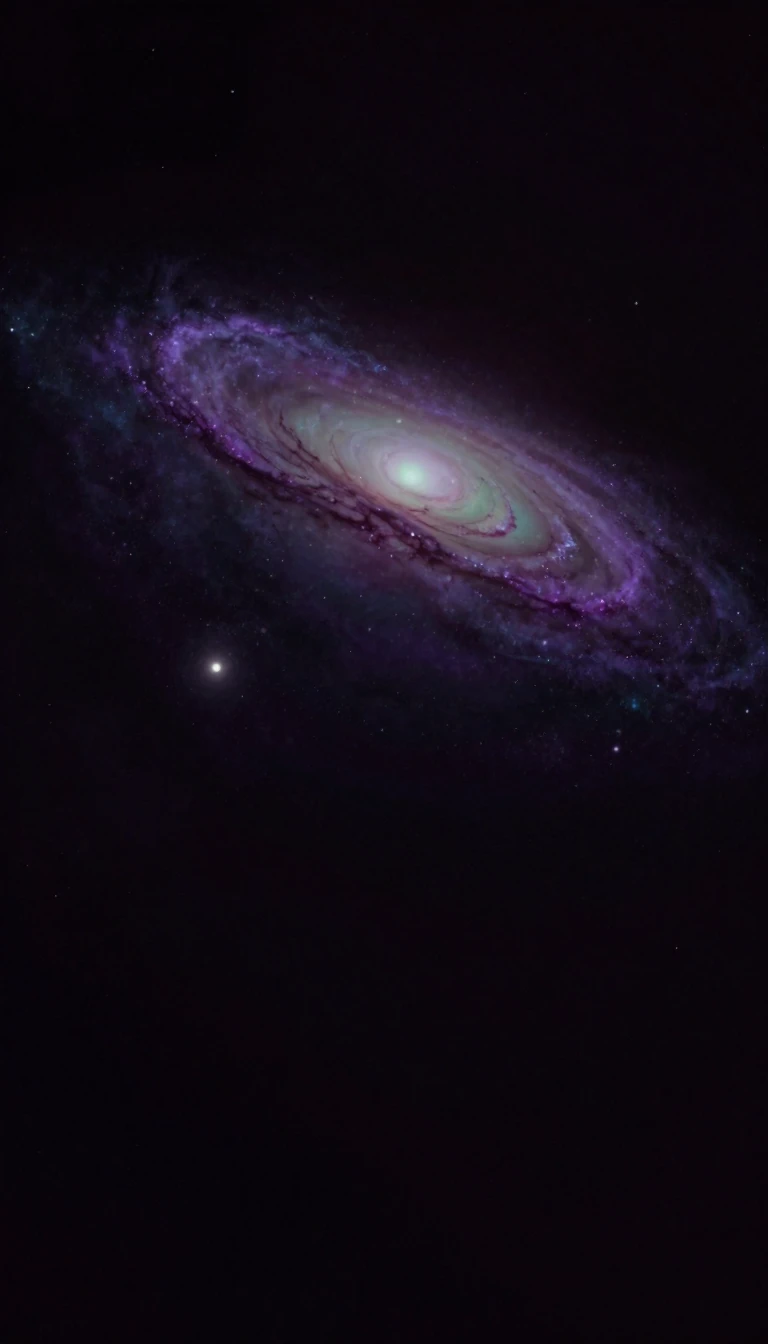
In short: Galactic tides are not just ocean phenomena; they are gravitational forces that reshape galaxies and influence our own solar system. When galaxies interact, these forces pull stars and gas into long, sweeping tails. Closer to home, the Milky Way's tide may be responsible for sending comets hurtling toward the Sun.
A galactic tide arises from the gradient of a gravitational field rather than its sheer strength. When two galaxies pass near one another, they do not typically collide head-on. Instead, the gravitational pull distorts their shapes, stretching them along an axis pointing toward and away from the perturber. As they orbit, differential rotation shears these distorted regions, flinging stars and gas into intergalactic space to form curved tidal tails. Prominent examples of this process include the Antennae and Mice galaxies.
The process is even more dramatic for satellite galaxies. A host galaxy can strip stars and gas from a smaller companion, potentially leading to the complete disruption of the dwarf galaxy. This tidal stripping may explain the extended discs of gas and stars observed around galaxies like Andromeda. In some cases, these tidal forces knead interstellar gas clouds, compressing them and inducing intense bursts of star formation within the satellite's remaining core. The dwarf galaxy M32 is a candidate for such transformation, having potentially lost its spiral arms to Andromeda.
These forces also reach into the outer limits of planetary systems like our own. The Oort cloud, a vast shell of icy planetesimals, exists in a region where the Sun's gravitational hold is weak. Here, the Milky Way's galactic tide exerts a noticeable influence, deforming the cloud's spherical structure. By reducing the perihelia of these distant objects, the tide dislodges them from their orbits, sending them toward the inner solar system as comets. Estimates suggest that up to 90% of all comets originating from the Oort cloud may be the result of these galactic perturbations.
Beyond their destructive and creative power, galactic tides serve as vital diagnostic tools for astronomers. The structure of tidal debris tails depends on the mass and orbit of the satellite, as well as the host's galactic halo. By analyzing these shapes, researchers can probe the dark matter potential of galaxies like the Milky Way, using the debris as a map of the invisible forces shaping our cosmic neighborhood.
Opens the Intellect+ feed with this card first. Swipe up for the next one.
Sources
- Summary by Intellect · source: Galactic tide
To cite this card, link to https://intellectplus.co.uk/app/space-galactic-tide.
How we source, check and correct cards: Editorial standards.
General information, not professional advice. Spotted an error? Flag the card or see corrections and complaints.
Intellect Plus is a visual educational discovery platform for exploring fascinating facts and ideas. Brain Food, Not Brain Rot. What is Intellect Plus?
Related
More in Galactic and extragalactic astronomy · More in Space · Latest · A–Z · All topics
