Libra is the only zodiac constellation named after an object rather than a creature.
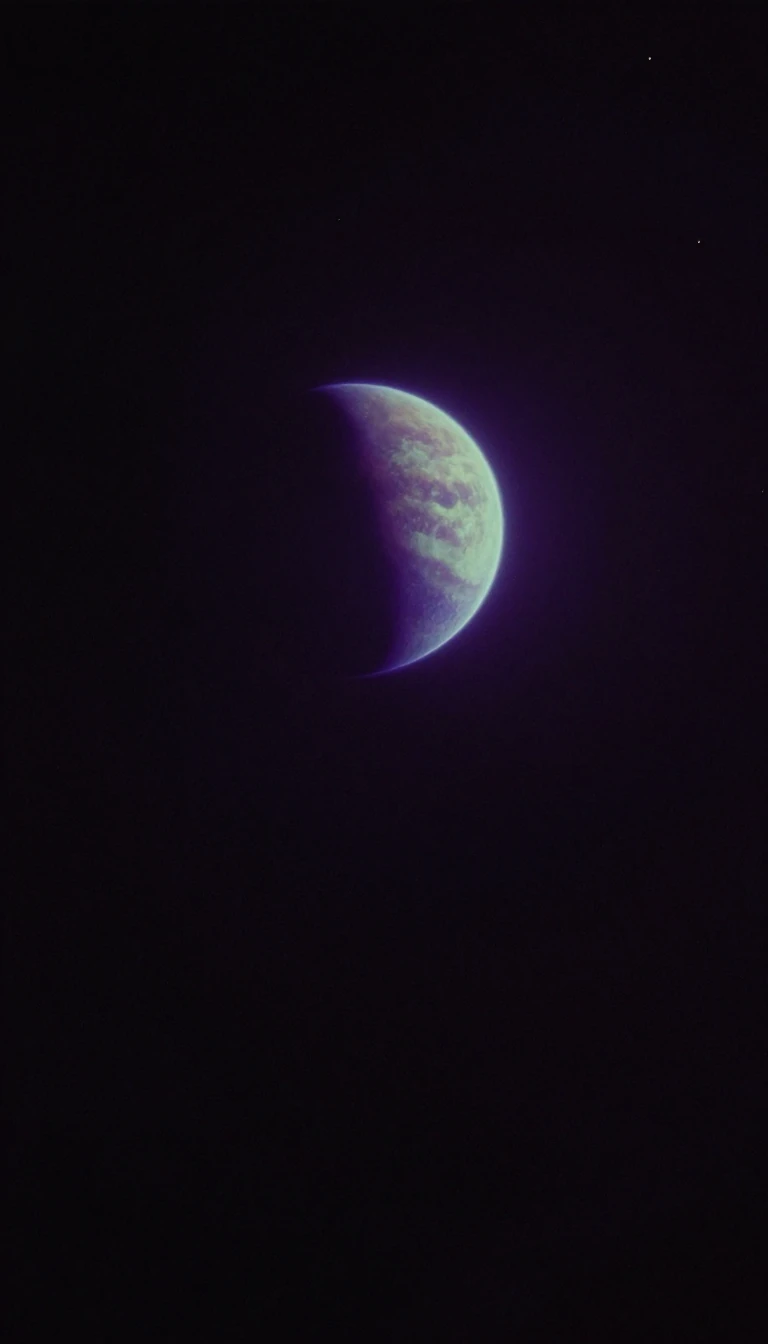
In short: While most zodiac signs represent animals or mythological figures, Libra stands alone as the celestial scales. This faint constellation, tucked between Scorpius and Virgo, holds a rich history of shifting identities and cosmic mysteries, from ancient equinox markers to some of the oldest stars and most debated exoplanets ever discovered.
The constellation of Libra, Latin for weighing scales, occupies a unique place in the night sky. Unlike its neighbors, it is the only zodiac member named for an inanimate object. This distinction is relatively modern in the context of its long history; ancient Greeks viewed these stars as the claws of the scorpion, a legacy that persists in the Arabic names of its brightest stars, Zubenelgenubi and Zubeneschamali, meaning southern and northern claw respectively.
Libra once marked the autumnal equinox, a time when day and night are equal in length, which likely solidified its cultural association with balance and justice. However, the precession of the equinoxes caused this alignment to shift. By 729 BCE, the sun had moved into Virgo during the equinox, and by 2439, it will transition into Leo. This slow celestial drift underscores the dynamic nature of our view from Earth.
Beyond its mythology, Libra hosts profound scientific enigmas. It contains the subgiant star HD 140283, nicknamed Methuselah. Early measurements suggested an age of 16 billion years, which created a paradox as it exceeded the 13.8 billion-year age of the universe. Refined estimates now place the star at approximately 14.46 billion years, with a margin of error of 800 million years, keeping it among the oldest known stars.
The constellation is also a focal point for exoplanetary research, particularly the Gliese 581 system. While early excitement surrounded the potential habitability of planets like Gliese 581c and 581d, subsequent analysis has tempered these claims, with some candidates now considered unlikely to exist. Despite these controversies, Libra remains a vital laboratory for astronomers probing the limits of our understanding of the cosmos.
Opens the Intellect+ feed with this card first. Swipe up for the next one.
Sources
- Summary by Intellect · source: Libra Constellation: Facts About the Scales
- Also: Libra (constellation)
To cite this card, link to https://intellectplus.co.uk/app/space-libra-constellation.
How we source, check and correct cards: Editorial standards.
General information, not professional advice. Spotted an error? Flag the card or see corrections and complaints.
Intellect Plus is a visual educational discovery platform for exploring fascinating facts and ideas. Brain Food, Not Brain Rot. What is Intellect Plus?
Related
More in Celestial sphere · More in Space · Latest · A–Z · All topics
