Why this faint northern constellation requires the sharp eyesight of a lynx to spot
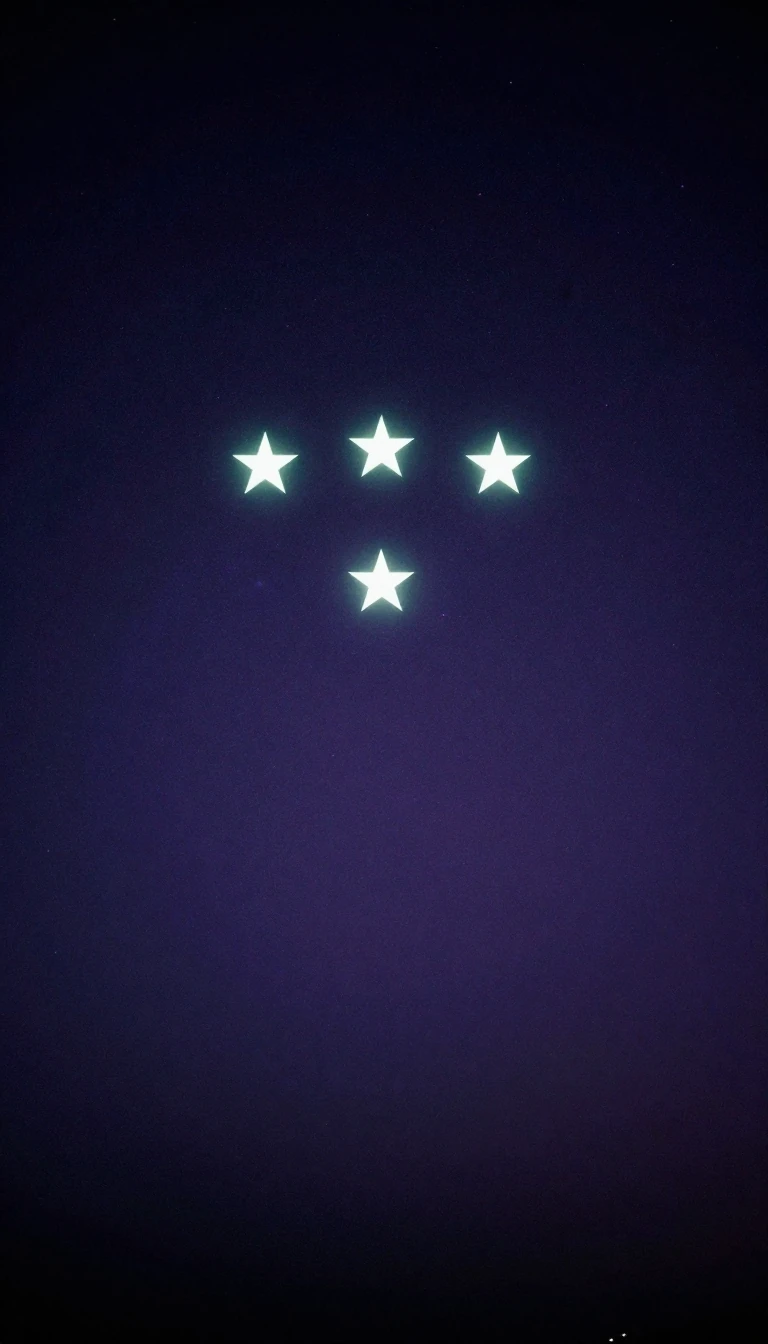
In short: Introduced in 1687 by Johannes Hevelius, the Lynx constellation is notoriously difficult to discern. Composed of faint stars scattered between Ursa Major and Auriga, Hevelius named it for the wild cat, claiming only those with exceptionally keen vision could identify its zigzag pattern against the dark night sky.
Johannes Hevelius created Lynx from 19 faint stars that were previously part of the obsolete Jordanus Fluvius. Hevelius, a Polish astronomer, famously challenged future observers by stating that only the lynx-eyed could recognize the formation. While he also considered the name Tigris for his catalog, he ultimately settled on Lynx in his atlas. The constellation was later adopted by English astronomer John Flamsteed in his 1712 catalog.
Covering 545.4 square degrees, Lynx ranks 28th in size among the 88 recognized constellations. Its brightest star, Alpha Lyncis, is an orange giant located approximately 203 light-years away, shining with a visual magnitude of 3.14. Despite its faintness, the region is rich in astronomical phenomena. It contains NGC 2419, an unusually remote globular cluster nicknamed the Intergalactic Wanderer, and the Lynx Supercluster, which held the record for the most distant known supercluster when discovered in 1999.
The constellation also serves as a window into extreme cosmic events. The galaxy NGC 2770 has hosted three recent Type Ib supernovae, including SN 2008D, which was the first detected via X-rays during its initial formation. Furthermore, the Lynx Arc—a distant region located 12 billion light-years away—contains a million extremely hot, young blue stars. These stars, with surface temperatures reaching 100,000 K, represent the intense star-birth activity common in the early universe, visible today only through the gravitational lensing of closer galaxy clusters.
Opens the Intellect+ feed with this card first. Swipe up for the next one.
Sources
- Summary by Intellect · source: Lynx (constellation)
- Also: Lynx | Night Sky, Stars, Celestial | Britannica
To cite this card, link to https://intellectplus.co.uk/app/space-lynx-constellation.
How we source, check and correct cards: Editorial standards.
General information, not professional advice. Spotted an error? Flag the card or see corrections and complaints.
Intellect Plus is a visual educational discovery platform for exploring fascinating facts and ideas. Brain Food, Not Brain Rot. What is Intellect Plus?
Related
More in Celestial sphere · More in Space · Latest · A–Z · All topics
