The mantle is the hidden engine that defines the scale of our solar system
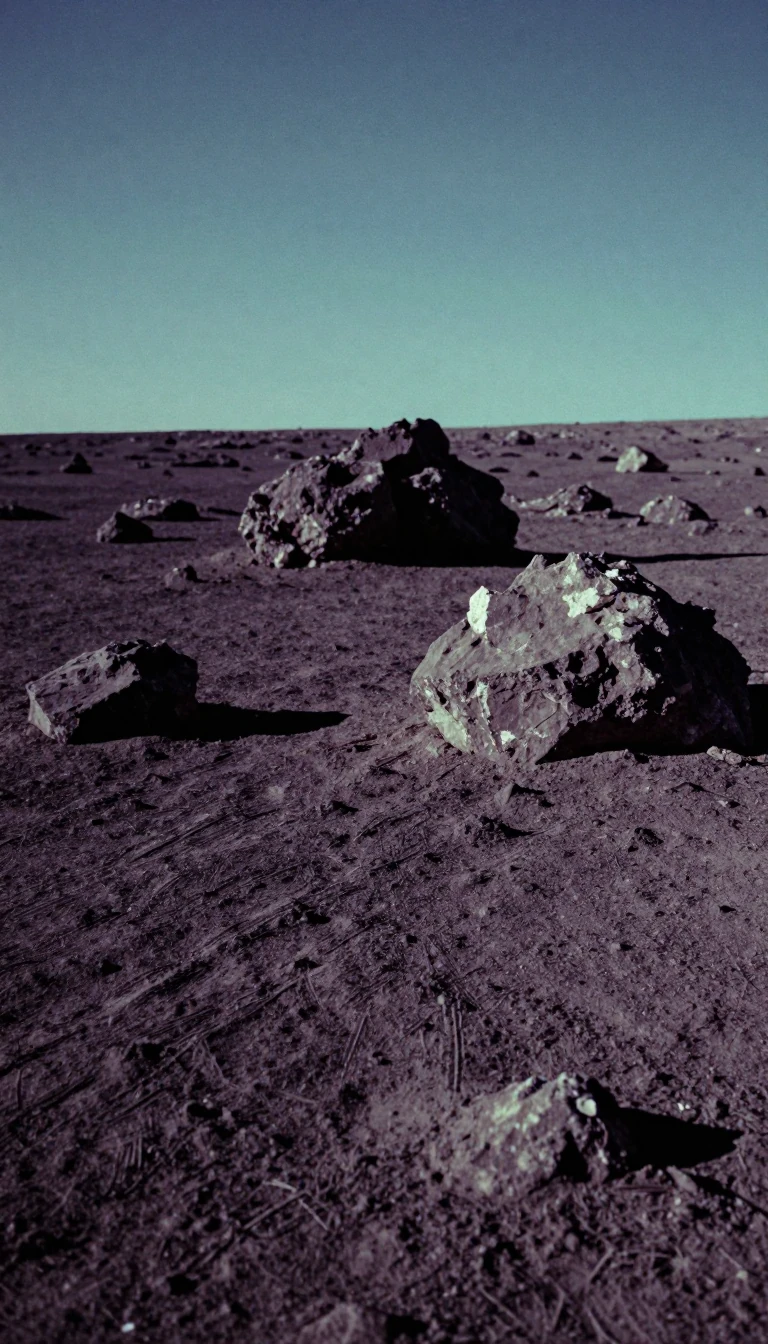
In short: Beneath the thin crust of every terrestrial planet lies a massive, viscous layer of rock or ice. These mantles are the largest components of planetary bodies, driving geological evolution through differentiation. From the silicate depths of Earth to the frozen shells of ice giants, these layers dictate planetary destiny.
A mantle is defined as the layer situated between a planetary core and its outer crust. These structures emerge in bodies that have undergone density-driven differentiation, effectively separating materials by weight. While they appear solid to the human eye, mantles behave as viscous fluids over geological timescales, acting as the primary engine for crustal formation. On Earth, for instance, the partial melting of the mantle at mid-ocean ridges and subduction zones is responsible for generating both oceanic and continental crusts.
The composition and scale of these layers vary wildly across the solar system. Earth's silicate mantle accounts for 84% of its total volume, yet it represents only 67% of the planet's mass. In contrast, the ice mantles of Uranus and Neptune are gargantuan, reaching 30,000 kilometers in thickness and comprising 80% of their respective masses. Smaller bodies also host these structures; for example, the asteroid Vesta possesses a silicate mantle comparable to diogenite meteorites, while Jupiter's moons Io, Europa, and Ganymede feature complex silicate mantles often capped by thick layers of ice or volcanic material.
Scientific understanding of these deep interiors relies on indirect observation and seismic data. The Earth's moon, for example, shows a seismic discontinuity at a depth of approximately 500 kilometers, suggesting a significant shift in composition within its 1,300 to 1,400-kilometer-thick mantle. Researchers continue to probe these mysteries through ambitious endeavors like the Mohole Project and specialized drilling initiatives. By studying these internal layers, scientists can better understand the thermal and structural history of the planets, moons, and asteroids that populate our cosmic neighborhood.
Opens the Intellect+ feed with this card first. Swipe up for the next one.
Sources
- Summary by Intellect · source: Mantle (geology)
To cite this card, link to https://intellectplus.co.uk/app/space-mantle-geology.
How we source, check and correct cards: Editorial standards.
General information, not professional advice. Spotted an error? Flag the card or see corrections and complaints.
Intellect Plus is a visual educational discovery platform for exploring fascinating facts and ideas. Brain Food, Not Brain Rot. What is Intellect Plus?
Related
More in Planetary science · More in Space · Latest · A–Z · All topics
