The Southern Pinwheel is a stellar nursery hiding nearly three hundred supernova remnants
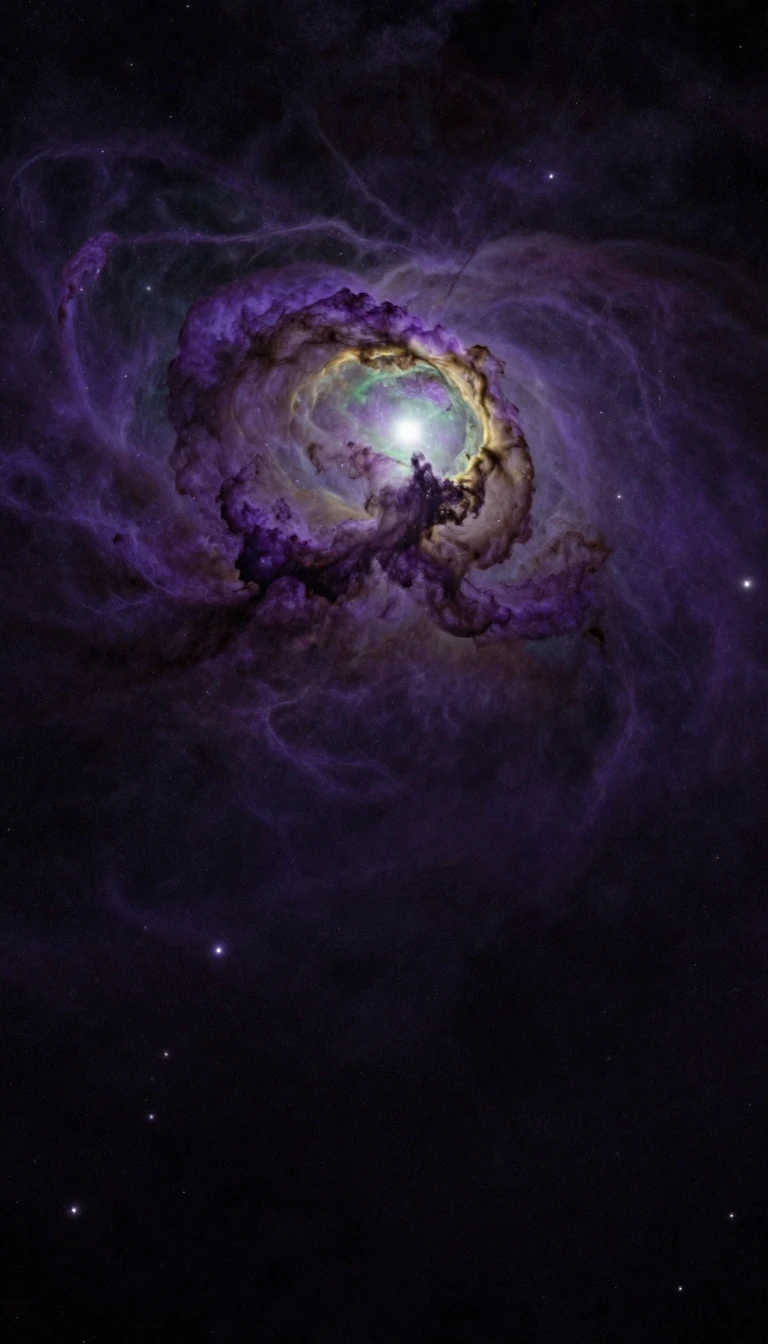
In short: Located 15 million light-years away, the Southern Pinwheel galaxy is one of the brightest spiral galaxies visible from Earth. Beyond its striking appearance, this massive structure serves as a cosmic laboratory, where astronomers study the remnants of past stellar explosions to understand how they fuel the birth of new stars.
Discovered in 1752 by French astronomer Nicolas Louis de Lacaille, Messier 83—or M83—is a grand design barred spiral galaxy situated in the constellation Hydra. With an apparent magnitude of 7.5, it remains a favorite target for observers using binoculars, particularly during the month of June. The galaxy is physically massive, spanning approximately 118,000 light-years in diameter, and anchors one of the two subgroups within the Centaurus A/M83 galaxy group.
The galaxy is a prolific site of star formation, which occurs most intensely along the leading edges of its dark, spiraling dust lanes. These young stellar clusters, often only a few million years old, emit intense ultraviolet light that causes surrounding gas clouds to glow with a distinct pinkish hue. While star formation was once thought to be limited to the inner regions, observations have revealed significant activity in the galaxy's outer reaches, challenging previous assumptions about the availability of materials for stellar genesis.
M83 is also a graveyard of massive stars. Hubble imagery has identified nearly 300 supernova remnants within the galaxy. By analyzing these remnants, researchers can trace how exploded stars disperse nuclear-processed chemical elements back into the interstellar medium. This recycling process is essential for the formation of subsequent generations of stars. Furthermore, the galaxy has been the site of six observed supernovae, including SN 1983N, which provided critical data on the nature of hydrogen-deficient stellar explosions. Recent studies even suggest the potential presence of a supermassive black hole at the galaxy's core, adding another layer to our understanding of this complex celestial neighbor.
Opens the Intellect+ feed with this card first. Swipe up for the next one.
Sources
- Summary by Intellect · source: Messier 83 (The Southern Pinwheel) - NASA Science
- Also: Messier 83
To cite this card, link to https://intellectplus.co.uk/app/space-messier-83.
How we source, check and correct cards: Editorial standards.
General information, not professional advice. Spotted an error? Flag the card or see corrections and complaints.
Intellect Plus is a visual educational discovery platform for exploring fascinating facts and ideas. Brain Food, Not Brain Rot. What is Intellect Plus?
Related
More in Astronomical objects · More in Space · Latest · A–Z · All topics
