Miranda is a celestial Frankenstein, pieced together from mismatched geological terrains.
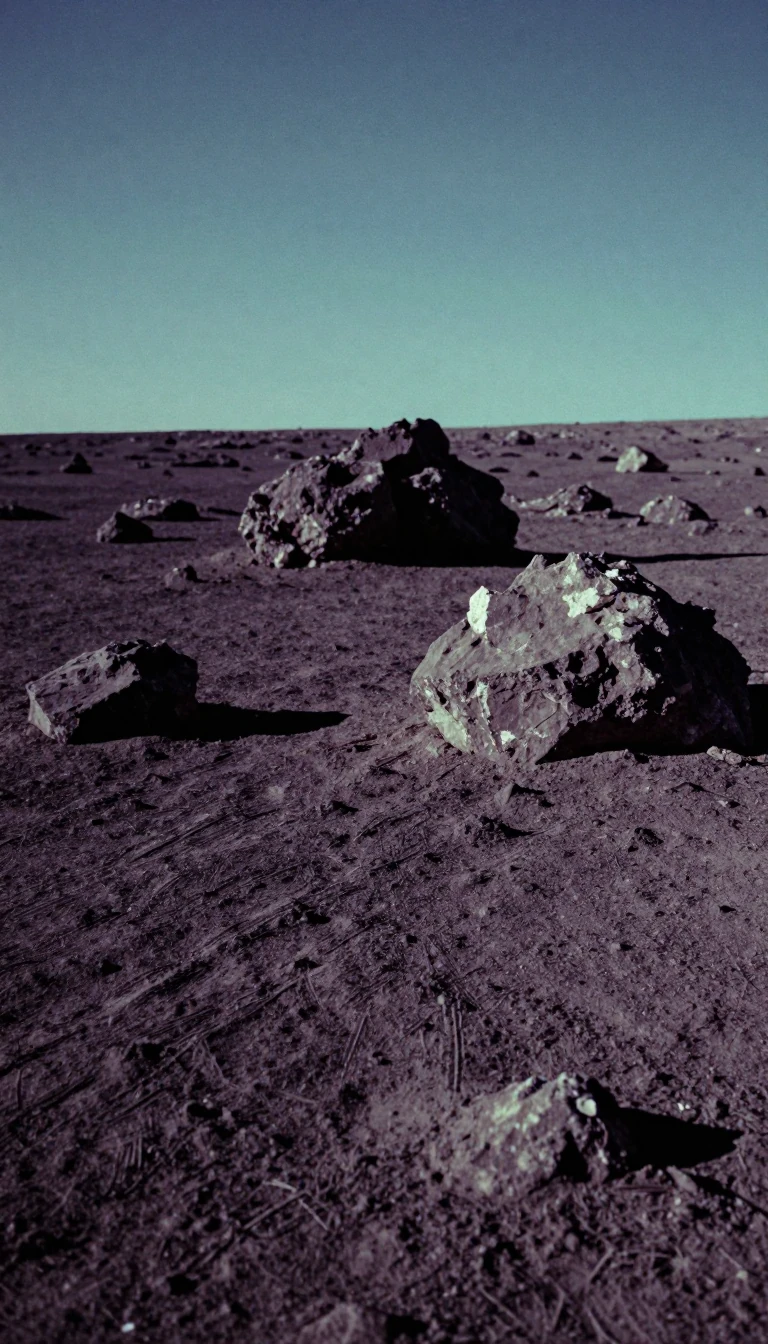
In short: Uranus's smallest major moon looks like a moth-eaten coat stitched from disparate parts. With canyons 12 times deeper than the Grand Canyon and a surface of chaotic ridges, Miranda defies standard planetary expectations. Scientists are still debating whether this bizarre landscape resulted from a colossal collision or internal volcanic upheaval.
Discovered by Gerard P. Kuiper in 1948, Miranda remained a mystery until Voyager 2 performed a flyby in 1986. At roughly 500 kilometers in diameter, this moon is far too small to sustain the tectonic activity typically required to create such extreme topography. Yet, it features unique geological structures known as coronae—collections of ridges and valleys that appear as sharp, mismatched patches against older, cratered terrain. These features are so dramatic that a rock dropped from its highest cliff would take 10 minutes to reach the bottom due to the moon's low gravity.
The origin of this landscape is a subject of intense scientific debate. One leading hypothesis suggests that Miranda was once shattered in a massive collision, with its fragments haphazardly reassembling into the current, jumbled sphere. An alternative theory posits that the coronae are the result of intense meteorite strikes that partially melted the icy subsurface. This process would have allowed slushy water to rise to the surface and refreeze, creating the moon's varied, porous texture over eons.
Miranda is also notable for its unusual orbital inclination, which is significantly higher than that of its neighboring Uranian moons. While it is thought to be composed of roughly equal parts water ice and silicate rock, its surface is darkened by carbonaceous material, reflecting only about one-third of the sunlight it receives. Because it is tidally locked, it always presents the same face to Uranus, leaving much of its history and composition hidden in the shadows of its complex, fractured surface.
Opens the Intellect+ feed with this card first. Swipe up for the next one.
Sources
- Summary by Intellect · source: Miranda - NASA Science
- Also: Miranda (moon)
To cite this card, link to https://intellectplus.co.uk/app/space-miranda-moon.
How we source, check and correct cards: Editorial standards.
General information, not professional advice. Spotted an error? Flag the card or see corrections and complaints.
Intellect Plus is a visual educational discovery platform for exploring fascinating facts and ideas. Brain Food, Not Brain Rot. What is Intellect Plus?
Related
More in Astronomical objects · More in Space · Latest · A–Z · All topics
