Our Moon was born from a violent, planet-sized collision billions of years ago.
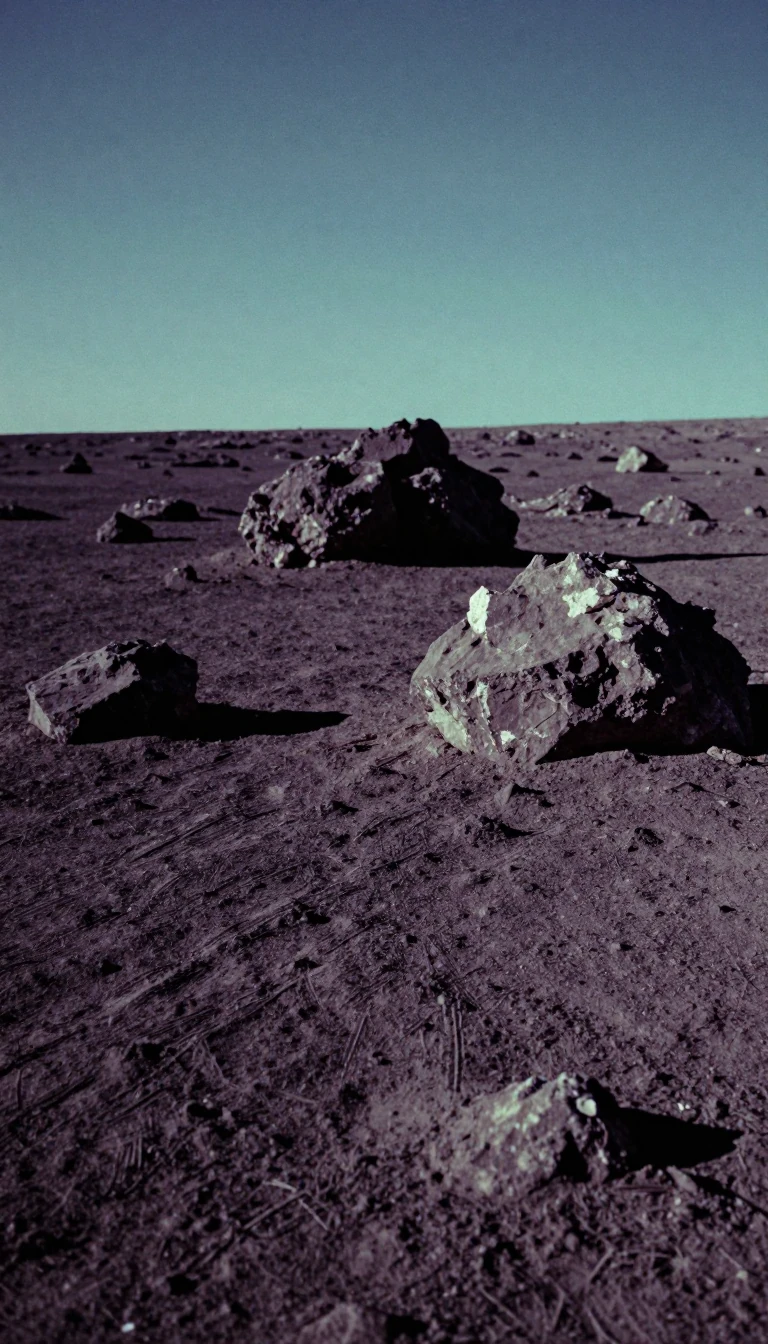
In short: Earth’s Moon is not a captured wanderer or a twin formed in tandem. Instead, it is a product of destruction. Roughly 4.5 billion years ago, a massive impact between Earth and a Mars-sized object vaporized rock and flung debris into space, eventually coalescing into the satellite we see today.
The giant-impact hypothesis emerged as the dominant explanation for lunar origins following the Apollo missions. By analyzing 842 pounds of lunar samples, scientists discovered that the Moon’s mantle shares striking chemical similarities with Earth’s, including nearly identical oxygen and titanium isotope signatures. This suggests the Moon was once part of Earth, rather than a separate body captured by our gravity.
The mechanics of this event were cataclysmic. A Mars-sized body, often called Theia, likely struck the proto-Earth in a glancing blow, vaporizing and melting trillions of tonnes of material. This high-energy event explains why the Moon is depleted in volatile elements—which would have escaped as gas—and why its iron core is so small compared to Earth’s. The energy from the collision and subsequent reaccretion of debris created a deep, global magma ocean that lasted for millions of years.
Despite the hypothesis's success, modern geochemical measurements have introduced new complexities. The extreme isotopic similarity between Earth and the Moon is difficult to reconcile with models that suggest the Moon is primarily made of material from the impactor. Furthermore, the discovery of indigenous water in lunar rocks challenges the idea that the Moon formed in a completely dry, high-energy environment. Scientists continue to refine these models, using data from lunar meteorites and surface reflectors—which show the Moon is currently receding from Earth at about 1.5 inches per year—to piece together this ancient, chaotic history.
Opens the Intellect+ feed with this card first. Swipe up for the next one.
Sources
- Summary by Intellect · source: Moon Formation - NASA Science
- Also: The Origin of the Moon : Nature Geoscience
- Also: Origin of the Moon
To cite this card, link to https://intellectplus.co.uk/app/space-origin-of-the-moon.
How we source, check and correct cards: Editorial standards.
General information, not professional advice. Spotted an error? Flag the card or see corrections and complaints.
Intellect Plus is a visual educational discovery platform for exploring fascinating facts and ideas. Brain Food, Not Brain Rot. What is Intellect Plus?
Related
More in Astronomical objects · More in Space · Latest · A–Z · All topics
