Why the archer of the zodiac points its arrow at the heart of Scorpius
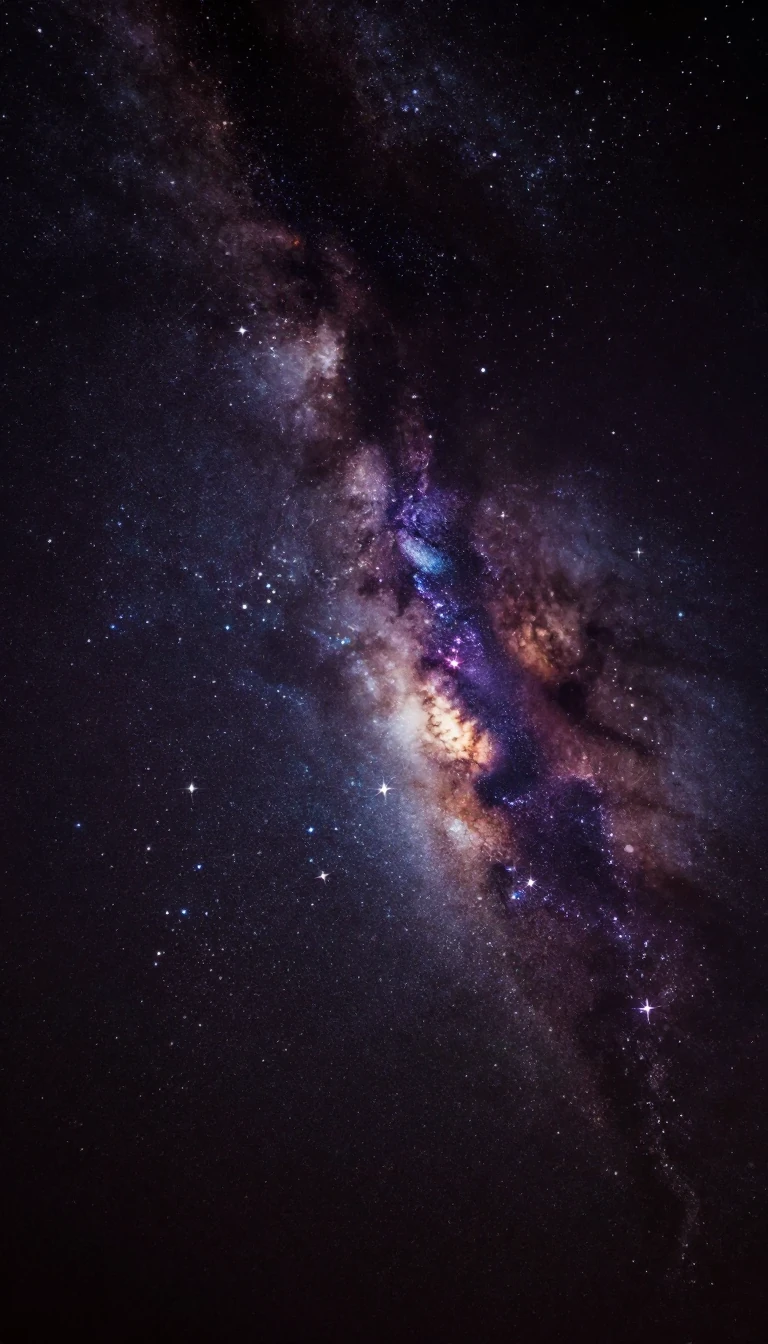
In short: Sagittarius is more than a zodiac sign; it is a celestial gateway. Home to the Milky Way's galactic center and a supermassive black hole, this constellation hides ancient Babylonian myths and a teapot-shaped asterism within its stars. Discover the cosmic significance of the archer that marks the summer sky.
Sagittarius, the archer, is a prominent constellation in the Southern celestial hemisphere, famously depicted as a centaur drawing a bow. Its brightest stars form the recognizable Teapot asterism, a feature that serves as a guide to the dense star clouds of the Milky Way. The constellation is rich in astronomical phenomena, including the Lagoon, Omega, and Trifid nebulae, as well as numerous star clusters. Most significantly, the western portion of Sagittarius contains the Galactic Center, where the radio source Sagittarius A* is associated with a supermassive black hole estimated at 2.6 million solar masses.
The constellation’s history is as deep as its space. Ptolemy listed it among his 48 constellations in the 2nd century, though its roots extend to the Babylonian god Nergal, often depicted as a winged, two-headed centaur. In the Arab world, stars within the Teapot were traditionally viewed as ostriches drinking from or returning from the Milky Way, which they perceived as a river. Other asterisms, such as the Terebellum, have been interpreted as everything from a quadrilateral to a drill by various cultures throughout history.
Observing Sagittarius depends heavily on geography and time. While it is a summer feature in the northern hemisphere, it remains invisible or low on the horizon for locations north of 43°N. Due to the precession of the equinoxes, the Sun's position at the December solstice has shifted from Capricorn to Sagittarius since the Roman Empire, and it is expected to move into Scorpius by approximately 2700 AD. Today, the region remains a focal point for modern exploration, from the 2015 discovery of a nova to the trajectory of the New Horizons probe, which is currently moving through the sky in front of the constellation.
Opens the Intellect+ feed with this card first. Swipe up for the next one.
Sources
- Summary by Intellect · source: Sagittarius (constellation)
To cite this card, link to https://intellectplus.co.uk/app/space-sagittarius-constellation.
How we source, check and correct cards: Editorial standards.
General information, not professional advice. Spotted an error? Flag the card or see corrections and complaints.
Intellect Plus is a visual educational discovery platform for exploring fascinating facts and ideas. Brain Food, Not Brain Rot. What is Intellect Plus?
Related
More in Celestial sphere · More in Space · Latest · A–Z · All topics
