A tiny shield in the night sky hides some of the universe's largest stars.
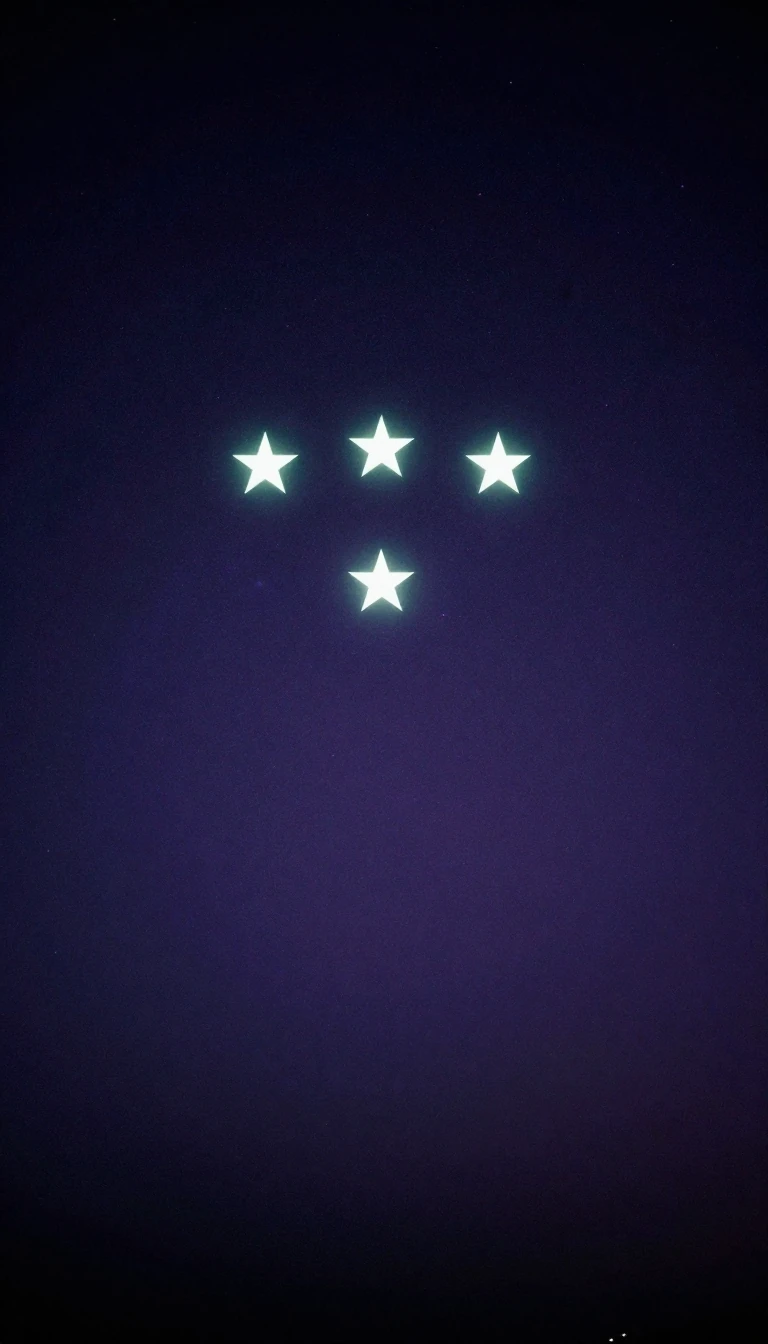
In short: Scutum is one of the smallest constellations, yet it packs immense celestial power. Named to honor a 17th-century military victory, this modest patch of sky contains record-breaking red supergiants and one of the richest open star clusters known to astronomers. It is a small space with a massive story.
Originally named Scutum Sobiescianum by Polish astronomer Johannes Hevelius in 1684, the constellation was created to commemorate King John III Sobieski’s victory at the Battle of Vienna. While the name was eventually shortened to Scutum, meaning shield, the stars had long been associated with battle armor; the Chinese identified them as Tien Pien, or the Heavenly Casque. In 1922, the International Astronomical Union officially adopted Scutum as one of the 88 constellations that map the entire sky.
Despite its small size, Scutum is a treasure trove for deep-sky observers. It houses the Wild Duck Cluster, M11, a dense collection of approximately 3,000 stars located 6,200 light-years away. Discovered and named by William Henry Smyth in 1844, the cluster is estimated to be around 220 million years old, though some researchers suggest higher ages. The region is also home to some of the largest stars ever documented, including the red supergiant UY Scuti, which boasts a radius exceeding 900 times that of our Sun, and RSGC1-F01, which reaches over 1,450 times the solar radius.
The constellation also serves as a future waypoint for humanity's reach into the cosmos. The Pioneer 11 space probe is currently traveling in the direction of Scutum, though it will not pass near any of the constellation's stars for over a million years. Closer to home, the star Delta Scuti is moving toward our Solar System. Within 1.3 million years, it will approach within 10 light-years of Earth, becoming significantly brighter than Sirius in our night sky. This dynamic region remains a focal point for studying stellar evolution and the immense scale of supergiant star clusters.
Opens the Intellect+ feed with this card first. Swipe up for the next one.
Sources
- Summary by Intellect · source: Scutum (constellation)
To cite this card, link to https://intellectplus.co.uk/app/space-scutum-constellation.
How we source, check and correct cards: Editorial standards.
General information, not professional advice. Spotted an error? Flag the card or see corrections and complaints.
Intellect Plus is a visual educational discovery platform for exploring fascinating facts and ideas. Brain Food, Not Brain Rot. What is Intellect Plus?
Related
More in Celestial sphere · More in Space · Latest · A–Z · All topics
