Why a simple slice of silicon dioxide became the world's most accurate timekeeper
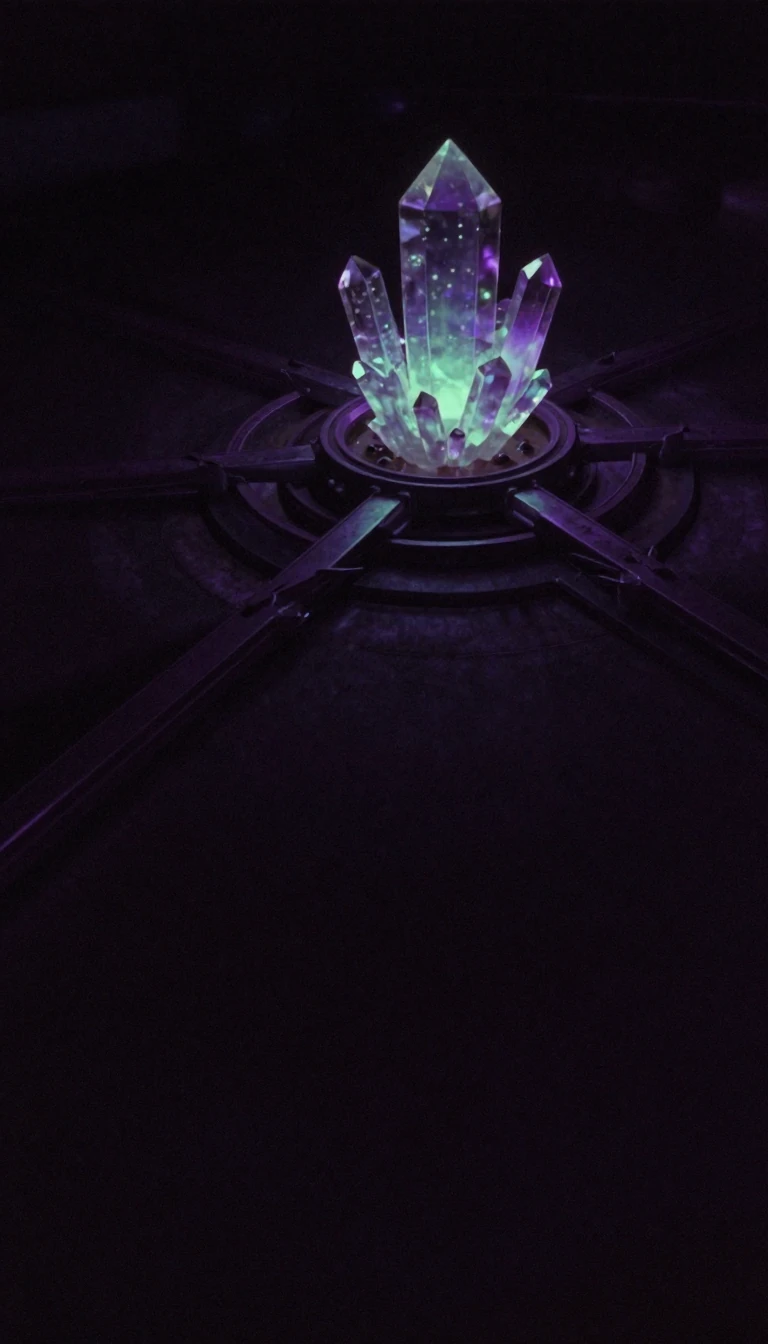
In short: Quartz clocks rely on the piezoelectric effect, where a crystal vibrates at a precise frequency when electrified. By dividing these rapid oscillations into a one-second pulse, these devices achieved accuracy far beyond mechanical predecessors. Today, this technology powers everything from your wristwatch to the computers running our modern world.
The secret to quartz timekeeping lies in the material's unique physical properties. Quartz is silicon dioxide, a piezoelectric substance that generates an electrical charge when stressed and physically bends when an electric current is applied. This allows the crystal to act as its own resonator, eliminating the need for complex transducers. In the 1920s, researchers like Walter Guyton Cady and Warren Marrison realized that this stability surpassed traditional steel resonators and pendulum clocks, leading to the first quartz clock at Bell Labs in 1927.
Modern quartz clocks typically use a crystal cut into a tuning-fork shape, vibrating at 32,768 Hz. This specific frequency is a power of two, allowing a simple chain of 15 flip-flop circuits to divide the signal down to a perfect one-second pulse. While temperature fluctuations are the primary enemy of accuracy, manufacturers mitigate this by using stable crystal cuts, thermal compensation, or by leveraging the human body as a natural oven to maintain a consistent operating temperature.
Despite their precision, quartz crystals are not immune to the passage of time. They experience aging, where the frequency shifts slightly due to stress relief in the mounting or surface contamination. High-end manufacturers combat this by pre-aging crystals at high temperatures before assembly. While early experts in 1929 doubted quartz would ever be affordable for domestic use, the 1960s advent of solid-state electronics transformed these laboratory behemoths into the ubiquitous, inexpensive, and highly reliable timekeepers we rely on today.
Opens the Intellect+ feed with this card first. Swipe up for the next one.
Sources
- Summary by Intellect · source: Quartz clock
To cite this card, link to https://intellectplus.co.uk/app/space-quartz-clock.
How we source, check and correct cards: Editorial standards.
General information, not professional advice. Spotted an error? Flag the card or see corrections and complaints.
Intellect Plus is a visual educational discovery platform for exploring fascinating facts and ideas. Brain Food, Not Brain Rot. What is Intellect Plus?
Related
More in Navigation and timekeeping · More in Space · Latest · A–Z · All topics
