Why your thumb is the weakest link in measuring a record-breaking sprint
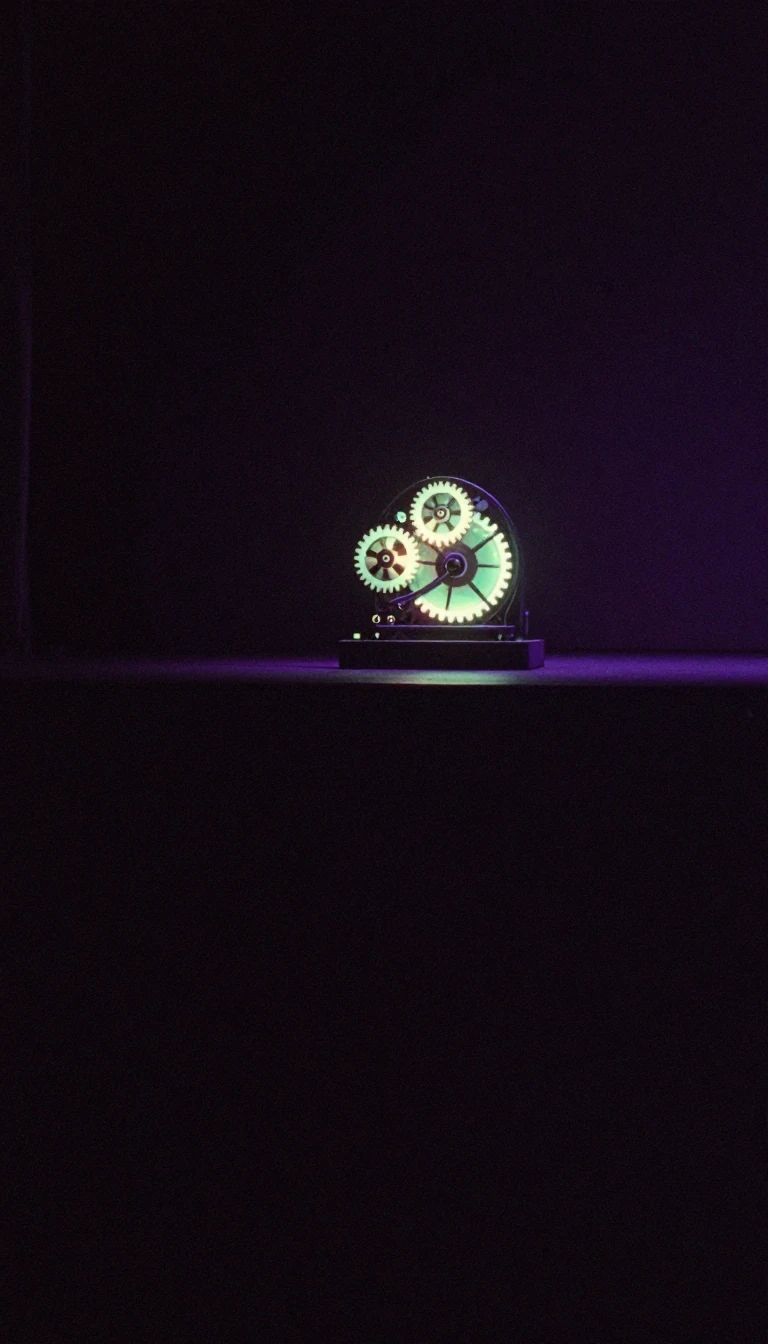
In short: A stopwatch is designed for precision, yet human reaction time introduces a persistent margin of error. While we rely on manual button presses to capture elapsed time, our biological delay creates a gap between reality and the display. Understanding this mechanical versus human divide reveals how we truly measure the fleeting.
At its core, a stopwatch is a specialized timepiece engineered to track the duration between activation and deactivation. Traditional mechanical versions rely on a mainspring that requires manual winding, whereas modern digital iterations utilize crystal oscillators. These electronic devices offer superior accuracy and often incorporate microchips capable of displaying dates or interfacing with external sensors to eliminate human error entirely.
The inherent challenge in manual timing lies in human physiology. Research indicates that individuals typically require 180 to 200 milliseconds to process and react to visual stimuli. While anticipatory cues during events like sprints can mitigate this delay, manual measurements still exhibit an average error of approximately 0.04 seconds when benchmarked against fully automated electronic systems. This discrepancy highlights why high-stakes environments increasingly favor sensor-triggered timing.
Innovation in this field has evolved significantly since Samuel Watson created the first stopwatch. By 1962, Cox Electronic Systems introduced the Digitimer, which utilized Nixie-tube technology to achieve a resolution of one-thousandth of a second. Initially deployed in ski racing, this technology was subsequently adopted by major athletic organizations, including the World University Games held in Russia, the American collegiate sports association, and various Olympic qualifying events.
Beyond sports, the stopwatch remains a staple in laboratory settings where precision is paramount. Scientists often utilize the International System of Units, though specialized mechanical stopwatches exist that divide a minute into 100 decimal units, each lasting 0.6 seconds, to simplify complex calculations. Today, the functionality once reserved for standalone devices is ubiquitous, integrated into everything from smartphones to computer operating systems.
Opens the Intellect+ feed with this card first. Swipe up for the next one.
Sources
- Summary by Intellect · source: Stopwatch
To cite this card, link to https://intellectplus.co.uk/app/space-stopwatch.
How we source, check and correct cards: Editorial standards.
General information, not professional advice. Spotted an error? Flag the card or see corrections and complaints.
Intellect Plus is a visual educational discovery platform for exploring fascinating facts and ideas. Brain Food, Not Brain Rot. What is Intellect Plus?
Related
More in Navigation and timekeeping · More in Space · Latest · A–Z · All topics
