The Milky Way's massive Scutum–Centaurus Arm is a cosmic nursery of giant stars
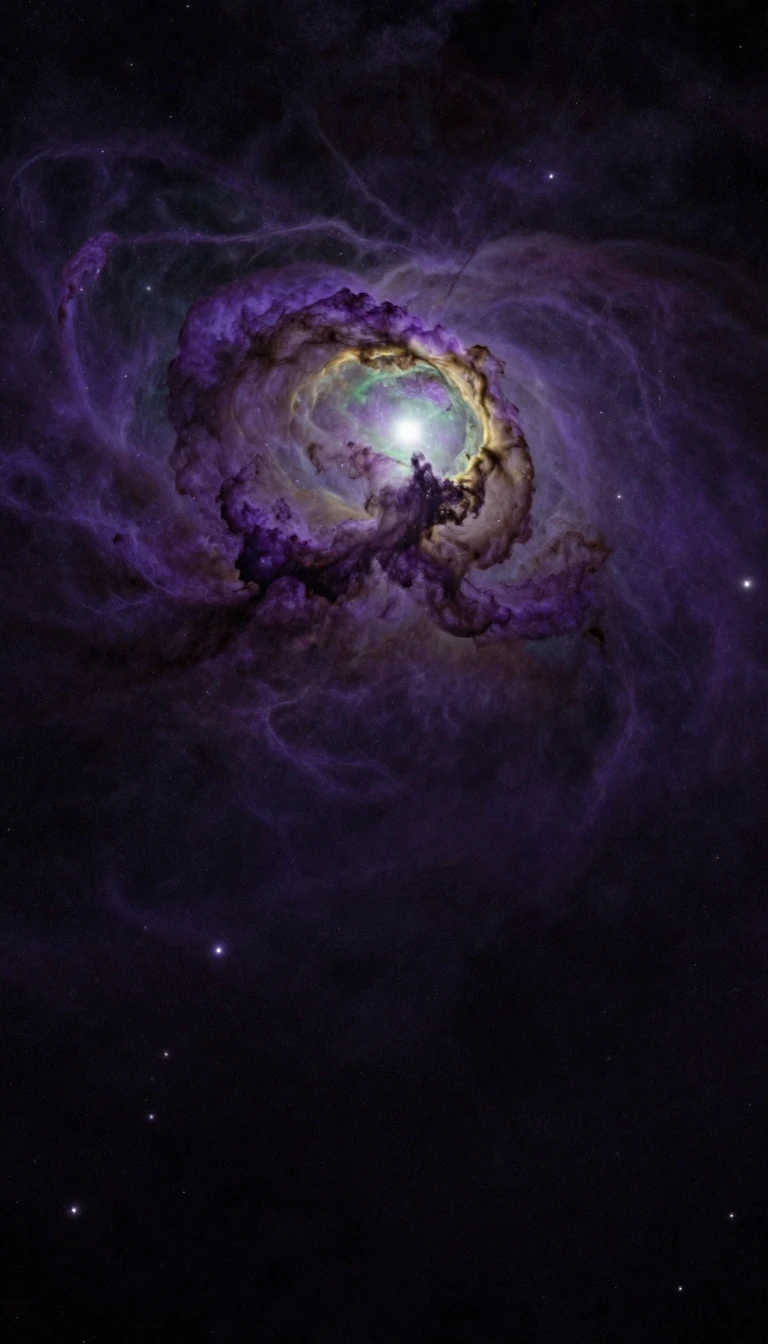
In short: Spiraling outward from the Milky Way's central bar, the Scutum–Centaurus Arm is a vast, diffuse structure of gas, dust, and stars. While astronomers have long debated the exact number of spiral arms in our galaxy, this region stands out as a remarkably active hub of intense star formation.
The Scutum–Centaurus Arm, sometimes referred to as the Scutum-Crux arm, serves as a primary structural component of our galaxy. It originates near the galactic center as the Scutum Arm before transitioning into the Centaurus Arm. Positioned between the minor Carina–Sagittarius and Norma arms, it represents a critical piece of the Milky Way's complex architecture. Since the 1950s, the prevailing model has suggested the galaxy possesses four spiral arms, though this remains a subject of ongoing scientific scrutiny and nuance.
The debate over the galaxy's true shape gained intensity in 2008, when observations from the Spitzer Space Telescope failed to detect the anticipated density of red clump giants in the Carina–Sagittarius and Norma arms. However, subsequent research has provided more clarity. A 12-year investigation into the lifespan and distribution of massive stars, alongside a 2013 study tracking masers and open clusters, offered significant evidence supporting the four-arm model. While researchers stop short of calling these findings irrefutable, they provide a strong framework for understanding our galactic neighborhood.
The connection point between the Scutum–Centaurus Arm and the central bar is a hotbed of stellar activity. This region is densely packed with star-forming zones and open clusters. Notable discoveries include RSGC1, a large cluster of new stars identified in 2006 that contains 14 red supergiants. Nearby, the 2007 discovery of RSGC2 revealed a massive grouping of approximately 50,000 stars, including 26 red supergiants—the largest such collection ever recorded. Estimated to be less than 20 million years old, RSGC2 sits just a few hundred light-years from RSGC1, alongside other significant clusters like RSGC3 and Alicante 8.
Opens the Intellect+ feed with this card first. Swipe up for the next one.
Sources
- Summary by Intellect · source: Scutum–Centaurus Arm
To cite this card, link to https://intellectplus.co.uk/app/space-scutum-centaurus-arm.
How we source, check and correct cards: Editorial standards.
General information, not professional advice. Spotted an error? Flag the card or see corrections and complaints.
Intellect Plus is a visual educational discovery platform for exploring fascinating facts and ideas. Brain Food, Not Brain Rot. What is Intellect Plus?
Related
More in Astronomical objects · More in Space · Latest · A–Z · All topics
