When the Sun snaps, it sends a billion-bomb explosion toward our planet's magnetic shield.
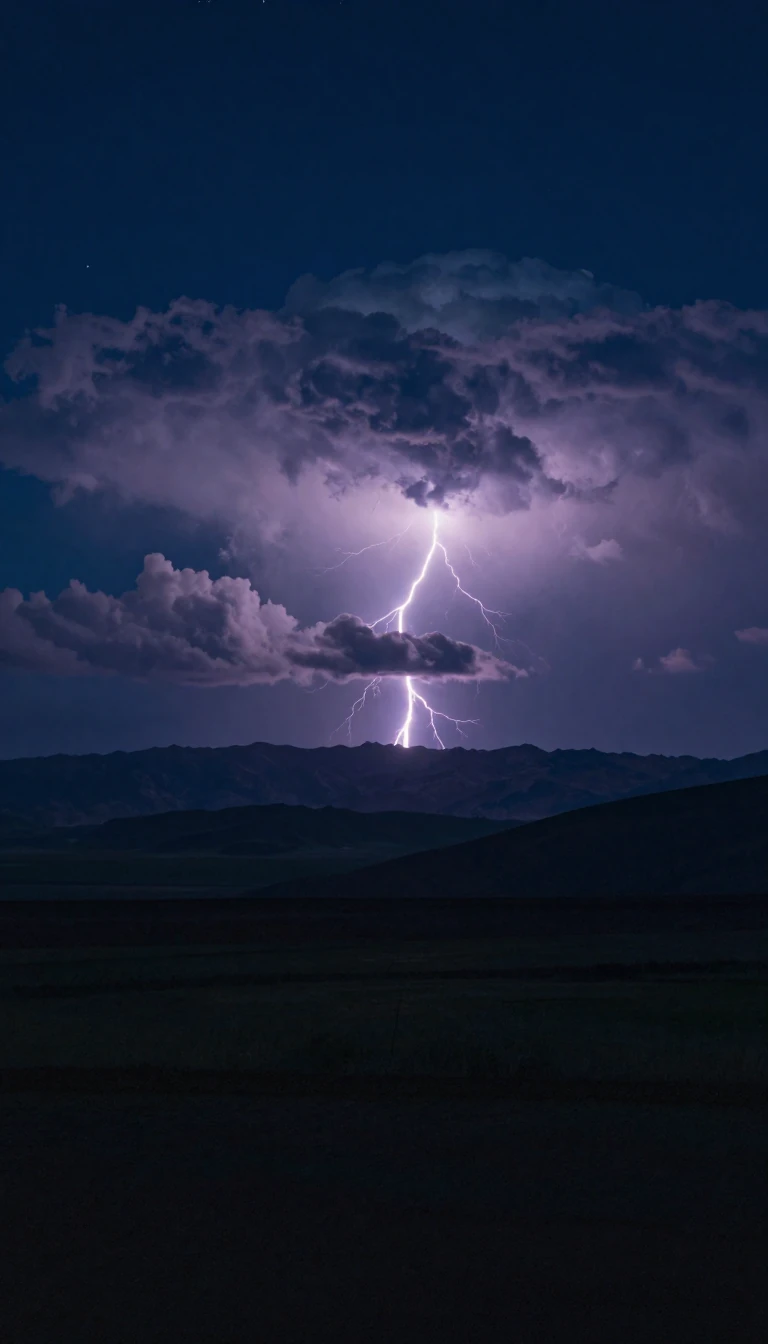
In short: Solar storms are violent eruptions of energy and plasma that can disrupt our modern infrastructure. While Earth's atmosphere and magnetic field keep us safe on the ground, these solar outbursts can trigger radio blackouts, damage satellite hardware, and induce electrical currents that threaten power grids across the globe.
Solar storms originate from the Sun's complex magnetic fields, which become twisted and contorted as the equator rotates faster than the poles. When these fields snap and reconnect, they release immense energy in the form of solar flares, radiation storms, and coronal mass ejections (CMEs). Flares are intense bursts of light across the electromagnetic spectrum, while CMEs are massive clouds of plasma that can blast billions of tons of material into space.
The energy from a solar flare travels at the speed of light, reaching Earth in about eight minutes. In contrast, CMEs move more slowly, taking anywhere from 15 hours to several days to arrive. When a CME hits Earth's magnetic environment, it can trigger a geomagnetic storm. These storms heat the upper atmosphere, increasing drag on satellites and potentially causing power outages by inducing electrical currents in ground-based grids.
Radiation storms involve high-speed electrons and protons that can pierce satellite circuits and pose risks to astronauts or passengers in high-flying polar aircraft. While these particles can ionize the atmosphere and alter radio communications, they do not cause direct physical harm to humans on the ground. Instead, they produce the aurora borealis and australis, visible manifestations of the Sun's interaction with our planet's protective magnetic shield.
Scientists classify solar flares by intensity, using a scale where each class—A, B, C, M, and X—represents a 10-fold increase in energy. The most powerful flare ever recorded occurred in 2003, reaching an X28 rating before sensors were overwhelmed. Because X-class flares have no upper limit, they remain a primary focus for heliophysicists studying the potential impacts of space weather on our technology-dependent society.
Opens the Intellect+ feed with this card first. Swipe up for the next one.
Sources
- Summary by Intellect · source: Solar Storms and Flares - NASA Science
- Also: Solar storm
To cite this card, link to https://intellectplus.co.uk/app/space-solar-storm.
How we source, check and correct cards: Editorial standards.
General information, not professional advice. Spotted an error? Flag the card or see corrections and complaints.
Intellect Plus is a visual educational discovery platform for exploring fascinating facts and ideas. Brain Food, Not Brain Rot. What is Intellect Plus?
Related
More in Astronomical objects · More in Space · Latest · A–Z · All topics
