Beyond the clouds, solar storms create a volatile environment for our modern technological infrastructure.
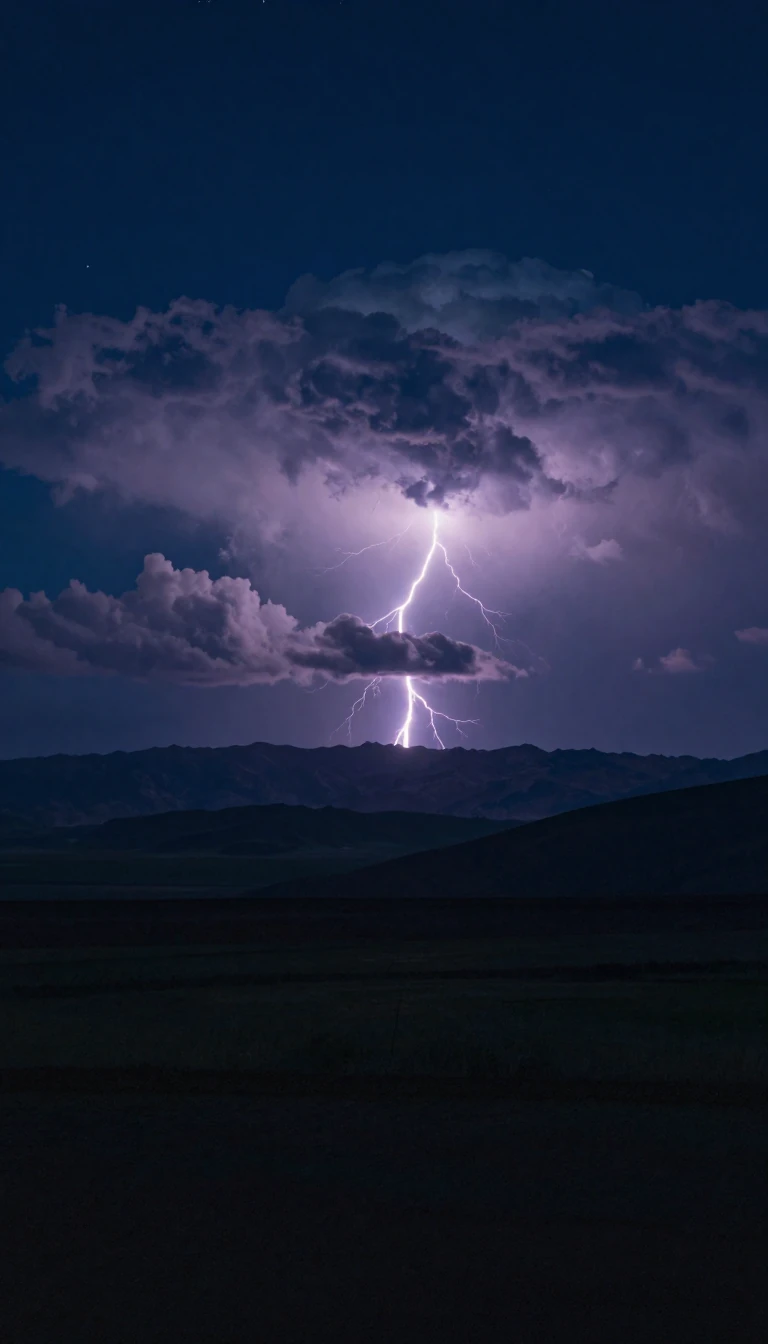
In short: Space weather describes the shifting conditions across the solar system, driven by solar winds and flares. Much like terrestrial weather, these phenomena impact Earth's atmosphere and magnetosphere. As our reliance on satellites and global communication networks grows, understanding these solar-driven disturbances has become essential for protecting our vital technological systems.
Space weather encompasses the dynamic environment of the heliosphere, where solar activity—such as flares and coronal mass ejections—interacts with Earth's magnetic field. While auroras have been observed for centuries, the field matured as we realized these events could disrupt telegraphs, radio signals, and satellite operations. Today, agencies like the Met Office monitor solar wind speeds and proton flux levels to forecast geomagnetic activity, which can range from quiet to minor storm intervals.
The mechanism behind these disturbances often involves solar wind or coronal mass ejections hitting Earth's magnetosphere. When these events occur, they can induce electric currents that affect power grids and satellite electronics. For instance, observations from the GOES-18 satellite track proton flux, providing data that helps experts predict whether incoming solar material will result in a glancing blow or a more significant geomagnetic storm. Such forecasts are critical for aviation and global positioning systems that operate within this sensitive environment.
Global coordination has become the standard for managing these risks. The International Civil Aviation Organization established a space weather advisory program in 2019, designating international consortia to provide essential data. These efforts build on decades of research, from the discovery of the Van Allen radiation belts in 1958 to the systematic monitoring of sunspots. By integrating data from ground-based observatories and space-borne sensors, we now treat space weather as a manageable natural hazard rather than a mysterious celestial phenomenon.
Opens the Intellect+ feed with this card first. Swipe up for the next one.
Sources
- Summary by Intellect · source: Space Weather
- Also: Space weather
To cite this card, link to https://intellectplus.co.uk/app/space-space-weather.
How we source, check and correct cards: Editorial standards.
General information, not professional advice. Spotted an error? Flag the card or see corrections and complaints.
Intellect Plus is a visual educational discovery platform for exploring fascinating facts and ideas. Brain Food, Not Brain Rot. What is Intellect Plus?
Related
More in Astronomical objects · More in Space · Latest · A–Z · All topics
