Could a tiny, ancient red dwarf star harbor seven Earth-sized worlds in its orbit?
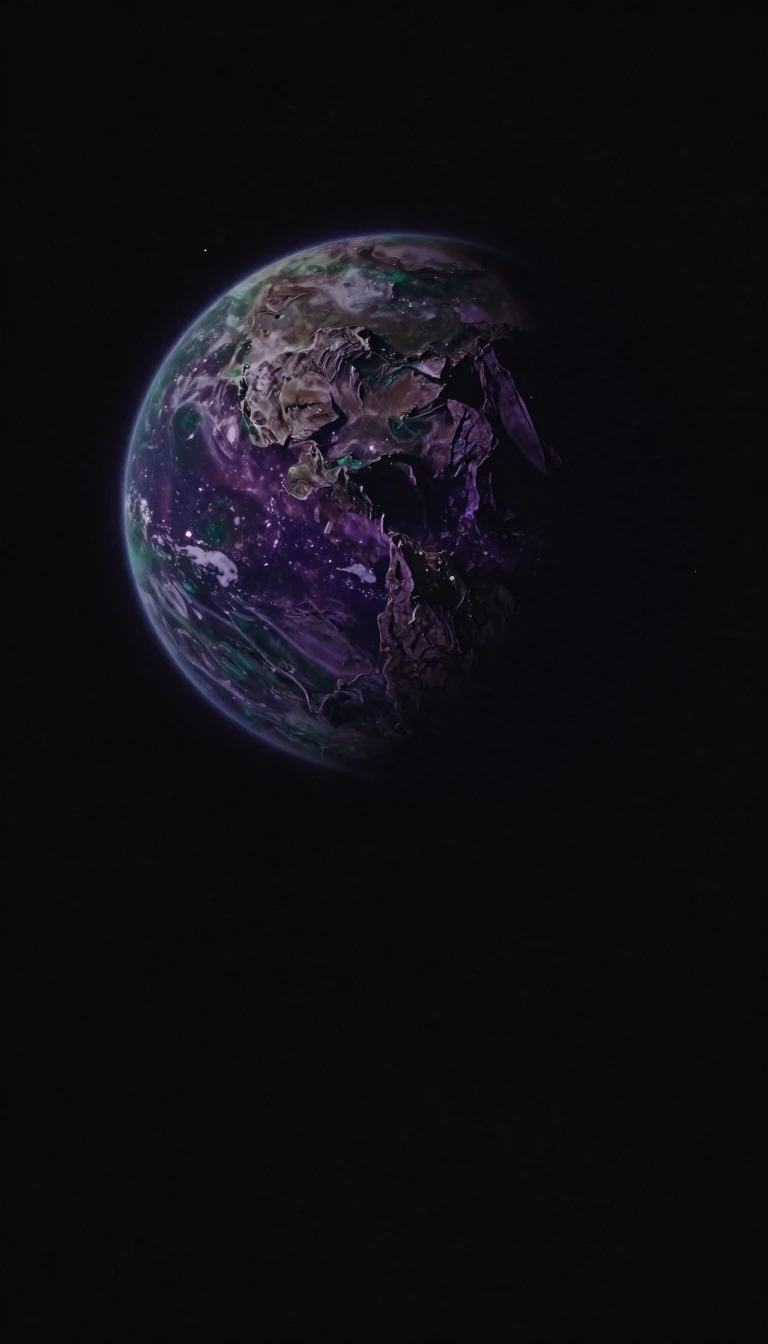
In short: Located 40 light-years away, the TRAPPIST-1 system features seven rocky, Earth-sized planets orbiting an ultracool dwarf star. With three to four worlds residing in the habitable zone, this compact system offers a unique laboratory for studying potential life, though the star's history of radiation poses significant questions about planetary survival.
The TRAPPIST-1 system, situated in the constellation Aquarius, is one of the most closely studied planetary systems beyond our own. Discovered through the Transiting Planets and Planetesimals Small Telescope project, the system consists of seven rocky worlds orbiting a red dwarf star that is roughly 7.6 billion years old—significantly older than our 4.5-billion-year-old Sun. Because the host star is small and cool, its habitable zone is located much closer in, allowing the planets to orbit at distances that could theoretically support liquid water.
These planets are tightly packed; the entire system could fit within the orbit of Mercury four times over. Due to their proximity to the star, the planets are likely tidally locked, meaning each world keeps one side in permanent daylight while the other remains in eternal night. While this configuration is stable, it presents challenges for habitability. Younger red dwarfs are notoriously active, frequently emitting high-energy flares that could have stripped away the atmospheres of these planets early in their history.
Current research using the James Webb Space Telescope and other observatories is actively probing these worlds to determine if they retain atmospheres. Analysis of the innermost planet, TRAPPIST-1b, has already indicated a lack of significant atmosphere and extreme surface temperatures. While the density of the seven planets suggests they share a similar composition, they are about 8% less dense than Earth, hinting at a different internal makeup. Whether these worlds are life-bearing havens or radiation-blasted rocks remains one of the most compelling questions in modern astronomy.
Opens the Intellect+ feed with this card first. Swipe up for the next one.
Sources
- Summary by Intellect · source: TRAPPIST-1: System with 7 Earth-Size Exoplanets
- Also: Largest Batch of Earth-size Habitable Zone Planets Found Orbiting TRAPPIST-1 - NASA Science
- Also: TRAPPIST-1
To cite this card, link to https://intellectplus.co.uk/app/space-trappist-1.
How we source, check and correct cards: Editorial standards.
General information, not professional advice. Spotted an error? Flag the card or see corrections and complaints.
Intellect Plus is a visual educational discovery platform for exploring fascinating facts and ideas. Brain Food, Not Brain Rot. What is Intellect Plus?
Related
More in Astronomical objects · More in Space · Latest · A–Z · All topics
