Astronomers have discovered water clouds on a frozen, planet-sized object beyond our solar system
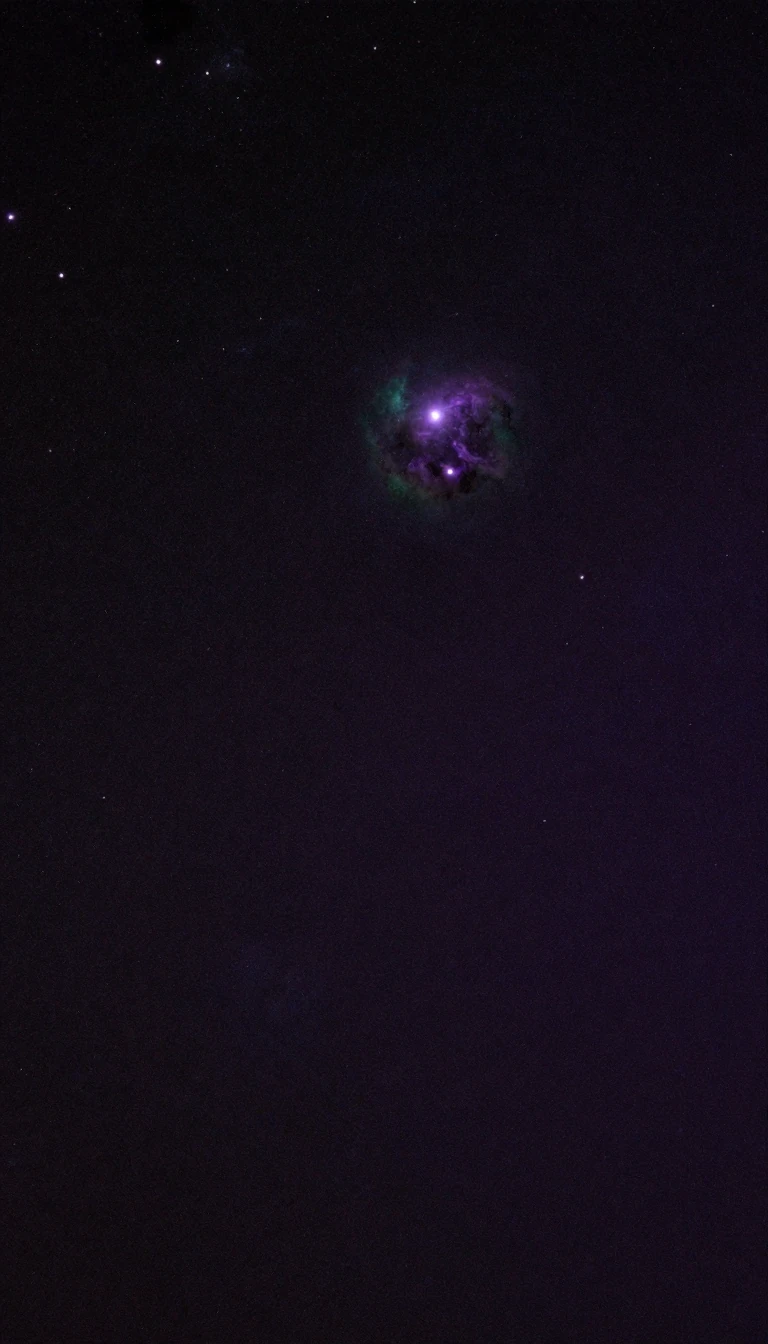
In short: Located just 7.2 light-years away, WISE 0855 is the coldest object ever found outside our solar system. With a temperature near minus 10 degrees Fahrenheit, this failed star is essentially a massive, free-floating gas giant. Recent infrared analysis reveals it possesses water clouds, making it a distant cousin to Jupiter.
WISE 0855 is classified as a brown dwarf, a celestial body that formed through the collapse of gas and dust but lacked the mass required to ignite nuclear fusion. With roughly five times the mass of Jupiter, it occupies a strange middle ground between a planet and a star. Because it is so cold, its thermal emission is extremely faint, making it nearly invisible to conventional optical telescopes. To study it, researchers utilized the Gemini North telescope in Hawaii, capturing an infrared spectrum over 14 hours of observation.
The resulting data provided the first clear evidence of water vapor and ice clouds on an extrasolar object. By comparing these findings to atmospheric models, astronomers determined that the object’s chemical composition is remarkably similar to Jupiter. Both worlds exhibit strong water absorption features, suggesting that the same physical processes governing our local gas giant might be at play in this distant, isolated environment.
Despite these similarities, the two worlds are not identical. Jupiter’s atmosphere is characterized by high levels of phosphine, a compound that indicates intense turbulent mixing within its interior. In contrast, the spectrum of WISE 0855 shows no significant trace of phosphine, which suggests that its atmosphere is much calmer and less dynamic than that of our own gas giant. This distinction allows scientists to use WISE 0855 as a unique laboratory to test theories of planetary chemistry and atmospheric dynamics on a world that is not tethered to a host star.
The discovery of these water clouds is a significant milestone in exoplanetary science. By analyzing the molecular makeup of such a cold, planetary-mass object, researchers are gaining a better understanding of how gas giants evolve and behave across the galaxy. As technology improves, such as with the James Webb Space Telescope, scientists hope to further refine these models and explore the complex hydrological cycles that may exist on these mysterious, wandering worlds.
Opens the Intellect+ feed with this card first. Swipe up for the next one.
Sources
- Summary by Intellect · source: Astronomers find water clouds in cold Jupiter-like object - NASA Science
- Also: WISE 0855−0714
To cite this card, link to https://intellectplus.co.uk/app/space-wise-0855-0714.
How we source, check and correct cards: Editorial standards.
General information, not professional advice. Spotted an error? Flag the card or see corrections and complaints.
Intellect Plus is a visual educational discovery platform for exploring fascinating facts and ideas. Brain Food, Not Brain Rot. What is Intellect Plus?
Related
More in Astronomical objects · More in Space · Latest · A–Z · All topics
