Is the famous water world Gliese 581d a real planet or just stellar noise?
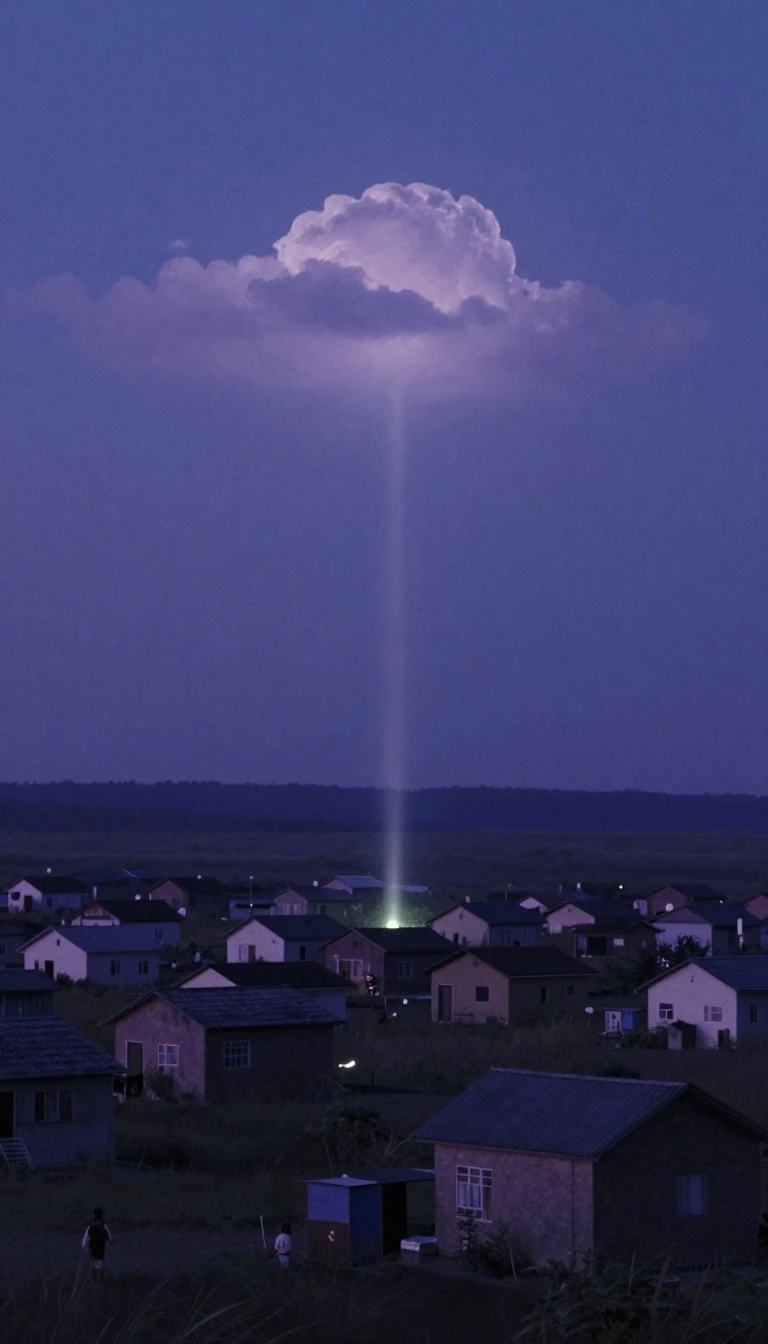
In short: Discovered in 2007, Gliese 581d was hailed as the first serious candidate for a habitable super-Earth. Scientists believed its stable atmosphere could support liquid water, making it a prime target in the search for life. Yet, years of debate have left its very existence in question.
Gliese 581d was initially identified by astronomers at the Geneva Observatory using the radial velocity technique, which detects planets by measuring the gravitational tugs they exert on their host star. Located 20 light-years away in the constellation Libra, the planet was estimated to be seven times the mass of Earth. Early excitement centered on its position within the star's habitable zone, the region where temperatures allow for surface liquid water—a crucial ingredient for the chemical reactions that form amino acids.
The narrative surrounding the planet shifted significantly over time. While initial 2007 data placed it outside the habitable zone, a 2009 revision suggested it was closer to its star, potentially hosting a vast, deep ocean. Researchers later used computer simulations to model its climate, suggesting that a dense, stable atmosphere could maintain liquid water across a range of conditions. This led many to classify it as a premier 'super-Earth' candidate, defined as an exoplanet with two to ten times the mass of our own.
However, the scientific consensus remains deeply divided. Subsequent analyses have argued that the radial velocity signals attributed to Gliese 581d might actually be artifacts caused by the star's own magnetic activity rather than a physical planet. While some studies have attempted to defend the planet's existence by challenging the statistical methods used to dismiss it, others have provided strong evidence that the signal is a false detection. As of 2024, the debate continues, with some researchers suggesting that new measurements of the star's rotation period might revive the possibility of the planet's existence, though no definitive conclusion has been reached.
Opens the Intellect+ feed with this card first. Swipe up for the next one.
Sources
- Summary by Intellect · source: Planet Gliese 581d Star
- Also: Gliese 581d
To cite this card, link to https://intellectplus.co.uk/app/space-gliese-581d.
How we source, check and correct cards: Editorial standards.
General information, not professional advice. Spotted an error? Flag the card or see corrections and complaints.
Intellect Plus is a visual educational discovery platform for exploring fascinating facts and ideas. Brain Food, Not Brain Rot. What is Intellect Plus?
Related
More in Astronomical objects · More in Space · Latest · A–Z · All topics
