From electric wagons to armored tactical units, the evolution of the modern police car.
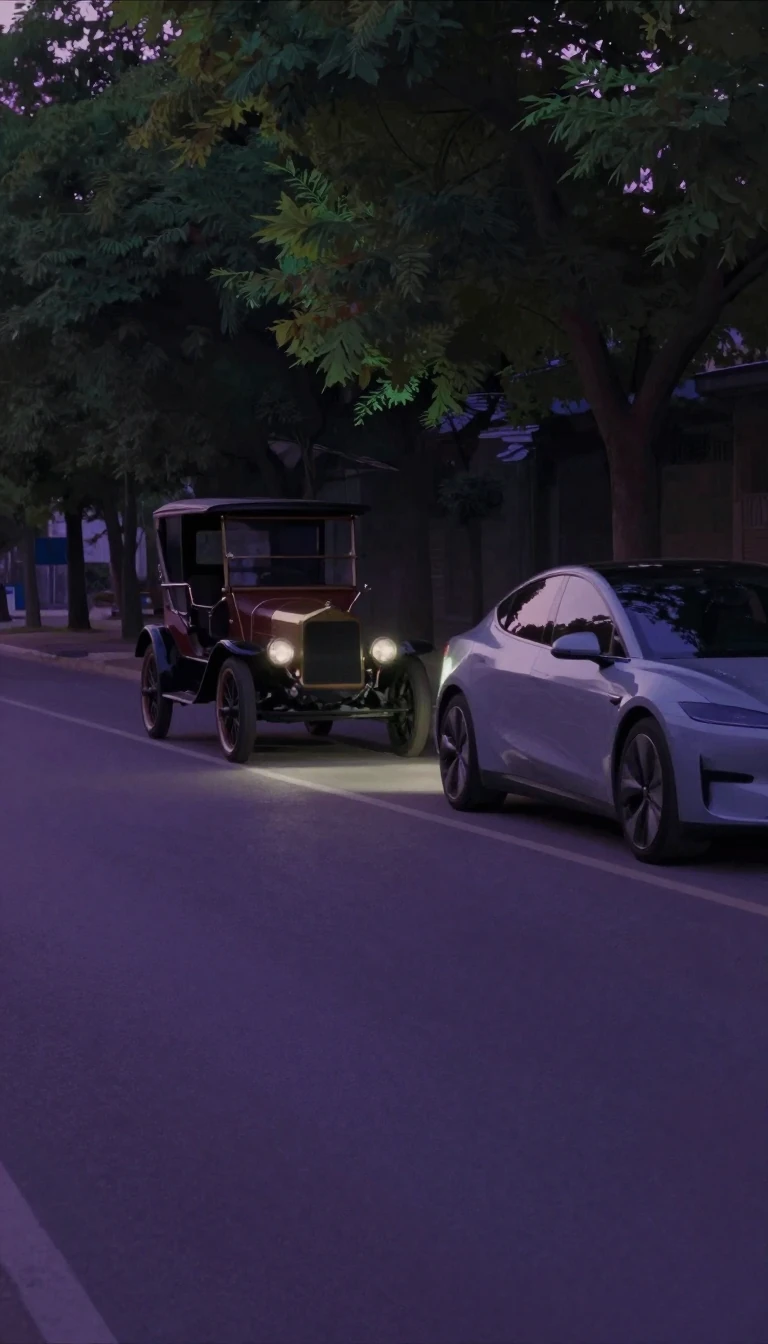
In short: The first police car was an electric wagon in 1899, reaching a top speed of 16 mph. Today, law enforcement fleets range from specialized high-performance traffic interceptors to armored personnel carriers. These vehicles are far more than transport; they are mobile command centers, K-9 units, and essential tools for modern policing.
The modern police car traces its origins to 1899, when the Akron Police Department in Ohio deployed an electric wagon designed by Frank Loomis. Operated by Officer Louis Mueller, Sr., this US$2,400 vehicle featured electric lights, gongs, and a stretcher, capable of traveling 30 miles on a single charge. By the 1930s and 1940s, the rise of the mass-marketed V8 engine—pioneered by Ford—cemented the automobile as the primary tool for American law enforcement, leading the 'Big Three' automakers to develop dedicated police fleet models.
In the United Kingdom, the shift toward a car-centric model was driven by Captain Athelstan Popkess, Chief Constable of Nottingham from 1930 to 1959. Popkess moved police away from Victorian-era foot patrols by establishing a 'Mechanised Division' that utilized two-way radio communication. This innovation allowed police tactics to center around the vehicle, enabling officers to cover larger sectors and respond rapidly to crimes. Post-World War II, this model became standard in developed nations as urban sprawl and highway expansion necessitated motorized law enforcement.
Today, police vehicles are highly specialized. Beyond the standard patrol car, agencies employ ghost cars with low-visibility markings, K-9 units with dedicated animal transport, and armored tactical vehicles for high-risk situations. Modifications are extensive, often including heavy-duty suspension, upgraded cooling systems for prolonged idling, and specialized electrical systems to power communication and surveillance equipment. While these vehicles provide officers with exemptions from certain traffic laws when using emergency lights and sirens, their primary role remains the maintenance of public safety and the projection of a visible, responsive police presence.
Opens the Intellect+ feed with this card first. Swipe up for the next one.
Sources
- Summary by Intellect · source: Police car
- Also: Wikidata — police car · CC0
To cite this card, link to https://intellectplus.co.uk/app/sport-police-car.
How we source, check and correct cards: Editorial standards.
General information, not professional advice. Spotted an error? Flag the card or see corrections and complaints.
Intellect Plus is a visual educational discovery platform for exploring fascinating facts and ideas. Brain Food, Not Brain Rot. What is Intellect Plus?
Related
More in Transportation · More in Technology · Latest · A–Z · All topics
