How Taiwan built a world-class high-speed rail network on a volcanic, typhoon-prone island
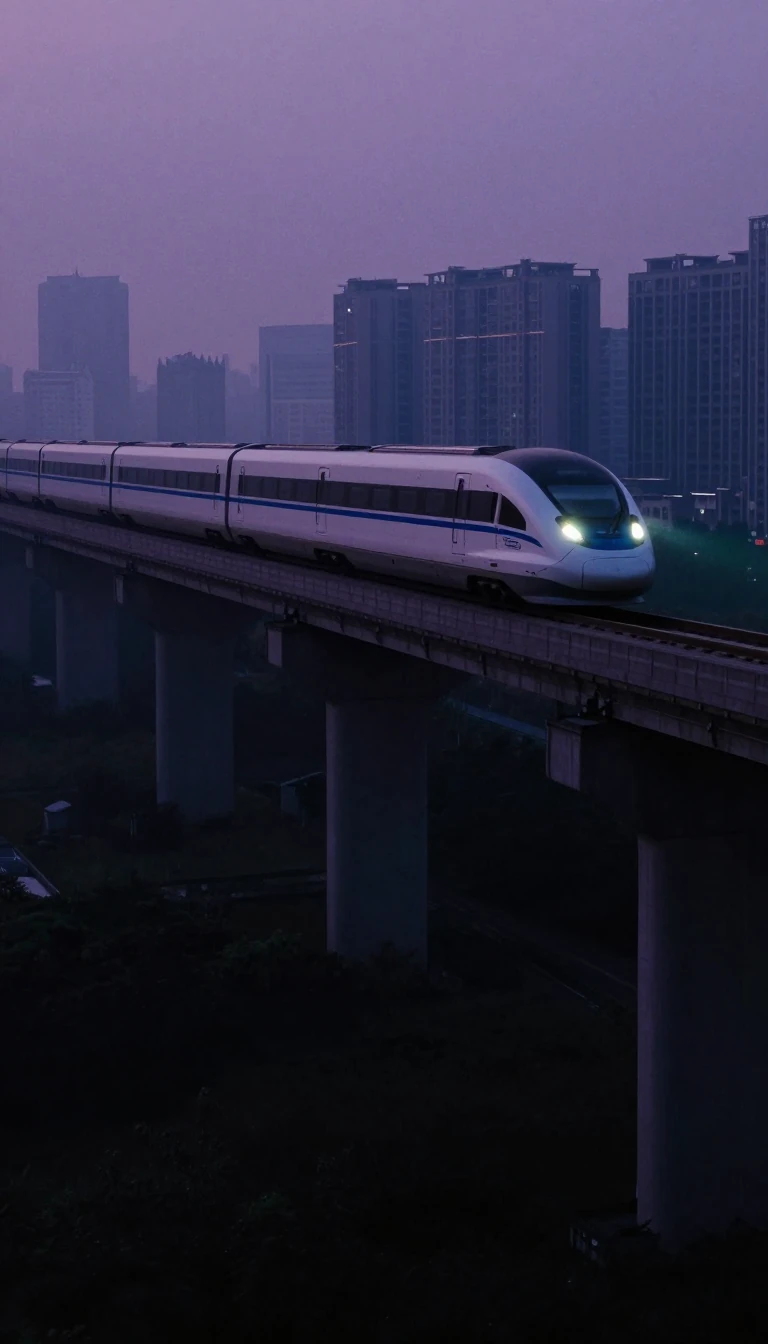
In short: Taiwan High Speed Rail transformed the island's western corridor, turning a congested transit landscape into a high-efficiency artery. By blending Japanese Shinkansen technology with local engineering, the system manages extreme natural threats while maintaining rigorous safety standards. It remains a masterclass in infrastructure resilience and long-term operational adaptation.
The Taiwan High Speed Rail (THSR) project emerged from a 1990 feasibility study, which identified high-speed rail as the most efficient solution to the severe congestion plaguing Taiwan’s western transport corridor. Initially conceived as a private build-operate-transfer (BOT) venture, the project faced significant financial hurdles, including high debt and a complex bidding war between European and Japanese consortia. Although the project initially favored European technology, the government eventually pivoted to the Japanese Shinkansen platform, leading to the deployment of the 700T trainset. This marked the first international export of Shinkansen technology, customized to handle Taiwan's unique geography and wider tunnel requirements.
Operational safety is the system's defining feature. Given Taiwan’s vulnerability to typhoons, earthquakes, and landslides, the network incorporates a sophisticated Disaster Warning System (DWS). This network of sensors automatically triggers deceleration or emergency stops if environmental threats are detected. The system’s efficacy was proven during the 2010 Jiaxian earthquake; despite a minor derailment, the DWS ensured that all 2,500 passengers were evacuated safely without injury. This incident provided critical data for global railway safety standards, demonstrating how integrated technology can mitigate the risks of operating in high-hazard zones.
The THSR has also navigated significant economic and structural challenges. Early ridership figures fell well below initial forecasts, forcing a 2009 government bailout that increased state ownership to approximately 64% and extended the concession period to 70 years. Despite these early financial tensions, the system has become a vital component of Taiwanese life, carrying over 400 million passengers by 2016. Ongoing expansions, including new routes to Yilan and Pingtung, reflect the government's commitment to the network's long-term utility. Today, the system continues to evolve, with the introduction of the N700ST series trains to meet growing demand and ensure the continued efficiency of this critical infrastructure.
Opens the Intellect+ feed with this card first. Swipe up for the next one.
Sources
- Summary by Intellect · source: Taiwan High Speed Rail
- Also: Wikidata — Taiwan High Speed Rail · CC0
- Also: Wikidata — Taiwan High Speed Rail · CC0
To cite this card, link to https://intellectplus.co.uk/app/sport-taiwan-high-speed-rail.
How we source, check and correct cards: Editorial standards.
General information, not professional advice. Spotted an error? Flag the card or see corrections and complaints.
Intellect Plus is a visual educational discovery platform for exploring fascinating facts and ideas. Brain Food, Not Brain Rot. What is Intellect Plus?
Related
More in Transportation · More in Technology · Latest · A–Z · All topics
