Why the world's most expressive white wine can taste like gasoline
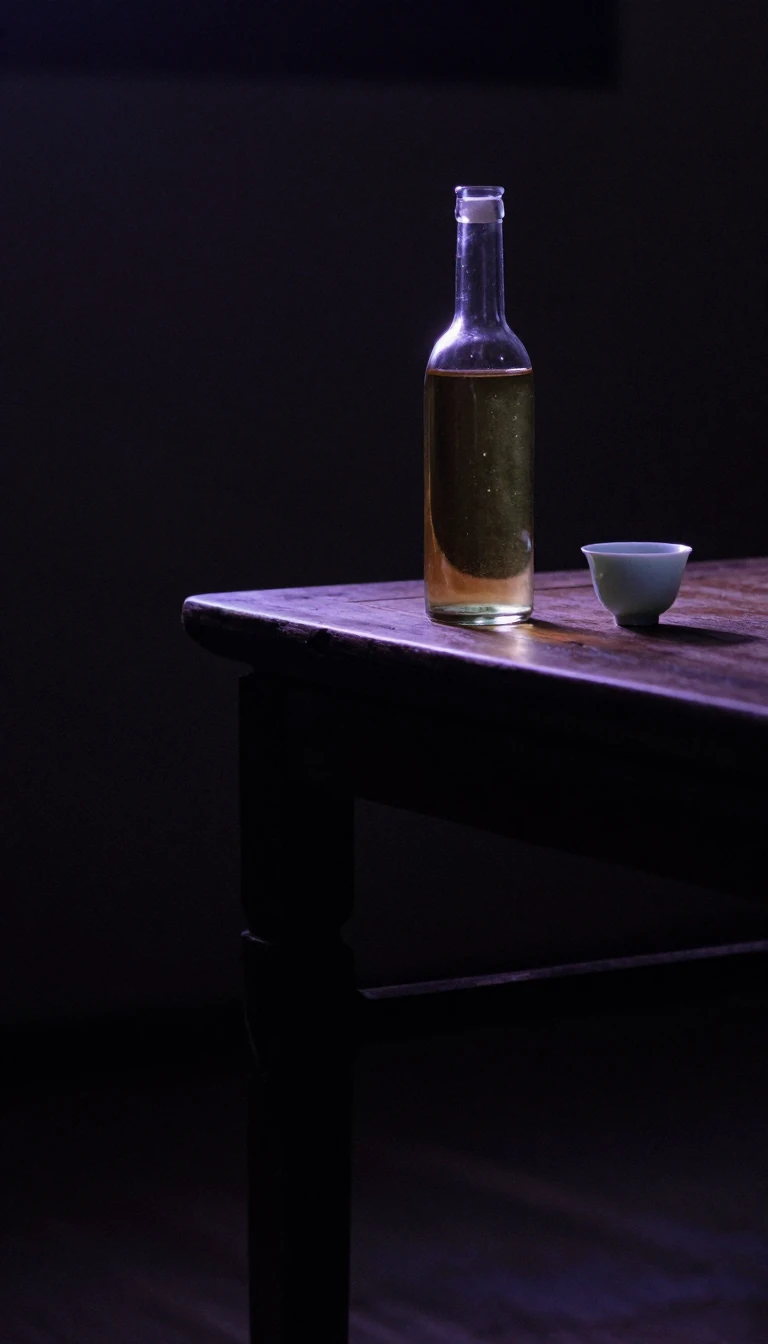
In short: Riesling is a chameleon of the vine, capable of producing everything from bone-dry table wines to ultra-concentrated dessert nectars. While prized for its floral aromatics and high acidity, its most distinctive trait is a polarizing petrol note that develops with age—a mark of quality for some and a defect for others.
Originating in Germany’s Rhine Valley, Riesling is celebrated for its ability to reflect the specific terroir of its origin. Whether grown in the slate soils of the Mosel or the calcareous earth of Alsace, the grape maintains a high-acid profile that grants it exceptional aging potential. Unlike many other varieties, it is rarely oaked, allowing its natural character—ranging from green apple and citrus in cooler climates to peach and honey in warmer regions—to take center stage.
The controversial 'petrol' aroma, known as goût de pétrole, is caused by the chemical compound 1,1,6-trimethyl-1,2-dihydronaphthalene, or TDN. This compound forms during aging through the acid hydrolysis of carotenoid precursors. Because these precursors are more abundant in ripe grapes harvested late or under conditions of water stress, the petrol note is paradoxically more common in high-quality, long-lived wines than in simpler, high-yield productions. While some Australian producers embrace this characteristic, certain German vintners have historically sought to avoid it, even omitting it from regional aroma wheels.
Riesling's versatility extends to its production methods. It is the primary grape for German Sekt and can be transformed into intense dessert wines through 'noble rot' or freezing. The accidental discovery of botrytized grapes at Schloss Johannisberg in the late 18th century revolutionized sweet wine production. Today, the variety remains a global staple, with Chateau Ste. Michelle in Washington state holding the title for the largest production volume, while traditional European regions continue to refine the balance between mineral transparency and fruit-forward complexity.
Opens the Intellect+ feed with this card first. Swipe up for the next one.
Sources
- Summary by Intellect · source: Riesling
- Also: Wikidata — Riesling · CC0
- Also: Wikidata — Riesling wine · CC0
To cite this card, link to https://intellectplus.co.uk/app/sport-riesling.
How we source, check and correct cards: Editorial standards.
General information, not professional advice. Spotted an error? Flag the card or see corrections and complaints.
Intellect Plus is a visual educational discovery platform for exploring fascinating facts and ideas. Brain Food, Not Brain Rot. What is Intellect Plus?
Related
More in Cricket · More in Sport & Games · Latest · A–Z · All topics
