How a brutal Antarctic glacier served as the gateway to the South Pole
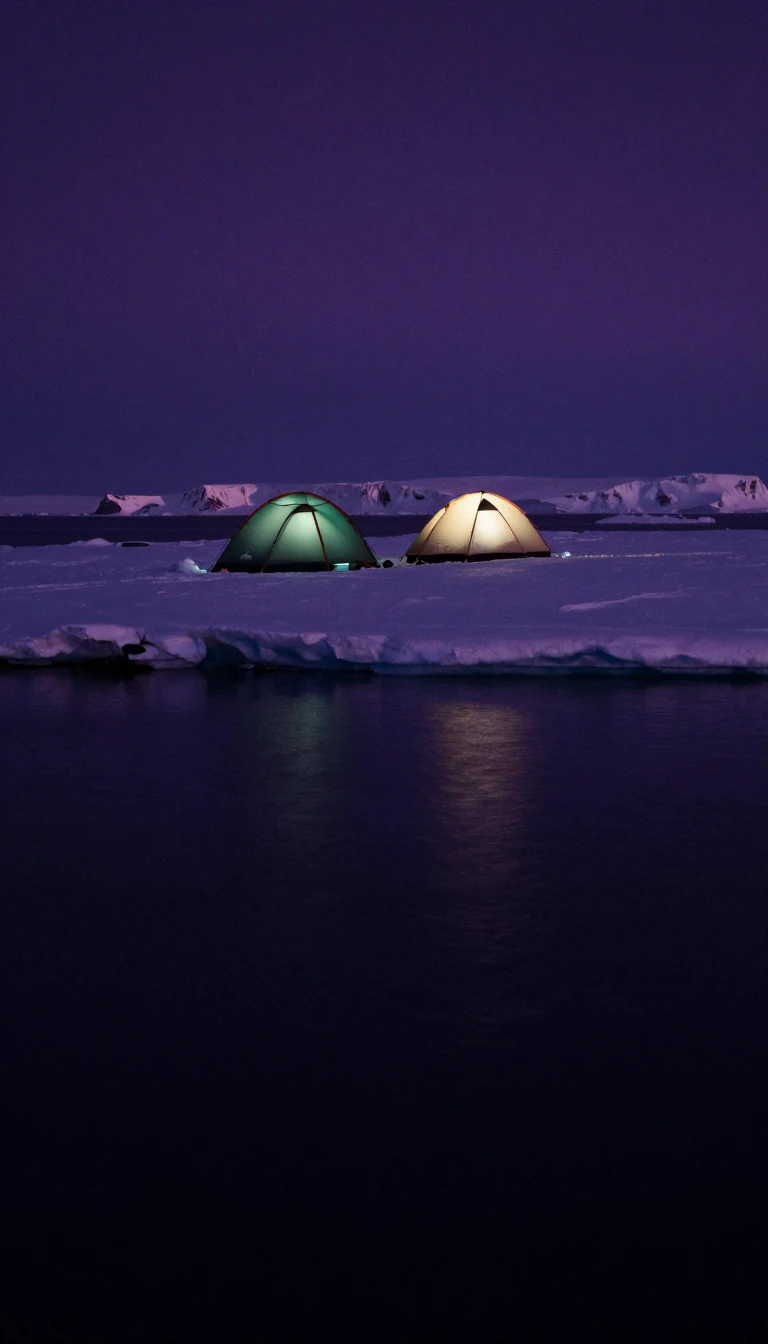
In short: In November 1911, explorer Roald Amundsen navigated a treacherous, steep-walled valley glacier to reach the Antarctic Plateau. This icy corridor, later named for a Norwegian patron of science, became the site of a grim logistical necessity that fueled his team's final, successful dash to the South Pole.
The Axel Heiberg Glacier is a 30-nautical-mile-long valley glacier located in the Queen Maud Mountains of Antarctica. Unlike major outlet glaciers that drain the polar plateau, the Axel Heiberg is an alpine-style glacier fed by heavy snowfall within its own catchment area. It is separated from the plateau by a dolerite rim, yet it remains a critical geographic feature due to the dramatic elevation change it presents: the glacier drops over 2,700 meters in just 32 kilometers, with the bulk of that descent occurring over a mere 11-kilometer stretch.
Roald Amundsen discovered the glacier in November 1911 during his historic expedition to the South Pole. He utilized the glacier as his primary route to ascend from the Ross Ice Shelf to the high elevations of the polar plateau. The ascent was physically demanding, characterized by a steep and turbulent icefall that now bears his name. To manage the final leg of the journey, Amundsen established a site on a high spur descending from Mount Don Pedro Christophersen, which he grimly dubbed the Butcher Shop. It was here that his party slaughtered their excess sledge dogs, providing a necessary food source for both the men and the remaining dogs before the final push to the pole.
The glacier is surrounded by significant landmarks named by Amundsen to honor his supporters and colleagues, including Consul Axel Heiberg, Professor B. Helland Hansen, and Captain Ole Engelstad. While Amundsen first traversed the region in 1911, later expeditions added to the cartography of the area. Tributaries such as the Cooper Glacier, discovered by Rear Admiral Byrd in 1929, and the Sargent Glacier, mapped during the 1928–1930 Byrd expedition, feed into the main flow. Today, the Axel Heiberg remains a testament to the extreme logistical challenges faced by early polar explorers who relied on local topography to survive the harsh Antarctic environment.
Opens the Intellect+ feed with this card first. Swipe up for the next one.
Sources
- Summary by Intellect · source: Axel Heiberg Glacier
To cite this card, link to https://intellectplus.co.uk/app/technology-axel-heiberg-glacier.
How we source, check and correct cards: Editorial standards.
General information, not professional advice. Spotted an error? Flag the card or see corrections and complaints.
Intellect Plus is a visual educational discovery platform for exploring fascinating facts and ideas. Brain Food, Not Brain Rot. What is Intellect Plus?
Related
More in Exploration · More in History · Latest · A–Z · All topics
