From horse-drawn wagons to high-speed logistics: the evolution of rail
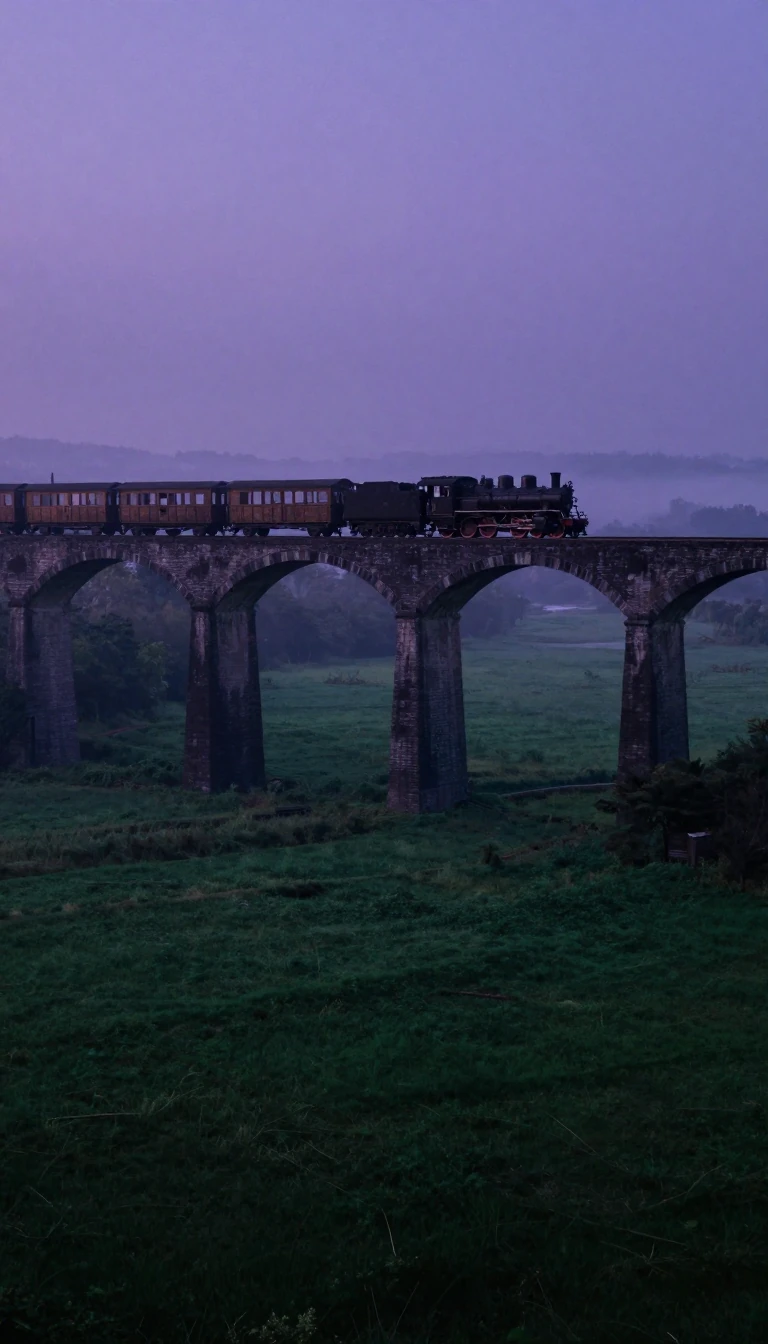
In short: Railways are more than just tracks; they are a complex tapestry of civil, electrical, and mechanical engineering. What began as simple stone paths for coal wagons has transformed into a massive logistical backbone that requires engineers to balance physics, business profits, and modern utility infrastructure.
The origins of railway engineering date back to the seventeenth and eighteenth centuries, where the primary goal was moving heavy loads from collieries and quarries. These early systems relied on horse-drawn wagons traveling over tracks made of stone slabs and timber baulks. However, these materials quickly succumbed to wear under heavy weight, necessitating a technological leap during the Industrial Revolution.
The transition to modern rail was driven by material science. Cast iron was first introduced to protect wooden baulks from wear, eventually evolving into iron edge rails that made flanged wheels functional. By the early nineteenth century, the introduction of locomotives demanded even stronger materials; wrought iron and steel rails were developed to support heavy axle loads without needing longitudinal timbers. This era saw the rise of specialized engineers like Richard Trevithick, George Stephenson, and Isambard Kingdom Brunel to solve these unique structural problems.
Today, railway engineering is a multi-disciplinary field that extends far beyond the tracks themselves. A modern engineer must master civil engineering to manage complex utilities—including water, drainage, natural gas, electricity, and internet lines—while navigating the nuances of brownfield projects where abandoned lines are reactivated. Furthermore, the discipline now operates within a strict business environment where expansion is often dictated by profit margins rather than just technical feasibility.
Professional oversight is global, with specialized bodies like AREMA in the US, IMechE's Railway Division in the UK, and IRSE worldwide ensuring that these systems remain safe and efficient.
Opens the Intellect+ feed with this card first. Swipe up for the next one.
Sources
- Summary by Intellect · source: Railway engineering
To cite this card, link to https://intellectplus.co.uk/app/technology-railway-engineering.
How we source, check and correct cards: Editorial standards.
General information, not professional advice. Spotted an error? Flag the card or see corrections and complaints.
Intellect Plus is a visual educational discovery platform for exploring fascinating facts and ideas. Brain Food, Not Brain Rot. What is Intellect Plus?
Related
More in Technology: General · More in Technology · Latest · A–Z · All topics
