Why seventeenth-century fortress designers built pincers into their defensive walls
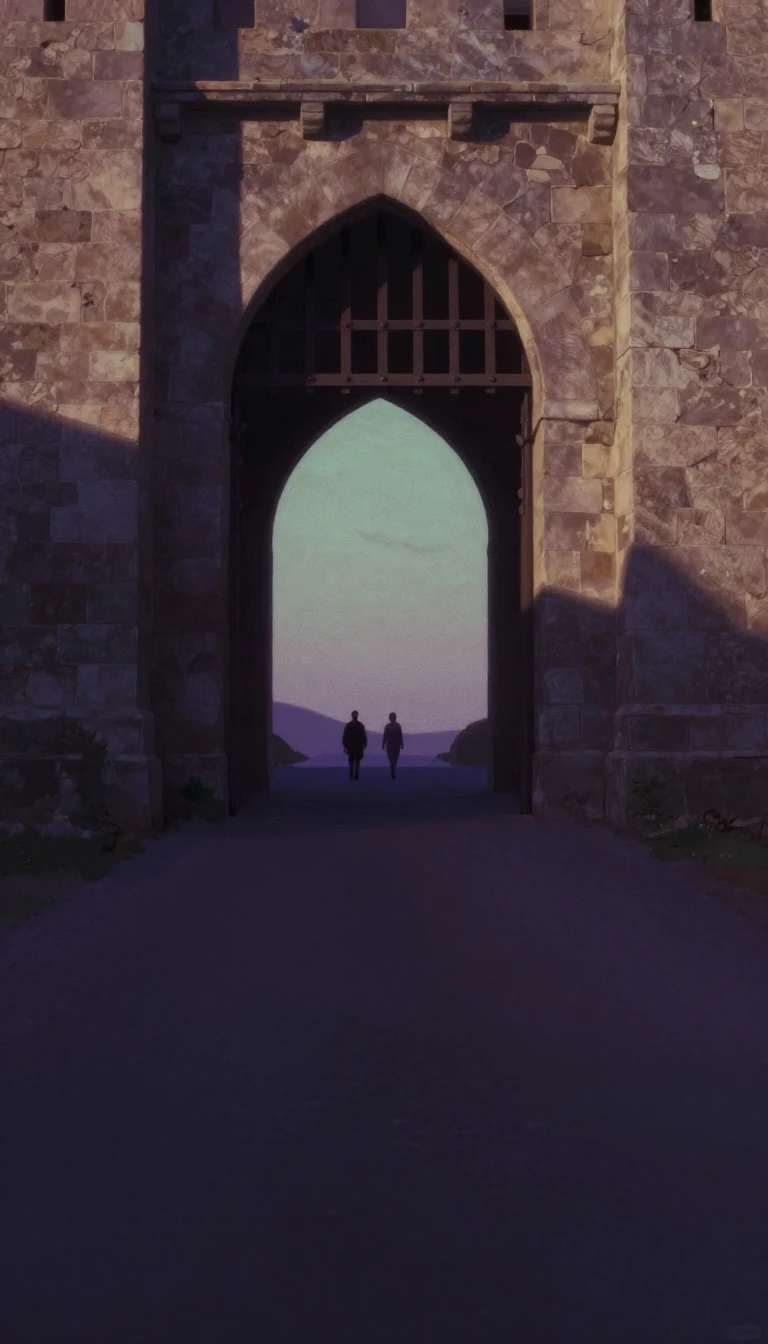
In short: A tenaille is a specialized defensive outwork, named for its resemblance to a pair of tongs. By placing these V-shaped structures in front of fortress walls, military engineers created protected zones that allowed defenders to move safely between their fortifications and the surrounding ditches without being exposed to enemy fire.
The tenaille represents a sophisticated evolution in fortification design, formalised by engineers like Vauban. At its core, the structure serves a tactical purpose: shielding the postern gate—a low-lying entrance in the curtain wall—from direct observation and incoming projectiles. By positioning a chevron-shaped outwork directly in front of this gate, defenders could exit the main fortification into the ditch area while remaining concealed. Over time, the design grew more complex, evolving to include projections at each end to further enhance the defensive coverage of the wall's perimeter.
The historical significance of these structures is well-documented in military correspondence. For instance, in a letter dated 16 September 1649, Oliver Cromwell described a tenalia that played a critical role during the storming of Drogheda. Writing to John Bradshaw, the President of the Council of State in London, Cromwell detailed how his men seized this specific outwork to flank the south wall of the town. Despite capturing the position, the tactical advantage was limited; the sally-port connecting the tenalia to the town was obstructed by the bodies of fallen soldiers, preventing the attackers from using the structure as a direct entry point into the main fortification.
Etymologically, the term derives from the French word for tongs, which itself traces back to the Late Latin tenaculum. While the classic tenaille is a simple chevron situated between two corner bastions, the term has been applied to various V-shaped defensive elements. Some configurations, such as the priest's cap, incorporate multiple tenailles to secure a wider area. It is important to distinguish these from other outworks like the ravelin, which also served to protect gates but featured a distinct triangular shape. These structures highlight the constant arms race between those building fortifications and those attempting to breach them, where every inch of ground was shaped to provide a tactical edge.
Opens the Intellect+ feed with this card first. Swipe up for the next one.
Sources
- Summary by Intellect · source: Tenaille
To cite this card, link to https://intellectplus.co.uk/app/technology-tenaille.
How we source, check and correct cards: Editorial standards.
General information, not professional advice. Spotted an error? Flag the card or see corrections and complaints.
Intellect Plus is a visual educational discovery platform for exploring fascinating facts and ideas. Brain Food, Not Brain Rot. What is Intellect Plus?
Related
More in Military technology · More in Technology · Latest · A–Z · All topics
