Why do near-perfect human replicas trigger a deep, visceral sense of revulsion?
In short: The uncanny valley is the eerie dip in our emotional response when an artificial entity looks almost, but not quite, human. As realism increases, our empathy grows—until the entity hits a threshold of near-perfection, triggering a sharp, uncomfortable spike of revulsion before eventually normalizing as it becomes indistinguishable from us.
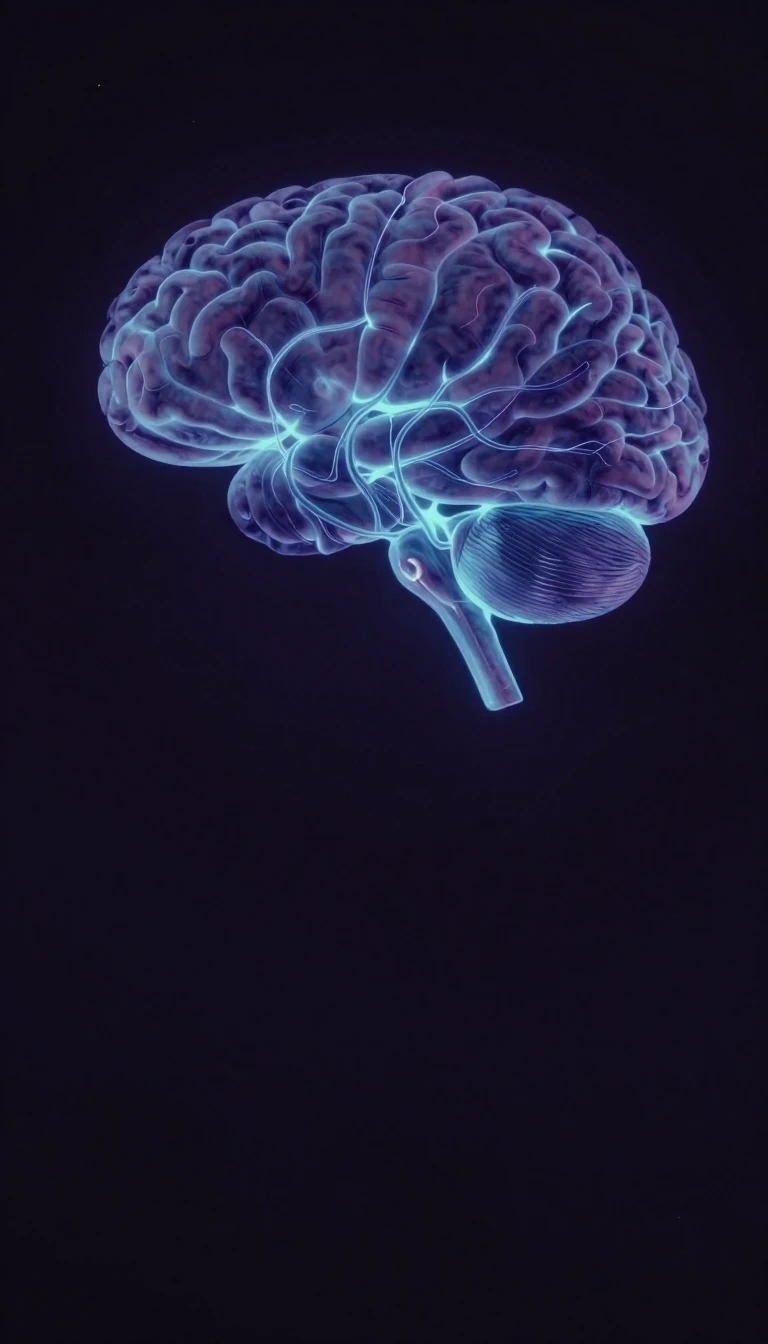
First proposed by robotics professor Masahiro Mori in 1970, the uncanny valley suggests that our brains are finely tuned to detect mismatches between appearance and behavior. When a robot looks human but moves mechanically, or vice versa, it creates a 'prediction error.' Neuroimaging studies show that the brain's parietal cortex lights up during these moments, struggling to reconcile conflicting cues. This cognitive dissonance is experienced as psychological discomfort, or 'eeriness,' as the brain fails to categorize the entity as either fully human or fully machine.
Several theories attempt to explain this phenomenon. Some researchers point to evolutionary mechanisms, such as an innate drive to avoid pathogens or infertile mates, which are signaled by facial or bodily anomalies. Others suggest it stems from mortality salience—the fear that a soulless, human-like machine reminds us of our own fragility and potential for replacement. Even the eyes play a critical role; studies indicate that removing the eyes from a human face can make it feel more uncanny than other facial alterations, highlighting our reliance on specific social cues.
The phenomenon is not universally accepted as a single, unified law. Critics argue that the 'valley' may simply be an artifact of how we process information, such as category confusion or the frequency of exposure to certain stimuli. Some suggest that younger generations, more accustomed to CGI and advanced robotics, may be less susceptible to the effect. Furthermore, designers can often bypass the valley by adding neotenous, cartoonish features or ensuring that appearance and behavior remain congruent, preventing the brain from encountering the jarring mismatches that trigger our deepest unease.
Opens the Intellect+ feed with this card first. Swipe up for the next one.
Sources
- Summary by Intellect · source: Uncanny valley
To cite this card, link to https://intellectplus.co.uk/app/technology-uncanny-valley.
How we source, check and correct cards: Editorial standards.
General information, not professional advice. Spotted an error? Flag the card or see corrections and complaints.
Intellect Plus is a visual educational discovery platform for exploring fascinating facts and ideas. Brain Food, Not Brain Rot. What is Intellect Plus?
Related
More in Psychology · More in Ideas & Philosophy · Latest · A–Z · All topics
