A cigarette puff decided the fate of 90,000 men
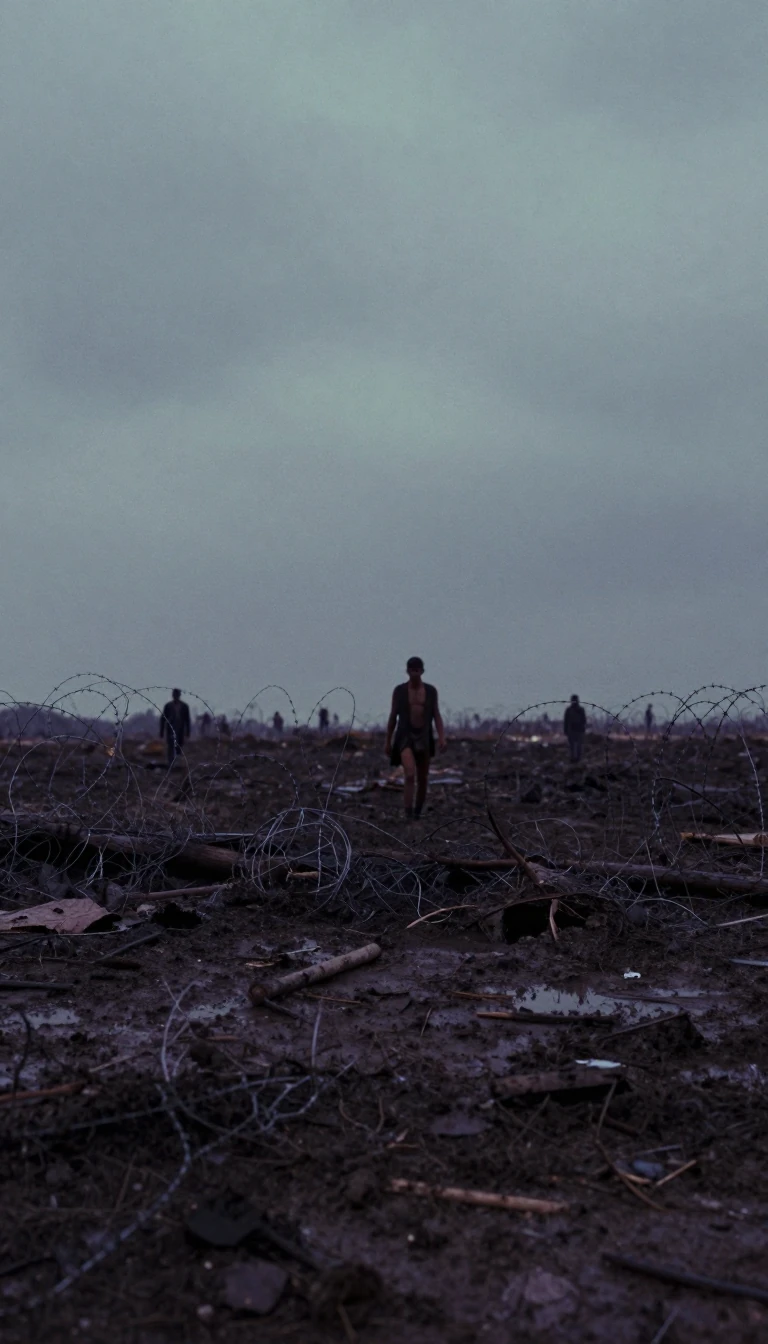
In short: During World War I, high-level military decisions often hinged on trivialities. At the Battle of Loos, a commander tested the wind by lighting a single cigarette before releasing gas. This anecdote highlights a recurring theme in British history: a perceived lack of imagination and preparation at the highest levels of command.
The Battle of Festubert (15–25 May 1915) served as a pivotal moment in the evolution of British tactics on the Western Front. Following the failure at Aubers Ridge, where the army attempted 'hurricane' bombardments and unlimited objectives, the strategy shifted toward a slower, more deliberate artillery-led approach. This transition marked the first British attempt at a war of attrition, aiming to systematically demolish German machine-gun posts and wire before infantry moved in.
Historian G. C. Wynne provided a trenchant critique of the British High Command during this period. He argued that even when the British possessed German doctrinal documents, they failed to truly understand German defensive methods. His accounts of the era are characterized by a sharp judgment of General Douglas Haig's leadership, specifically citing a lack of imagination in orders and a reliance on arbitrary factors for major tactical decisions.
While top-down command was often criticized for its failings, the effectiveness of individual units frequently relied on 'community identity.' For example, the 1/7th Battalion King’s Liverpool Regiment demonstrated that local ties to towns like Bootle and Southport significantly bolstered morale and battle effectiveness. These identities were not just organic; they were actively nurtured by commanders at various levels to maximize the collective war effort.
The Battle of Festubert was part of a larger strategic maneuver involving the French Tenth Army. By attacking a German salient between Neuve Chapelle and Festubert, the British aimed to draw German divisions away from the French front near Arras. This complex interplay of attrition, local identity, and high-level command decisions defined the brutal reality of 1915.
Opens the Intellect+ feed with this card first. Swipe up for the next one.
Sources
- Summary by Intellect · source: If Germany Attacks: The Battle in Depth in the West (review)
- Also: The 1/7th Battalion King’s Liverpool Regiment and the Great War – the Experience of a Territorial Battalion and its Home Towns.
- Also: Battle of Festubert
To cite this card, link to https://intellectplus.co.uk/app/wars-battle-of-festubert.
How we source, check and correct cards: Editorial standards.
General information, not professional advice. Spotted an error? Flag the card or see corrections and complaints.
Intellect Plus is a visual educational discovery platform for exploring fascinating facts and ideas. Brain Food, Not Brain Rot. What is Intellect Plus?
Related
More in Western Front (WWI) · More in Wars & Conflicts · Latest · A–Z · All topics
