How a 93-minute battle in 1918 redefined modern military strategy on the Western Front
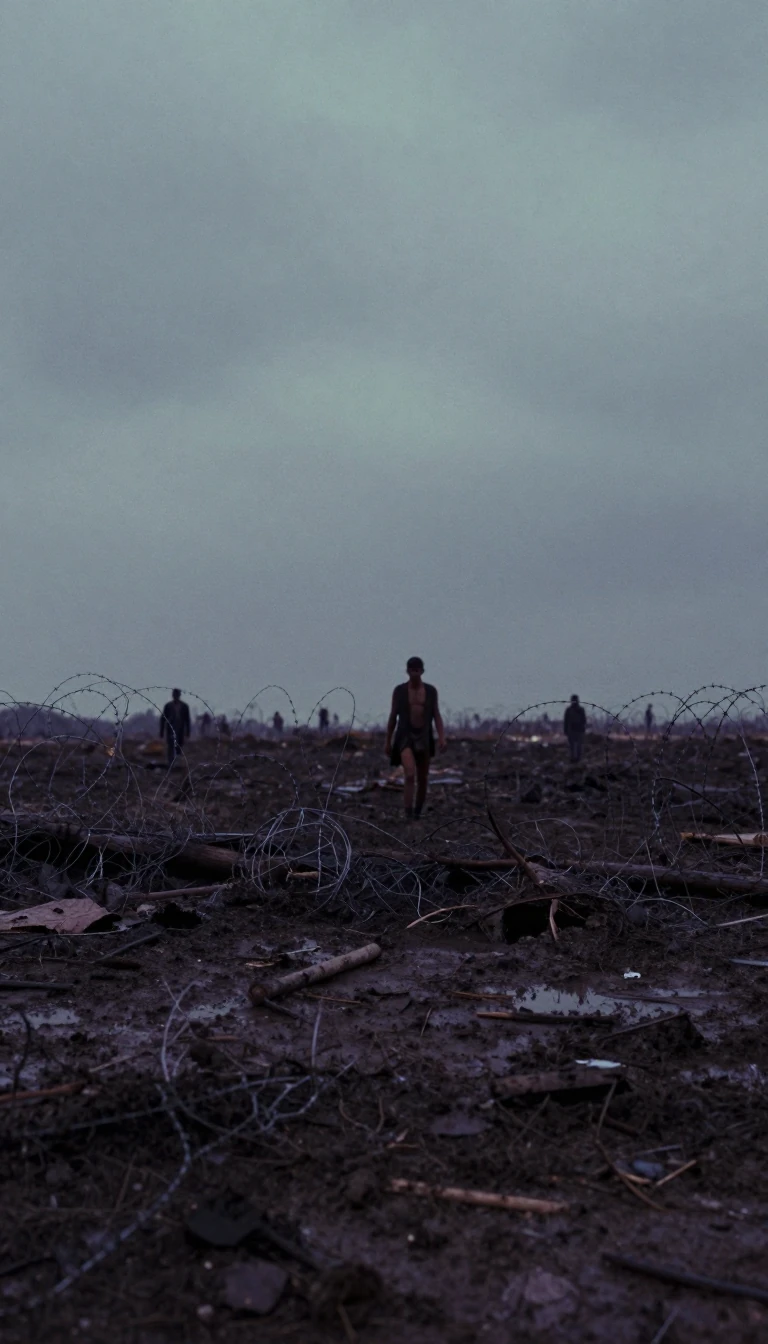
In short: On July 4, 1918, Allied forces executed a meticulously planned assault on the village of Le Hamel. Led by Lieutenant General John Monash, the operation lasted just 93 minutes, serving as a revolutionary blueprint for combined-arms warfare that integrated infantry, tanks, artillery, and aircraft with unprecedented precision.
By mid-1918, the Western Front had reached a stalemate. Following the collapse of Russia, Germany shifted massive reinforcements to the Somme Valley, creating a dangerous salient at Le Hamel that allowed them to observe Allied positions and threaten the critical railhead at Amiens. To stabilize the line and prepare for future offensives, the Australian Corps was tasked with capturing the village. The operation was overseen by John Monash, a commander whose reputation for rigorous organization and technical integration was solidified by this engagement.
The battle was notable for its departure from the costly, massed infantry charges that had characterized earlier years of the conflict. Monash insisted on a creeping barrage—artillery fire that moved slowly ahead of the troops—to provide cover. He also pioneered the use of supply tanks to transport ammunition and food, effectively replacing the labor of hundreds of soldiers. Coordination was further enhanced by painting distinct symbols on tanks so infantry knew which units to follow, while aircraft provided reconnaissance and dropped supplies by parachute.
The assault also marked a historic milestone for the American Expeditionary Force. For the first time, US infantry companies fought under the operational command of a foreign officer. Despite last-minute political interference that saw some American units withdrawn, those who remained integrated seamlessly with Australian battalions. The success of the operation, which achieved its objectives almost exactly within the calculated timeframe, demonstrated that careful planning and technological synergy could overcome entrenched defenses, providing a tactical model that would influence Allied operations for the remainder of the war.
Opens the Intellect+ feed with this card first. Swipe up for the next one.
Sources
- Summary by Intellect · source: Battle of Hamel
- Also: The Battle of Hamel, 4 July 1918: The blueprint for future allied attacks on the Western front
- Also: United Service — Monash's masterpiece: The battle of Le Hamel and the 93 minutes that changed the world [Book Review] · CC0 (metadata)
To cite this card, link to https://intellectplus.co.uk/app/wars-battle-of-hamel.
How we source, check and correct cards: Editorial standards.
General information, not professional advice. Spotted an error? Flag the card or see corrections and complaints.
Intellect Plus is a visual educational discovery platform for exploring fascinating facts and ideas. Brain Food, Not Brain Rot. What is Intellect Plus?
Related
More in Western Front (WWI) · More in Wars & Conflicts · Latest · A–Z · All topics
