Beyond the first tank debut, the Battle of Flers-Courcelette was a mud-soaked endurance test.
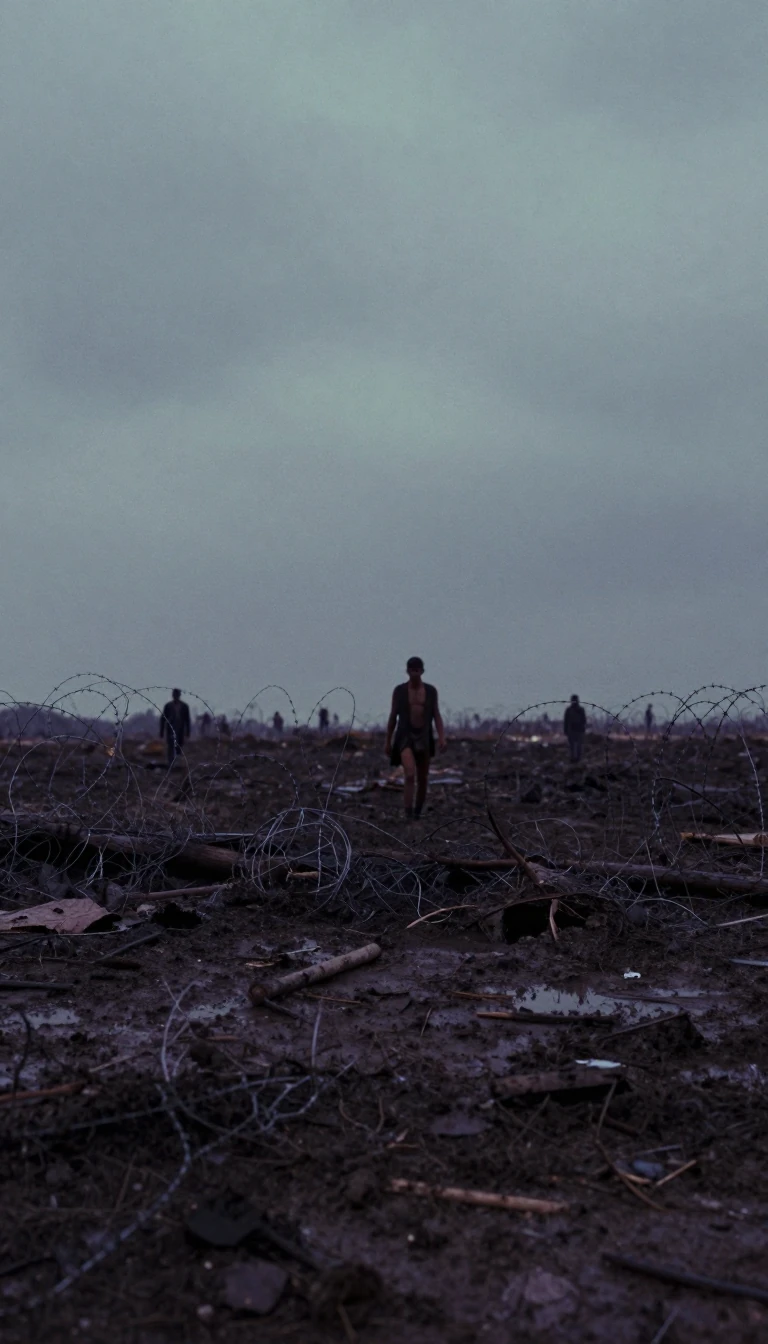
In short: While history remembers the September 1916 battle for introducing tanks to the battlefield, the reality for soldiers was defined by atrocious weather and debilitating conditions. Beyond the tactical innovation, troops faced a landscape of cloying mud so severe that simply reaching the front lines became a grueling, ten-hour ordeal.
The Battle of Flers-Courcelette, fought from 15 to 22 September 1916, is frequently cited as the combat debut of the tank. While some historical accounts dismiss this initial deployment as a failure, contemporary unit diaries and personal testimonies suggest these machines effectively fulfilled their intended role as infantry support. Despite the limited number of tanks available and the brief training period provided to their crews, General Sir Douglas Haig had pushed for their inclusion, hoping to exploit a perceived weakening in the German defensive lines.
The environmental reality of the Somme was far more punishing than the tactical novelty of the tanks. Constant, heavy rain transformed the terrain into thick, cloying mud that crippled movement. Australian troops estimated that traversing the 8 km distance from their camps to the front line required about ten hours of exhausting effort. The conditions were so extreme that transport drivers considered the mud at Flers to be the benchmark for the worst battlefield terrain imaginable. In some trenches, the mire was so pervasive that soldiers were unable to sit down for the duration of their duty.
This environment fostered a severe medical crisis known as trench foot, a form of frost-bite caused by restricted blood circulation in the feet. The condition was notoriously unpleasant, often leading to rotting skin and, in extreme cases, gangrene and amputation. Padre William Devine described the harrowing sight of men limping into the trenches, their boots requiring removal by knife to reveal the swelling and discoloration of early-stage frost-bite. For many, the only hope was to leave the front, often assisted by comrades or with feet wrapped in cotton-wool. Among those who served in these brutal conditions was Frederick Howard Stewart Caiger, a medical student who died on 11 November 1916, just two years before the armistice.
Opens the Intellect+ feed with this card first. Swipe up for the next one.
Sources
- Summary by Intellect · source: The Battle of Flers Courcelette
- Also: Battle of Flers–Courcelette
- Also: "A useful accessory to the infantry, but nothing more" Tanks at the Battle of Flers-Courcelette, September 1916
To cite this card, link to https://intellectplus.co.uk/app/wars-battle-of-flers-courcelette.
How we source, check and correct cards: Editorial standards.
General information, not professional advice. Spotted an error? Flag the card or see corrections and complaints.
Intellect Plus is a visual educational discovery platform for exploring fascinating facts and ideas. Brain Food, Not Brain Rot. What is Intellect Plus?
Related
More in Western Front (WWI) · More in Wars & Conflicts · Latest · A–Z · All topics
