Why a desperate, unplanned stand at Le Cateau saved the British Expeditionary Force
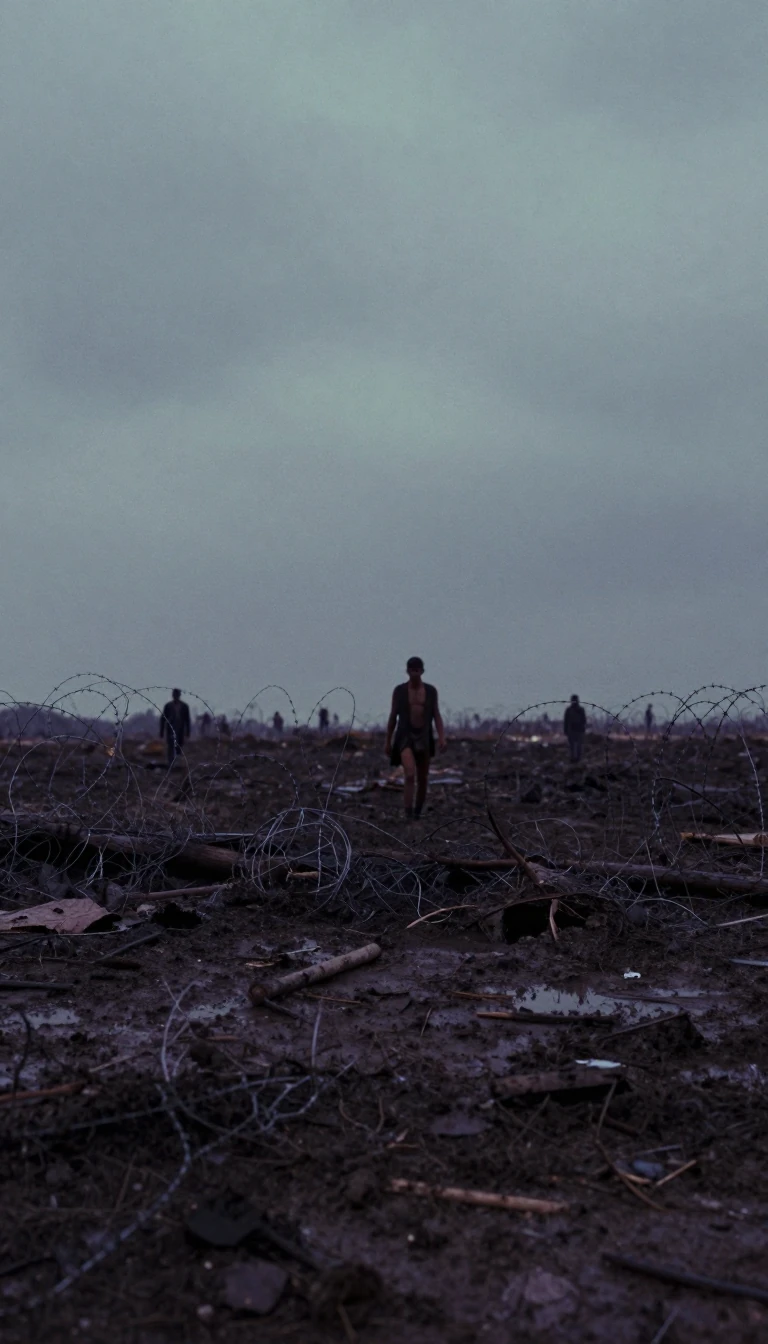
In short: Exhausted and separated from their main force, British troops faced a brutal artillery onslaught on August 26, 1914. Despite orders to retreat, General Horace Smith-Dorrien chose to fight, turning a chaotic withdrawal into a pivotal delaying action that ultimately shielded the British army from total destruction during the German pursuit.
On August 26, 1914, the British II Corps found itself in a precarious position near Le Cateau. Having retreated from Mons, the troops were physically spent, and communication failures had left them isolated from the rest of the British Expeditionary Force. General Sir Horace Smith-Dorrien, commanding II Corps, initially intended to continue the retreat but concluded that his men were too exhausted to move further without risking total collapse. When ordered by BEF headquarters to continue withdrawing at 07:00, he defied the command, choosing instead to stand and fight.
The engagement quickly became a devastating artillery battle. Unlike the rifle-focused fighting at Mons, Le Cateau saw German forces utilize indirect fire from concealed positions. The British had placed their own artillery too close to their infantry lines, which unintentionally increased the lethality of German shells. By noon, the British flanks began to buckle under the pressure. However, the arrival of the French Cavalry Corps provided a necessary shield, allowing the British to disengage and eventually slip away toward Saint-Quentin under the cover of night.
The aftermath of the battle was marked by conflicting perceptions. The Germans, believing they had defeated the entire British Expeditionary Force rather than just one corps, were satisfied with their victory and paused to rest, inadvertently allowing the British to escape. While Field Marshal Sir John French later criticized Smith-Dorrien for the decision to fight, modern historians like Spencer Jones argue that the stand was a crucial success. By forcing the Germans to pause, the battle effectively relieved pressure on the retreating British forces, ensuring that II Corps remained largely untroubled for the remainder of the campaign.
Casualty figures highlight the intensity of the fighting. Of the 40,000 British troops engaged, 7,812 became casualties, including 2,600 taken prisoner. Estimates for German losses vary, with some sources suggesting around 2,000 to 2,900 casualties. The battle remains a significant example of a tactical stand that, despite its bloody cost, achieved a broader strategic objective.
Opens the Intellect+ feed with this card first. Swipe up for the next one.
Sources
- Summary by Intellect · source: Battle of Le Cateau
- Also: OpenAlex — The Battle of Le Cateau · CC0 (metadata)
To cite this card, link to https://intellectplus.co.uk/app/wars-battle-of-le-cateau.
How we source, check and correct cards: Editorial standards.
General information, not professional advice. Spotted an error? Flag the card or see corrections and complaints.
Intellect Plus is a visual educational discovery platform for exploring fascinating facts and ideas. Brain Food, Not Brain Rot. What is Intellect Plus?
Related
More in Western Front (WWI) · More in Wars & Conflicts · Latest · A–Z · All topics
