The Battle of the Lys: A German gamble to collapse the British front in 1918
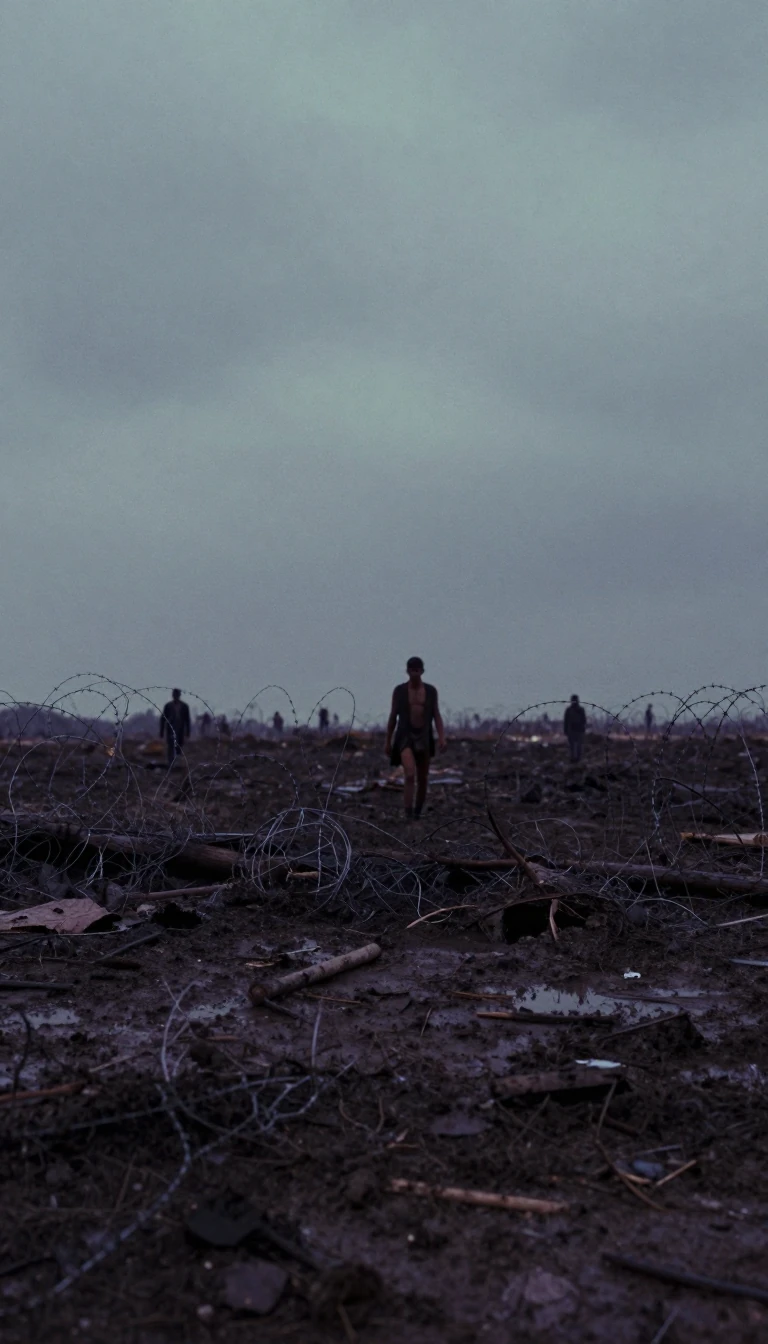
In short: In April 1918, Germany launched Operation Georgette, a massive offensive in Flanders designed to drive British forces into the English Channel. Despite early breakthroughs against exhausted Allied units, the German advance stalled. The operation ultimately failed to capture key supply hubs, leaving the front lines largely intact after weeks of carnage.
Operation Georgette was the second major phase of the German spring offensive, following the earlier Operation Michael. General Erich Ludendorff aimed to seize Ypres and cut off British supply lines running through Calais, Dunkirk, and Boulogne. The attack zone spanned roughly 40 kilometres, stretching from east of Ypres to east of Béthune. German forces, including specialized stormtroop units, targeted a front held by the British First and Second Armies, as well as the Belgian Army in the far north.
The offensive began on 9 April 1918 after a heavy bombardment. The German Sixth Army struck a sector held by the Portuguese 2nd Division, which was already depleted and awaiting relief. The division was quickly overrun, forcing a retreat. While the British 55th Division held its ground, other units collapsed, allowing the Germans to advance up to 8 kilometres. By 11 April, the situation was so dire that Field Marshal Douglas Haig issued his famous order for troops to fight with their backs to the wall.
Despite capturing towns like Merville and Armentières, the German advance was repeatedly halted by British reserves and the arrival of Australian and French reinforcements. By late April, the German high command realized their primary objectives—capturing the supply centre of Hazebrouck and forcing a withdrawal from the Ypres salient—were unattainable. The offensive was officially called off on 29 April. Casualty estimates for the battle vary significantly between historians, with figures for British losses ranging from roughly 76,000 to 160,000, reflecting the intense and chaotic nature of the fighting.
The battle also featured a controversial narrative regarding the Portuguese Expeditionary Corps. Field Marshal Haig claimed that thousands of Portuguese soldiers abandoned their posts before the German infantry arrived. However, later analysis of British combat records suggests this account was embellished. The fighting concluded with the German capture of the Scherpenberg hill, but the strategic outcome remained a failure for the German army, which had suffered heavy losses among its elite stormtroopers.
Opens the Intellect+ feed with this card first. Swipe up for the next one.
Sources
- Summary by Intellect · source: Battle of the Lys (1918)
- Also: Sabretache — The battle of the lys: April 1918 [Book Review] · CC0 (metadata)
- Also: DOAJ (DOAJ: Directory of Open Access Journals) — The Battle of the Lys. The Uncovered Historys · cc-by-sa
To cite this card, link to https://intellectplus.co.uk/app/wars-battle-of-the-lys-1918.
How we source, check and correct cards: Editorial standards.
General information, not professional advice. Spotted an error? Flag the card or see corrections and complaints.
Intellect Plus is a visual educational discovery platform for exploring fascinating facts and ideas. Brain Food, Not Brain Rot. What is Intellect Plus?
Related
More in Western Front (WWI) · More in Wars & Conflicts · Latest · A–Z · All topics
