The submarine that traded British pride for American nuclear power
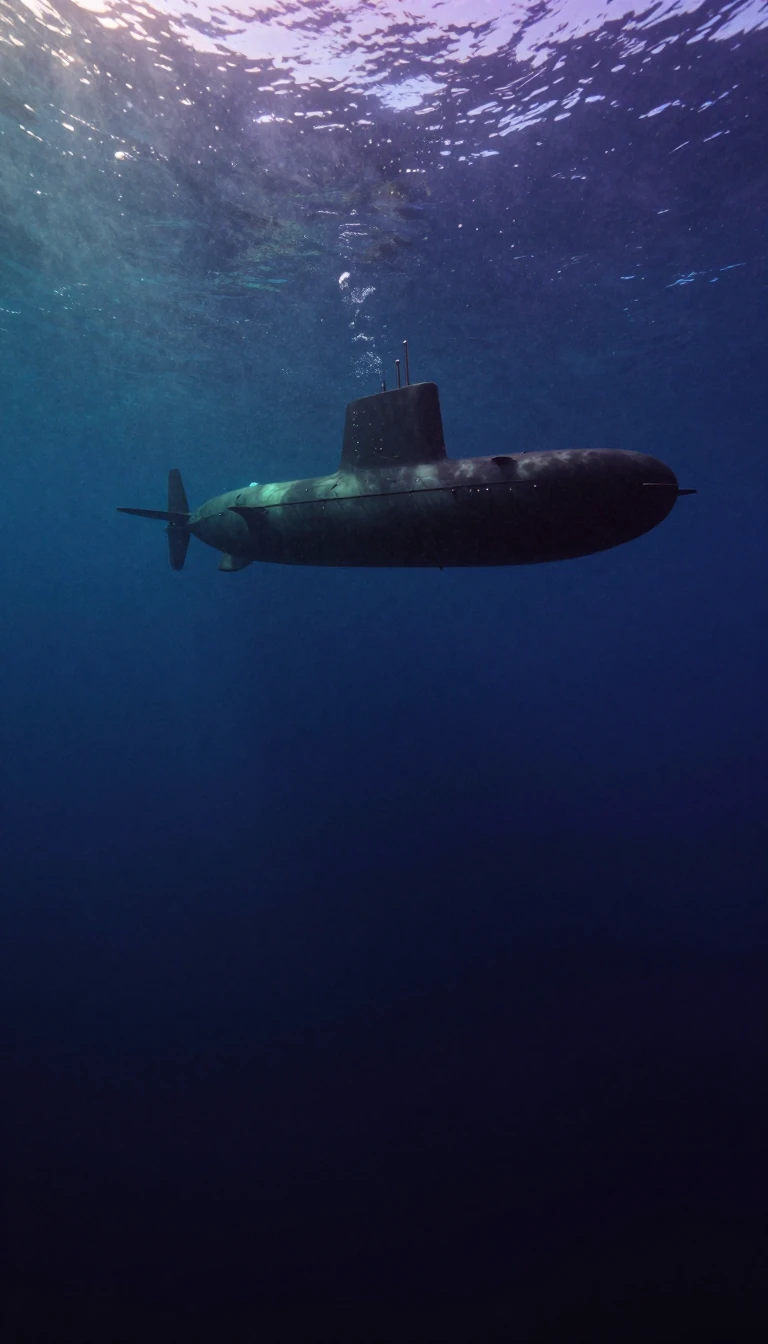
In short: In 1960, the Royal Navy launched a vessel that would redefine undersea warfare. While the UK aimed for total technological independence, the HMS Dreadnought became a masterpiece of compromise—a British hull powered by a secret, high-tech American heart, forged through high-level diplomacy and stubborn naval leadership.
The HMS Dreadnought (S101) was the United Kingdom's first nuclear-powered submarine, commissioned in April 1963. Its creation was born from a strategic pivot: while the Royal Navy had been researching nuclear propulsion since 1946, the 1955 completion of the USS Nautilus by the United States proved the overwhelming advantages of nuclear power over traditional British anti-submarine techniques. To accelerate progress, the Admiralty decided to accept American technology rather than building an entirely domestic system from scratch.
This decision sparked a notable diplomatic friction. Rear Admiral Hyman Rickover, the head of the American naval nuclear program, initially opposed any technology transfer and even blocked Admiral Mountbatten from inspecting the USS Nautilus. However, through Mountbatten's influence and a subsequent visit to Britain in 1956, Rickover relented. This cooperation culminated in the 1958 US–UK Mutual Defence Agreement, which allowed the UK to obtain the S5W reactor—a fifth-generation system from a Skipjack-class submarine—rather than the third-generation S3W reactor Rickover originally intended to supply.
The vessel was a hybrid of two nations. While the hull and combat systems were British, the construction practices were influenced by the Electric Boat Company. Meanwhile, a separate British effort by Rolls-Royce and the UK Atomic Energy Authority was developing a domestic PWR1 plant for the submarine Valiant. In 1971, the Dreadnought acted as a dependable vessel, famously reaching the North Pole as the UK's initial nuclear submarine to do so. It was eventually withdrawn in 1980 due to machinery damage and limited refit facilities, remaining in afloat storage today.
The name 'Dreadnought' was chosen specifically to evoke the revolutionary warship design of the early 20th century, signaling a new landmark in naval history. Today, she sits at Rosyth Dockyard, a preserved relic of the Cold War era whose nuclear fuel has been removed but whose interior remains largely intact.
Opens the Intellect+ feed with this card first. Swipe up for the next one.
Sources
- Summary by Intellect · source: HMS Dreadnought (S101)
To cite this card, link to https://intellectplus.co.uk/app/wars-hms-dreadnought-s101.
How we source, check and correct cards: Editorial standards.
General information, not professional advice. Spotted an error? Flag the card or see corrections and complaints.
Intellect Plus is a visual educational discovery platform for exploring fascinating facts and ideas. Brain Food, Not Brain Rot. What is Intellect Plus?
Related
More in Submarines · More in Wars & Conflicts · Latest · A–Z · All topics
