Britain’s nuclear deterrent relies on a continuous, invisible presence beneath the ocean’s surface
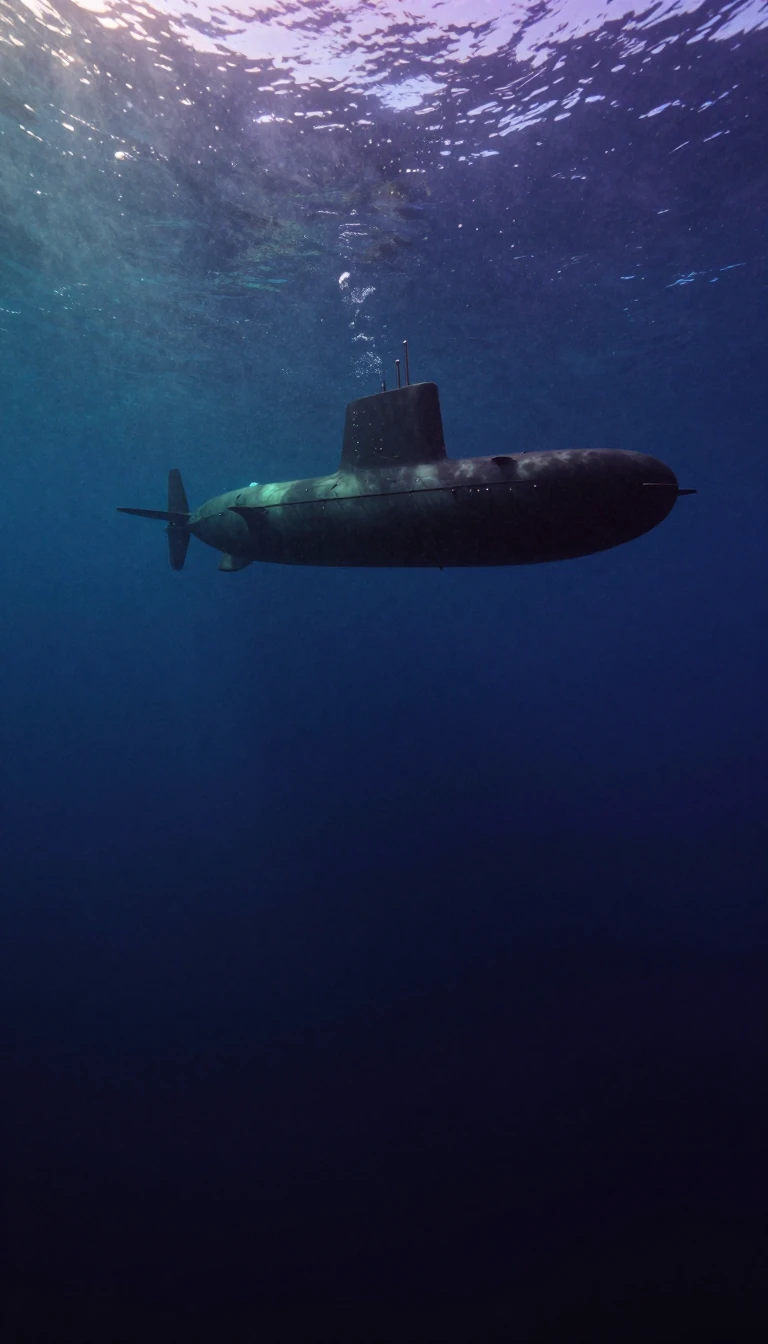
In short: Since 1969, the United Kingdom has maintained a constant nuclear-armed submarine patrol, ensuring at least one vessel is always at sea. This unique commitment makes Britain the only nuclear-armed nation to rely exclusively on sea-launched weapons, a strategy sustained by a complex history of wartime collaboration and independent innovation.
The British nuclear programme began in 1941 as Tube Alloys, an urgent wartime effort to develop an atomic bomb. By 1943, this project merged with the American Manhattan Project under the Quebec Agreement. However, post-war geopolitical shifts and the 1946 McMahon Act abruptly ended technical cooperation, leaving Britain to pursue its own path. This isolation forced the UK to build its own production infrastructure, including reactors at Windscale and enrichment facilities at Capenhurst, culminating in the 1952 test of its first nuclear device in Australia.
Today, the UK’s nuclear capability is centered on the Trident programme. This system utilizes four Vanguard-class submarines stationed at HMNB Clyde. Each submarine carries up to sixteen ballistic missiles, which can be equipped with multiple independently targetable re-entry vehicles. This sea-based approach is a departure from the Cold War era, when the Royal Air Force maintained a strategic V bomber fleet and operated various tactical nuclear weapons. The transition to an exclusively maritime deterrent was solidified in 1998, when Trident became the sole British nuclear system.
Command and control authority is held by the Prime Minister, who provides instructions to submarine crews via handwritten letters of last resort in the event of a national decapitation strike. Notably, British nuclear weapons lack permissive action links, meaning crews possess the capability to launch independently. While the UK maintains a close nuclear relationship with the United States, including the exchange of designs and materials under the 1958 Mutual Defence Agreement, the operational independence of the submarine fleet remains the cornerstone of the nation’s strategic posture.
Opens the Intellect+ feed with this card first. Swipe up for the next one.
Sources
- Summary by Intellect · source: Nuclear weapons of the United Kingdom
To cite this card, link to https://intellectplus.co.uk/app/wars-nuclear-weapons-of-the-united-kingdom.
How we source, check and correct cards: Editorial standards.
General information, not professional advice. Spotted an error? Flag the card or see corrections and complaints.
Intellect Plus is a visual educational discovery platform for exploring fascinating facts and ideas. Brain Food, Not Brain Rot. What is Intellect Plus?
Related
More in War and military · More in Wars & Conflicts · Latest · A–Z · All topics
