The first great European diaspora was not a modern phenomenon
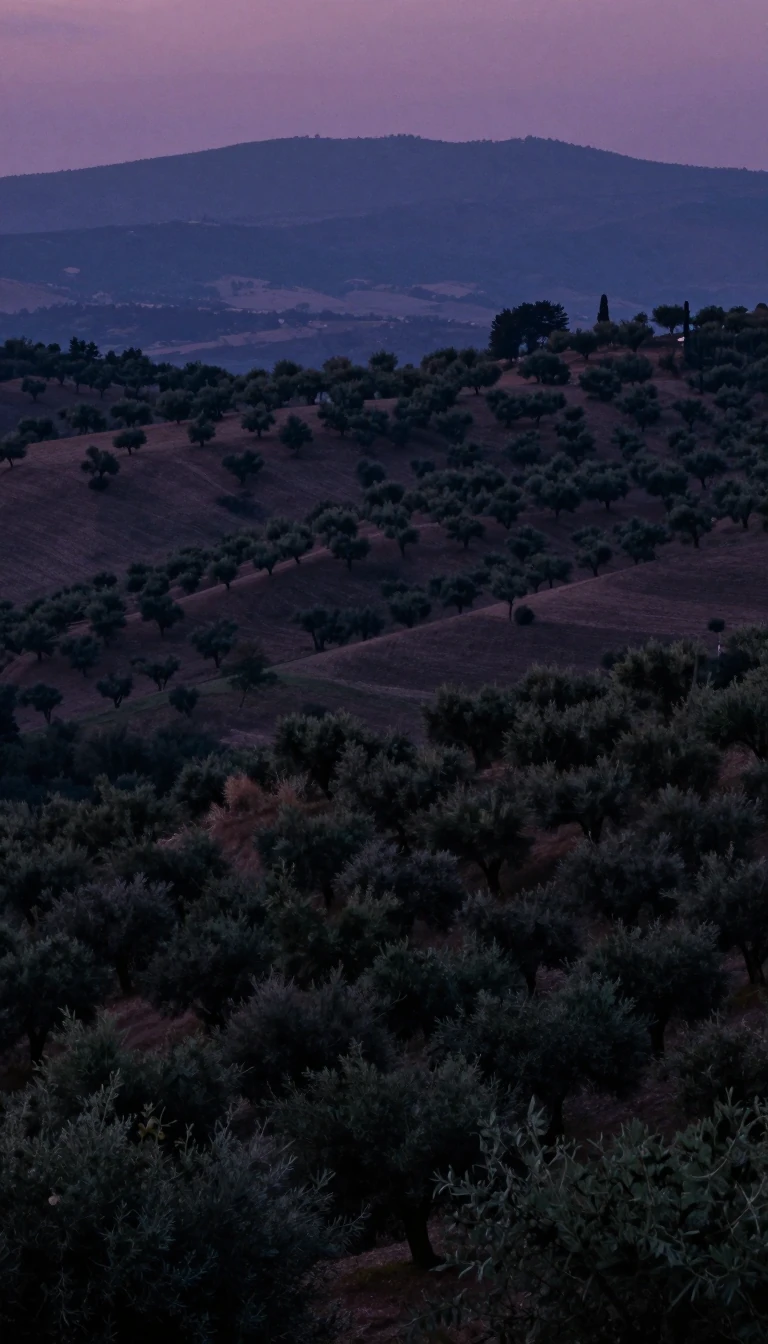
In short: Long before the 20th-century waves of migration, Spain became one of Europe's earliest and largest emigrating populations. This massive dispersal began in the 15th century, fundamentally reshaping the demographics of entire continents and creating deep ancestral roots that still define national identities today.
The Spanish diaspora is anchored in the Age of Discovery, specifically beginning with the colonization of the Canary Islands in 1402. Authorized under a feudal agreement to Norman noblemen Jean de Béthencourt and Gadifer de la Salle, this initial move was driven by economic motives—specifically seeking dyes like orchil lichen. The conquest involved long, bloody wars against the native Guanche people, with complete pacification not achieved until 1495.
Following the 1492 victory over the Moors in Granada, the Spanish expansion accelerated. While Christopher Columbus's voyage was an inadvertent 'discovery' of the Americas, it inaugurated a period where Spain became one of Europe's first major emigrating populations. By the first half of the 16th century, Spaniards were concentrated heavily in the vice-royalties of New Spain and Peru, establishing a demographic footprint that persists today.
The diaspora took distinct paths across different regions. In Argentina, nearly five million Spaniards migrated between 1846 and 1932, making the vast majority of Argentinians Spanish-descended. Similarly, Bolivian people of European ancestry are predominantly descended from those who emigrated five centuries ago. While modern migration patterns have shifted—with Spain becoming a receiver country after joining the European Community in 1985—the historical legacy remains visible in countries like Chile and Cuba, where original settlers' cultures evolved into distinct national folkways.
Today, the data reflects a complex mix of nationality and heritage. While over 3 million people with Spanish nationality live abroad as of 2025, only about 855,000 are natural-born Spaniards. This highlights the distinction between 'Hispanic'—a general term for Spanish-speaking populations—and the specific diaspora of those holding Spanish nationality.
Opens the Intellect+ feed with this card first. Swipe up for the next one.
Sources
- Summary by Intellect · source: Spanish diaspora
To cite this card, link to https://intellectplus.co.uk/app/wars-spanish-diaspora.
How we source, check and correct cards: Editorial standards.
General information, not professional advice. Spotted an error? Flag the card or see corrections and complaints.
Intellect Plus is a visual educational discovery platform for exploring fascinating facts and ideas. Brain Food, Not Brain Rot. What is Intellect Plus?
Related
More in Medieval wars · More in Wars & Conflicts · Latest · A–Z · All topics
