 Intellect Plus
Ethnology and anthropology
78 cards. Each one is a 40-second story with a five-minute read behind it. Page 2 of 2.
 Before European arrival, South America was a continent of complex, highly adapted civilizations.Long before the 16th-century conquest, South America was home to diverse societies that mastered their environments. From sophisticated Andean empires to innovative Amazonian agri…
 Why do humans trade, gift, and hoard in ways that defy pure economic logic?Economic anthropology reveals that human exchange is rarely just about efficiency. By studying how societies produce and consume goods through the lens of history and culture, thi…
 Habesha is a complex, contested cultural identity rather than a single ethnic group.The term Habesha has evolved from ancient South Arabian inscriptions to a modern, often debated, supra-national identifier for Ethiopians and Eritreans. While historically linked …
 Why the world's most dangerous job remains a fiercely independent way of lifeFrom the Mesolithic era to modern industrial fleets, fishing has evolved from a survival necessity into a complex global industry. Yet, despite extreme occupational hazards and hi…
- Why judging other cultures by your own standards is a scientific errorWe often believe our values are universal truths, but anthropologists argue this is merely ethnocentrism. To truly understand a society, one must look through its own lens, recogn…
 The Ewe people define their unity through shared language and ancestral traditions of originSpanning southeastern Ghana, southern Benin, and Togo, the Ewe people are a Gbe-speaking group with a history marked by migration, colonial division, and complex spiritual beliefs…
 Why the world’s most feared soldiers trace their origins to a Himalayan kingdomFor over two centuries, Gurkha soldiers have earned a reputation as some of the finest, fiercest fighters in history. Originating from the Gorkha region of Nepal, these troops tra…
 How China’s state-defined ethnic categories reshaped the identity of millions of its citizensThe People's Republic of China officially recognizes 55 ethnic minority groups, a system established after 1949 using Soviet-inspired criteria. This state-led classification proje…
- The strategic power of the Chickasaw: how a small tribe mastered colonial diplomacyThough often described as a small tribe, the Chickasaw were a formidable trade power. By navigating the complex rivalries between the British, French, and Spanish, they leveraged …
 Why the Dogon people built their homes into the steep cliffs of MaliThe Dogon people of Mali are renowned for their striking cliffside villages along the Bandiagara escarpment. These architectural marvels were not merely aesthetic choices; they se…
 The Chumash people mastered the open ocean with sophisticated plank canoe technologyLong before European contact, the Chumash thrived along the California coast by engineering advanced maritime vessels. These skilled navigators utilized specialized plank canoes t…
 Why do societies change? The secret lies in the bedrock of material life.Marvin Harris proposed that culture is not a random collection of ideas but a system driven by material reality. By prioritizing infrastructure—how we produce and reproduce—over b…
 Are there traits that define every human culture, or are we just guessing?From music to the use of fire, certain patterns appear across all human societies. Scientists call these cultural universals, suggesting they reflect our shared psychological arch…
- Why biological anthropology is the ultimate lens for understanding the human experienceBiological anthropology bridges the gap between the natural sciences and the humanities. By examining human evolution, biological variation, and our closest primate relatives, thi…
- Why do humans cling to the sacred? The shifting lens of anthropological inquiry.Anthropology of religion began by trying to map the evolution of human belief, from primitive magic to modern science. Today, the field has abandoned those rigid hierarchies. Inst…
 The Cantonese people are a distinct Han sub-group with roots in ancient southern migrations.Often conflated with the broader population of Guangdong, the Cantonese are a specific group with a unique linguistic and cultural identity. From their origins in the Nanyue kingd…
 The Bamar people of Myanmar: A deep dive into a complex, fluid identityThe Bamar are the largest ethnic group in Myanmar, yet their identity is far more permeable than a simple label suggests. Defined by language, religion, and a history of assimilat…
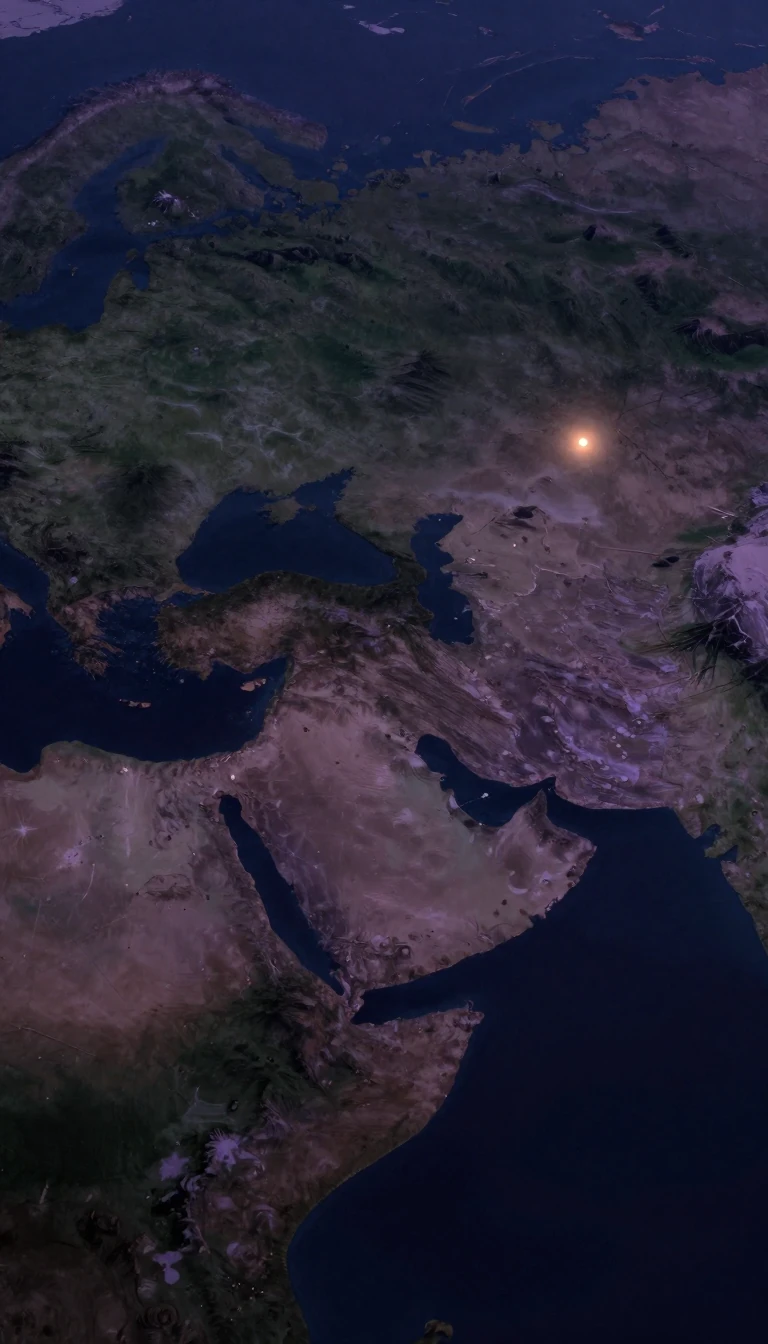 The term Asian is a modern, shifting label for a continent of ancient migrations.Asia is not a monolith, but a tapestry woven from 60,000 years of movement. From the Mongolian plateaus to the coasts of Southeast Asia, prehistoric migrations and later imperial …