 Intellect Plus
Peoples & civilisations
1,467 cards. Each one is a 40-second story with a five-minute read behind it. Page 25 of 25.
 The silent disappearance of the world's linguistic diversityBy 2050, an estimated 90% of the world's 7,000 languages could vanish forever. This is not merely a loss of words, but the erasure of entire cultural identities through the slow, …
 Why the world calls the same place by many different namesIs it Germany, Deutschland, or Germania? The names we use for places and people often depend entirely on who is speaking. Understanding the tension between how a community identif…
 The vanished echoes of a language family that once spanned a continentOnce spoken from the Iberian Peninsula to central Anatolia, the Celtic languages have retreated to the European fringe. While some branches are extinct, others have staged remarka…
 The living echo of a 3,400-year-old linguistic legacyWhile most languages fade into the archives, Greek persists. It holds the record for the longest documented history of any Indo-European tongue, bridging the gap between Bronze Ag…
 The massive linguistic empire that once spanned the entire Pacific OceanBefore colonial expansions, the Austronesian language family held the largest geographic reach of any language group. From the coast of Madagascar to Easter Island, these language…
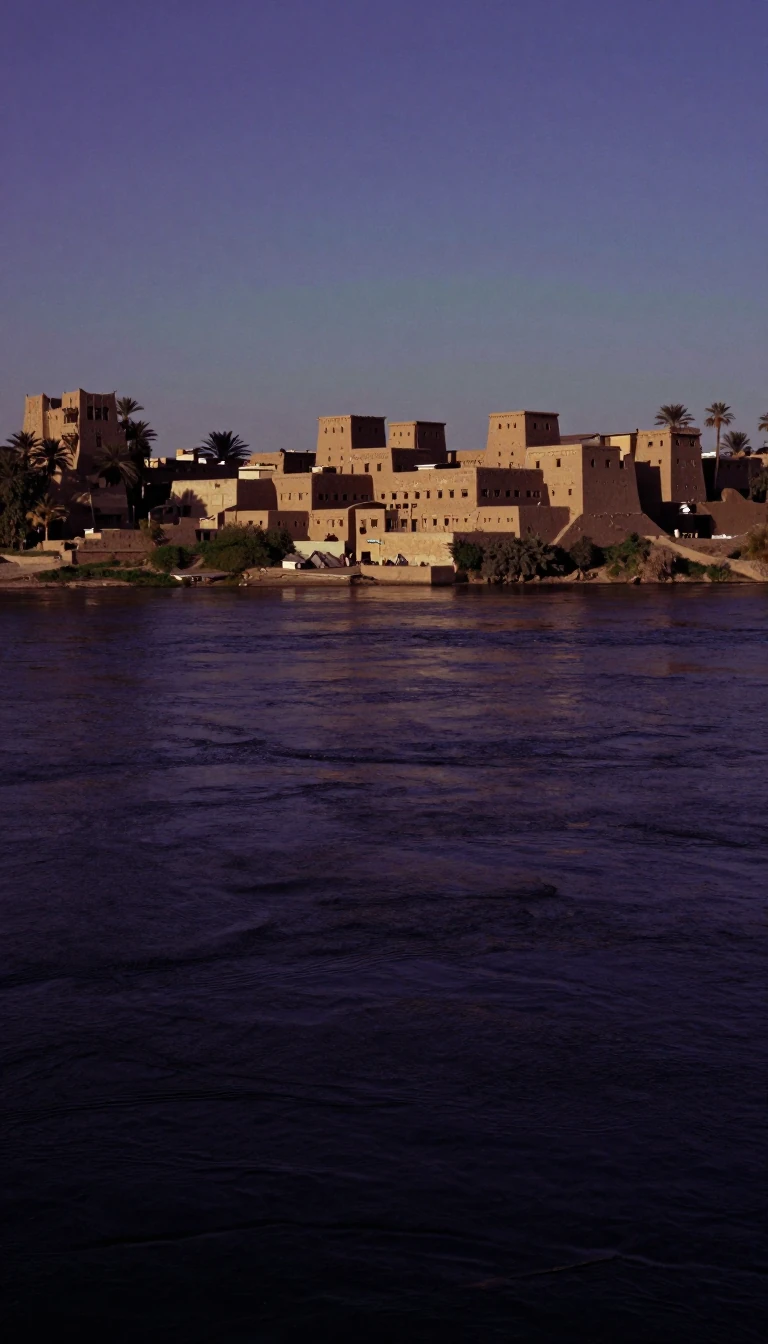 The seasonal rhythm that shaped an entire civilizationFor millennia, the lifeblood of Northeast Africa has been defined by a predictable, life-giving pulse. The annual flooding of the Nile did more than just water the desert; it depo…
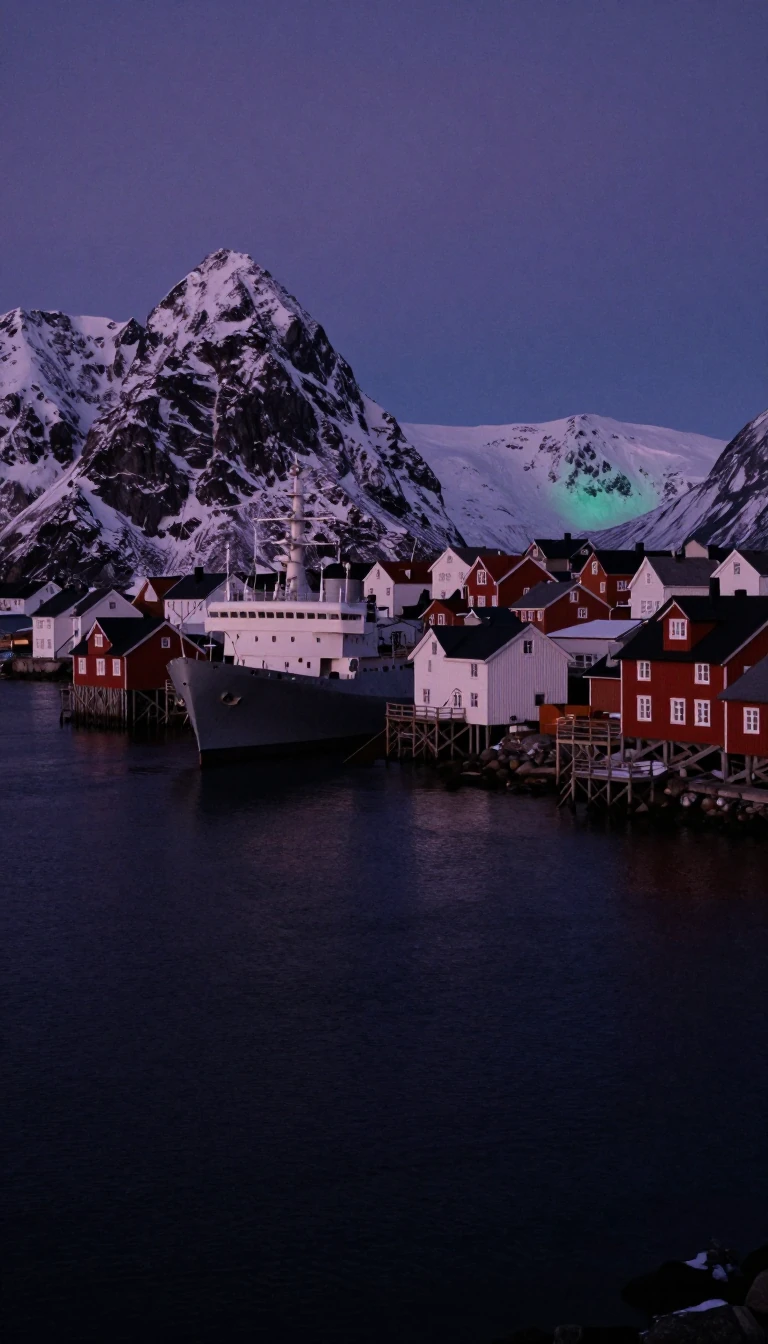 The Atlantic province that was once a separate dominionBefore it was Canada's newest province, Newfoundland was a self-governing dominion within the British Empire. From Viking landings to a sudden dissolution of its own government, t…
 How a single era transformed an isolated feudal society into a global powerIn 1868, Japan underwent a profound metamorphosis. Driven by the threat of Western colonization, the Meiji era dismantled centuries of shogunate rule, replacing a rigid four-tiere…
 The super-athlete gene: how Tibetans mastered the thin air of the high plateauLiving above 4,400 metres requires more than just grit. To survive the oxygen-starved atmosphere, the Tibetan people developed a remarkable biological advantage. Through a rapid g…
 The lost voices of the Celts: reconstructing a religion from fragmentsWith no native written records, the ancient Celtic faith survives only through the biased lenses of Roman conquerors, Christian monks, and silent archaeology. How do we piece toge…
 The 20th-century invention of a centuries-old identityFor much of history, the people of the Tarim Basin had no common name. They identified by their home oases or their faith. It was only through a 1921 Soviet-led conference that a …
 The ancient art of steering the stateThe word government comes from the Greek 'kubernáo', meaning to steer with a rudder. From the first city-states 5,000 years ago to modern federal republics, the fundamental challe…
 Are the Basques the last living fossils of Neolithic Europe?Often called the 'living fossils' of the continent, the Basques possess a genetic and linguistic heritage that predates many modern European populations. But how much of this anci…
 How a group of disciplined Oxford students transformed the Church of EnglandThey were nicknamed Methodists for their rigorous, systematic devotion to faith. What began as a small student club at Oxford University, focused on visiting prisoners and the poo…
 How Did 'Ancient History' Become a Scientific Discipline?The study of the past, derived from the Greek for 'ancient things' and 'science,' has a complex lineage. It evolved from earlier pursuits, moving from mere description to rigorous…
- The West is not a place, but a shifting cultural ideaWe often think of the West as a fixed map of nations. In reality, it is an evolving concept of synergy, moving from a simple directional term for the sunset to a complex socio-pol…
 How a 14th-century plague unintentionally protected an indigenous way of lifeWhen the Black Death devastated northern Norway in 1349, the Sámi people faced a different fate than their Scandinavian neighbors. While trade routes brought devastation to coasta…
 The political protest that accidentally renamed a global religious movementIn 1529, a group of German princes and free cities issued a formal dissent against an imperial edict. They didn't set out to create a new branch of Christianity; they simply chose…
 Was the first religion of humanity actually a belief in many gods?While we often view monotheism as a modern peak of religious evolution, scholars suggest a much more complex history. From ancient Egyptian solar cults to the Vedic traditions of …
 The ancient roots and modern complexities of the State of IsraelFrom prehistoric human traces to a high-tech global economy, the Levant has seen empires rise and fall. Discover how a region of shifting demographics and ancient kingdoms became …
 The global identity that defies a single definitionWith populations estimated between 250 and 600 million, Indigenous peoples inhabit every continent. Yet, despite their profound impact on global biodiversity, international law la…
 Were our ancestors actually more prosperous than we are today?We often imagine prehistoric life as a desperate struggle for survival. Yet, some anthropologists argue that hunter-gatherers lived in an 'affluent' state, working far fewer hours…
 The linguistic battle to reclaim a name from its pejorative rootsFor decades, the Hmong people were identified by outsiders using terms that translated to 'barbarian' or even 'cat.' Today, a global movement is reshaping how this ancient ethnic …
 The coastline paradox: why Norway’s coast is simultaneously 2,500 and 29,000 kilometers longA fjord is more than just a beautiful landscape; it is a geological scar left by retreating glaciers. These deep, narrow inlets create a mathematical mystery where the measurement…
 The science of the household: why ecology is more than just natureDerived from the Greek word for 'house', ecology is the study of how life interacts with its environment. From the microscopic bacteria in our bodies to the global regulation of t…
 The celestial dance of light is actually a collision of solar particles and our atmosphereBeyond the shimmering curtains and radiant spirals lies a high-stakes physical collision. When charged particles from the sun strike Earth's upper atmosphere, they excite oxygen a…
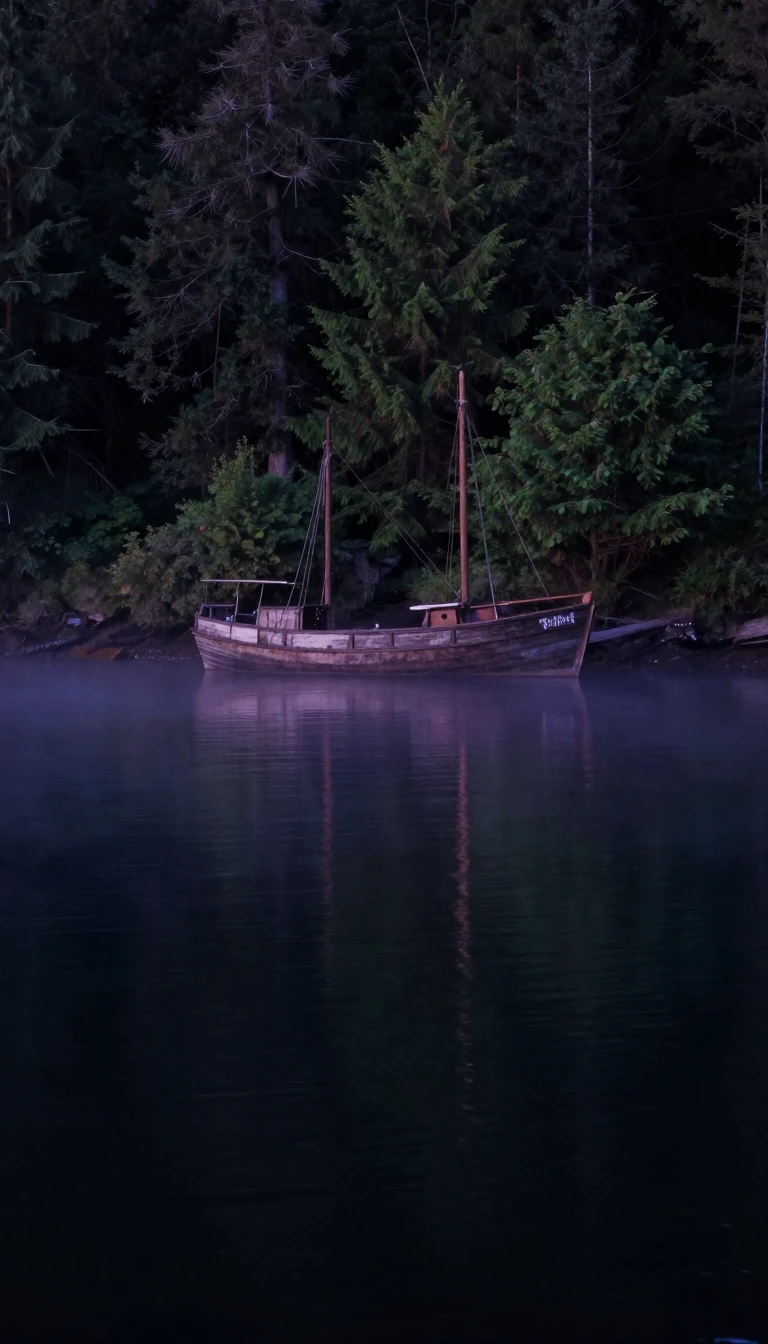 The world's oldest continuous culture may have arrived 60,000 years agoWhile many view ancient migrations as simple treks, the arrival of Aboriginal Australians involved sophisticated seafaring across the Wallace Line. As sea levels rose, these popul…