 Intellect Plus
Peoples & civilisations
1,467 cards. Each one is a 40-second story with a five-minute read behind it. Page 22 of 25.
 Did the first Europeans arrive in New Zealand as mythical goblins?The term Pākehā is often misunderstood as a slur, but its origins may lie in a supernatural encounter. When European sailors first rowed toward the shore, facing backward in their…
 Why the Canadian House of Commons slams its doors during ceremoniesIn the Canadian Parliament, a symbolic door slam serves as a powerful reminder of legislative independence. This ritual, performed by the Usher of the Black Rod, highlights the hi…
 The disputed legacy of a vote held at gunpointIn 1969, a pivotal vote decided the fate of Western New Guinea. But was it a true expression of self-determination, or a manufactured mandate? Behind the integration of Papua into…
 The ancient maritime highway that shaped the Philippine archipelagoLong before modern borders, a vast sea-based trade network moved precious stones across the waves. Known as the Maritime Jade Road, this prehistoric system connected distant islan…
 The ancient, heavy-duty engine that shaped human civilizationLong before the steam engine, the ox was the world's primary source of power. Capable of pulling heavier loads for longer durations than horses, these steady beasts provided the m…
 The lost descendants of the Alans: tracing a nomadic empire across continentsFrom the plains of Hungary to the mountains of Mongolia, the remnants of the Alanic people scattered across history. While many groups vanished through assimilation, the Ossetians…
 The eight-year cycle of a nation's leadershipIn the heart of Ethiopia, a sophisticated system of governance once dictated the rhythm of life. Through the Gadaa system, leaders were elected for strictly defined eight-year ter…
 From Odin’s sacred sanctuary to a global leader in roboticsLong before it became a high-tech hub for modern machinery, Odense was a site of ancient Norse worship. This Danish city has survived royal rivalries, devastating fires, and the d…
 The world's northernmost capital is a thriving hub of indigenous identityAt 64°11' N, Nuuk sits further north than Reykjavík. While many global cities struggle with cultural erasure, this Greenlandic capital maintains a profound connection to its Inuit…
 The Great Shrinking: How one Canadian territory lost half its landOnce a vast expanse covering much of modern Canada, the Northwest Territories has been steadily whittled away. From its massive 19th-century borders to its current boundaries, the…
 The centuries-long hunt for a shortcut to the riches of AsiaFor five hundred years, the Northwest Passage was the ultimate maritime obsession. Driven by the desire to bypass disrupted overland trade routes, legendary explorers braved crush…
 The world's most isolated tribe lives in a strictly enforced exclusion zoneDeep in the Bay of Bengal, North Sentinel Island remains a sovereign anomaly. Protected by the Indian Navy, this forested territory is home to the Sentinelese, a hunter-gatherer c…
 The linguistic evolution that separated the North Germanic languages from their neighborsWhile English and German share deep roots with the Nordic languages, a distinct identity emerged in Northern Europe. Understanding how these tongues diverged requires looking past…
 The nomadic empire that shaped the Eurasian steppeFrom the Golden Horde to the Ottoman Empire, the Nogai people have navigated centuries of displacement and conquest. Once a powerful force of kingmakers and cavalry, their history…
 Was the 'noble savage' a profound truth or a colonial fantasy?For centuries, Western thinkers have romanticized the 'primitive' as a state of pure, uncorrupted goodness. But beneath this admiration for nature's gentleman lies a complex tensi…
- The waters joining in the night: meeting the new Māori QueenWhen her grandmother heard of her birth, a name was chosen to reflect a midnight meeting of rivers. Now, Nga wai hono i te po has ascended the throne, representing a powerful cont…
 The legendary All Blacks: more than just a winning streakWith a 76% winning record and multiple World Cup titles, New Zealand's national rugby team is often cited as the most successful sports team in history. But behind the iconic blac…
 How a flightless bird became a global currency heavyweightIn 1967, New Zealand abandoned a complex colonial system for a decimalised dollar. Today, this currency—often called the 'Kiwi'—is a top-ten global player, representing a massive …
 The 5,000-year-old solar clock that predates the pyramidsLong before the first stone was laid at Stonehenge or the Great Pyramid of Giza, Neolithic builders in Ireland engineered a masterpiece of precision. Newgrange is not just a tomb;…
 How a prehistoric fossil helped define a professional hockey identityBefore they were the Predators, Nashville was courting the New Jersey Devils. When that relocation failed, the city had to build a brand from scratch—eventually finding inspiratio…
 The Arctic's 'corpse-whale' uses a sensory sword to navigate the deepKnown as the 'unicorn of the sea,' the narwhal possesses a spiralled tusk that is far more than a decorative weapon. This extraordinary organ is a highly sensitive sensory tool, c…
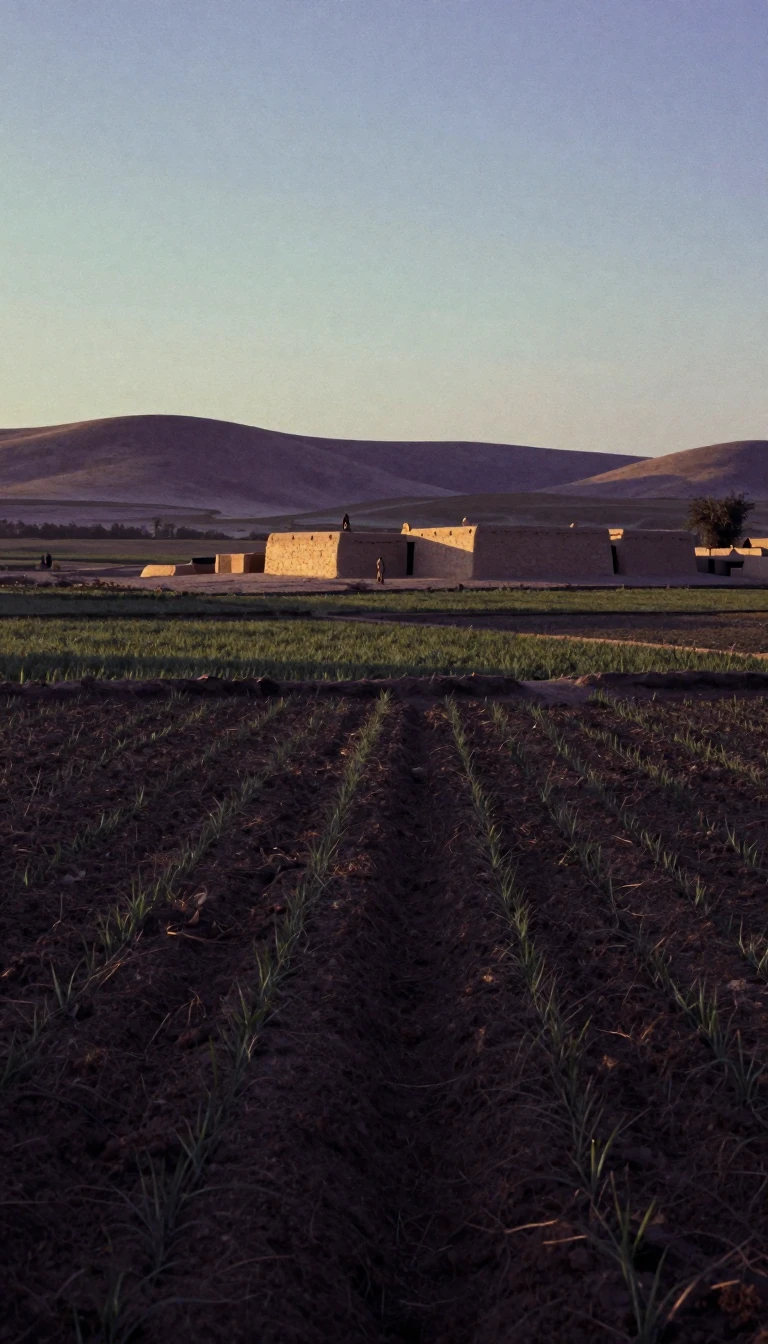 The linguistic clarity of a civilization that shaped MexicoThe Nahua are not just the people behind the Aztec Empire. From the deserts of Aridoamerica to the heart of Mesoamerica, their language—meaning 'to speak clearly'—once served as t…
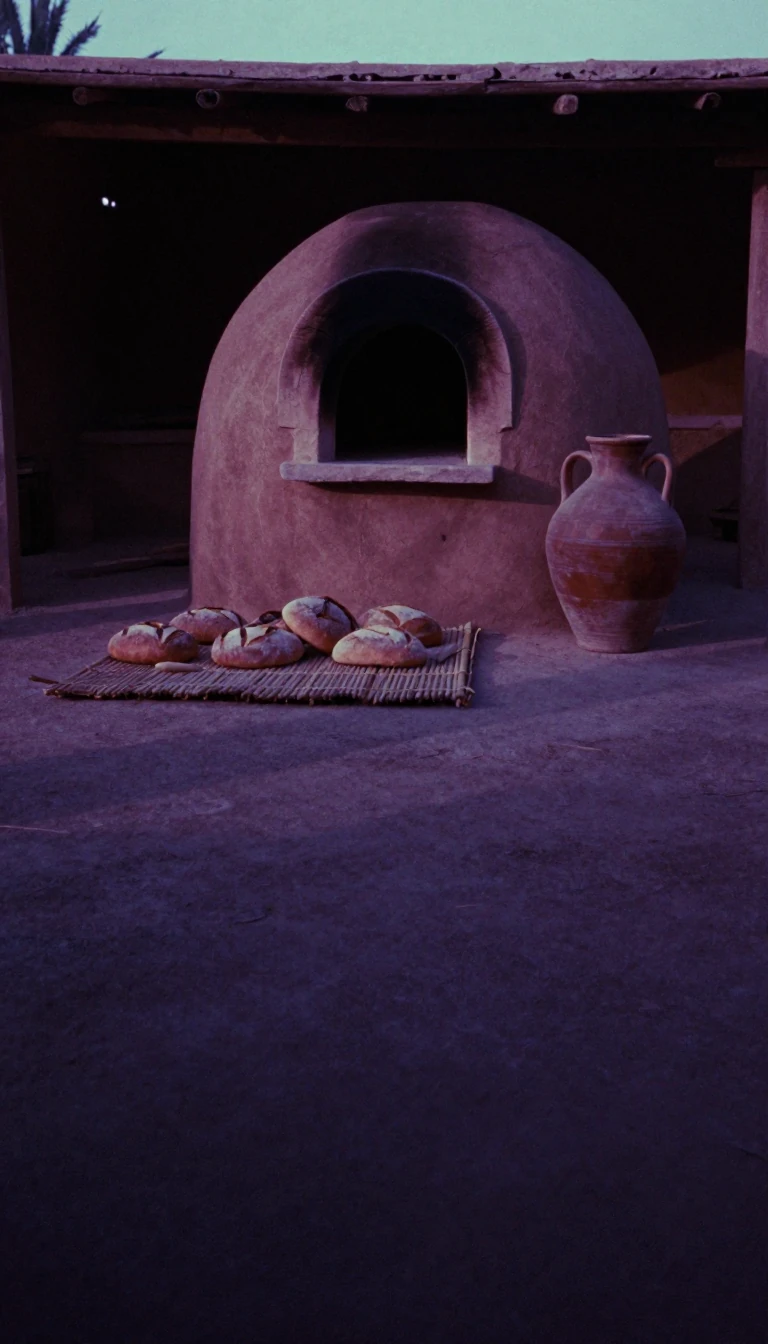 The royal delicacy that once belonged only to the Mughal eliteLong before it became a global staple in curry houses, naan was a rare luxury. Reserved for nobles and royal families, this leavened flatbread required a specialized, time-consumi…
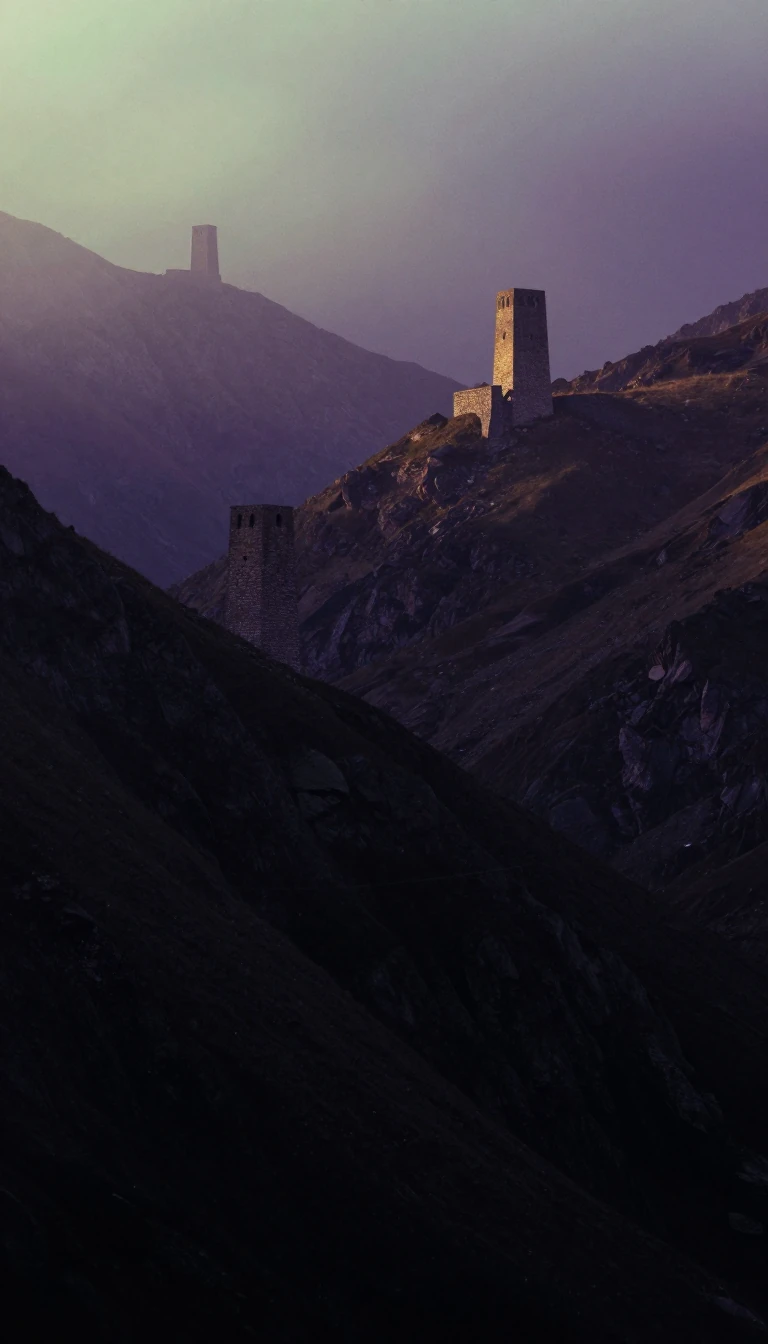 How a Persian diaspora survived the Caucasus through cavalry and clever identityTracing their roots to ancient Persia, the Mountain Jews navigated centuries of upheaval. From serving as frontier guards in the Sasanian Empire to surviving Nazi occupation throu…
 The pacifist code that led to a near-extinctionIn the 1830s, the Moriori people of the Chatham Islands faced a devastating invasion. Bound by a sacred law of non-violence known as the Law of Nunuku, they chose moral integrity …
- The survival of a language once banned in the classroomIn the early 20th century, Māori children faced corporal punishment for speaking their ancestral tongue. Today, te reo Māori is an official language of New Zealand, but the path f…
- The Protestant movement that predates Martin Luther by sixty yearsLong before the famous Reformation, a radical group of Bohemian rebels was already challenging the Catholic Church. From underground resistance in the 15th century to establishing…
 The uniquely democratic royal family of NorwayWhile most monarchies rely on ancient bloodlines, Norway’s throne is maintained by the ballot box. From Viking chieftains to a modern constitutional system, discover how a kingdom…
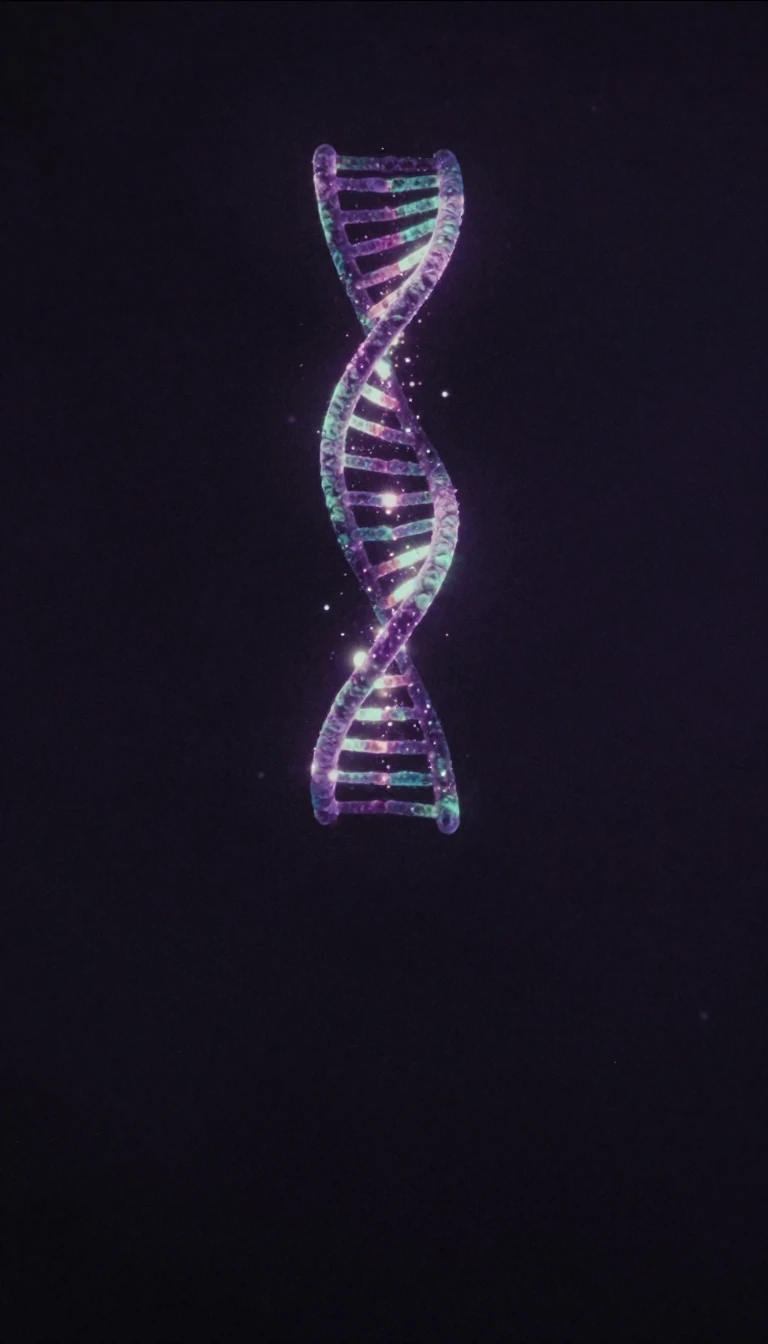 The ancient bacterial secret hidden inside your cellsMost of your genetic blueprint lives in the cell nucleus, but a tiny, circular fragment of DNA operates by its own rules. This mitochondrial genome is a relic of an ancient takeov…
- The Roman god of thieves was actually a master of cultural integrationMercury was far more than just a Roman deity of commerce and trickery. As the Roman Republic expanded, this god of boundaries became a powerful tool for religious syncretism, abso…
- The ancient genetic mystery of the Melanesian islandsFor decades, scholars believed Polynesians emerged from a small group of Melanesian migrants. New genomic evidence has overturned this theory, revealing a complex history of rapid…
 What is 'Mainland China' and why does its definition shift?The term 'Mainland China' is a geopolitical construct, not merely a map boundary. Its meaning shifts depending on whether you are referencing PRC law, historical context, or inter…
- Mastery in All Arts: The Myth of the Polymathic HeroSome figures in mythology embody such comprehensive skill that their very existence challenges our understanding of human potential. Lugh is celebrated not just for one talent, bu…
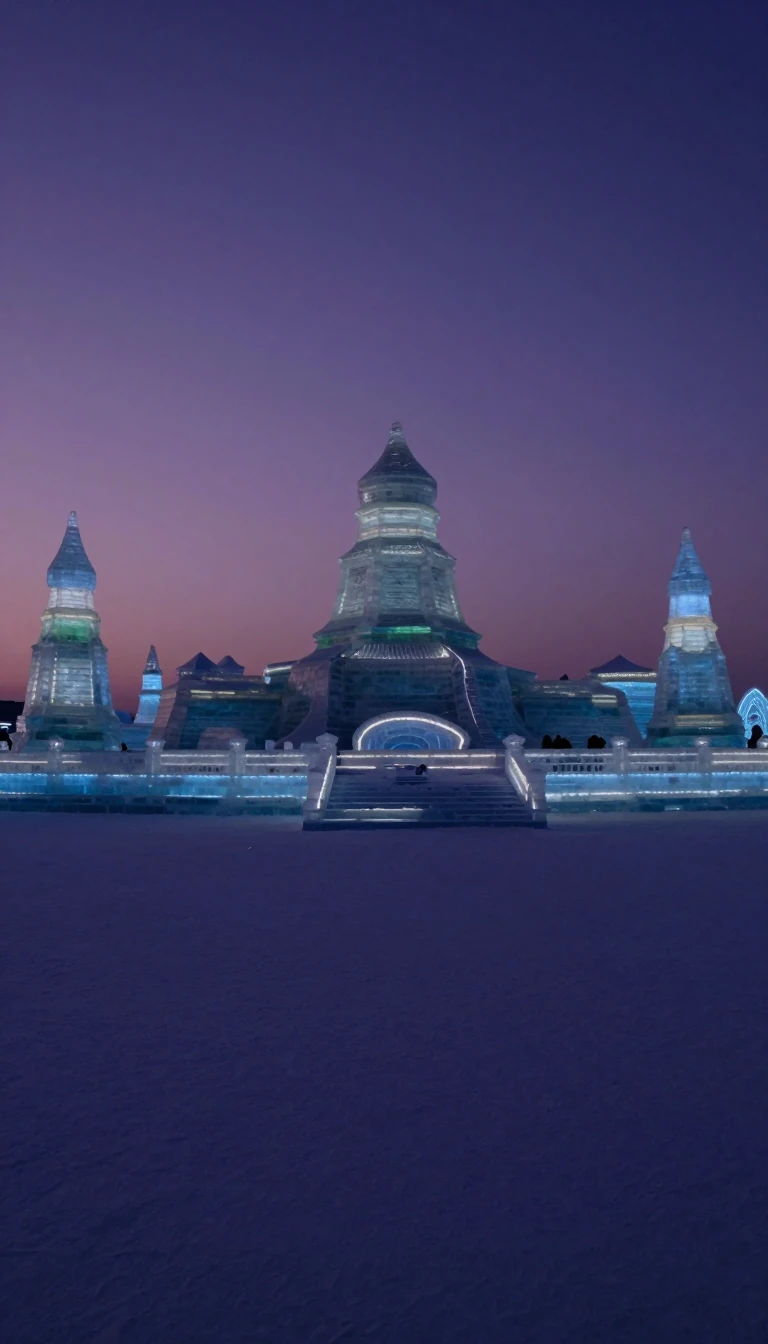 Did the Ice Sheet Sculpt Lapland's Landscape Over 10,000 Years Ago?The topography of Lapland is a complex record of immense geological forces. From the massive ice sheets of the Quaternary period to the modern-day permafrost, the land tells a sto…
 From Illiteracy to Icon: The Unlikely Ascent of Lance HenriksenBefore the acclaimed roles in sci-fi epics and genre classics, Lance Henriksen faced profound personal struggles, including illiteracy until his thirties. His journey from a troub…
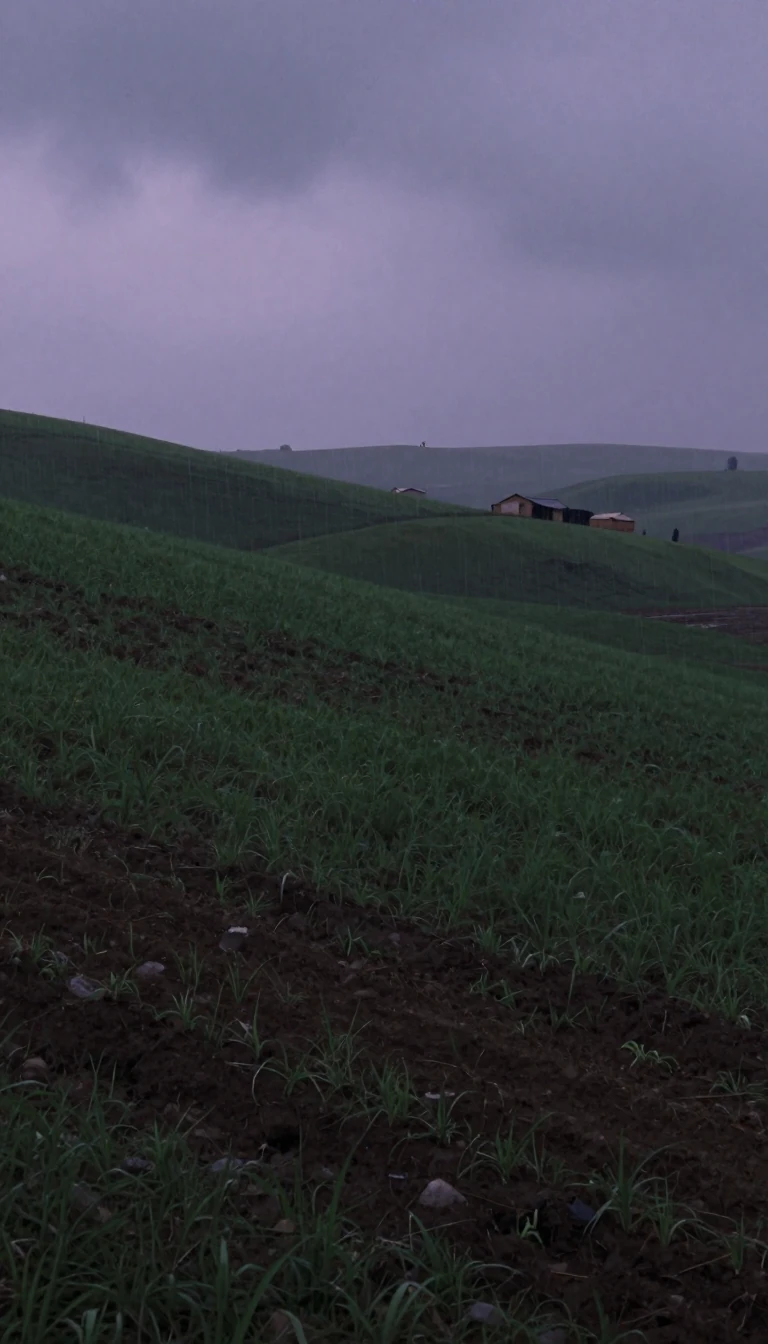 From Roman Trade Routes to Volta's Gas: Lake Maggiore's Deep HistoryThis vast, sinuous body of water has shaped civilizations for millennia. Its waters were once crucial for transporting everything from marble to military might, and its depths eve…
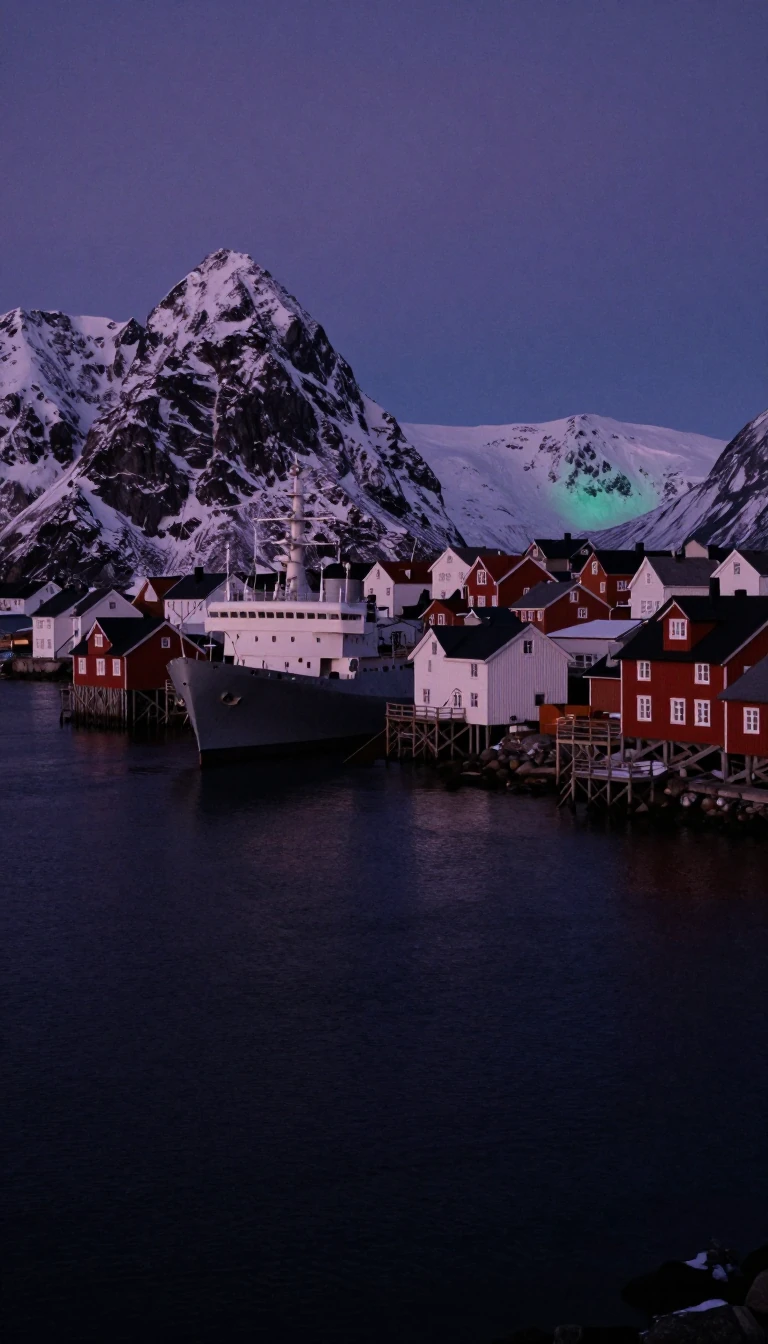 How Did the Arctic's Deepest Borehole Reveal Earth's Hidden Riches?The Kola Peninsula, situated deep within the Arctic Circle, holds resources so vast they shaped global industry. Its history is a complex weave of indigenous life, imperial ambiti…
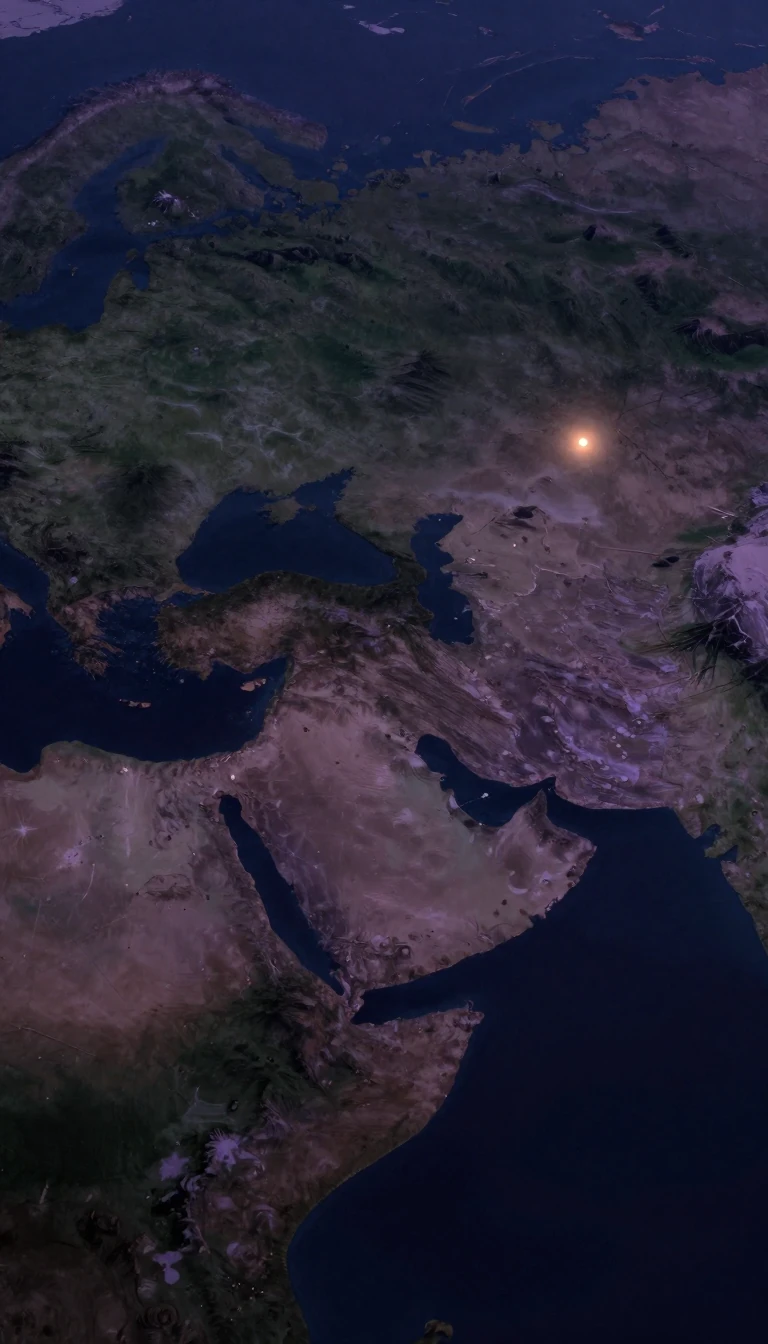 Europe’s Only Buddhist Nation: A Journey Across ContinentsHow did a nomadic people, once rooted in Central Asia, establish a distinct Buddhist culture on the edge of Europe? The Kalmyks' journey involved migrations spanning thousands of …
 How Did One Culture Maintain Its Faith Amidst Empires and Conversion?The Kalash people maintain a unique cultural identity in Pakistan's mountainous regions. Their blend of animism and Indo-Iranian elements sets them apart from surrounding groups. …
 How Did a Bassist Redefine the Role of the Electric Bass?Before Jaco Pastorius, the bass often remained a rhythmic anchor. He revolutionized the instrument, transforming it into a lead voice capable of complex melodies. His pioneering t…
 Was the Israelite State a Myth or a Historical Reality?The narrative of the Israelites—from a family in Egypt to a complex kingdom—is deeply woven into scripture. However, modern scholarship suggests this history is a layered construc…
 The ancient roots of the Iranian identity lie in the Eurasian steppeLong before the modern borders of Iran were drawn, a diverse collection of Indo-European tribes expanded across the vast Eurasian Steppe. From the invention of the chariot to the …
- The Arctic capital that was once a strategic military outpostLong before it became the capital of Nunavut, Iqaluit was a vital piece of wartime infrastructure. Known then as Frobisher Bay, this isolated community transformed from a traditio…
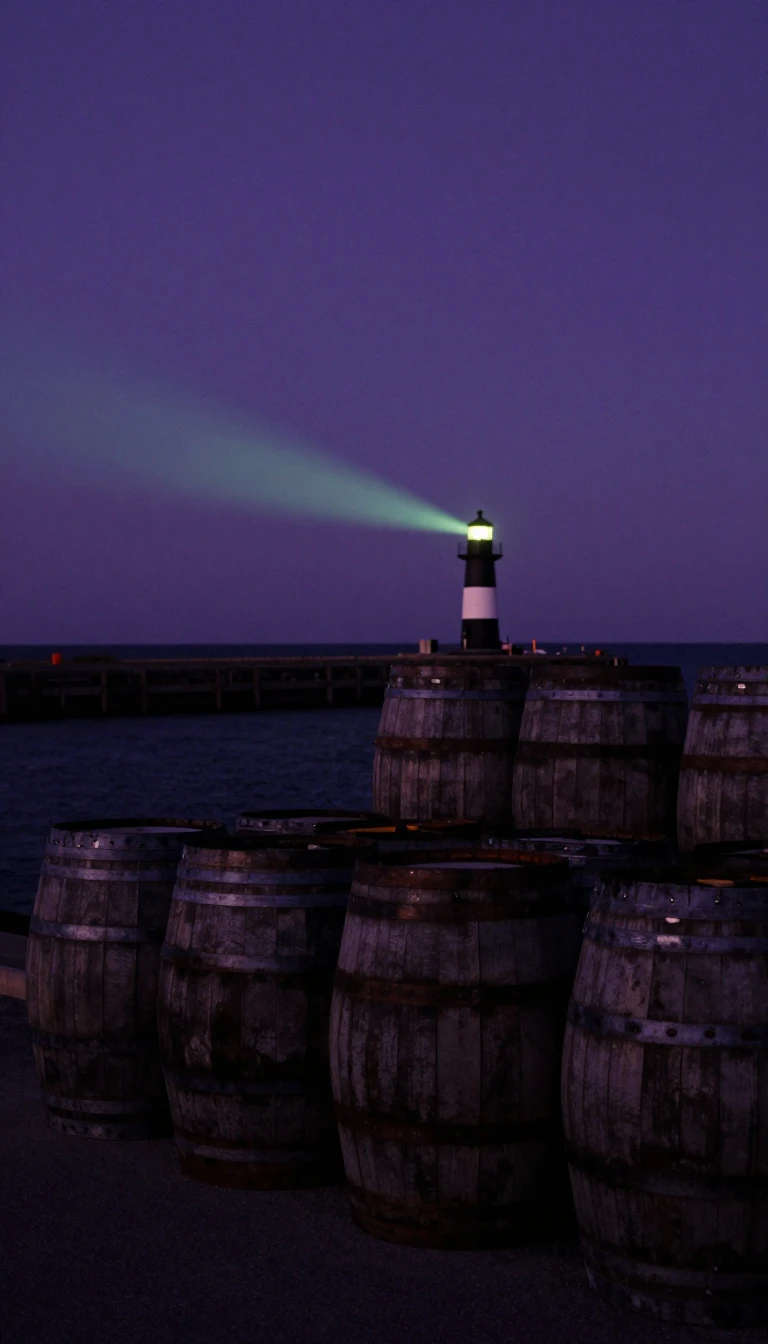 The southernmost city in the Commonwealth holds a unique liquid legacyIn the windswept corner of New Zealand, Invercargill survives through a peculiar blend of Scottish heritage and strict local laws. From a 40-year era of prohibition to a unique al…
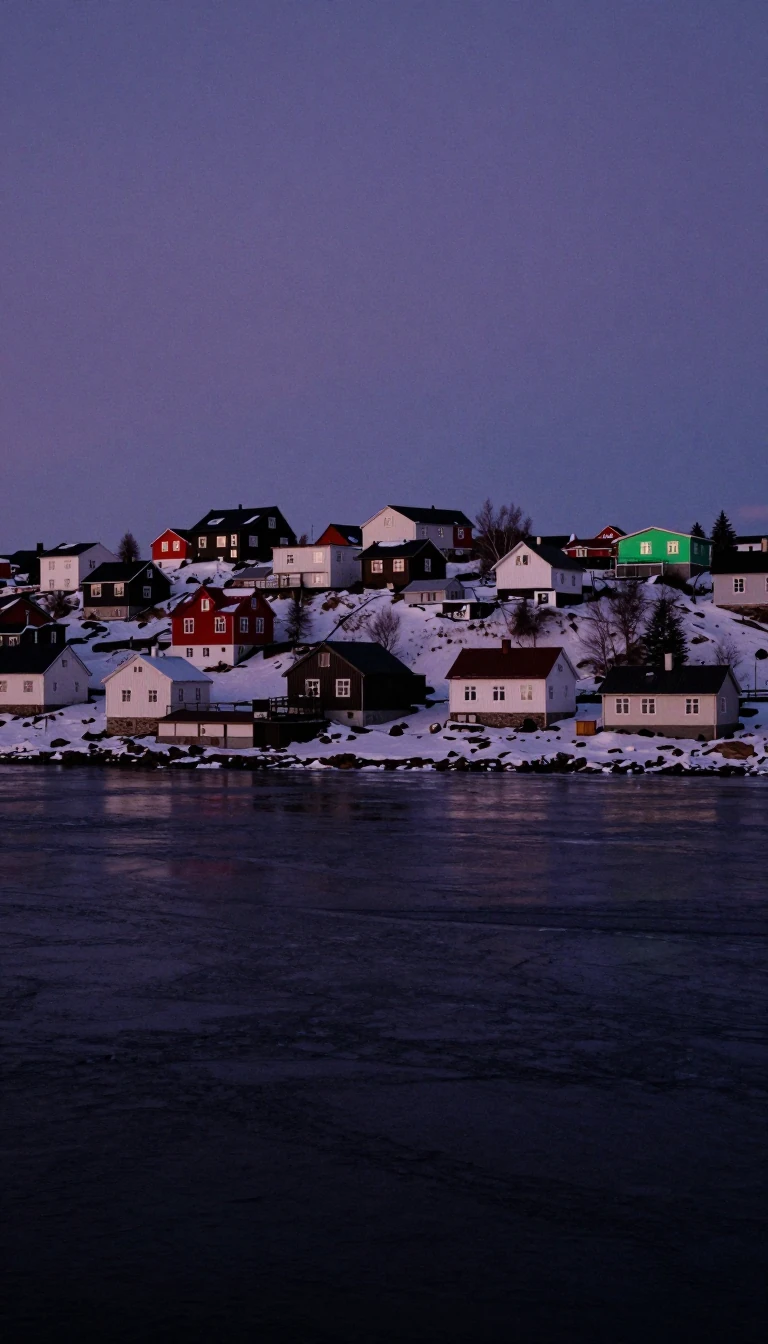 The Arctic town built to replace a flood-prone hamletIn 1953, planners conceived a new administrative centre to replace Aklavik, a settlement plagued by frequent flooding. What began as 'New Aklavik' eventually became Inuvik, a vita…
 How a single word can describe an entire airport arrivalInuktitut is a linguistic powerhouse of complexity. Using a highly regular system of hundreds of suffixes, a single word can express what requires an entire sentence in English. B…
- The people of the towers: tracing the ancient roots of the IngushLong before modern borders, the Ghalghai people were known as the inhabitants of towers. From the legendary Gargareans of Greek myth to the resilient tribes of the Caucasus, their…
 The hidden architecture of language: how words change their shapeWhen you say 'cats' instead of 'cat', you aren't just adding a letter; you are performing linguistic inflection. This subtle process of modification allows a single root to expres…
 The complex math behind Mexico's indigenous identityIs the indigenous population of Mexico 15 million or 23 million? The answer depends entirely on whether you define identity through the language you speak or the heritage you clai…
- The lost civilizations of the Amazon were far more complex than we imaginedFor decades, historians believed Brazil's pre-colonial era lacked large-scale societies. However, recent excavations of 'black earth' deposits and massive earthworks reveal a hidd…
- The movement to replace Columbus Day with Indigenous Peoples' DayWhat began as a 1977 diplomatic discussion in Switzerland has transformed into a significant shift in American civic life. Across many US cities and states, a holiday once dedicat…
 The incredible linguistic and genetic mosaic of New Guinea's ancient lineagesNew Guinea is home to a staggering 1,083 languages, representing 15% of the world's total. This immense diversity is the result of tens of thousands of years of human migration, c…
- The oldest human population living outside of AfricaFor over 65,000 years, the ancestors of Aboriginal Australians have inhabited the continent. While often characterized as simple hunter-gatherers, new evidence suggests a complex …
 The forgotten pioneers of the 1871 Canadian censusWhile history often focuses on the 20th-century migration to British Columbia, a recent study reveals Indian-origin individuals were present in Eastern Canada since the nation's f…
 The 'Water Snake' people who once anchored the Roman frontierThey were never a single unified nation, but a collection of fierce tribes the Greeks labeled 'Illyrians.' From the Adriatic coasts to the Danube, these Indo-European warriors pro…
 The golden art of making a book literally shineBefore the printing press, books were precious, hand-crafted treasures. The term 'illumination' refers to the use of gold or silver to embellish text, giving pages the impression …
- How a single camera captured New Zealand's highest-grossing domestic filmWhen Taika Waititi directed Hunt for the Wilderpeople, he didn't need a massive crew. Using a single camera and a modest budget, this 2016 adventure comedy transformed a story abo…
 The sacred life force: why ancient civilizations turned to ritual murderFrom the burial of kings in Mesopotamia to the temples of the Aztecs, human sacrifice was rarely just about violence. It was a calculated attempt to appease gods, ensure fertility…
 The desert clan that transformed a fishing outpost into a global metropolisIn 1833, a group of tribal migrants fled internal feuds to establish a new seat of power. Today, the House of Maktoum governs one of the world's most ambitious urban landscapes, p…
 The coal ship that accidentally mapped the PacificBefore it was a legendary vessel of discovery, the HMS Endeavour was a humble coal collier. Reconfigured for a secret mission, this sturdy, flat-bottomed ship survived a near-fata…