 Intellect Plus
Peoples & civilisations
1,467 cards. Each one is a 40-second story with a five-minute read behind it. Page 21 of 25.
 The legendary warriors whom history dismissed as mere barbariansAncient Greek and Roman historians painted the Thracians as bloodthirsty, unorganized savages. Yet, beneath the labels of 'barbarian' lay a sophisticated culture of exquisite poet…
 The legendary warriors who almost conquered the ancient MediterraneanHistorians often cast the ancient Thracians as primitive villagers. Yet, these fragmented tribes produced some of antiquity's greatest mercenaries, philosophers, and even the arch…
 How a cinematic apocalypse transformed a superhero franchiseWhen Taika Waititi took the helm of Thor: Ragnarok, he didn't just direct a sequel; he dismantled a character. By stripping away the hammer, the hair, and the status quo, the film…
 How a 1993 arthouse drama became a global box office phenomenonWhen Jane Campion’s The Piano premiered at Cannes, it was seen as an elite art film. Yet, against a modest US$7 million budget, it grossed over US$140 million worldwide, proving t…
 The Phantom Queen: Is she a goddess of war or a guardian of the land?Often depicted as a crow foretelling death, the Morrígan is far more than a mere harbinger of doom. While many see a terrifying war goddess, scholars suggest her true power lies i…
 Beyond the blade: the ancient strategy of mastering timing and rhythmWritten by the legendary swordsman Miyamoto Musashi, The Book of Five Rings is more than a manual for combat. It is a profound meditation on rhythm, adaptability, and the essentia…
 The Māori anchorage that became New Zealand's fifth-largest cityOnce a 13th-century Māori resting place, Tauranga has transformed into a powerhouse of international trade. From the intense battles of the New Zealand Wars to its current status …
 The shifting identity of the Tatars: from Mongol conquerors to Russian nobilityThe name 'Tatar' once sent shivers through Europe, labeling the vast armies of the Mongol Empire. Yet, this identity was far from monolithic. Behind the label lies a complex story…
 How a shipwreck and a diplomatic pretext led to Japan's first colonyIn 1874, a maritime tragedy in Taiwan provided the perfect legal lever for Japanese expansion. Using the murder of Ryukyuan sailors as a justification, Japan launched a military c…
 The ancient political engine driving the expansion of PolynesiaLong before modern borders, the Samoan Islands served as a vital cultural stepping stone. From complex village hierarchies to the intricate art of tattooing, the mechanisms of Sam…
 The linguistic homeland of an empire that spans the Pacific OceanLong before modern borders, Taiwan served as the ancestral cradle for the Austronesian expansion. From Madagascar to Polynesia, millions of people share linguistic and genetic tie…
- How a group of mutineers helped forge a Polynesian kingdomIn 1788, the crew of the HMS Bounty arrived in Tahiti to transplant breadfruit trees. They left behind more than just seedlings; they left mercenaries whose weapons and support he…
 Were the Székelys the legendary remnants of Attila’s Hunnic Empire?For centuries, legends claimed the Székelys were the descendants of the Huns, surviving in the Carpathian Mountains. While modern genetics and history suggest a primarily Hungaria…
- The Roman withdrawal left Britain to fend for itselfWhen the Roman legions were recalled to Gaul in 407, the province of Britannia was left vulnerable. What followed was not just a simple conquest, but a complex era of shifting kin…
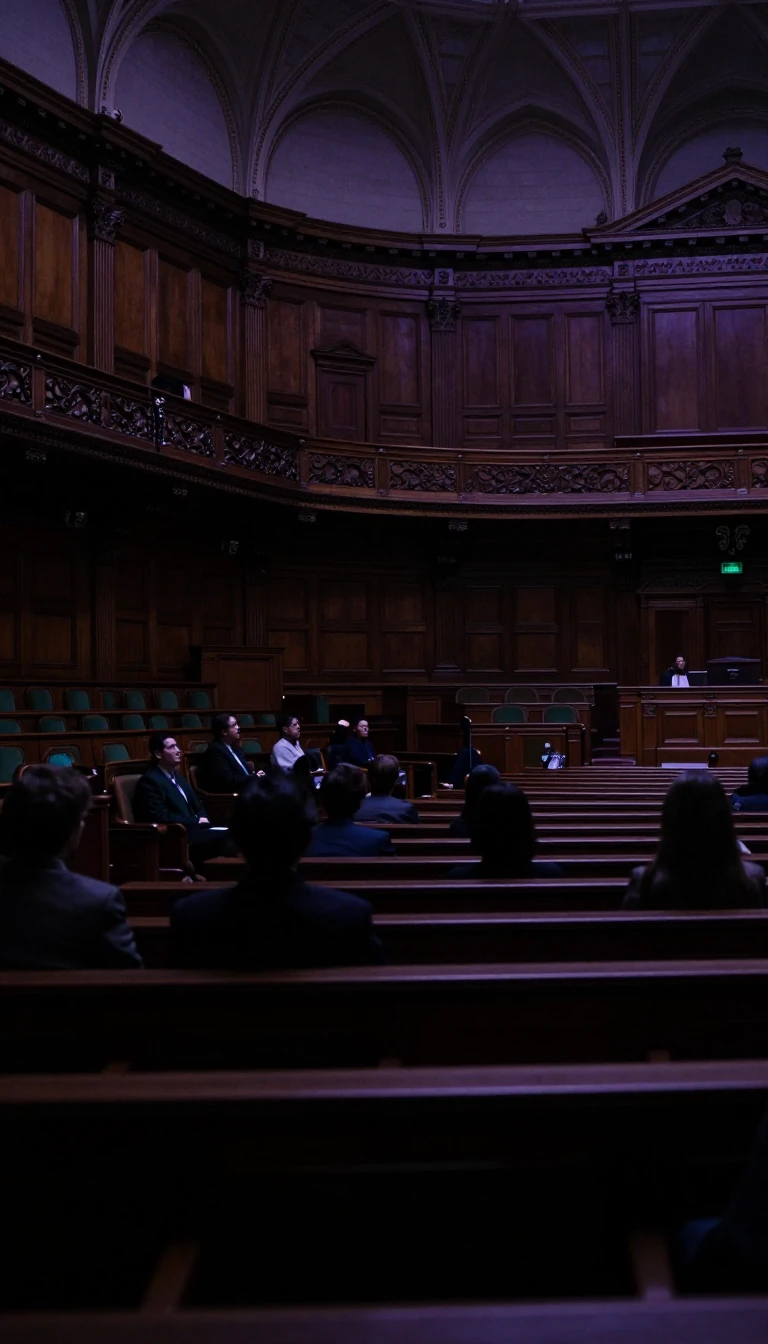 The Norwegian parliament once functioned as two separate houses within a single bodyWhile Norway is today a unicameral democracy, its legislature once practiced a unique form of 'qualified unicameralism.' For nearly two centuries, the Storting split its own membe…
 From Imperial assembly to modern rubber stamp: the evolution of Russia's State DumaOnce a symbol of parliamentary hope following the 1905 Revolution, Russia's lower house has undergone a profound transformation. From the era of Tsarist autocracy to the post-Sovi…
 The matriarchal clan that outmuscles the lionForget the image of a cowardly scavenger. The spotted hyena is a sophisticated, female-led powerhouse. With a bite force that exceeds a leopard's and a social structure more like …
 Beyond the borders of four nations lies a land without a sovereign stateStretching across Norway, Sweden, Finland, and Russia, Sápmi is a vast cultural region north of the Arctic Circle. While it lacks its own independent government, its people mainta…
 The Australian state founded as a social experiment, not a convict colonyWhile most of Australia began as a penal outpost, South Australia was designed as a planned British province. Driven by theories of systematic colonisation, it promised religious …
 From divine duty to modern rights: the shifting meaning of social justiceOnce a term for the monarch's obligations and the duties of the soul, social justice has evolved into a global framework for human rights. But how did a concept rooted in religiou…
 Why would rational people voluntarily surrender their freedom to a state?Imagine a world with no laws, no police, and no courts. To most, this sounds like chaos, but for political philosophers, it is the essential starting point for understanding why w…
 The ancient, heat-resistant stone that shaped human civilizationFrom Viking cooking pots to Indus Valley seals, soapstone has been a vital human tool for millennia. This metamorphic rock is soft enough to carve with ease, yet possesses a remar…
 The white plumage of the snowy owl is a masterpiece of evolutionary adaptationWhile most owls are masters of the night, the snowy owl thrives in the 24-hour daylight of the Arctic summer. But its iconic white feathers are more than just camouflage; they rep…
- The shifting boundaries of the Sámi language familyWhile often grouped together, the Sámi languages are not a single tongue but a complex collection of distinct voices. From the vast Northern Sámi to the nearly extinct Ume Sámi, t…
- How a promise of self-determination became a tool for empireIn 1917, Vladimir Lenin promised Russia's ethnic minorities the right to govern themselves. Yet, this era of supposed autonomy was often a calculated maneuver to secure loyalty du…
 How 'Scheduled' Status Defines India's Most Disadvantaged GroupsOfficial designation matters deeply. While common terms like 'Dalit' or 'Adivasi' exist, the constitutional terms 'Scheduled Castes' and 'Scheduled Tribes' are used because they a…
 The genetic secrets behind the world's most elite high-altitude climbersWhile the world views Sherpas as the indispensable backbone of Himalayan mountaineering, their legendary stamina may be written in their DNA. Beyond mere training, specific geneti…
 Is there an ideal size for a secondary school?From the massive campuses of the US to the specialized Gymnasiums of Austria, secondary education varies wildly. But does scale impact learning? While larger schools offer more su…
 The Scottish clan was never just a matter of blood and ancestryWe often imagine clans as rigid families of shared DNA, but historical clanship was far more fluid. It was a complex web of legal ties, territorial protection, and social contract…
 The brutal logic of leaving nothing behind for the enemyTo win a war, sometimes the most effective weapon is not a sword, but a flame. Scorched-earth tactics turn fertile landscapes into hollow deserts, stripping advancing armies of fo…
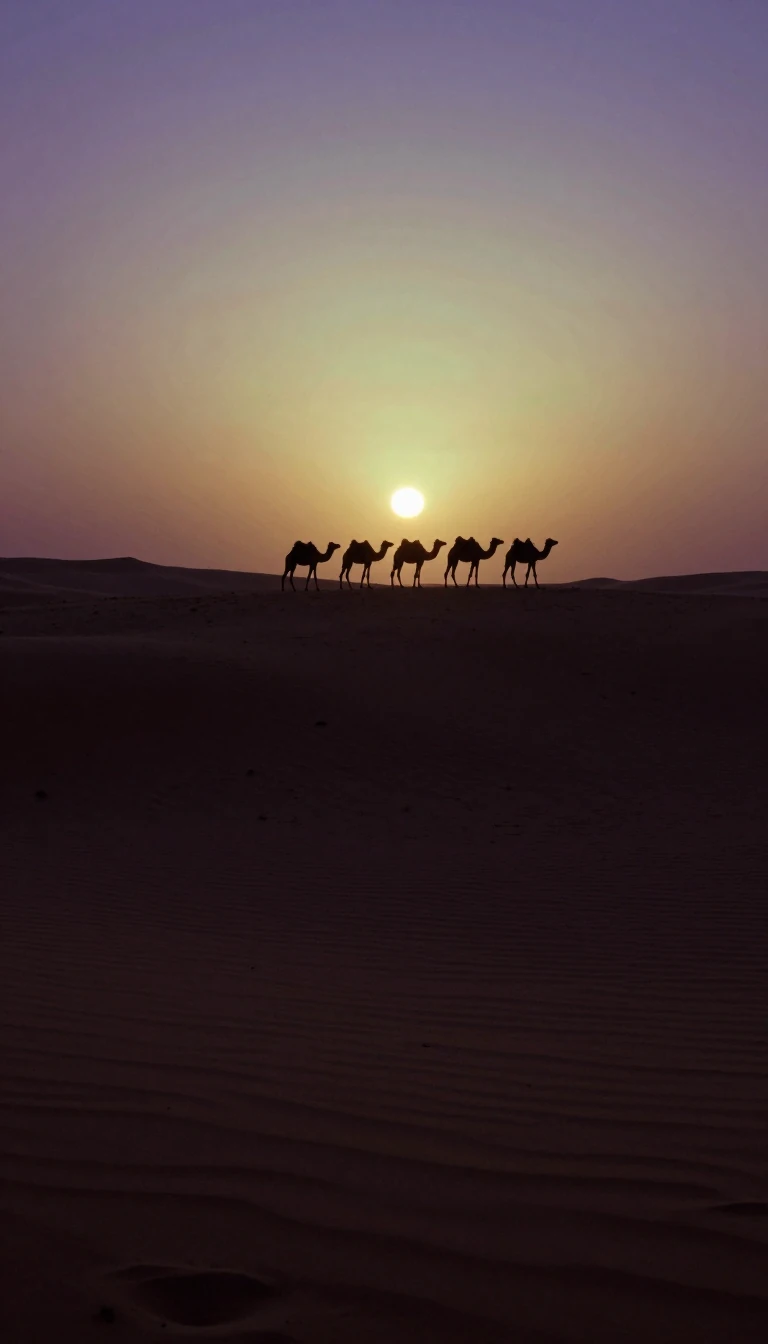 The nomadic empire that defeated the Great King CyrusLong before the Silk Road, the Saka dominated the Eurasian Steppe. These Eastern Iranian nomads were not merely wanderers; they were a sophisticated confederation of warriors capa…
 The genetic and cultural mystery of Japan's largest unrecognized minorityWhile Japan is often celebrated as a monolith of ethnic homogeneity, the Ryukyuan people tell a different story. From ancient Jōmon hunter-gatherer roots to a maritime kingdom tha…
- The forgotten East Slavs: how a mountain identity survived empire and erasureOften mistaken for Ukrainians or Russians, the Rusyns are a distinct East Slavic group native to the Eastern Carpathians. Despite centuries of shifting borders and Soviet-era poli…
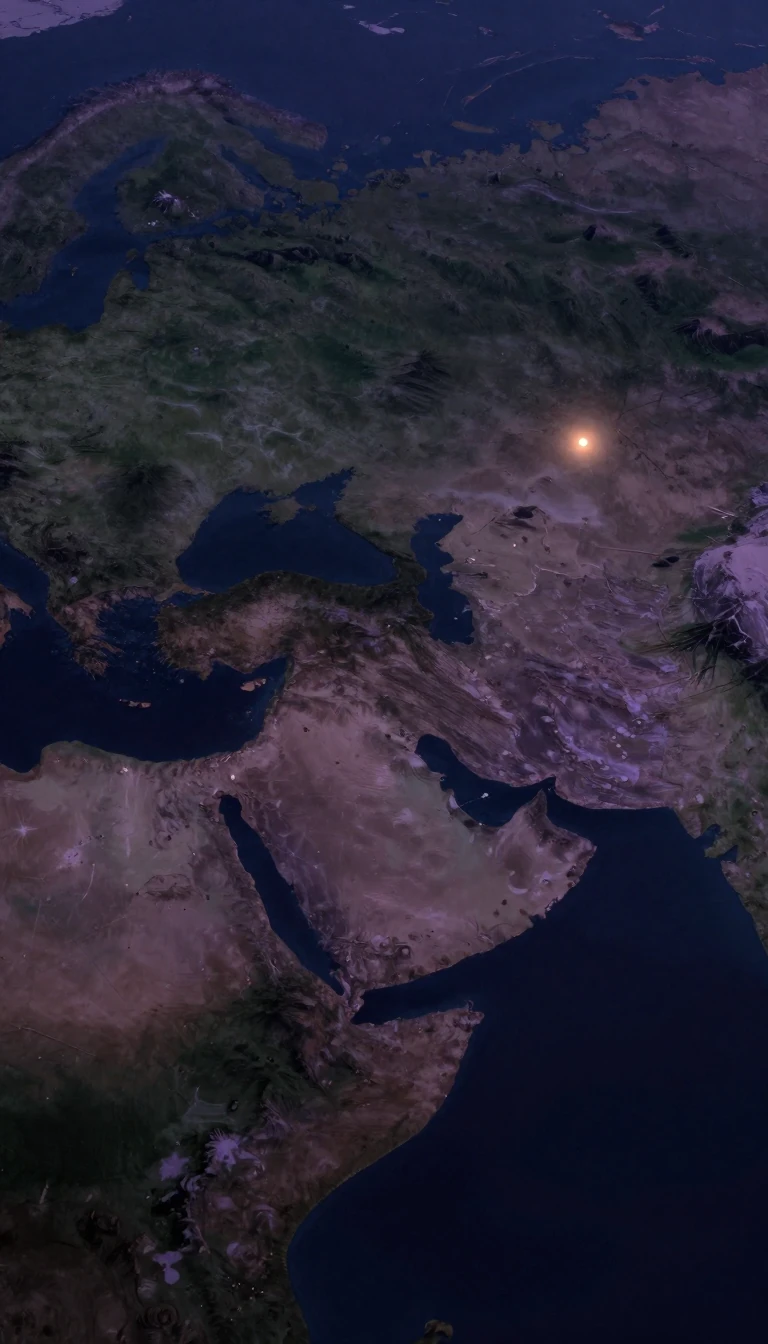 The complex genetic and cultural layers of the Russian identityBeyond the headlines, the Russian identity is a profound mosaic of Slavic tribes, Norse warriors, and Finnic ancestors. From the vastness of the Siberian taiga to the historic str…
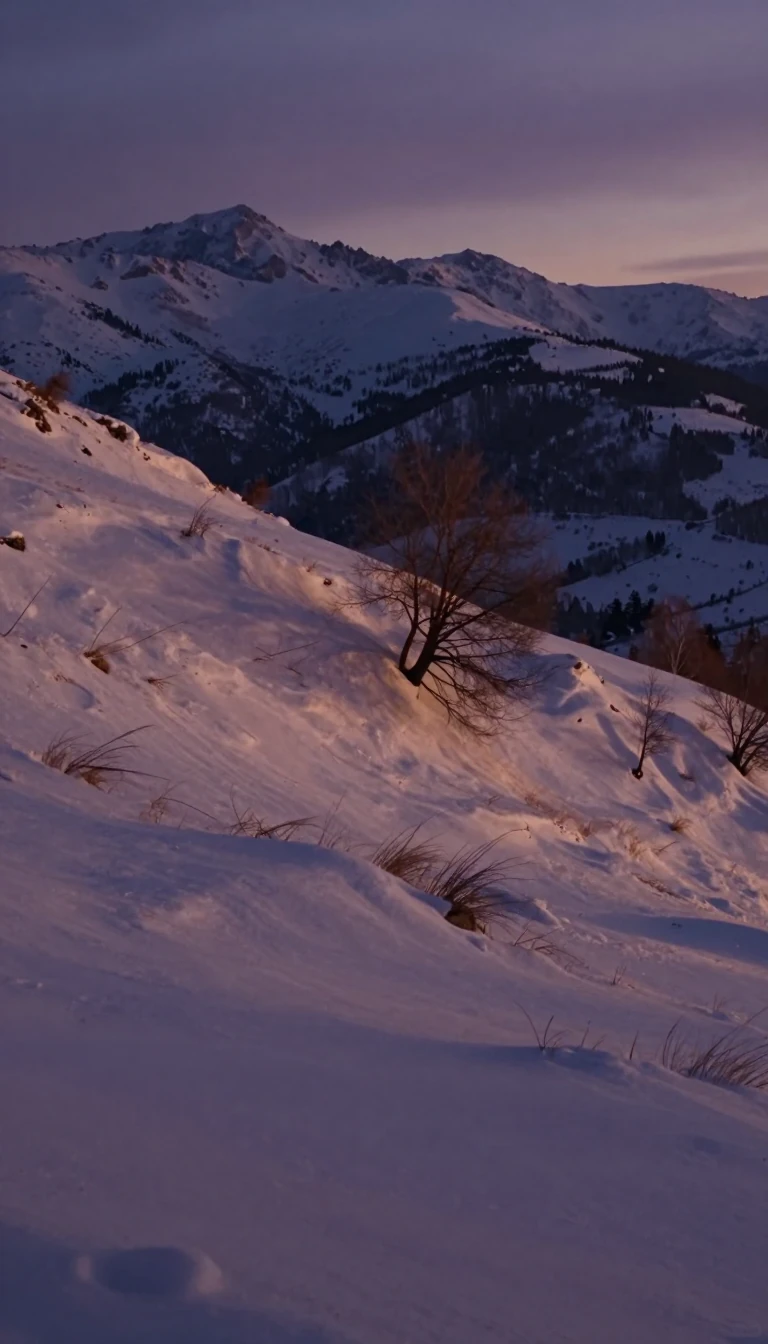 The Finnish city rebuilt in the shape of a reindeer's headMost of Rovaniemi was reduced to ash in 1944. Following the destruction of 90% of its buildings by retreating German forces, the city underwent a radical architectural rebirth, re…
 The Roman province was once a job description, not a mapBefore it meant a territory, a 'provincia' was simply a task assigned to a Roman official. From managing the treasury to leading armies, the evolution of this word tracks Rome's t…
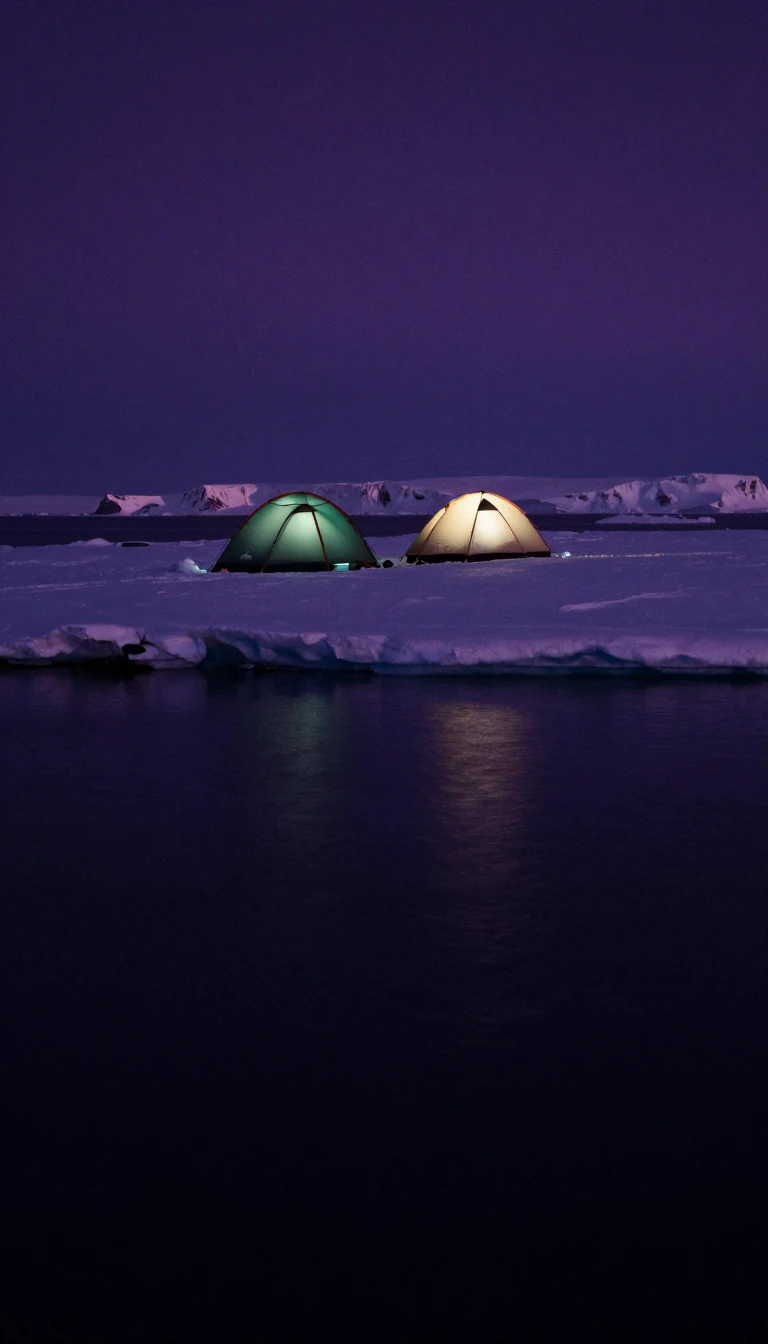 Did the man who claimed the North Pole actually reach it?In April 1909, Robert Peary announced he had achieved the impossible: reaching the geographic North Pole. Yet, decades later, a closer look at his diaries and navigational records…
 The deceptive calm of the rip current is a dangerous illusionA smooth, wave-free patch of water might look like the safest place to swim, but it could actually be a powerful river flowing out to sea. Understanding the mechanics of these cur…
 The devastating cattle plague that once wiped out entire herdsBefore its global eradication in 2011, rinderpest was a viral nightmare for livestock. With mortality rates approaching 100% in vulnerable populations, this infectious disease sha…
 How a 15th-century feudal assembly evolved into a modern democracyThe Swedish Riksdag traces its roots back to a 1435 meeting in Arboga. What began as an informal gathering of nobles, clergy, and burghers has transformed through centuries of ref…
 How an oral tradition preserved a library without a single written wordFor millennia, the Rigveda existed entirely without paper. Through incredibly complex systems of memorization and precise phonetic discipline, ancient scholars transmitted 1,028 h…
 The Alpine artery that shapes the Mediterranean's edgeBorn from a Swiss glacier and carving a deep furrow through the landscape, the Rhône is more than just a river. It is a powerful hydraulic engine, driving massive energy productio…
- The uncatchable queen who outran horses and outsmarted princesIn the ancient Welsh Mabinogi, Rhiannon is far more than a mythic figure. A strategic ruler and brilliant negotiator, she used enchanted bags and ungraspable horses to reshape kin…
 When your immune system mistakes your own heart for a bacterial invaderRheumatic fever is not a contagious disease, but a profound biological error. It occurs when the body’s defenses, triggered by a streptococcal infection, fail to distinguish betwe…
 From registered nurse to Star Wars icon: the remarkable journey of Rena OwenBefore she was commanding the screen in the Star Wars universe, Rena Owen was training as a nurse in Auckland. This New Zealand performer transitioned from medical care to interna…
 The linguistic rebranding of mass deportation into a concept called remigrationOnce a neutral term for voluntary return, remigration has been repurposed by far-right movements. By replacing historically charged words like deportation with a more palatable ne…
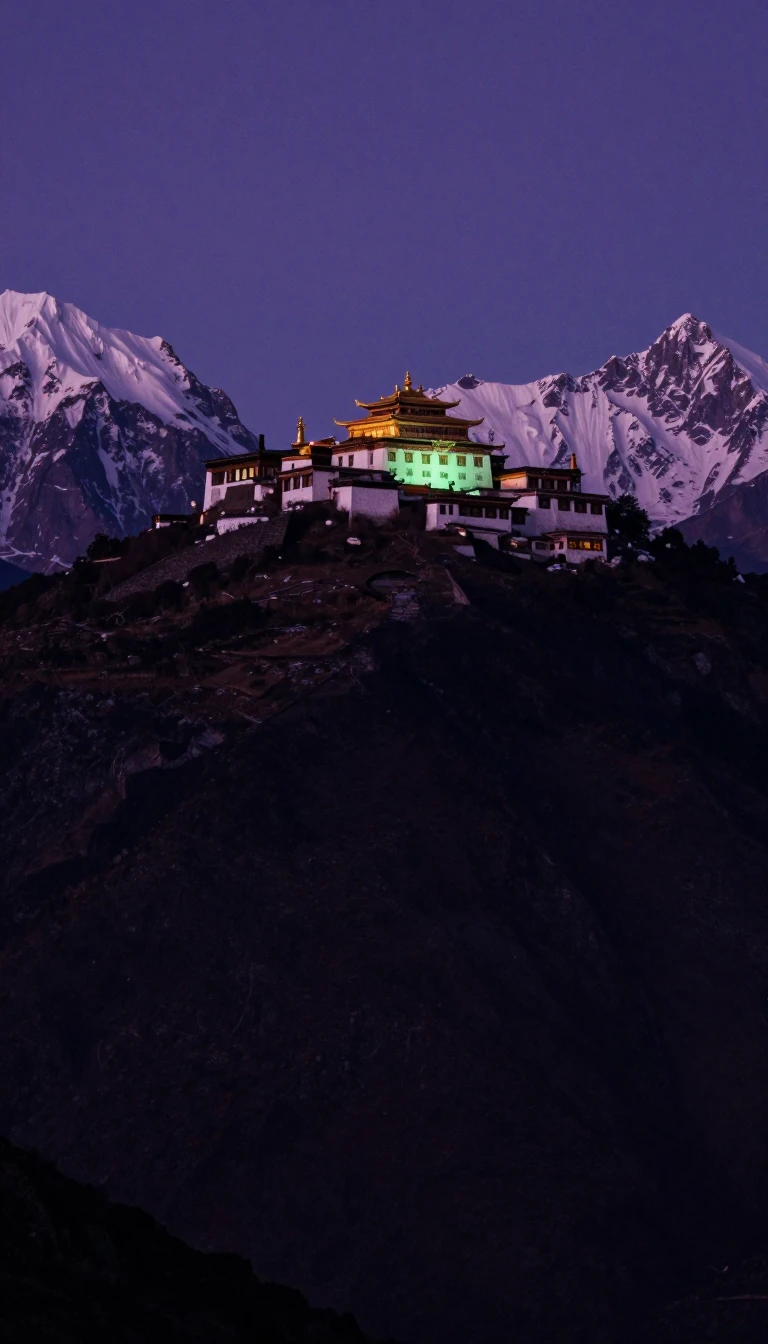 Where Hinduism and Buddhism merge into a single spiritual landscapeIn Nepal, the lines between faiths are often blurred. While the nation is officially secular, its spiritual identity is a complex tapestry where Hindu traditions and Buddhist prac…
 How a secular constitution manages the world's most diverse religious landscapeIndia is the birthplace of four major religions, yet its constitutional identity is built on a unique form of secularism. It is not a total separation of church and state, but a s…
- The myth of the Easter Island collapse is being rewrittenFor decades, we believed the Rapa Nui people destroyed their own environment through reckless deforestation. But new evidence suggests a different story: a resilient society that …
- How a 16th-century word for 'strange' became a tool for political resistanceOriginally meaning 'peculiar' or 'eccentric', the word queer was once a sharp-edged slur. Today, it has been reclaimed by activists to describe a radical rejection of social norms…
- The strategic valley that guarded the route to the GulfFounded in 1531 to secure trade between Mexico City and Veracruz, Puebla has long been a military and economic linchpin. From ancient corn cultivation to the repelling of French t…
 How linguists reconstructed a lost language without a single written recordThere is no direct evidence of the Proto-Indo-European language ever existing. No tablets or inscriptions remain of its speakers. Yet, through the meticulous comparative method, s…
 How a single ancient promise shaped the borders of the LevantFrom the Euphrates to the Mediterranean, the concept of a 'Promised Land' has defined civilizations for millennia. Tracing back to the Abrahamic covenants, these sacred boundaries…
 The island cradled on the waves was once a French colonyBefore it was Canada’s seventh province, Prince Edward Island was a contested frontier. Known to the Mi'kmaq as Abegweit, this slender crescent of land has survived colonial wars,…
- The Canadian Prime Minister is not actually elected by the peopleWhile 51 per cent of Canadians believe they vote directly for their leader, the truth is far more subtle. The office is not defined in any constitutional document, yet it wields i…
 The ancient, layered origins of the Portuguese identityFrom the resistance of the Lusitanian tribes against Roman legions to the maritime expansion of the 15th century, the Portuguese story is one of profound transformation. It is a h…
 The river that was diverted to save a city from the seaIn 1604, the Republic of Venice performed a massive feat of hydraulic engineering. To prevent the Po's sediment from choking the Venetian lagoon, they redirected the river's main …
- Was the Great Dying an accident of biology or a product of policy?For decades, historians attributed the collapse of Indigenous American populations to the arrival of Eurasian diseases. But new research suggests that pathogens like smallpox were…
 They were not called Greeks until the twentieth centuryFor centuries, the people of the Black Sea coast identified as Romans, not Greeks. Driven by shifting empires and the rise of nationalism, this indigenous group underwent a profou…
- How a Roman hostage became the architect of modern political thoughtAfter the defeat of Macedonia in 168 BC, Polybius was among 1,000 Achaeans detained in Rome. Yet, this period of captivity allowed the Greek statesman to mentor Roman leaders and …