 Intellect Plus
Peoples & civilisations
1,467 cards. Each one is a 40-second story with a five-minute read behind it. Page 23 of 25.
 From the Pale of Settlement to the Red Army: A complex Jewish history in RussiaOnce home to the world's largest Jewish population, the Russian Empire's territories shaped modern Judaism. Through eras of restrictive zoning, violent pogroms, and unexpected Sov…
 From Canaanite roots to modern statehood: the long evolution of IsraelThe story of the Jewish people is often told through religious narrative, but archaeology reveals a more complex origin. Rather than a sudden conquest, evidence suggests a gradual…
 The deliberate voyage that transformed a temperate island into a Māori strongholdLong before European sails appeared on the horizon, skilled Polynesian navigators executed a planned migration to New Zealand. They didn't just stumble upon the islands; they brou…
 The ancient Vedic religion was not the Hinduism we recognize todayWhile modern Hinduism is often seen as an ancient monolith, its predecessor, the Vedic religion, was a distinct, polytheistic system. It lacked the famous concepts of reincarnatio…
 Before it meant biology, the word race meant a shared family lineageToday, we view race through the lens of genetics, but for centuries, the term described something entirely different. From ancient Egypt to the Roman Empire, human difference was …
 The sacred landscape where Irish kings once stoodMore than just a hill, the Hill of Tara was a prehistoric sanctuary. From Neolithic passage tombs to Iron Age royal enclosures, this ancient site served as the legendary seat of I…
 The systematic dismantling of the Scottish clan system and its peopleBetween 1750 and 1860, the Scottish Highlands underwent a profound transformation. What began as agricultural modernization evolved into a period of mass evictions, fundamentally …
 The science of the drop: how executioners tried to engineer a more humane deathFor centuries, hanging was a blunt instrument of strangulation. But in the 19th century, a shift toward 'scientific' execution attempted to replace agonizing asphyxiation with a p…
 The exercise paradox: why more movement does not always mean more calories burnedWe often assume that high physical activity necessitates a massive caloric burn. However, studying the Hadza—one of Earth's last true nomadic hunter-gatherer societies—has reveale…
- There was no single founder of GreenpeaceWhile many claim to have birthed the world's most visible environmental network, the truth is far more evolutionary. Born from a 1969 protest committee against nuclear testing, Gr…
 How a 1972 university movement became a parliamentary powerhouseBorn from a 1972 student movement at Victoria University, the Green Party of Aotearoa New Zealand has evolved from a niche environmental group into a major political force. Throug…
 The complex history of Greenland's Inuit: from Thule migrations to the Spiral CaseThe Greenlandic Inuit are not a single monolith, but a tapestry of distinct groups shaped by migration, colonial shifts, and a controversial medical history. From the arrival of t…
 The systematic erasure of a millennium of Greek presence in AnatoliaBetween 1912 and 1923, the indigenous Christian Greek population of the Ottoman Empire faced a campaign of massacres and forced deportations. Driven by nationalist visions of a pu…
 The map of Greater Iran once stretched far beyond its modern bordersBeyond the current frontiers of Iran lies a vast cultural continent. From the Caucasus to the Indian subcontinent, a shared linguistic and imperial legacy once unified diverse peo…
 The ancient biographies that reshaped the course of human historyThey were not originally intended as historical records, but as persuasive tools of faith. These four anonymous narratives, written at the end of the first century, used the estab…
 The blood-stained legacy of the German East Africa CompanyBefore it was a formal colony, a vast territory of nearly one million square kilometers was carved out by adventurers. Driven by resource extraction and military force, the era of…
- The many faces of Gawain: from Welsh warrior to Arthurian villainHe is one of the most famous Knights of the Round Table, yet his character is a literary chameleon. Depending on which medieval manuscript you read, Gawain is either a peerless, c…
 The Gallic gold rush that crashed the Roman economyWhen Julius Caesar conquered Gaul between 58 and 50 BC, he didn't just expand an empire; he flooded the market. The sheer volume of looted Celtic gold was so immense that the pric…
- The powerful people whose name once meant foreignersThe Gauls were far more than just a conquered tribe. From sacking Rome in 387 BC to influencing the very roots of the French language, their complex civilization shaped Western Eu…
 Is the Irish language facing a terminal tipping point?In the Gaeltacht districts of Ireland, a linguistic crisis is unfolding. While these regions are officially recognized for their Irish-speaking heritage, recent research suggests …
 The decentralized hierarchy of a lost Irish social orderLong before modern states, Gaelic Ireland operated through a complex patchwork of territories and kin-groups. It was a world of elected kings, hereditary jurists, and a legal syst…
 How a corporate debate over a sequel led to a billion-dollar masterpieceIn 2015, Disney executives were deeply divided. They feared a sequel might tarnish the legacy of the original phenomenon. Instead, the production team used advanced technology and…
 The French identity is a paradox of unified nationhood and fragmented originsWhile the French are deeply conscious of belonging to a single nation, they do not constitute a unified ethnic group. From Gallo-Roman roots and Germanic tribes to Viking settlers…
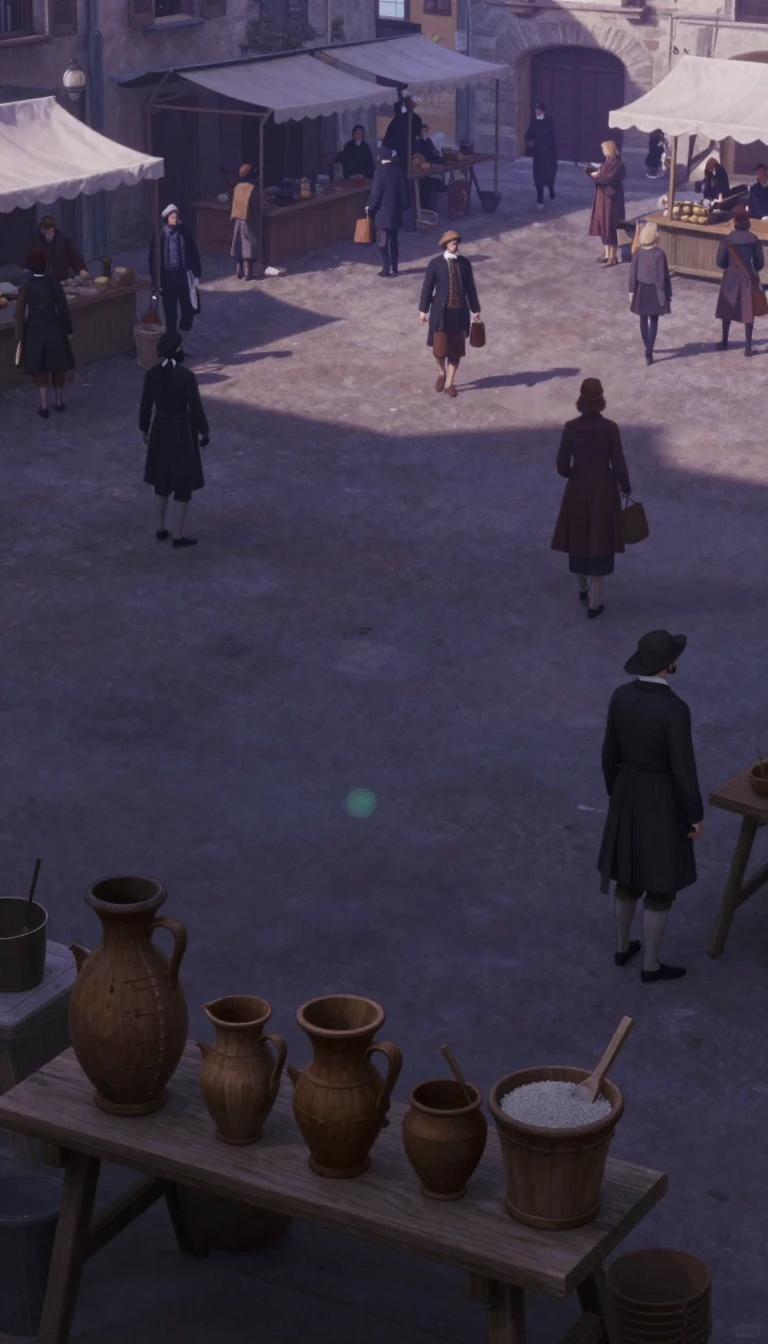 How a 17th-century colonial outpost became a resilient cultural powerhouseFrom the fur trading posts of 1608 to the modern streets of Quebec, the story of French Canadians is one of survival. Despite British conquest and massive migrations, this distinc…
 Were the Fomorians monsters or merely the first inhabitants of Ireland?Ancient Irish myths describe a terrifying race of undersea giants and sea raiders. Yet, beneath the monstrous imagery of one-eyed titans lies a complex history of migration, dynas…
 The oral archives that survived the arrival of the written wordLong before European explorers brought written records to North America, Indigenous nations maintained sophisticated histories through oral tradition. These accounts were not mere…
 The mysterious origins of a language that defies the European normWhile most European languages belong to the Indo-European family, Finnish stands apart. Rooted in the Uralic family alongside Hungarian, its history is a complex tapestry of ancie…
- Is the Finno-Ugric language family actually a linguistic myth?For decades, linguists have grouped Hungarian, Finnish, and Estonian into a single family. But new evidence suggests this 'Finno-Ugric' branch might not be a historical lineage at…
 Beyond the left: the radical pursuit of a stateless, classless worldWhile social democracy seeks to reform capitalism, the far-left aims to transcend it entirely. From the revolutionary fervor of Marxism to the anti-authoritarianism of anarchism, …
- The world's longest family tree spans over 80 generationsWhile we often think of family trees as simple charts, some lineages are massive, global networks. From the 2 million members of the Confucius genealogy to the complex genetic map…
 The frontier land that shaped the edge of empiresOnce a vital Roman province and a contested borderland between Christian and Muslim kingdoms, Extremadura is far more than a quiet corner of Spain. From the grandeur of Roman Méri…
 How a strategic military plan erased a population from the mapTo secure a vital Indian Ocean base, the UK government executed a calculated plan to depopulate the Chagos Archipelago. By manipulating legal definitions and controlling informati…
 When religion and ethnicity become inseparable identitiesWhat happens when your faith is not just what you believe, but who you are? For ethnoreligious groups, religious affiliation and ethnic heritage are fused, creating a distinct soc…
 Is nationality defined by the soil you stand on or the blood in your veins?While we often view citizenship as a legal status, many nations define their very existence through shared ancestry and language. This is ethnic nationalism—a powerful, widespread…
 The complex tapestry of Europe's 160 distinct cultural groupsEurope is far more than a collection of modern borders. From the linguistic isolates of the Pyrenees to the vast Indo-European branches, the continent is a mosaic of roughly 160 c…
 Was the English identity forged by invasion or gradual cultural absorption?For centuries, historians debated whether Anglo-Saxon tribes wiped out the native Britons or simply took over the ruling class. New genetic evidence and linguistic patterns sugges…
 Did Rome abandon Britain, or did Britain abandon Rome?The collapse of Roman authority in Britain was not a single, sudden event. Instead, it was a complex unraveling of military, political, and economic ties that left the island to n…
- The Spanish system of 'entrusting' that functioned as slaveryIt was called the encomienda, a word meaning 'to entrust.' While the Spanish Crown promised protection and religious instruction for Indigenous peoples, the reality was a brutal m…
 From ancient honey to modern chemistry: the long evolution of preserving the deadEmbalming is often viewed through a modern lens of clinical chemicals, but its origins lie in deep religious ritual and survival. From the honey-soaked remains of Alexander the Gr…
 The plural name that speaks of a single GodIn the Hebrew Bible, the word Elohim is grammatically plural, yet it almost always refers to a single deity. Is this a linguistic relic of ancient polytheism, or a sophisticated '…
 The spiritual leader with no power to ruleHe is called the 'first among equals,' yet he holds no direct authority over the other Orthodox churches. Discover the complex, decentralized world of the Ecumenical Patriarch of …
 The ancient faith that refuses to change its creedWhile much of the world moves toward constant innovation, Eastern Orthodoxy preserves a thousand-year-old spiritual architecture. Built on the foundations of the first seven ecume…
 Can Citizens Truly Govern Without Representatives? The Direct Democracy QuestionDirect democracy suggests citizens vote directly on policy, bypassing elected proxies. While ancient models like Athens are cited, modern practice often blends direct votes with r…
 The mysterious expansion of the Slavs across EuropeBetween the 5th and 10th centuries, a massive migration reshaped the European continent. While the Germanic tribes moved west, the early Slavs expanded in nearly every direction, …
- The lost archives of the ancient Celtic priestsWe know almost nothing about the Druids from their own voices. Because they committed no teachings to writing, our entire understanding of this learned class rests on the accounts…
 Was the kingdom of Dál Riata a maritime province or a massive migration?For centuries, historians believed Irish elites conquered western Scotland. But new archaeological evidence suggests a different story: not a violent takeover, but a shared seafar…
 The ancient Australian instrument that uses termites to create its unique soundWhile most wind instruments are crafted by human hands, the traditional didgeridoo relies on a partnership with nature. By seeking out trees hollowed by termites, Aboriginal music…
 How Does One State Govern Three Distinct Legal Worlds?The Kingdom of Denmark operates as a unitary sovereign state, yet encompasses three distinct legal systems: Denmark proper, the Faroe Islands, and Greenland. This complex arrangem…
- The empire was too large to hold, so they broke it insteadWhen Alexander the Great died in 323 BC, he left a massive, multinational empire with no clear heir. His generals, the Diadochi, didn't just fight for the throne; they fundamental…
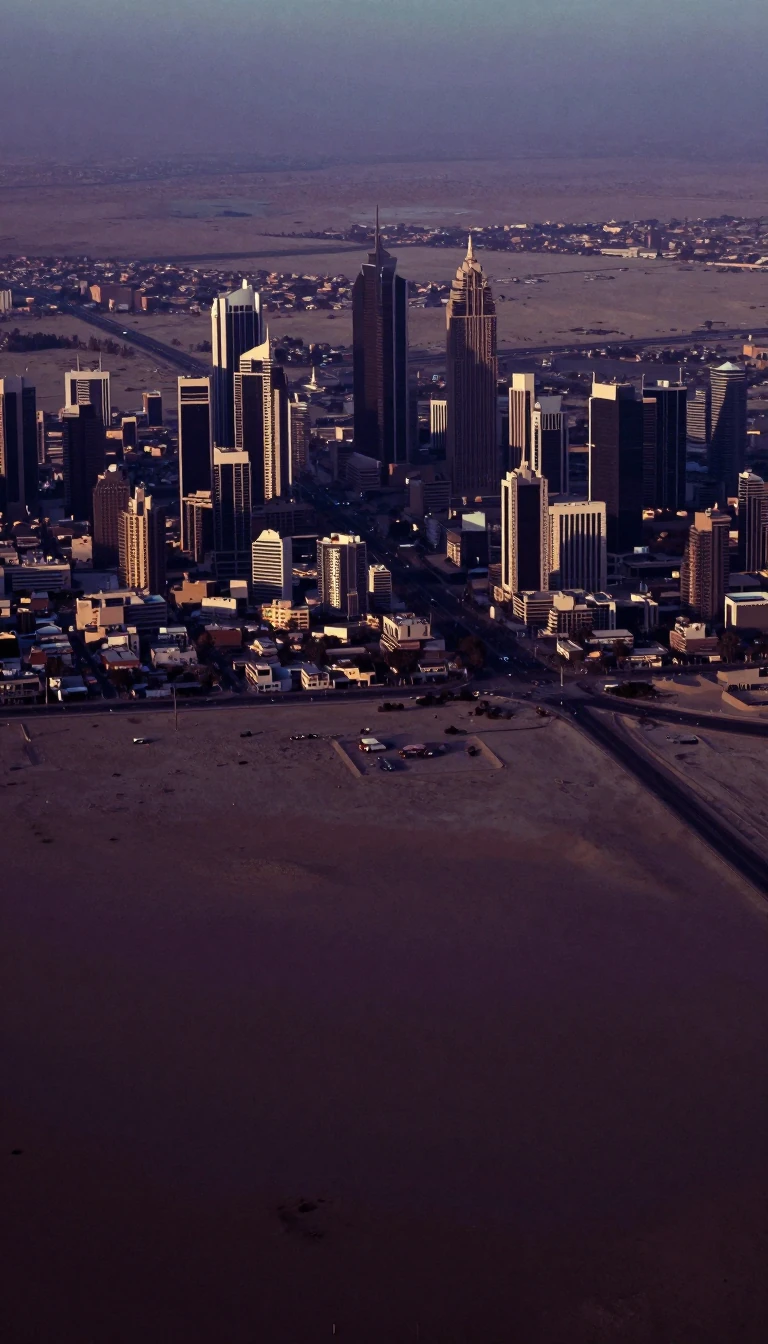 How a sparsely populated continent became one of the world's most urbanised nationsWith just 3.7 people per square kilometre, Australia is one of the planet's most empty landscapes. Yet, nearly 90% of its residents live in concentrated urban hubs, driven by mass…
 How a single company once controlled nearly the entire global diamond supplyFor much of the 20th century, one name dictated the price and availability of the world's most coveted gemstones. Through strategic mergers, aggressive stockpiling, and legendary …
 The grammar of giving: why the dative case is more than just an indirect objectWe often think of the dative case as the grammatical way to say 'to someone.' But in the ancient world, this case did much more than mark recipients; it expressed personal interes…
 The Australian city that has been almost entirely rebuilt four timesFrom devastating Japanese air raids to the fury of Cyclone Tracy, Darwin’s history is a cycle of destruction and rebirth. Discover how this tropical gateway, once known as Palmers…
 The rare linguistic fingerprint of the Horn of AfricaMost languages follow predictable patterns, but the Cushitic family breaks the rules. From rare grammatical alignments to unique throat-based consonants, these languages offer a w…
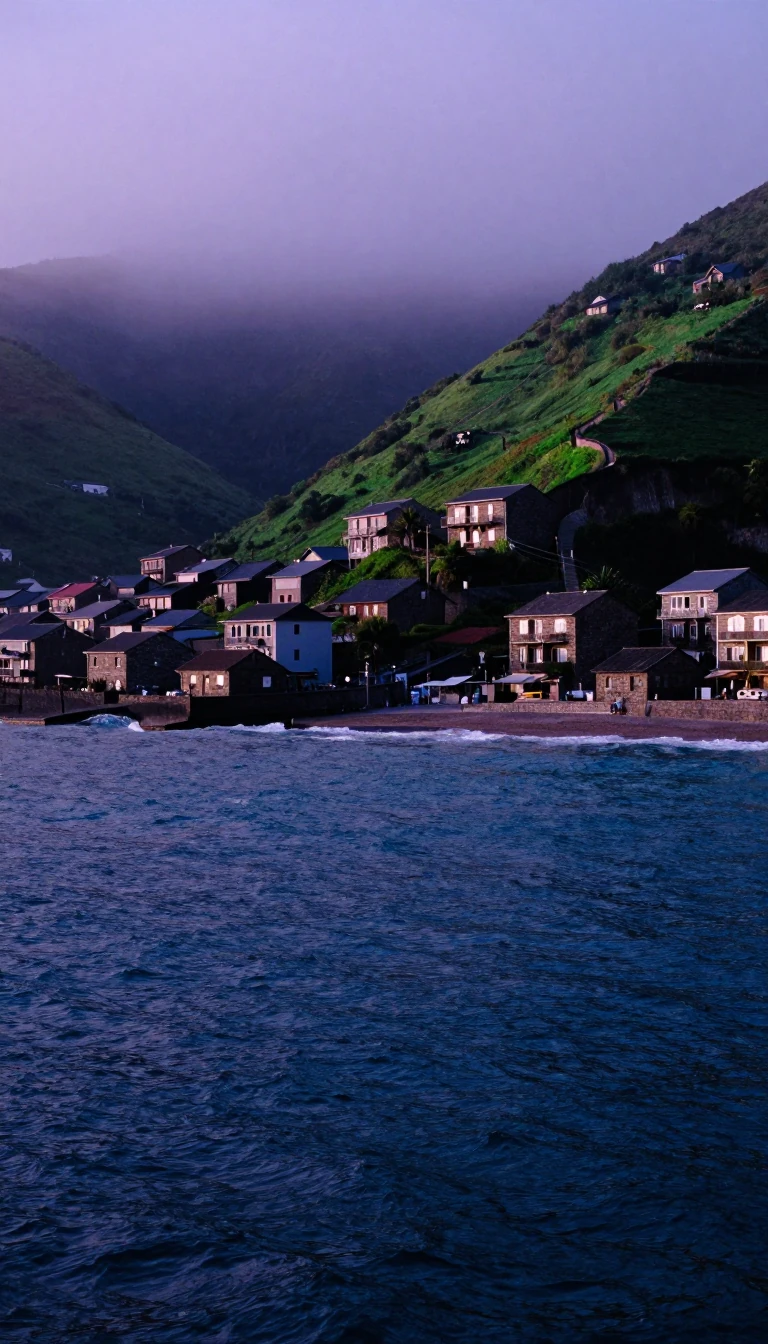 The ancient name for Cumbria means more than just a placeLong before it was a modern English county, this landscape was defined by a sense of shared identity. The very names of the region—Cumbria and Cumberland—reveal a deep-seated ling…
 The secret architecture of the world's most famous intelligence agencyBorn from the chaos of World War II, the CIA was designed to fix a broken system of fragmented information. From covert regime changes to high-altitude spy planes, discover how a …
- Is it cultural exchange or just a new form of colonialism?When a dominant group adopts the symbols of a marginalized community, the line between appreciation and exploitation becomes razor-thin. It is not just about fashion or music; it …
 The lost European mega-cities that predated the rise of MesopotamiaLong before the famous urban centers of the ancient Near East, a massive Neolithic culture in Southeast Europe was building the largest settlements in Eurasia. Spanning 350,000 sq…
 The ancient Egyptian identity that survived the Arab conquestLong before the Arab-Muslim conquest, the term 'Copt' referred to all Egyptians. Today, it identifies a resilient Christian minority. Discover how this community preserved ancient…
- The lost ancestor of Welsh, Cornish, and BretonBefore the rise of Old English, a single language unified much of Britain and Brittany. Known as Common Brittonic, this ancient tongue left behind no written books, only hidden tr…