 Intellect Plus
Peoples & civilisations
1,467 cards. Each one is a 40-second story with a five-minute read behind it. Page 20 of 25.
 From Monks to Coal Mines: The Surprising Origins of Iowa’s Capital CityDes Moines is more than just a political stage for presidential hopefuls. Once a frontier fort designed to control local tribes, the city transformed from a rough-hewn settlement …
 The migration that transformed Europe: How Anatolian farmers replaced the continent's hunter-gatherersEight thousand years ago, Europe was home to nomadic hunter-gatherers. By 7,000 BC, a massive migration of Anatolian Neolithic Farmers began, eventually replacing the native gene …
 Was the Early Middle Ages truly a dark period of ignorance and decline?Historians once labeled the centuries following Rome's collapse as the Dark Ages, citing a scarcity of cultural output and systemic decay. Yet, this era was far from a void. It wa…
 Your earwax is a genetically determined substance that acts as a natural protective shield.Far from being mere debris, earwax is a sophisticated secretion that cleans, lubricates, and protects your ear canal from bacteria and fungi. Whether your wax is wet or dry is det…
 Can the law stop the destruction of our planet before it is too late?Ecocide, the destruction of the environment by human action, is currently not a crime under international law during peacetime. While activists and world leaders push to add it to…
 Russia is home to over 190 ethnic groups, but defining a national identity remains complex.As the world's largest nation, Russia manages a vast mosaic of over 190 ethnic groups. While the constitution recognizes Russian as the official language, the state struggles to b…
 Is the antlered god Cernunnos a historical deity or a modern academic invention?Known primarily from a single damaged inscription on a Roman-era pillar, the name Cernunnos is now applied to a wide cluster of ancient antlered figures. While some see a singular…
- Did Julius Caesar fabricate his legendary military statistics to survive Roman political prosecution?Julius Caesar’s Commentarii de Bello Gallico is a masterpiece of Latin prose, but historians now view it as a calculated propaganda campaign. By framing his brutal conquest of Gau…
 How children's television evolved from radio roots to a global educational and commercial powerhouseChildren's television is nearly as old as the medium itself, yet its purpose has shifted dramatically. From early radio-inspired broadcasts to modern streaming, these programs hav…
- The Corded Ware culture: A mysterious, continent-spanning network that reshaped ancient European society.Spanning from the Rhine to the Volga, the Corded Ware culture emerged around 2900 BC, leaving behind distinct pottery and stone battle axes. While once viewed as a singular, warli…
 How a 'second-rate' sled dog became an American icon through a media frenzyBalto was dismissed as a scrub dog by his owner, yet he became a global sensation after leading a 1925 serum delivery to Nome. While his celebrity status eclipsed the efforts of o…
 These shifting sand ribbons are the world’s most effective natural coastal defense systemsBarrier islands are dynamic, narrow landforms that act as nature's shock absorbers. By absorbing intense wave energy and storm surges, these sand chains protect mainland ecosystem…
 Was Anglo-Saxon paganism a real religion or just a label for what it wasn't?Anglo-Saxon paganism was not a monolithic faith with formal rules, but a loose, diverse collection of local beliefs. Often defined by Christian missionaries as an empty concept, t…
 The Arawak were never a single people, but a label for many distinct groups.The name Arawak was never used by the people it described. Instead, it was an exonym applied by outsiders to diverse Indigenous populations across South America and the Caribbean.…
 Beyond the pips: The secret life of Britain's most influential radio stationBBC Radio 4 is a national institution, but its reach extends far beyond daily news. From serving as a potential signal for submarine commanders during a national catastrophe to ho…
 Breton is the only Celtic language still spoken on the European mainland today.Brought to France by migrating Britons during the Early Middle Ages, Breton has survived centuries of state-led suppression. Once spoken by over a million people, this unique lang…
 From theological publisher to global media giant: the complex evolution of BertelsmannFounded in 1835 as a small German publisher of religious texts, Bertelsmann transformed into a massive multinational conglomerate. Its history spans from supplying the Nazi Wehrma…
 How a wounded soldier’s question sparked the world’s most prolific automatic rifleBorn from a desire to match German firepower during World War II, the AK-47 became a global icon of reliability. Mikhail Kalashnikov’s design, finalized in 1947, prioritized simpl…
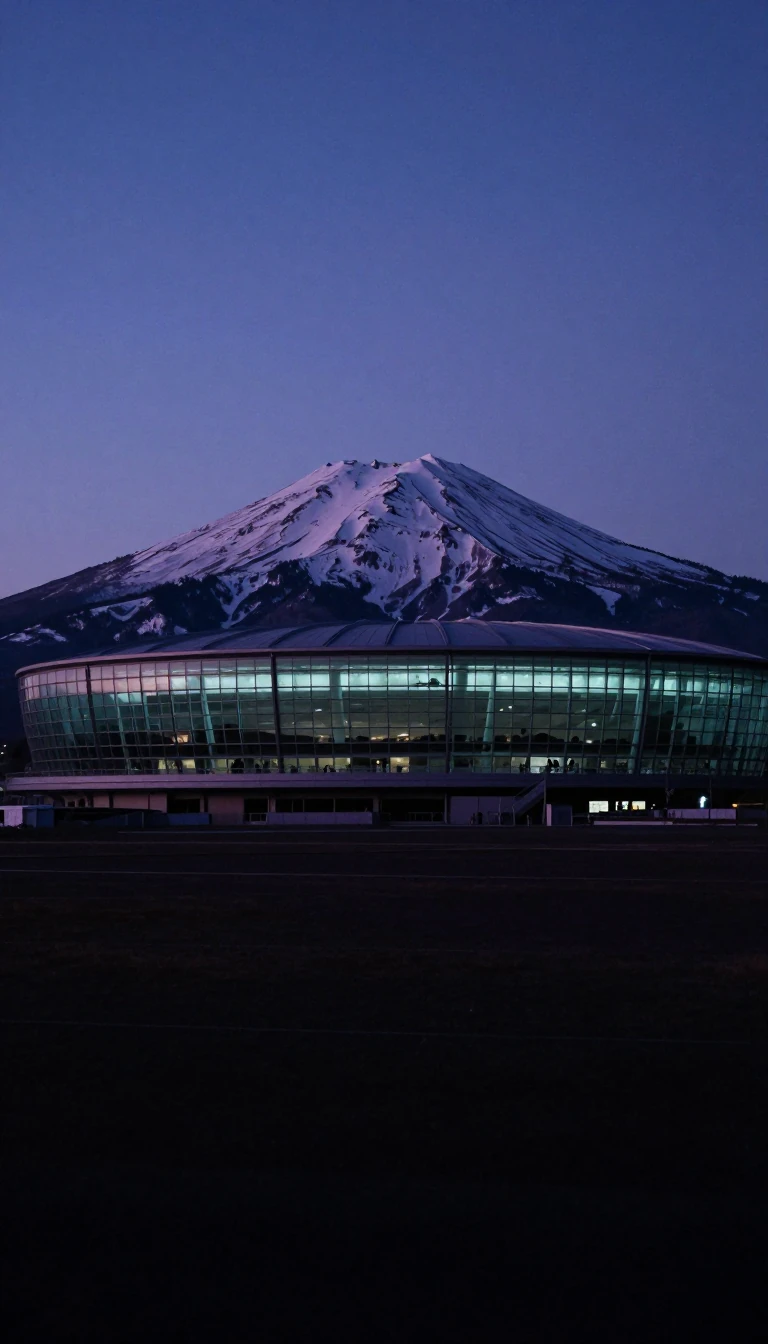 How Vancouver 2010 Rewrote the Rules for Hosting a Successful Winter OlympicsVancouver 2010 remains one of the most celebrated events in Olympic history, achieving record-breaking attendance and global viewership. Beyond the spectacle, the Games fundamenta…
- The Abenaki people are the original inhabitants of the dawn-lit lands of North America.Known as the People of the Dawn Land, the Abenaki are an Algonquian-speaking Indigenous group whose history spans 12,000 years across modern New England and Canada. Far from a sin…
 Why the Hebrew word for immigration literally means an ascent to a higher place.Aliyah, the Hebrew term for Jewish immigration to Israel, translates to ascent. This concept bridges the physical and the metaphysical, rooted in both the geography of Jerusalem a…
 Why deer grow and shed the fastest-growing bone structures in the animal kingdomAntlers are not just ornaments; they are complex, rapidly regenerating bone structures that function as weapons, sensory aids, and metabolic indicators. While often mistaken for p…
 The Hakka people: A nomadic Han Chinese group defined by their guest statusKnown as the guest families, the Hakka are a unique Han Chinese subgroup that migrated south to occupy marginal hill lands. Unlike their neighbors, they rejected foot binding and …
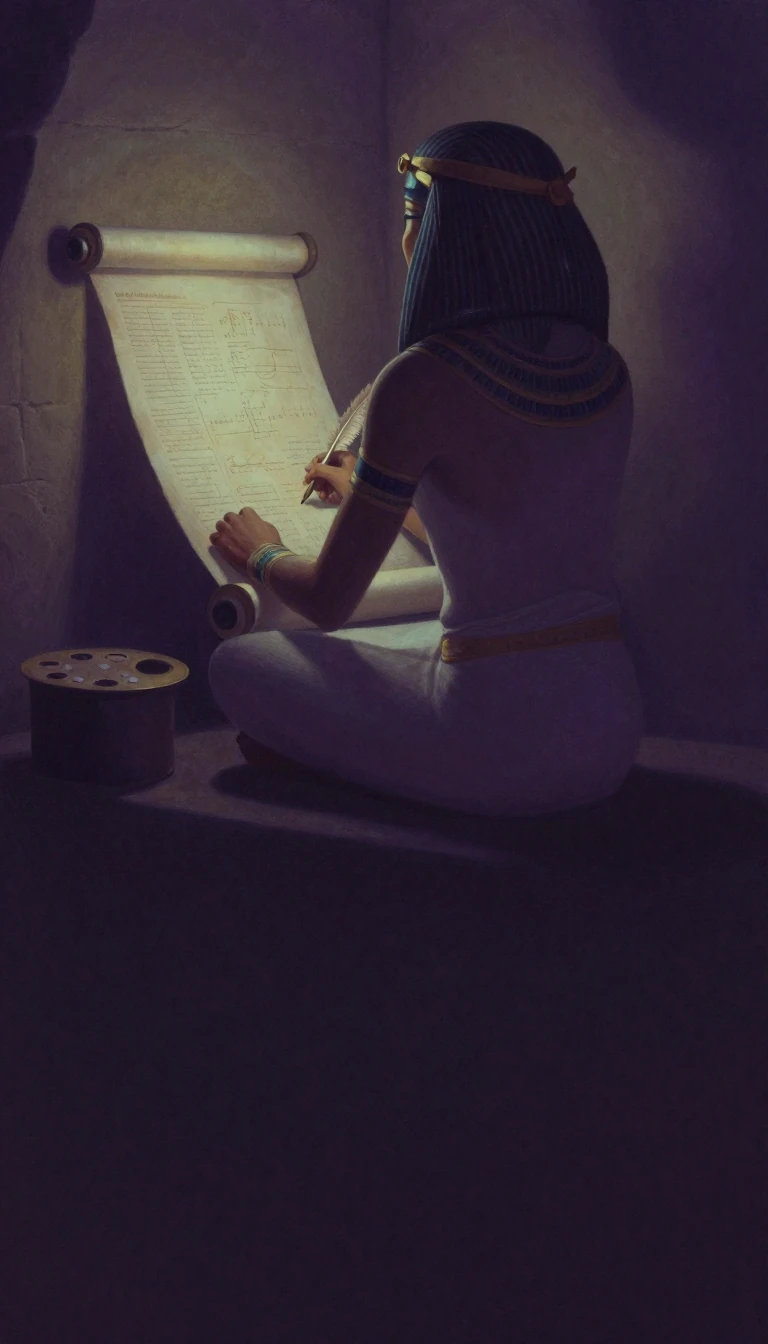 Why millions believe ancient civilizations were built by extraterrestrial visitorsErich von Däniken’s 1968 bestseller Chariots of the Gods? popularized the idea that ancient human achievements were actually the work of alien astronauts. While his books have sol…
- The Algonquin people have controlled the Ottawa River for at least two millennia.Long before European arrival, the Algonquin people established a sophisticated society along the Ottawa River, which they called Kitcisìpi. Masters of trade and mobility, they nav…
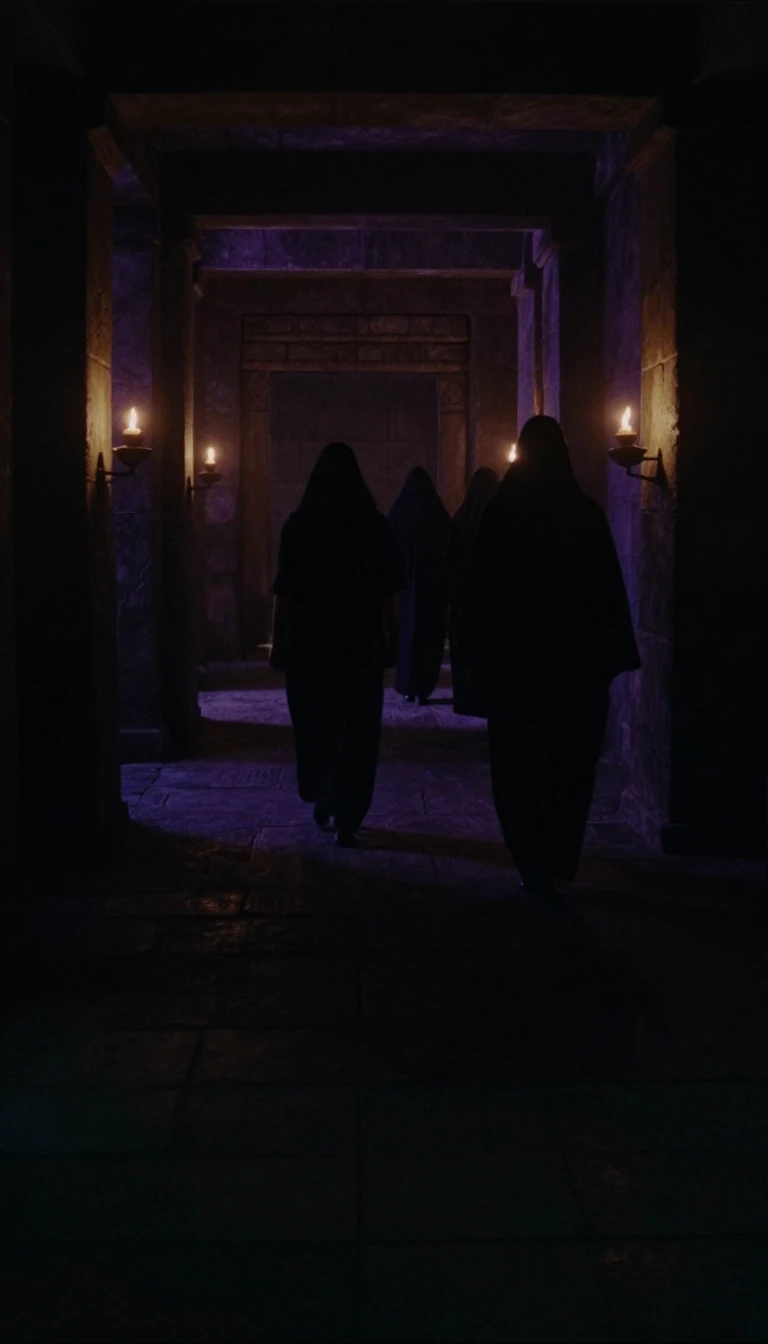 Harran: The Ancient Mesopotamian City That Refused to Give Up Its Pagan GodsFounded as a merchant colony thousands of years ago, Harran became a legendary center of science and a stubborn stronghold of paganism. While surrounding empires embraced Christia…
 How a failed space opera pitch became the world's most iconic archaeological adventureConceived by George Lucas in 1973, Raiders of the Lost Ark was born from a desire to modernize early 20th-century serial films. After struggling to secure rights for Flash Gordon,…
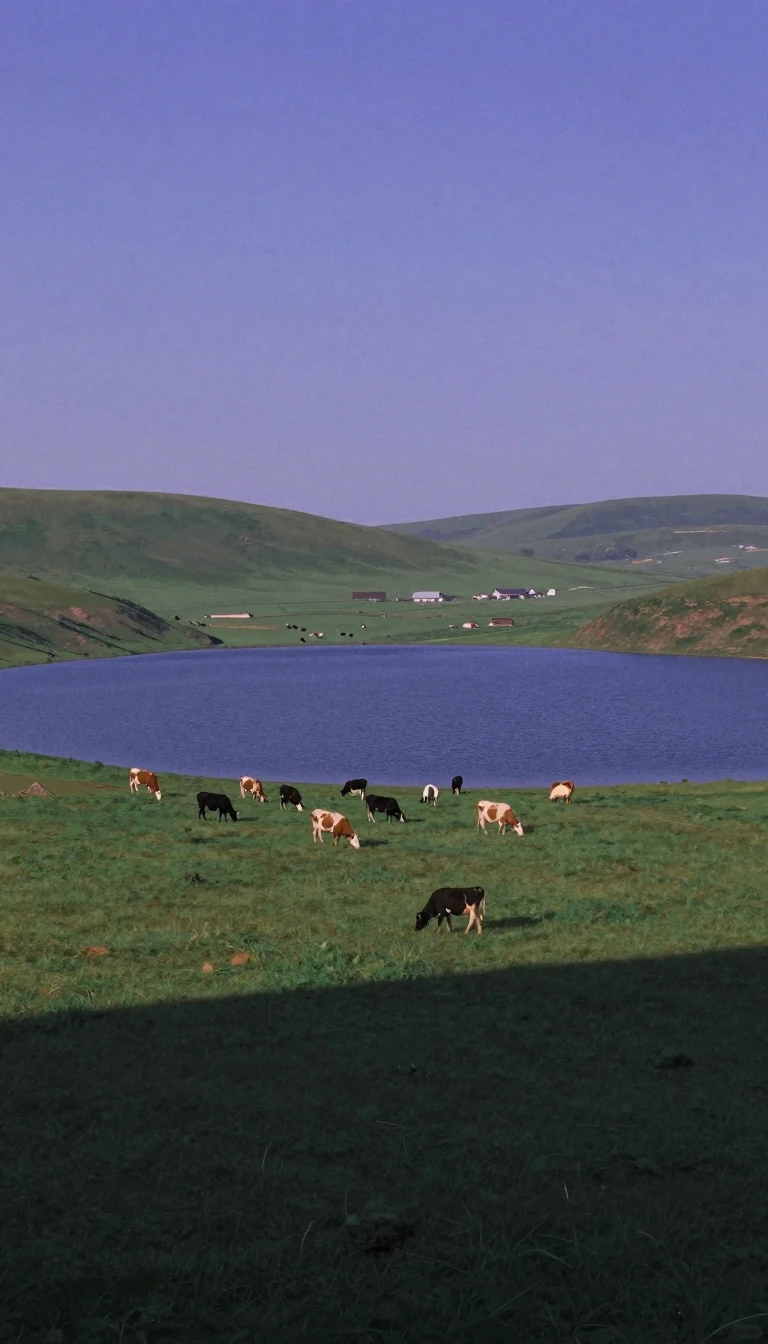 The resilient, humped cattle that shaped ancient civilizationsWith a distinctive fatty hump and incredible heat tolerance, the zebu is more than just livestock. From the Neolithic plains of Pakistan to the ritual wrestling arenas of Madagasc…
 What does it truly mean to be a real person?To the Yupik, the name itself translates to 'real people.' Spanning the coasts of Alaska and the Russian Far East, this resilient culture carries a history of ancient migrations, …
 Was the original Yule a Norse Day of the Dead?Long before it merged with Christmas, the Germanic festival of Yule was a time of supernatural visits, ritual slaughter, and solemn oaths. While some see it as a simple seasonal m…
- The extreme temperatures and ancient volcanic ash that shaped the YukonFrom bone-chilling freezes of −63.0 °C to summer heatwaves in June, the Yukon's climate is anything but predictable. Beyond the weather, a massive volcanic eruption in 800 AD left…
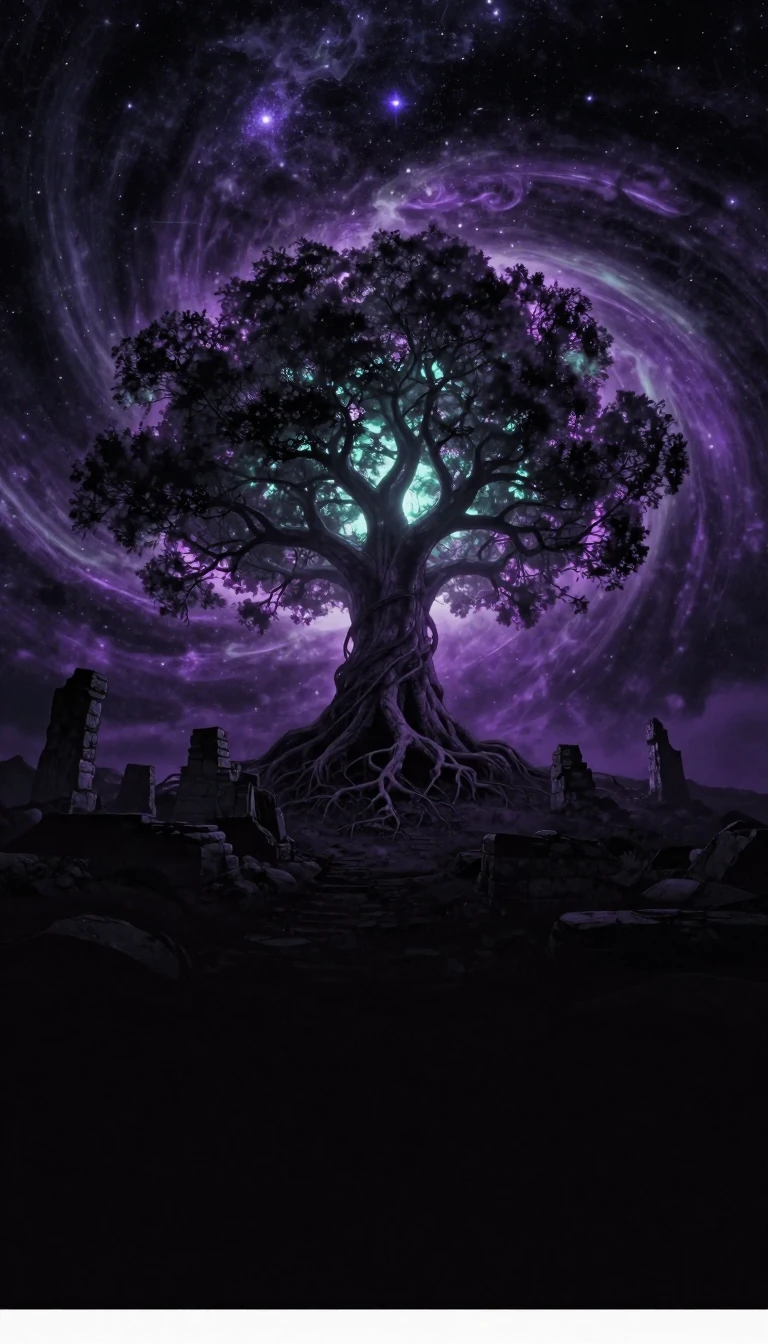 The cosmic ash tree that serves as both a sanctuary and a gallowsIn the heart of Norse cosmology stands Yggdrasill, a massive ash tree supporting the universe. It is a place of divine assembly and life-giving dew, yet it is also a site of profo…
 The ancient, closed-circle faith that survived centuries of isolation and persecutionOnce a widespread movement capable of drawing followers from Cairo to Kandahar, the Yazidi community eventually retreated into a strictly endogamous society. Driven by a hostile e…
- The great migration: how a Turkic people forged an identity in the Siberian frostFrom the shores of the Aral Sea to the frozen Lena River, the history of the Sakha is a saga of movement, conquest, and survival. Discover how a complex melting pot of migrating t…
 Is the world a container or the very act of appearing?We often imagine the world as a vast stage holding all of existence. But philosophers suggest something far more radical: that the world is not a container for objects, but the ve…
 The historical reality of the witch hunt was far more complex than mass hysteriaWhile we often imagine the witch hunts as a singular era of madness, they were actually a fragmented series of legal and theological shifts. From ancient Babylonian river ordeals …
- Was the Wicker Man a historical reality or Roman propaganda?Ancient texts describe a terrifying spectacle: massive wooden effigies filled with living victims and set ablaze. Yet, modern scholars suggest this iconic image of Celtic ritual m…
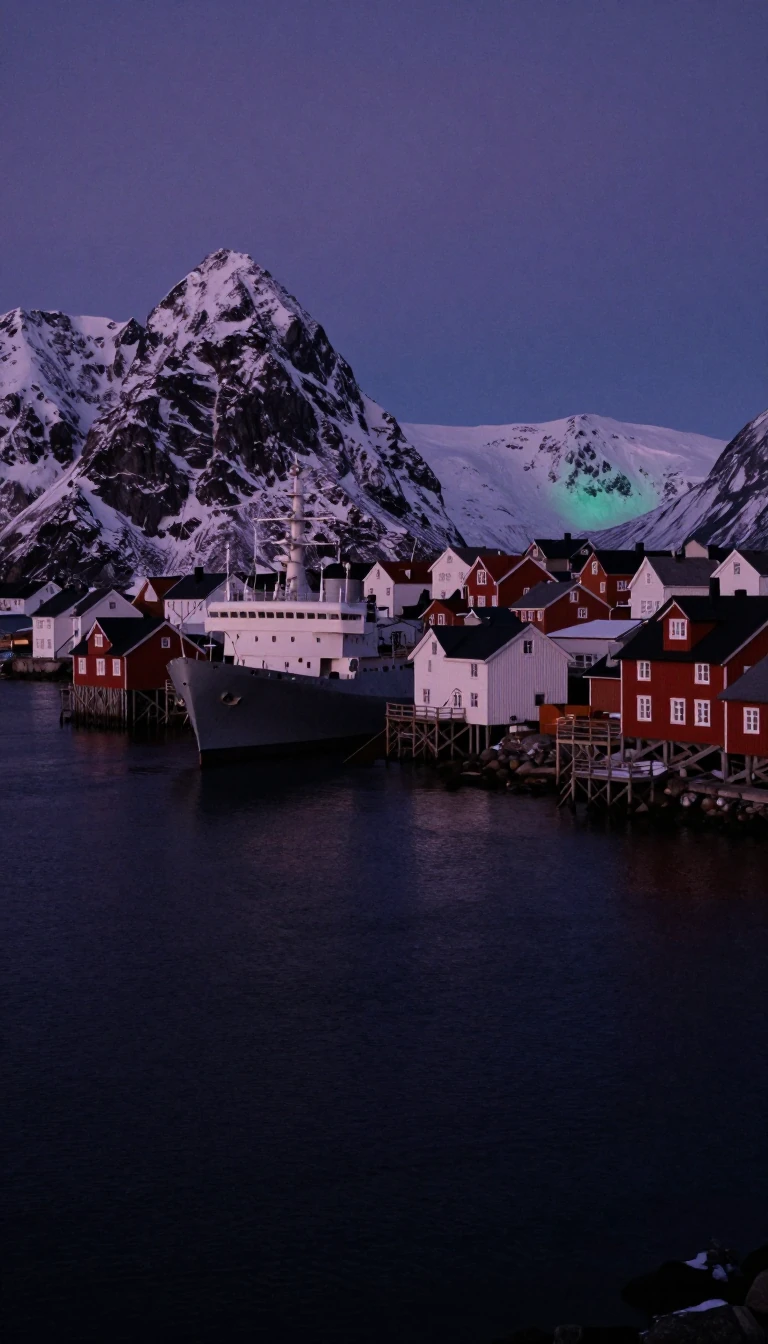 The city that almost became CloseleighIn the early 1900s, railway financiers tried to rename the Yukon's bustling hub after themselves. Today, Whitehorse remains a testament to local identity, a place where gold rush …
 Can a twelve-year-old girl break a centuries-old tradition of male leadership?In the Māori village of Whangara, leadership is a birthright reserved for first-born sons. But when a young girl defies her grandfather’s rigid expectations, she discovers a conne…
 The ancient, nutrient-poor landscape that holds the secrets of Earth's earliest lifeBeneath the vast deserts and iron ore mines of Western Australia lies a geological relic. This territory contains some of the oldest rocks on the planet, potentially preserving ev…
 The resilient confederacy that survived dispersal and diseaseOnce a powerful force in the Great Lakes, the Wendat Confederacy faced near-total destruction in the 1650s. Driven by warfare and devastating European epidemics, their people were…
 The lost echoes of a prehistoric, oral universeBefore the written word, the Welsh world was shaped by the breath of druids. While much of this ancient oral history was lost to invasion, fragments remain in medieval manuscripts…
 The Pacific territory where ancient kingdoms and French law coexistIn the South Pacific, a unique French collectivity maintains a delicate balance between modern administration and ancestral rule. Here, three traditional kingdoms still hold sway,…
- A deep-water invisible barrier separates the wildlife of Asia from AustraliaIn the narrow Lombok Strait, just 35 kilometers of ocean separates two entirely different biological worlds. On one side, elephants and apes roam; on the other, marsupials dominat…
- The People of the Dawn: How a defensive alliance rose from the ashes of warBefore the borders of modern Canada and the US were drawn, a powerful political union emerged from the Eastern Woodlands. Born from the need to resist colonial expansion and Iroqu…
- Can the secrets of ancient Greek warfare explain the dominance of the modern West?From the vineyards of California to the battlefields of antiquity, Victor Davis Hanson explores a provocative thesis: that the survival of Western civilization depends on the endu…
 How a $1,500 loan created the dictionary of show businessIn 1905, an editor fired for criticizing a paid advertiser launched a weekly newspaper with a small family loan. Today, that publication is the linguistic architect of Hollywood, …
 How a political label transformed into a massive ethnic identityThe modern Uzbek identity was not an ancient constant. It was a deliberate construction, born from the convergence of nomadic Turkic tribes and settled Iranian populations, later …
 Where did the Uralic languages actually begin?From the vast forests of Europe to the Siberian tundra, the Uralic language family spans continents. But tracing their origin is a linguistic detective story, with scholars debati…
 The university where research is meant to reach every homeIn 1904, a university president declared that academic boundaries should match the state's borders. This 'Wisconsin Idea' transformed a land-grant institution into a global engine…
 How an oil discovery transformed a Texas dream into a research powerhouseIn 1883, the University of Texas opened its doors with modest beginnings. Today, it is a global research titan, fueled by a massive endowment sparked by a single well. Discover ho…
- Does 'T' Stand for Total Abstinence, or Something More Profound?The concept of total abstinence, or teetotalism, has deep roots across cultures and faiths. But the very name suggests a simple linguistic trick. Discover the debated origins of t…
 Is the University of Oregon becoming a private institution in public clothing?As state funding for the University of Oregon plummeted from 40% to just 13%, a massive wave of private philanthropy stepped in. Driven by mega-donors like Phil Knight, the campus…
- From a frontier school to a global leader in medical innovationFounded seven years before Minnesota even became a state, this institution has evolved from a struggling territorial college into a massive research powerhouse. It has hosted worl…
- The American university that existed on paper for sixteen yearsBefore it was a research powerhouse, the University of Georgia was a legal promise without a single brick. Chartered in 1785 as the nation's first state-chartered public universit…
 The long, uneven journey toward the right to vote for allUniversal suffrage is often viewed as a settled democratic pillar, but its history is a fragmented saga of exclusion. From property requirements and religious tests to racial barr…
 The Roman ghost haunting the Slavic throne: where the title Tsar truly beganWhile we often associate the title Tsar with the Russian autocrats, its origins lie in a complex struggle for legitimacy between the Slavic world and the Byzantine Empire. It was …
- The invisible passenger that migrates from your gut to your musclesWhen you consume undercooked meat, you aren't just eating protein; you may be hosting a lifecycle. Trichinella larvae can escape their protective cysts, invade your intestinal wal…
 The invisible boundary where forests end and the alpine world beginsIt is not just a line on a map, but a biological frontier. Driven by temperature, wind, and even the tilt of the earth, the tree line marks the absolute limit of where woody plant…
- The sacred art of carving skin: the enduring legacy of Tā mokoLong before modern needles, Māori specialists used bone chisels to groove the skin. This was not merely decoration, but a sacred ritual of status and identity. Discover how this a…