 Intellect Plus
Ancient
561 cards. Each one is a 40-second story with a five-minute read behind it. Page 4 of 10.
 The Kaya Confederacy: A Lost Korean Powerhouse of Iron and Ancient DiplomacyLong before Korea was unified, the Kaya confederacy thrived in the Nakdong River basin. Renowned for their advanced iron-working and strategic trade, these city-states navigated a…
- How a rebellious lieutenant built a Hellenistic powerhouse from a stolen fortress treasury.Philetaerus, a lieutenant to one of Alexander the Great's generals, seized a massive treasury and a fortress to launch the Attalid dynasty. Over 150 years, this rump state transfo…
 The Lakhmid Kingdom: A Forgotten Power Broker Between Rome and the Sasanian EmpireFor centuries, the Lakhmids served as the essential buffer between two warring superpowers. Based in the Iraqi city of Al-Hira, this Arab kingdom commanded a sophisticated court, …
 The Lapita people were master navigators who settled the Pacific thousands of years ago.The Lapita culture appeared suddenly in the Bismarck Archipelago 3,500 years ago, bringing advanced technology and distinctive pottery. These Austronesian migrants, who originated…
 How a pre-ceramic society in Ecuador pioneered agriculture while sea levels roseLong before pottery existed in South America, the Las Vegas culture thrived on the arid Santa Elena Peninsula. Between 8000 and 4600 BCE, these early settlers adapted to a shiftin…
 Egypt’s Late Period was a final, brilliant struggle for independence against global empires.Between 664 and 332 BCE, Egypt navigated a volatile world of shifting superpowers. While often remembered for its eventual fall to Persia and Alexander the Great, this era was def…
 How Philip of Macedon used a peace treaty to conquer the Greek city-statesIn 338 BCE, Philip II of Macedon turned the strategic city of Corinth into the headquarters of a new pan-Hellenic alliance. By framing his military dominance as a mission to liber…
 The Liu-Song Dynasty: A Brief Era of Cultural Flourishing Amidst Political ChaosRuling southern China from 420 to 479 CE, the Liu-Song dynasty was a period of stark contradictions. While the era was defined by internal instability and short-lived leadership, …
- How a rural priest’s defiance sparked a war that forged an independent Jewish stateWhen Antiochus IV Epiphanes banned Jewish rites and desecrated the Second Temple, he expected submission. Instead, he triggered a brutal guerrilla uprising led by the Hasmonean fa…
 A broken stone slab from 840 BCE reveals the ancient politics of Moab and Israel.Discovered in 1868, the Mesha Stele is the longest Iron Age inscription from the Levant. It details King Mesha’s rebellion against the House of Omri, offering a rare, non-biblical…
 The Minoan eruption remains a chronological puzzle that continues to divide modern scientific experts.Around 1600 BC, a massive volcanic event on Thera reshaped the Aegean, burying the settlement of Akrotiri and triggering devastating tsunamis. Despite its scale, the precise timin…
 The lost kingdom of Minyue: A maritime power that defied the Han EmpireHidden in the mountains of modern Fujian, the ancient kingdom of Minyue once thrived as a fierce, independent state. From its origins as a refuge for displaced royalty to its fina…
- From imperial prince to literate clerk: the shifting legacy of the title MirzaOriginally a designation for royalty and high-ranking commanders in Persian and Mughal courts, the title Mirza has undergone a remarkable evolution. Once restricted to the descend…
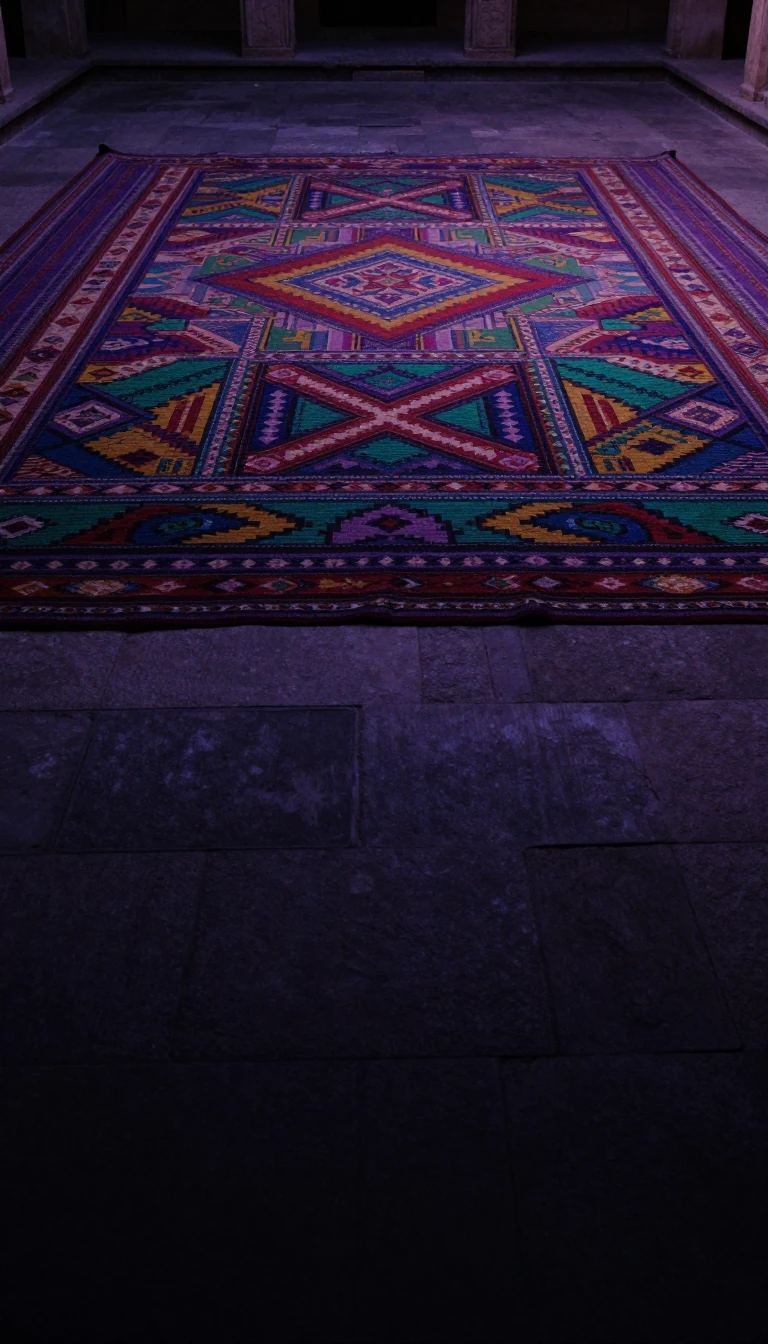 The Mixtec people have maintained a distinct civilization in southern Mexico for millennia.Spanning the mountainous regions of Oaxaca, Guerrero, and Puebla, the Mixtec culture is one of Mesoamerica's longest-running civilizations. While modern descendants preserve ancie…
- How did an ancient desert civilization manage to thrive for nine centuries in Peru?The Nazca culture mastered the arid landscape of southern Peru through ingenious engineering and complex ritual. From massive desert geoglyphs to sophisticated underground aqueduc…
 The maritime kingdom of Paekche was the essential cultural bridge of ancient East Asia.Often overshadowed by its rivals, Paekche was a sophisticated maritime power that acted as the Phoenicia of East Asia. By mastering the seas, this Korean kingdom became the primar…
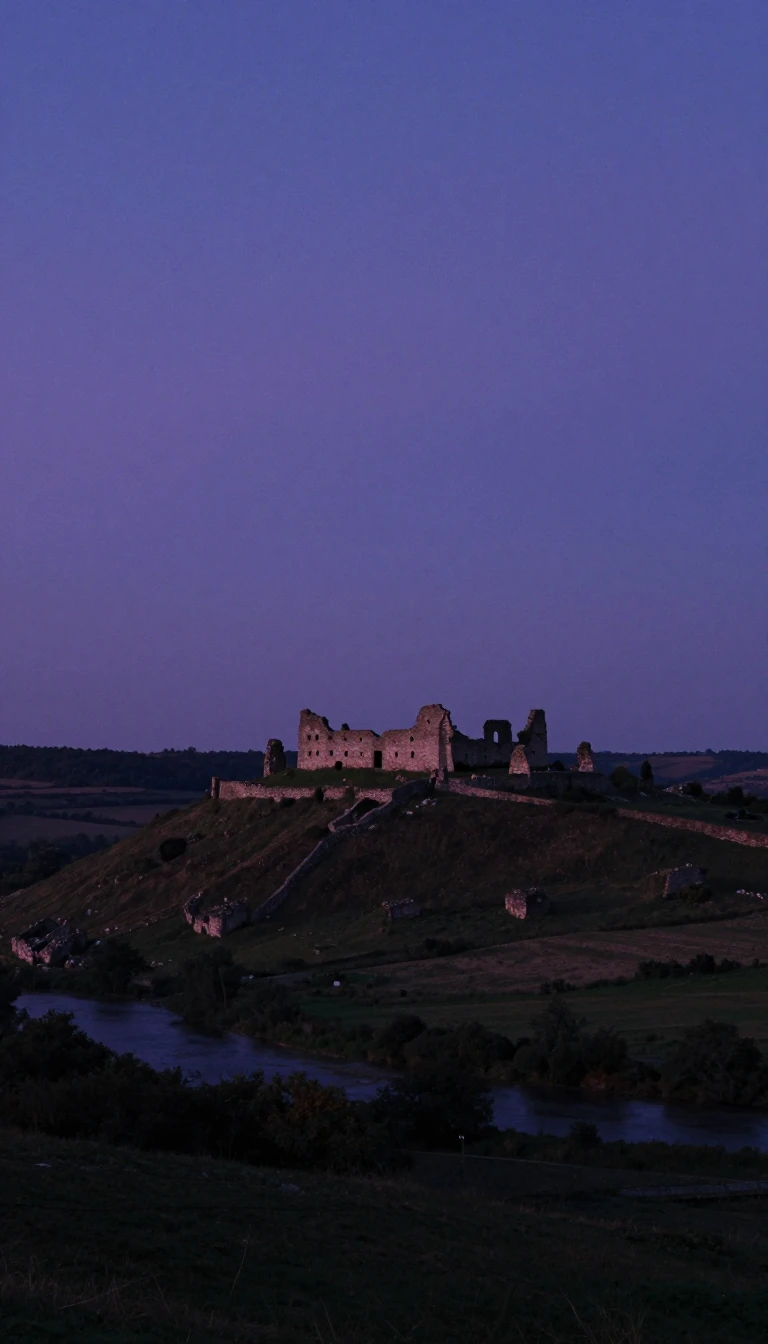 Was the ancient kingdom of Panchala a fusion of five distinct tribes?Panchala was a powerhouse of ancient India, rising from the Ganges-Yamuna Doab to become one of the sixteen major mahajanapadas. While famous for its role in the Mahabharata, its …
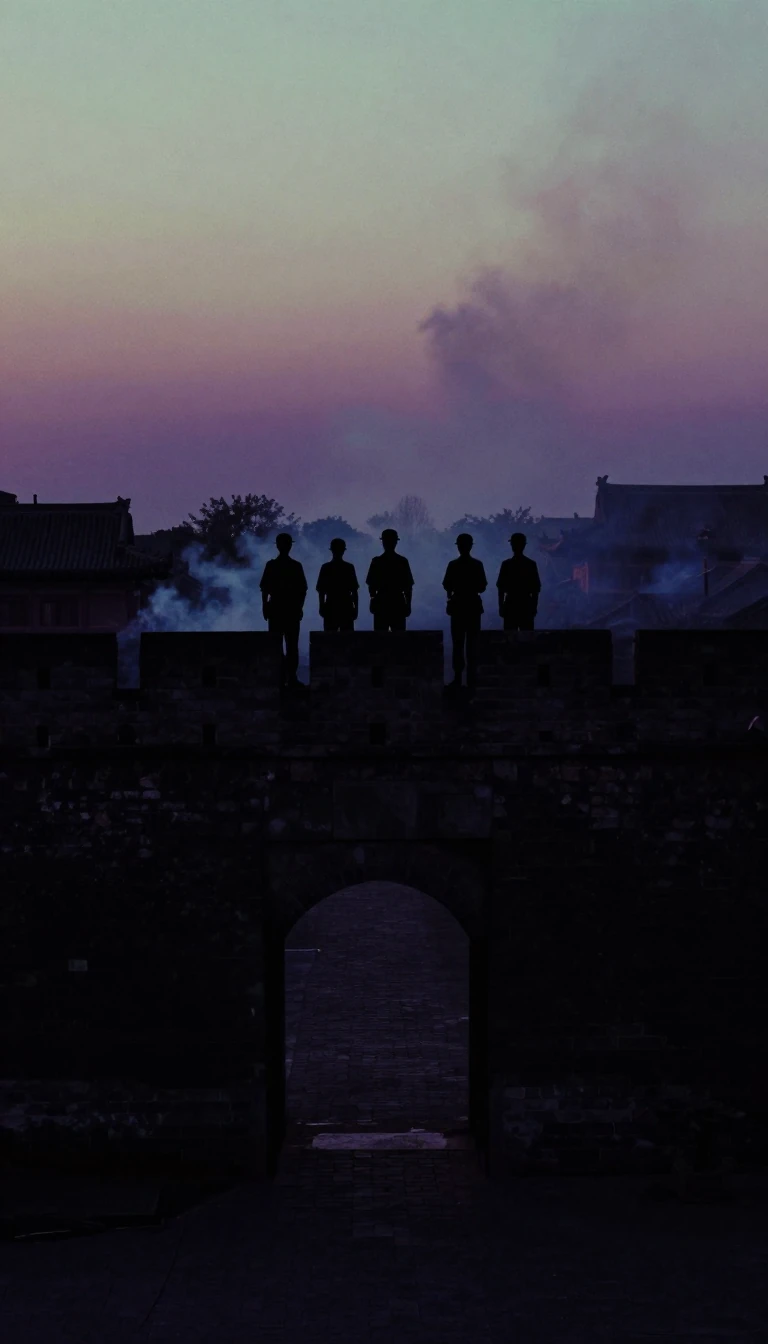 How a single ancient superpower collapsed into three warring states through internal aristocratic decayThe Partition of Jin was not a sudden event, but a decades-long erosion of central authority. As powerful ministerial families systematically usurped the ruling duke’s power, the …
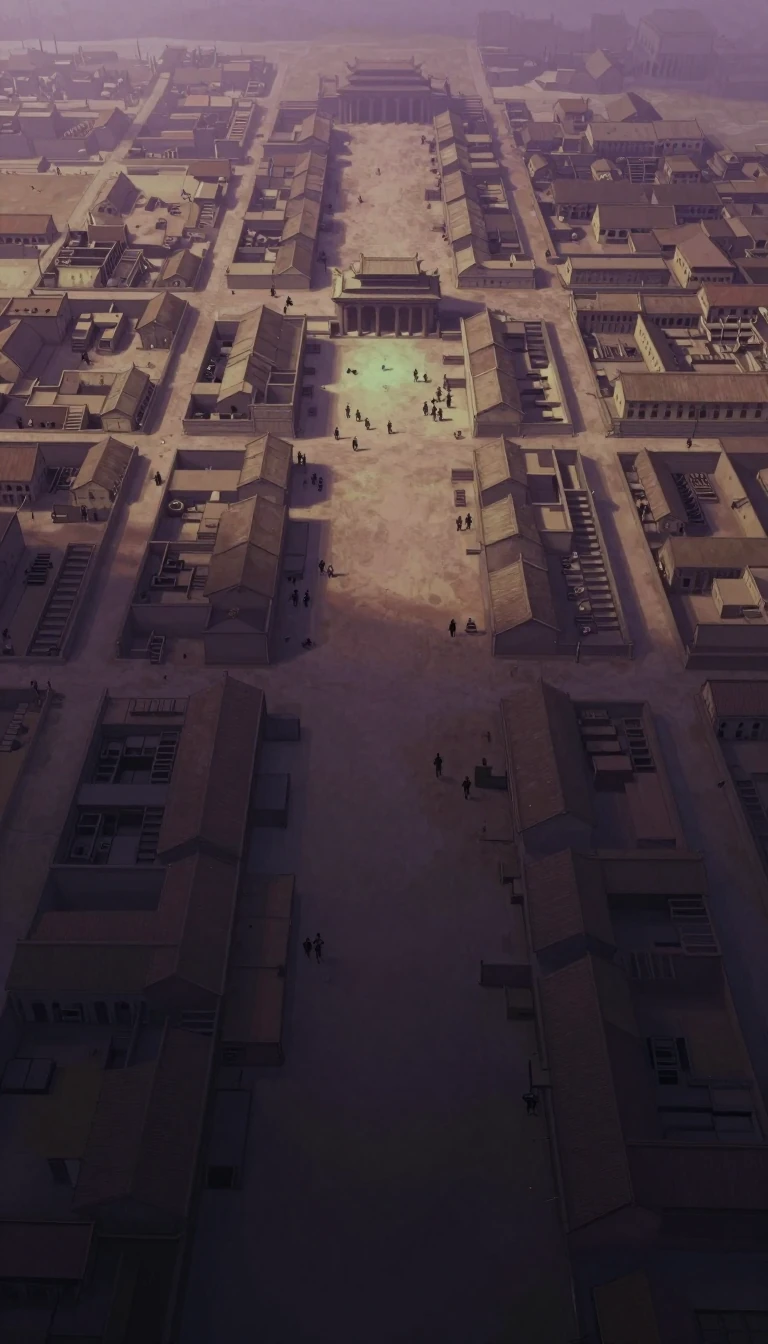 The Spartan-led Peloponnesian League was not a unified state, but a wheel of alliances.For centuries, Sparta anchored a powerful military coalition known as the Peloponnesian League. Far from a centralized government, this system functioned as a collection of indivi…
- Were the biblical Philistines actually Greek migrants who settled on the coast of Canaan?Long defined as the arch-enemies of the Israelites, the Philistines remain a historical enigma. While the Hebrew Bible portrays them as a distinct, aggressive power, modern schola…
 The Phoenicians built a global trade empire without ever becoming a single nation.Instead of seeking conquest, the Phoenicians prioritized profit, creating a vast mercantile network that linked the ancient world. While they never unified as a single state, thei…
 Before humans arrived, Australia was a land of fanged kangaroos and armored lizards.Long before the first human footsteps, Australia’s isolation from Gondwana turned the continent into an evolutionary laboratory. For millions of years, unique pressures forged a l…
- How the collapse of Old Chosŏn forged the foundations of the Korean Three KingdomsBefore Goguryeo, Paekche, and Silla became dominant powers, the Korean Peninsula existed in a transformative, proto-historical state. Driven by the arrival of iron technology and …
 How a fatal board game argument sparked a massive revolt against the Han dynastyIn 154 BC, seven powerful princes launched a rebellion against Emperor Jing of the Western Han. What began as a dispute over imperial centralization was fueled by a personal vende…
 How Rome slowly absorbed the Iberian Peninsula through centuries of war and diplomacyThe Roman conquest of Iberia was not a single, decisive campaign, but a sprawling 170-year process of cultural assimilation and military maneuvering. From the initial clash with C…
- How Rome transformed from a regional power into the master of the Mediterranean worldRome’s rise was not a single event but a relentless, centuries-long process of territorial consolidation. From securing the Po valley to the total destruction of Carthage, the Rep…
- How Roman magistrates evolved from absolute kings to figureheads of an imperial regimeRoman governance shifted dramatically over centuries, moving from the unchecked authority of kings to the complex, veto-heavy bureaucracy of the Republic, and finally to the absol…
- The ancient Samhan confederacies were the foundation for the modern Korean national identity.Emerging in the first century BCE, the Samhan were three loose confederations of walled-town states in southern Korea. While they eventually dissolved into the kingdoms of Paekche…
- The Sao civilization: A sophisticated African power that thrived for over three millenniaLong before modern borders, the Sao civilization dominated the Chari River basin. Known for their fortified city-states, divine rulers, and masterful metalwork, they left a legacy…
 Saqqara served as the eternal necropolis for the ancient Egyptian capital of MemphisWhile the Giza pyramids dominate the popular imagination, the sprawling site of Saqqara holds the secrets of a much longer history. As the burial ground for the ancient capital of…
 The Second Temple period saw Jewish history transform from a Persian province to Roman ruin.Spanning 600 years, the Second Temple period began with the return from Babylonian exile and ended in the cataclysmic destruction of Jerusalem. This era witnessed the birth of the…
- The Second Triumvirate was a legalised dictatorship that reshaped the Roman Republic forever.Formed in 43 BC, this extraordinary commission granted Mark Antony, Lepidus, and Octavian absolute power to rewrite laws and execute enemies without trial. While modern historians…
- How a massive Athenian gamble in Sicily ended in total military catastropheIn 415 BCE, Athens launched an ambitious naval armada to conquer Syracuse, hoping to secure resources and regional dominance. Instead, the expedition spiraled into a strategic nig…
- How the Han Dynasty Transformed Southern Tribes into a Unified Imperial HeartlandThe Han dynasty’s southward expansion was not merely a military conquest but a centuries-long project of cultural assimilation. By integrating diverse kingdoms like Nanyue, Minyue…
 The Sumerian King List: Ancient History or Carefully Crafted Political Propaganda?For decades, historians treated the Sumerian King List as a factual record of ancient Mesopotamia. Today, scholars view it as a sophisticated, evolving piece of political ideology…
 How a lost 5th-century kingdom shaped the modern landscape of Greater JakartaLong before Jakarta became a sprawling metropolis, the Tarumanagara kingdom dominated western Java. Known for its sophisticated hydraulic engineering and early Hindu influence, th…
 Why Egypt's Third Intermediate Period is a misnomer for a complex eraBeginning in 1077 BC after the death of Ramesses XI, the Third Intermediate Period is often dismissed as a time of decline and instability. Yet, scholars like Kenneth Kitchen have…
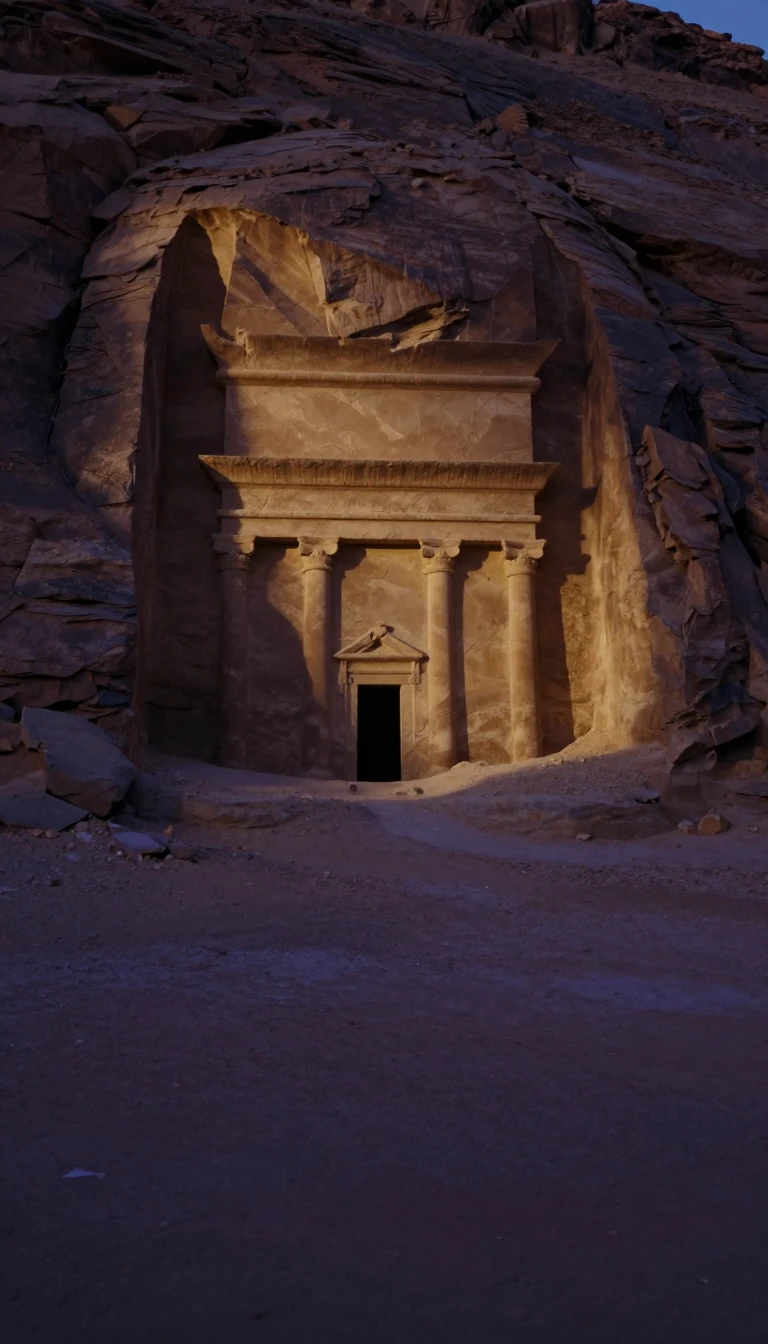 Why the most famous tomb in Egyptology was likely never meant for a kingTutankhamun’s tomb, KV62, is an anomaly in the Valley of the Kings. Smaller than other royal burials and sparsely decorated, it was likely a non-royal tomb—possibly intended for h…
- Why did democratic Athens execute its most famous philosopher in 399 BCE?The trial of Socrates was not merely a dispute over abstract ideas. It was a volatile collision between a fragile democracy and a man whose associations with aristocratic enemies …
- How a series of internal power struggles triggered the collapse of the Western Jin dynastyBetween 304 and 316, the Western Jin dynasty disintegrated as non-Han tribes seized control of northern China. This upheaval was not merely an external invasion but a consequence …
 How a mysterious Deccan dynasty became the power brokers of ancient IndiaEmerging from the central Deccan in the mid-3rd century, the Vakataka dynasty rose from obscure origins to become a vital political force. By securing strategic alliances with the…
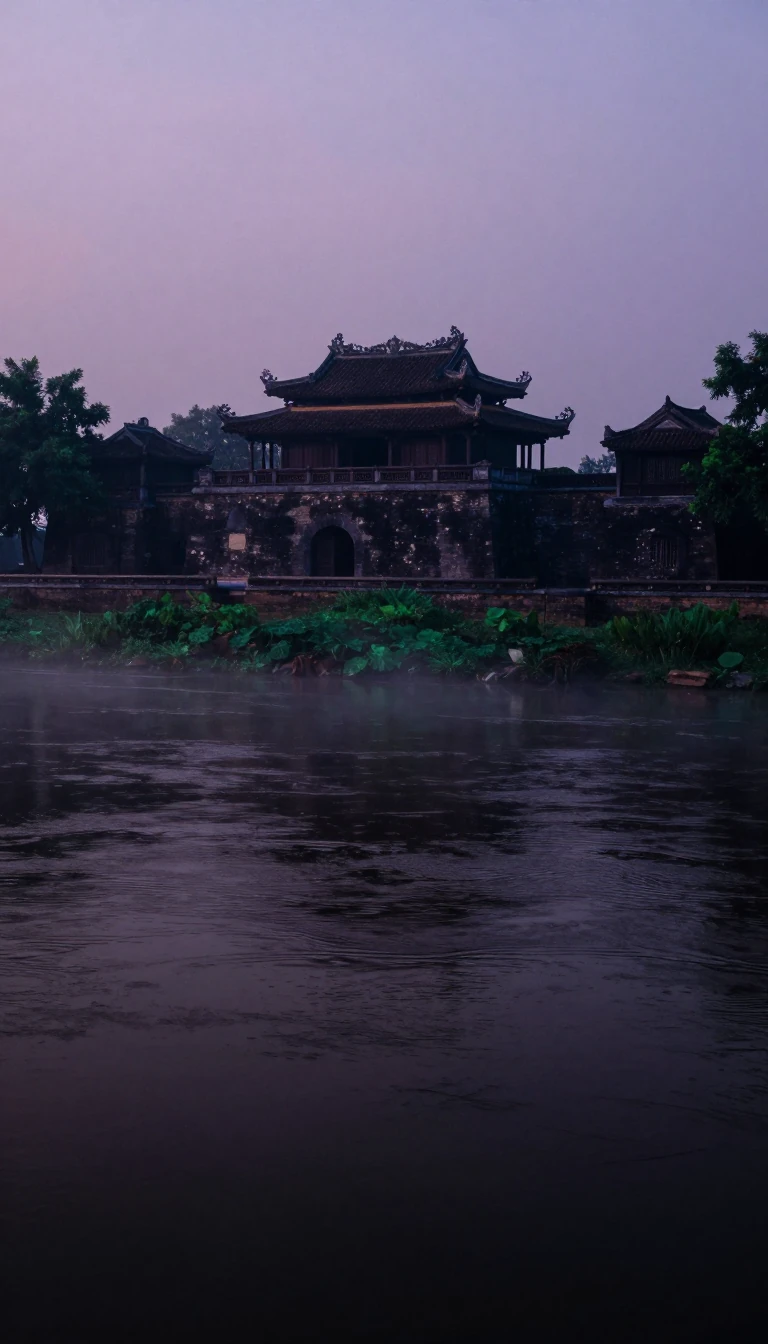 For over a millennium, Vietnam navigated Chinese rule by absorbing its innovations while resisting assimilation.Vietnam’s long period under Chinese administration was not a simple story of subjugation. Instead, it was a complex era of cultural exchange and political friction. While Chinese …
 When Alexander the Great died, his generals spent fifty years tearing his empire apart.Alexander the Great left behind a vast empire but no clear successor. Upon his death in 323 BC, his former generals, the Diadochi, launched a brutal, decades-long power struggle. …
- How a forgotten kingdom at the Yangtze mouth reshaped Chinese military strategy foreverThe state of Wu emerged from the periphery to challenge China's ancient powers, leaving a legacy that transcends its own collapse. Its rise and fall provided the backdrop for the …
 Did a mysterious horse-riding elite conquer ancient Japan to build its massive tombs?The Yamato period is defined by colossal keyhole-shaped burial mounds, but the origins of the rulers who commissioned them remain a subject of intense debate. While some theories …
- The Northern Frontier State That Shaped Ancient China's Defense and Cultural IdentityPositioned as the northernmost state of the Zhou dynasty, Yan served as a critical buffer against steppe nomads. Its unique culture, blending Chinese traditions with nomadic influ…
- The Ancient State of Yue: A Maritime Power That Defied Traditional Chinese NormsLong before the unification of China, the state of Yue dominated the lower Yangtze region. Renowned for their legendary swords and naval prowess, the Yue people lived by a culture…
- How a Russian fighter became the customized backbone of the Indian Air ForceThe Sukhoi Su-30MKI is no standard export. Tailor-made for Indian specifications, this heavy multirole fighter blends Russian air superiority with French, Israeli, and Indian avio…
 How a single pottery style transformed the European landscapeAround 5500 BC, a wave of agricultural innovation swept across Europe. Known as the Linear Pottery culture, these early farmers expanded across 1,500 kilometers in just 360 years,…
- The gruesome origin of the Olympic Games lies in a broken chariot raceBefore the glory of the Olympic Games, there was a blood-soaked ritual of vengeance. The legend of Pelops tells of a king who won a crown through betrayal, a broken axle, and a di…
- How a Republic's collapse gave rise to the Roman Empire's long reignThe transition from Republic to Empire was born from civil war and political unrest. Following the death of Julius Caesar, a struggle for power redefined Rome, leading to the rise…
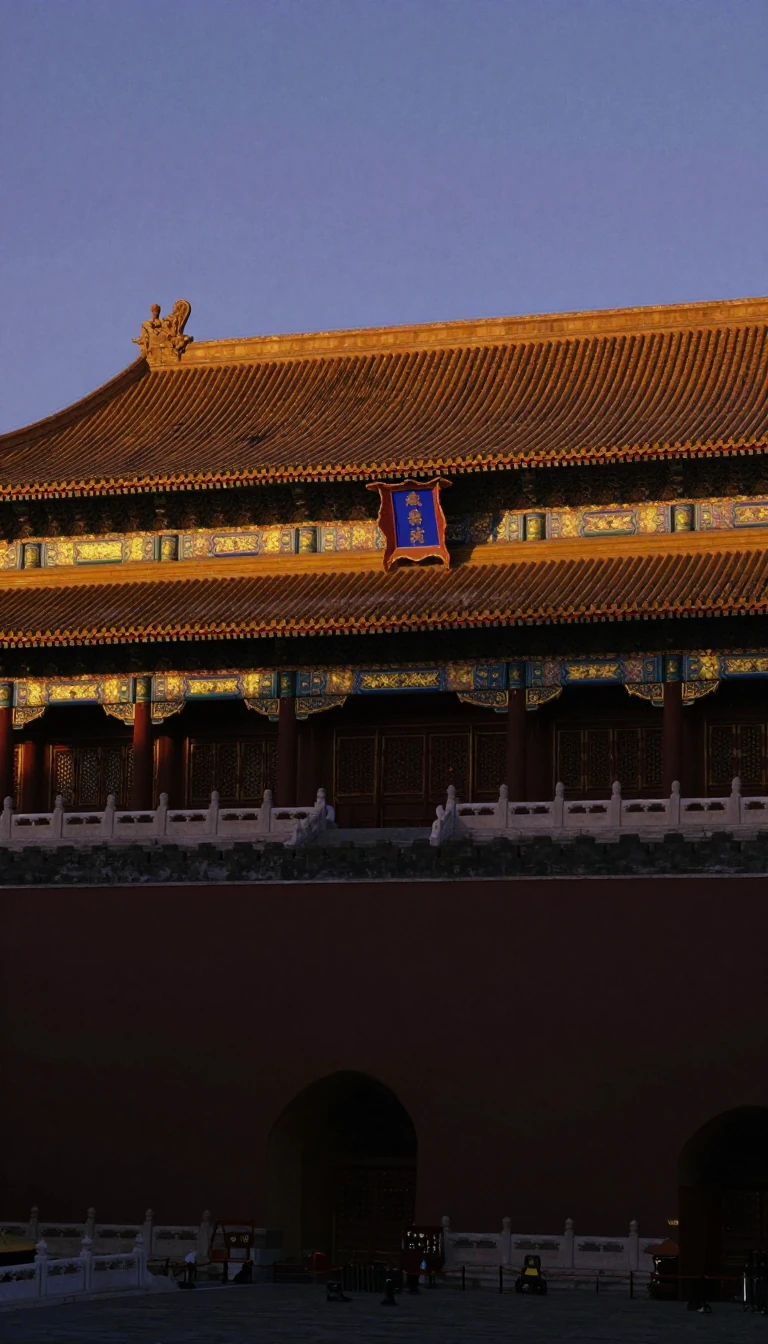 The nomadic empire that gave medieval Europe its most enduring name for ChinaThe Khitan people dominated the Eurasian steppe for centuries, founding the powerful Liao dynasty. Though their language is now extinct and their scripts remain largely undecipher…
- Before he was a villain, Baal was the life-giving lord of the ancient world.Known as Hadad in the north and Baal in the Levant, this storm god was once the essential provider of rain and fertility. Far from the later biblical caricature, he was a cosmic k…
- The Renaissance Pope who balanced artistic indulgence with the start of the Counter-ReformationAlessandro Farnese, known as Pope Paul III, was a complex figure who bridged the gap between the opulent Renaissance and the disciplined Counter-Reformation. While he famously fat…
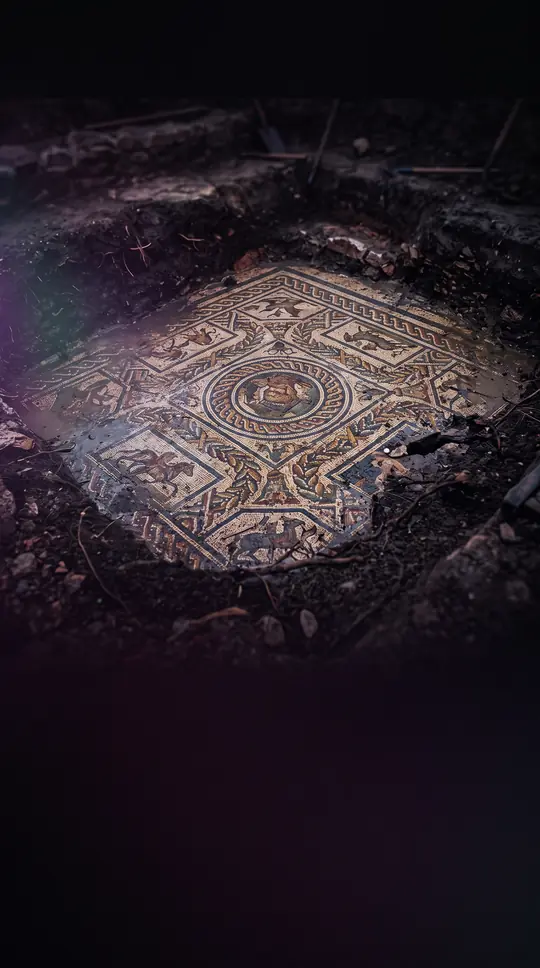 The Roman Forum was not built by design but evolved from a marshy cemetery.Far from a planned architectural masterpiece, the heart of ancient Rome began as a soggy, low-lying burial ground between two hills. Over centuries, it transformed through organic…
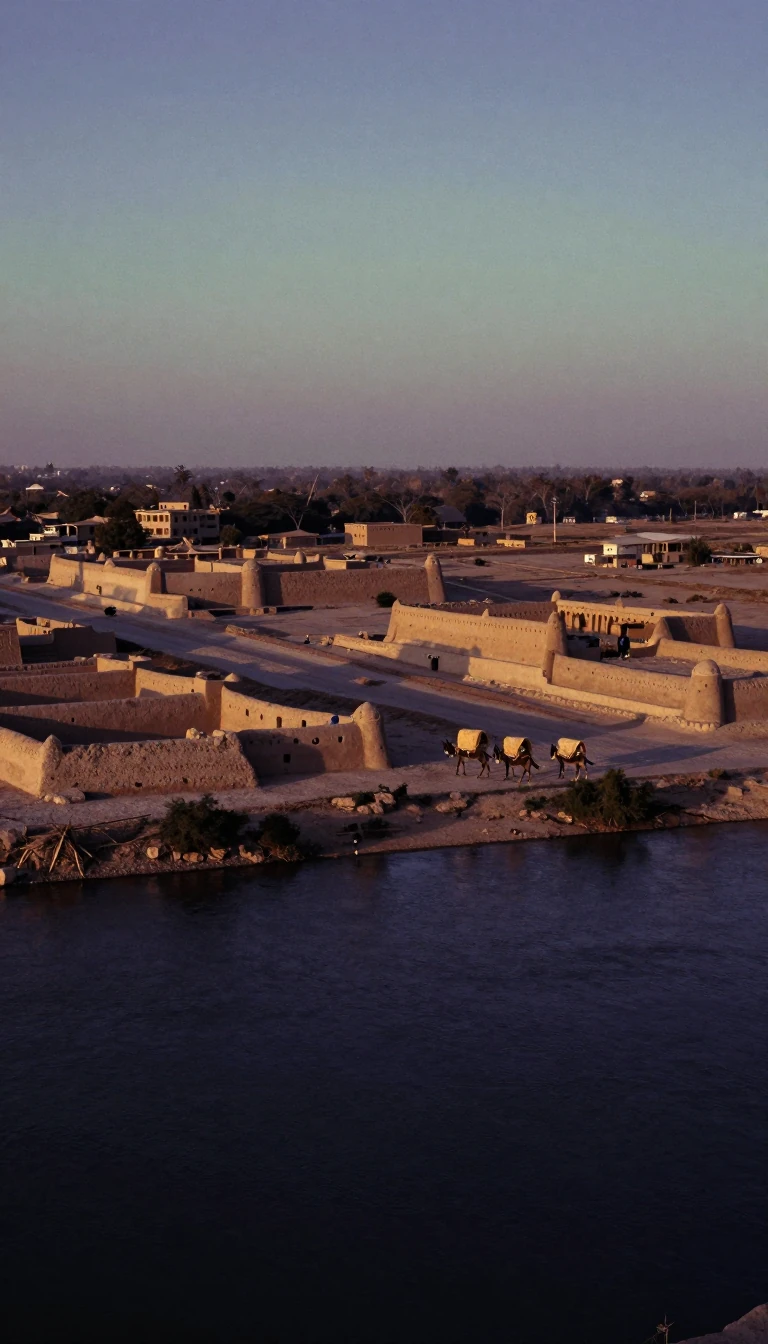 More than a racetrack, the Hippodrome was the beating heart of the Byzantine EmpireThe Hippodrome of Constantinople was a massive U-shaped arena where chariot racing fueled political rivalries and civil unrest. Holding up to 100,000 spectators, this social cente…
- The Roman dictator was a temporary emergency official, not a permanent autocrat.In the Roman Republic, a dictator was an extraordinary magistrate appointed for a specific, limited task—like winning a war or holding elections—before immediately resigning. Far …
- Sin was the Mesopotamian moon god, but his identity was a complex, shifting puzzle.Known as Nanna in Sumerian and Sin in Akkadian, this lunar deity was far more than a celestial body. He was a pastoral guardian of cattle, a judge of the dead, and occasionally, a…
 Dayak is not a single tribe, but a vast umbrella for Borneo's diverse indigenous peoples.The term Dayak covers over 200 distinct ethnic groups across Borneo, each with unique languages, customs, and laws. Historically used by outsiders to distinguish non-Muslim native…
 Was the God of the Bible originally a subordinate to a higher Canaanite deity?Long before monotheism defined Israelite religion, the ancient Near East worshipped El, the supreme father of the gods. Scholars suggest that the biblical Yahweh may have once bee…