 Intellect Plus
Ancient
561 cards. Each one is a 40-second story with a five-minute read behind it. Page 3 of 10.
 Were Viking Age poets masters of courtly praise or masters of the cutting insult?The skald was a central figure in Old Norse society, serving as both a courtly praise-singer for kings and a sharp-tongued master of the public insult. These poets navigated a com…
 How the horrific architecture of slave ships turned human beings into mere cargoBetween the 16th and 19th centuries, millions of Africans were forcibly transported across the Atlantic in vessels designed for maximum profit. By cramming captives into low-headr…
 Are South Slavic languages a distinct family or just a trick of geography?Spoken by roughly 50 million people, the South Slavic languages include Bulgarian, Macedonian, Slovene, and the variants of Serbo-Croatian. While often grouped together, linguists…
 The Spartan super-warrior myth is a historical fiction that obscures their true human fallibilityWe imagine ancient Spartans as invincible, stoic killing machines raised from birth to die in battle. This image, cemented by Hollywood and the legend of Thermopylae, is largely a…
- How one man’s elegant prose single-handedly defined the popular image of the Crusades.Sir Steven Runciman was an eccentric polyglot who viewed himself as a writer of literature rather than a historian. His three-volume history of the Crusades remains a cultural tou…
- The Su-57 Felon: Russia's attempt to balance stealth with traditional high-performance air combatThe Sukhoi Su-57 is a heavyweight multirole fighter designed to challenge the limits of modern aerial warfare. While often labeled a fifth-generation aircraft, it prioritizes supe…
 Why the original Tablets of Stone were shattered and then replaced by human handsThe Ten Commandments were not just divine decrees but a formal treaty. When Moses smashed the first set of stone tablets, it was a calculated legal act signaling the end of a brok…
 The tiny Athenian temple that survived war, destruction, and a Turkish defensive wallPerched on a steep bastion of the Acropolis, the Temple of Athena Nike is a masterpiece of Ionic architecture. Though it was demolished in 1686 to build military defenses, the str…
 How a 1997 television epic brought Homer’s ancient Greek journey to modern screensThe 1997 miniseries The Odyssey remains a landmark in television history, blending Homeric myth with ambitious production design. Directed by Andrei Konchalovsky and starring Arma…
- Can a 2,400-year-old Greek tragedy still capture the raw, modern horror of war?Euripides' The Trojan Women remains a haunting meditation on the aftermath of conflict. By focusing on the displaced women of a fallen city, the play exposes the brutal reality of…
- The word 'thing' once meant a powerful legislative assembly, not a common object.Long before it described a mundane object, the word 'thing' referred to a vital governing assembly in early Germanic societies. These gatherings, presided over by a lawspeaker, se…
 The trimaran is an ancient Austronesian innovation that redefined modern high-speed maritime travel.Long before they were high-tech racing machines or stealth warships, trimarans were the ingenious solution to a stability problem in Southeast Asian waters. By adding a second out…
 How a 1954 epic about Homer's hero became a legend of behind-the-scenes dramaThe 1954 film Ulysses brought Homer’s Odyssey to the screen with Kirk Douglas in the lead. While critics found the final product uneven, the production itself became a legendary c…
 How the U.S. Secretary of the Interior manages the nation’s vast natural resourcesThe Department of the Interior oversees most federally owned land and manages relationships with 574 recognized Native American and Alaska Native groups. From environmental policy…
- How a 19th-century Buddhist monastery evolved into a modern Sri Lankan research powerhouseTracing its roots to an 1875 monastic center, the University of Kelaniya has transformed into a pioneer of higher education. From restructuring traditional arts faculties to adopt…
- The ancient Hindu ritual of Upanayana marks a student's spiritual and intellectual rebirth.Upanayana is a profound rite of passage that initiates a young student into a disciplined life of learning. By connecting a pupil with a guru, this ceremony signifies a second bir…
- Why did a Roman Emperor die in a burning hut after a catastrophic defeat?Emperor Valens, an administrator who once lowered taxes for the common people, met a grim end at the Battle of Adrianople in 378. His death remains shrouded in mystery, with accou…
- Why ancient Greeks pinned corpses to the earth to prevent them from rising again.The vrykolakas is a terrifying figure of Greek folklore, a flesh-eating undead creature that haunts the living. Unlike the blood-drinking vampires of Slavic legend, this entity is…
 How Sir Walter Scott invented the historical novel while hiding his own identityBefore he was a literary icon, Sir Walter Scott published his debut novel anonymously to protect his reputation. This gamble birthed the Waverley Novels, a series that defined his…
- Roman women held no political office, yet they wielded power through private, strategic influence.While Roman women were barred from voting or holding office, they were far from powerless. By navigating complex social networks, managing property, and influencing husbands or fa…
- How Oliver Stone’s 9/11 Drama Sparked Controversy Over Accuracy and RepresentationOliver Stone’s 2006 film World Trade Center dramatized the survival of two Port Authority officers trapped in the rubble. While the production aimed for a respectful tribute, it f…
 The Zamorin: How a Hindu ruler became the lord of the spice tradeThe Zamorin was the sovereign of Calicut, a vital Indian trading hub that once dominated the global spice market. Often remembered for his tense 1498 encounter with Vasco da Gama,…
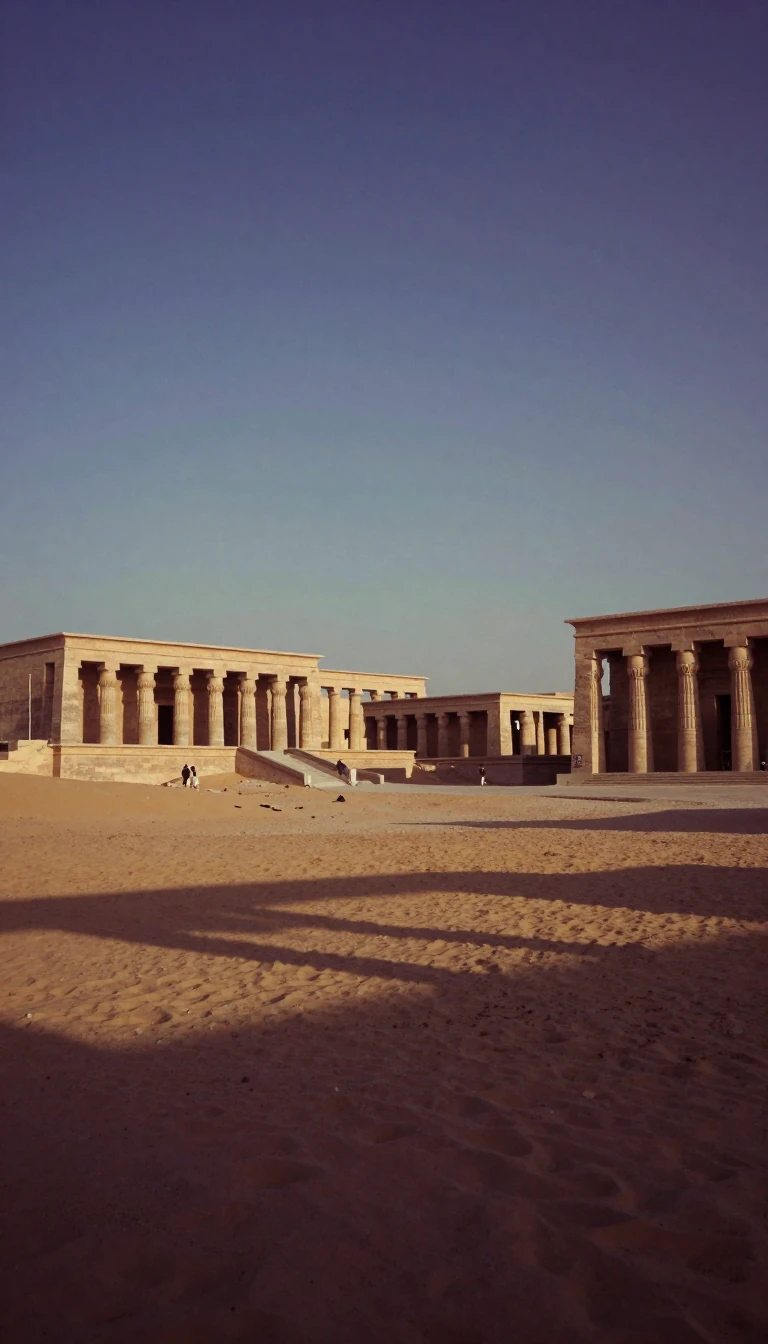 A lost Hellenistic city in Afghanistan reveals the reach of Greek culture in Asia.Deep in the mountains of modern-day Afghanistan lies Ai-Khanoum, a city founded by the successors of Alexander the Great. Rediscovered by a king on a hunting trip in 1961, this an…
 The Amber Road was never a single path, but a vast ancient trade network.Forget the image of a simple, paved highway. The Amber Road is an archaeological concept describing a complex web of trails that connected the Baltic coast to the Mediterranean fo…
- How an ancient religious pact became a powerful tool for Greek political controlLong before the rise of the Greek city-state, neighboring tribes formed sacred alliances called amphictyonies to protect shared temples. While these leagues began as peaceful reli…
- Did a mysterious pandemic trigger the slow, agonizing collapse of the Roman Empire?Between 165 and 180 AD, a devastating epidemic swept through the Roman Empire, killing millions and potentially altering the course of history. While scholars debate whether it wa…
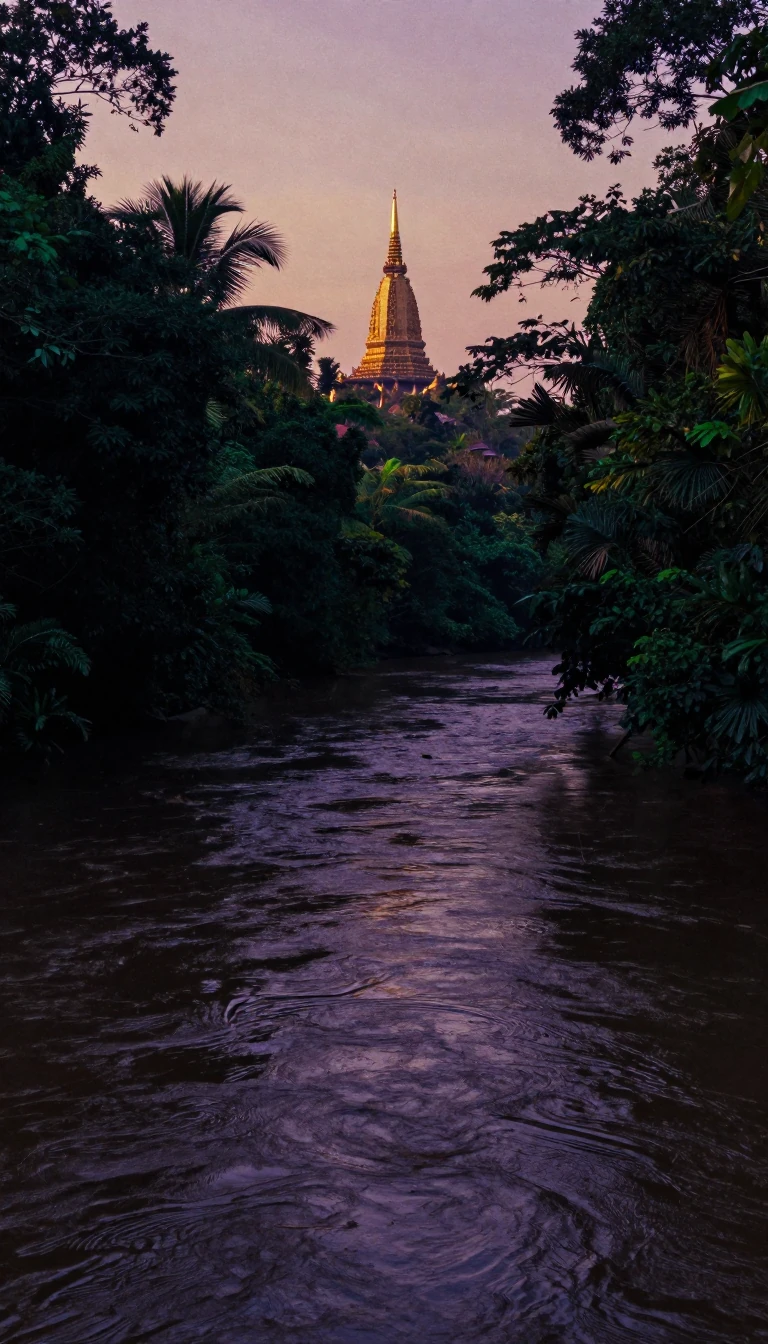 How an ancient Sri Lankan kingdom mastered water to survive for over a millenniumThe Anuradhapura kingdom, established in 437 BC, transformed Sri Lanka through a sophisticated irrigation network that turned the dry zone into a self-sufficient agricultural powe…
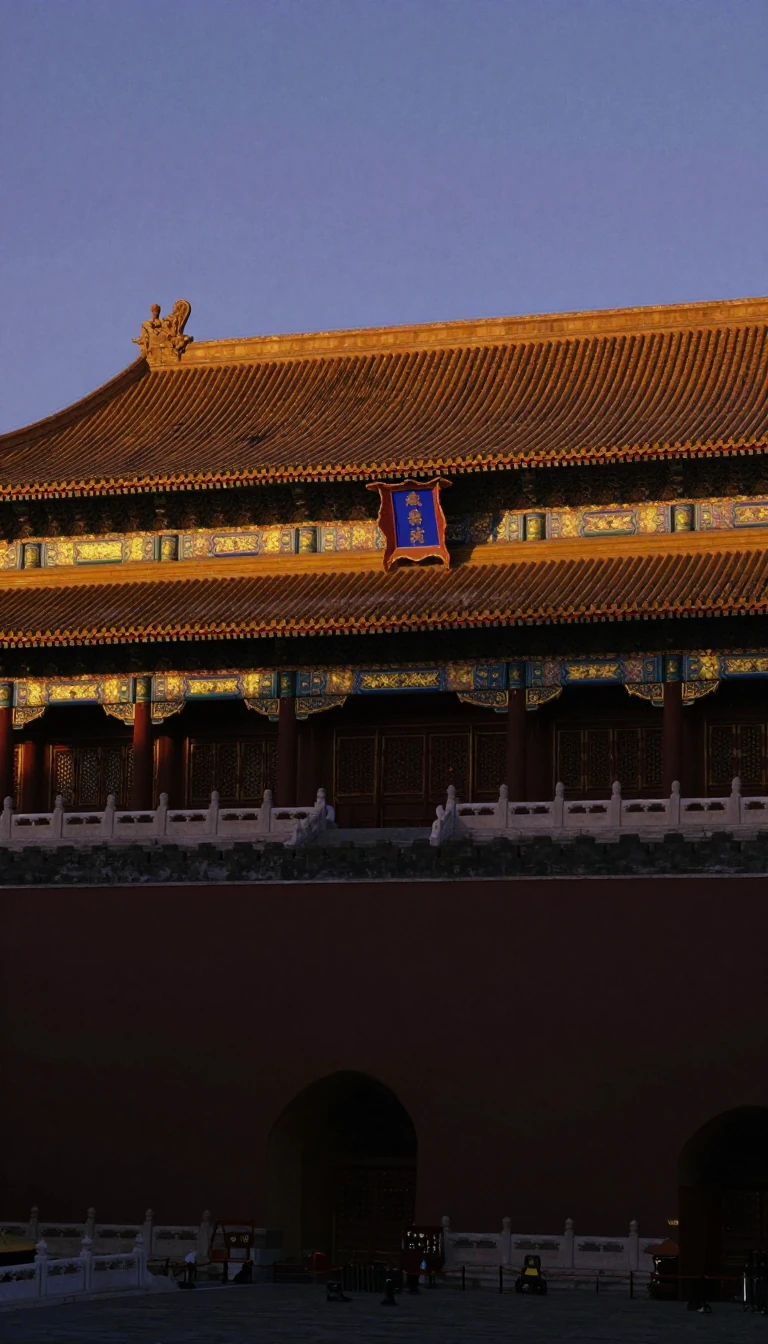 How a seventh-century diplomatic insult helped forge the modern Japanese stateDuring the Asuka period, Japan transformed from a loose collection of clans into a centralized imperial power. By adopting Buddhism, Chinese administration, and a bold new diploma…
 Did a single era of human history define how we think about the world?Between 800 and 200 BCE, civilizations across Eurasia experienced a sudden, parallel shift in consciousness. From the philosophers of Greece to the sages of China and India, think…
 Was the largest naval battle in history fought between Rome and Carthage in 256 BC?In 256 BC, nearly 700 warships and 290,000 sailors clashed off the coast of Sicily. This massive encounter, known as the Battle of Ecnomus, pitted the Roman Republic against Carth…
- Were the Belgae a distinct people or just the fiercest of the ancient Gauls?Julius Caesar famously branded the Belgae as the bravest of all Gauls, yet modern historians struggle to define them. Were they a unique ethnic group, a military alliance, or simp…
- Did the First Emperor of China actually bury hundreds of scholars alive?History remembers Qin Shi Huang as a tyrant who burned books and buried scholars to cement his rule. Yet, modern historians suggest this narrative may be a later invention by his …
 The ancient Chera kings built a maritime empire on the back of black pepperLong before modern global trade, the Chera dynasty dominated the southern tip of India. By controlling the Malabar Coast and vital mountain passes, these rulers connected the Indi…
- How the southern state of Chu challenged the heart of ancient Chinese powerRising from the fertile Hubei valley, Chu evolved from a minor Zhou dynasty fiefdom into a formidable hegemon. While northern states struggled to maintain order, Chu expanded its …
- Who were the Cimmerians, the mysterious nomadic warriors displaced by the rising Scythian empire?Before the Scythians dominated the Eurasian steppe, the Cimmerians held sway over the Caucasus and northern Black Sea regions. Driven out by their rivals in a decades-long conflic…
- Did a vision of Apollo or the Christian God secure Constantine’s imperial throne?Constantine the Great transformed the Roman Empire into a Christian state, yet historians remain divided on his true motivations. Was his conversion a genuine spiritual awakening,…
- Did the Roman Republic collapse from a single crisis or a series of ruptures?The fall of the Roman Republic was not a sudden event but a century of unraveling. From 133 BC to 27 BC, structural inequality, political violence, and the rise of private armies …
- Dilmun was the ancient trade hub that may have inspired the Garden of Eden.An East Semitic civilization thriving in the Persian Gulf from the third millennium BC, Dilmun served as a vital commercial bridge between Mesopotamia and the Indus Valley. Beyond…
- In 81 BCE, China debated whether the state should control its own economy.When Emperor Wu of Han died, he left behind a nation strained by state monopolies on salt and iron. His successor’s regent convened a historic debate in Chang'an to decide the fut…
 Modern domestic horses share a single, surprisingly recent origin in the Western Eurasian steppes.For years, researchers debated whether horses were domesticated in multiple locations across the ancient world. New genomic analysis of hundreds of ancient samples has finally set…
 How independent city-states laid the foundation for the world's first empires in MesopotamiaBetween 2900 and 2350 BCE, Mesopotamia transformed into a landscape of competing city-states. This era, known as the Early Dynastic Period, saw the rise of kingship, specialized s…
- Was the legendary first king of Egypt actually a historical figure or a myth?The unification of Egypt is often credited to Menes, but evidence suggests he may be a later invention. Instead, the Early Dynastic Period reveals a complex transition involving r…
- The world's oldest peace treaty was a strategic alliance born of mutual desperationSigned around 1259 BC, the Eternal Treaty between Ramesses II and Hattušiliš III is the earliest diplomatic pact with surviving records from both sides. Far from a simple end to h…
 How a 400-Year Imperial Dynasty Collapsed Into the Fragmented Three Kingdoms EraThe Han dynasty defined Chinese identity for centuries, yet its eventual collapse in 220 CE shattered a unified empire into three competing states. Driven by internal corruption, …
 Did the famous eruption of Mount Vesuvius actually happen in the autumn of 79 AD?For centuries, history books claimed the eruption occurred in August. Yet, modern archaeology tells a different story. From autumn produce found in the ruins to a charcoal inscrip…
 Was Egypt's First Intermediate Period a dark age or a time of regional growth?Following the collapse of the Old Kingdom, Egypt entered a century of decentralized power. While often remembered for political instability and famine, this era saw regional gover…
 Were the Han Commanderies Chinese colonies or a myth of imperialist historical forgery?For centuries, historians placed the Han dynasty's administrative commanderies in the Korean peninsula. Today, this consensus faces fierce revisionist challenges, with some schola…
 Was this ancient mountain kingdom the true landing site of Noah's Ark?Tucked between the Tigris and the Armenian highlands, the kingdom of Gordyene was a strategic powerhouse of antiquity. Famed for its agricultural wealth and master builders, this …
- Did Emperor Nero burn Rome to the ground or was it a tragic accident?For nearly two millennia, history has painted Nero as a hedonistic tyrant who set Rome ablaze to clear space for his own vanity. But modern historians suggest the truth is far mor…
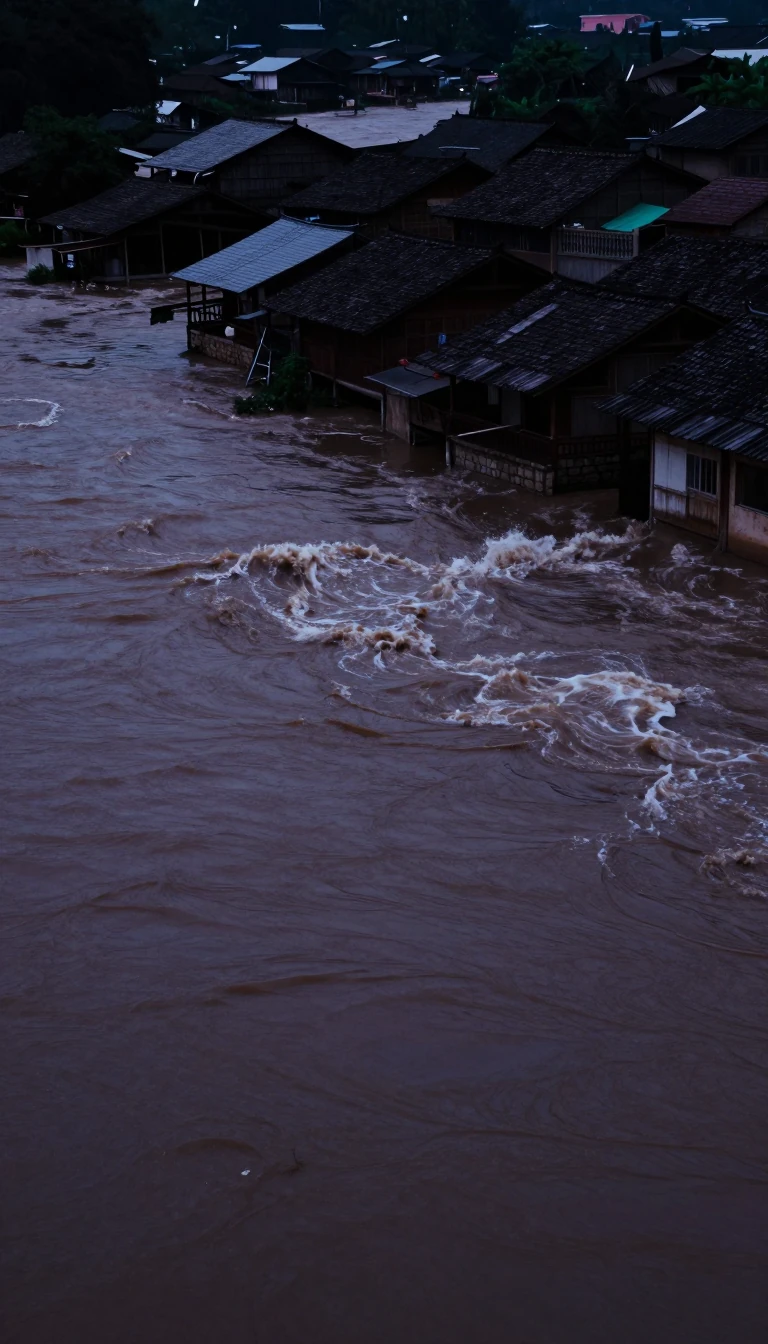 Did a catastrophic outburst flood at Jishi Gorge birth China's first dynastic state?Ancient Chinese mythology tells of a relentless, multi-generational deluge that forced humanity to innovate or perish. While traditionally viewed as a moral tale of divine interve…
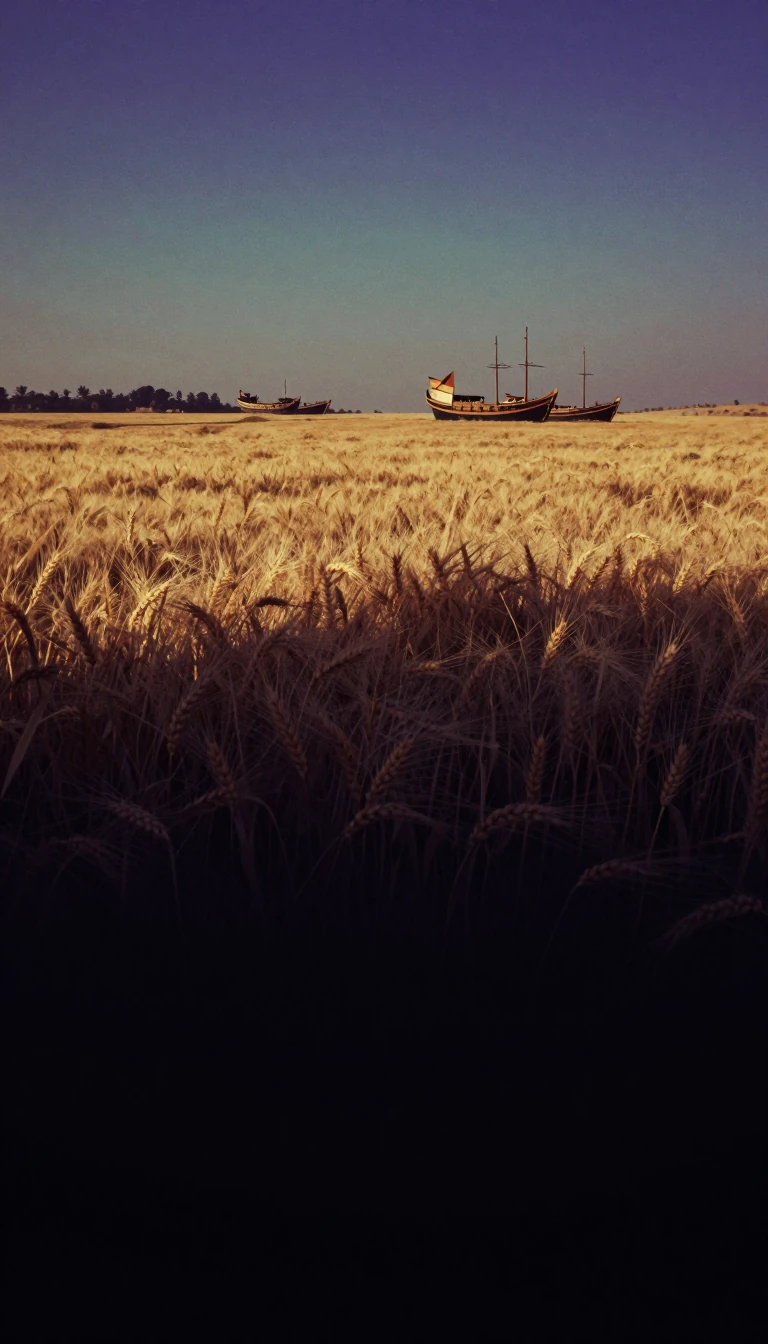 How the unification of the Nile Valley defined three millennia of pharaonic ruleAncient Egypt was not merely a kingdom but a civilization spanning thousands of years. From the initial unification of Upper and Lower Egypt in the 32nd century BC to the eventual…
- How Rome turned a conquered rival into its most prosperous African colonyAfter the Punic Wars, Rome dismantled Carthage and transformed its territory into a cornerstone of imperial power. This region, eventually named Africa, became a cosmopolitan hub …
- The Levant was a cradle of civilization, independent of Egypt and Mesopotamia's shadow.Long dismissed as a peripheral buffer zone, the Levant was actually a primary engine of human history. From the earliest sedentary agriculturalists to the inventors of the alphabe…
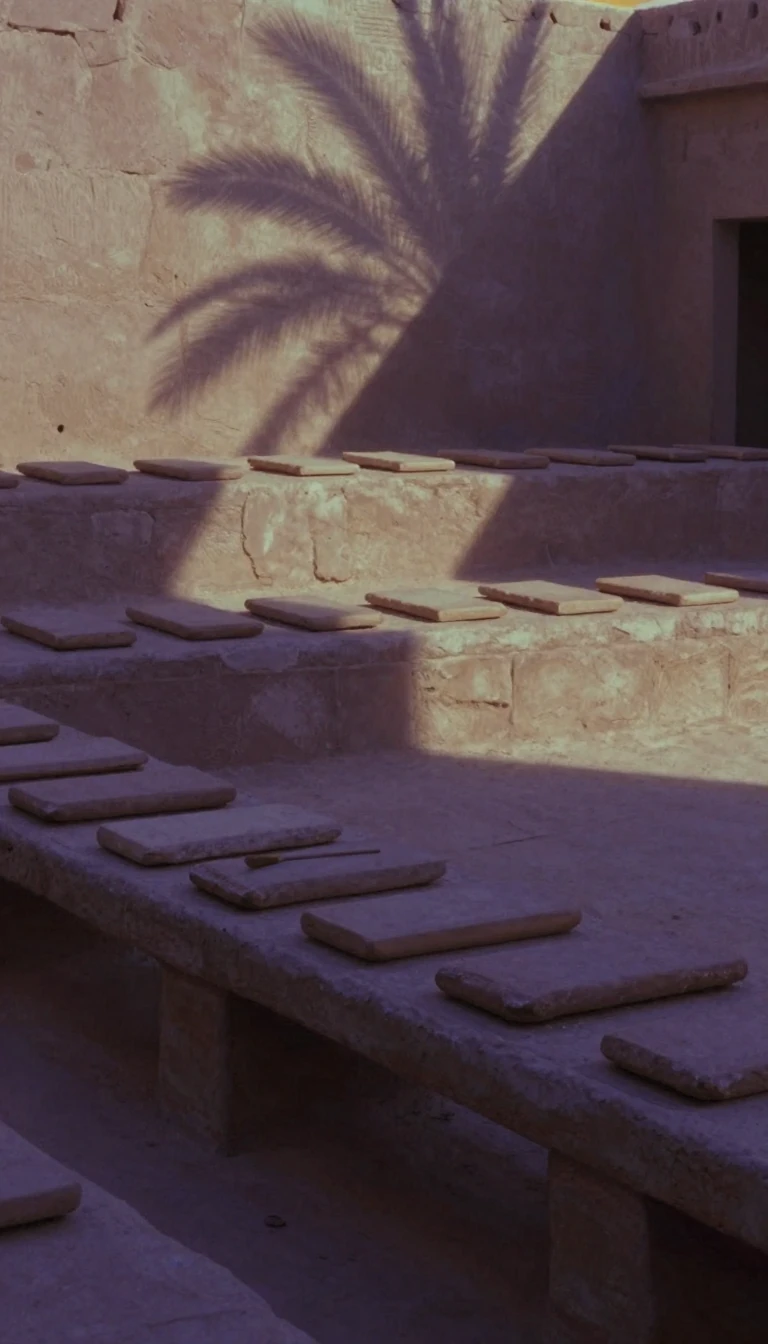 The Hurrians were the Bronze Age masters of chariots, metallurgy, and ancient musical composition.Inhabiting the Ancient Near East for a millennium, the Hurrians built powerful empires like Mitanni and shaped the mythology of their neighbors. Though their origins remain debate…
- How ancient incense routes connected the Mediterranean to the riches of the EastLong before global shipping, a vast network of land and sea routes linked the Mediterranean to India and Arabia. Driven by an insatiable demand for frankincense and myrrh, this an…
 Why this ancient blue pigment became the most valuable commodity in human historyKnown as blue gold, indigo was once a rare luxury that defined global trade and sparked colonial revolts. This organic compound, derived from plants or sea snails, requires comple…
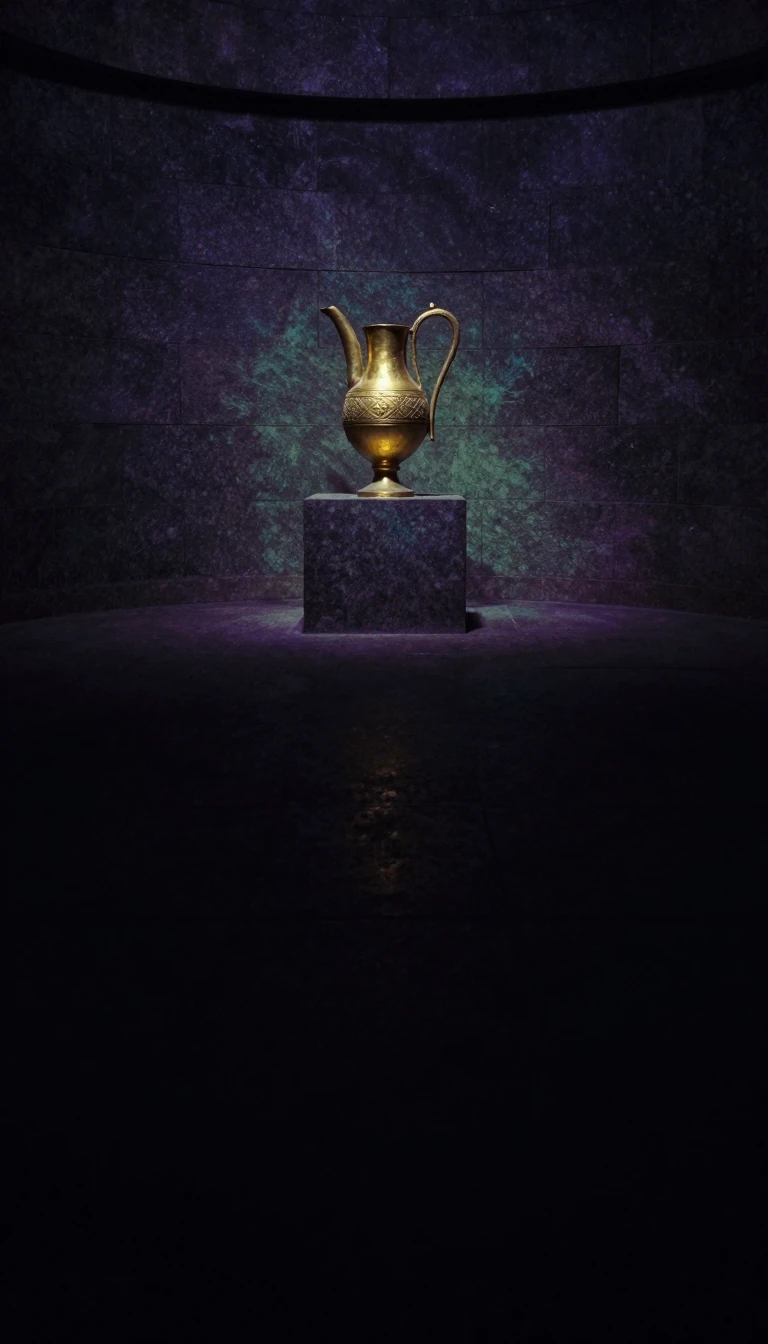 The Indo-Parthian Kingdom: A Forgotten Empire of Syncretic Power and Cultural ExchangeFounded in the first century CE by Gondophares I, the Indo-Parthian kingdom bridged the gap between Iran and India. This syncretic empire, often called the Suren Kingdom, left beh…
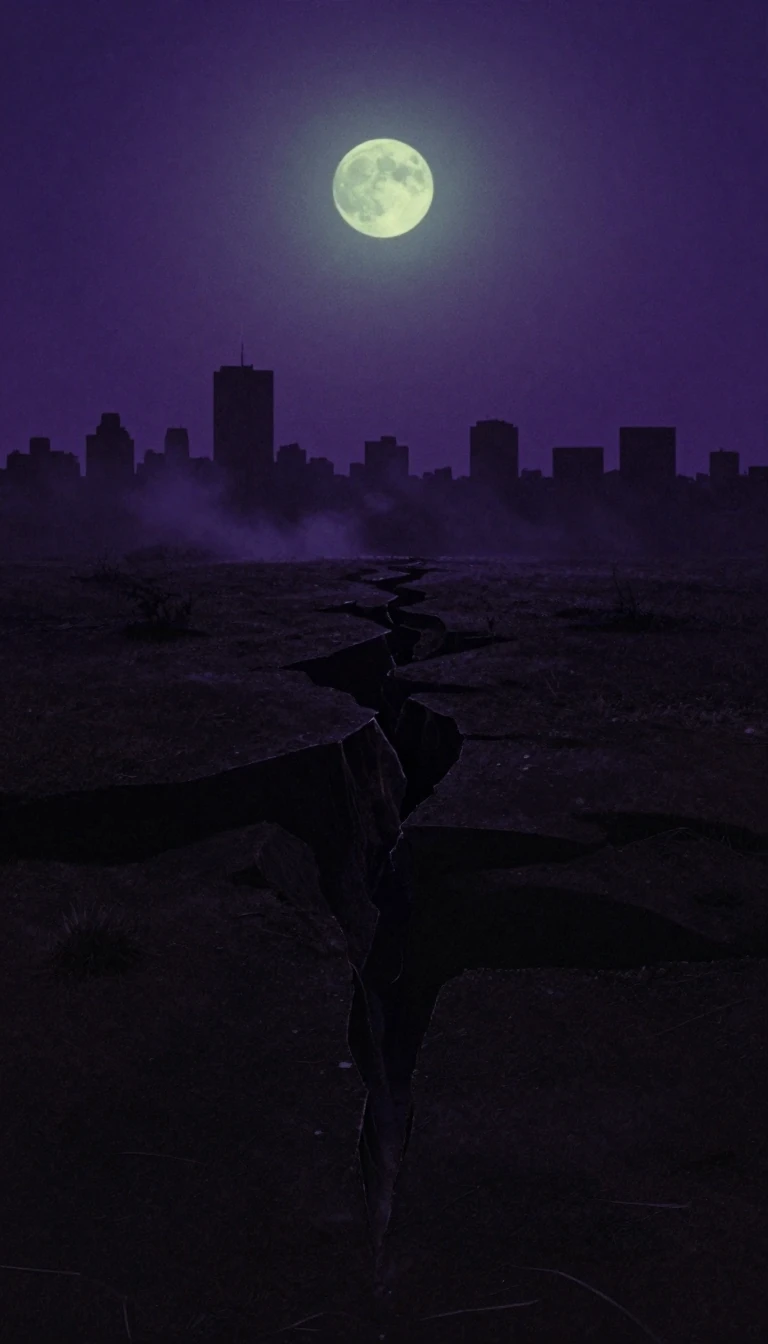 How a powerful Chinese state collapsed from within, birthing the Warring States period.Jin was once a dominant force in the middle of ancient China, wielding massive armies and vast territory. Yet, its aristocratic structure proved fatal. As power shifted from dukes…
- A humiliated student’s quest for vengeance birthed an ancient Indian dynastyWhen Mayurasharma was insulted by a guard while studying in Kanchi, he traded his Vedic texts for a sword. This act of defiance in 345 CE sparked the rise of the Kadamba dynasty, …
- The Kassites ruled Babylon for centuries, yet their origins remain a historical mystery.For over 350 years, the Kassites dominated Mesopotamia, renaming Babylon and building a sophisticated international network. Despite their power, their language remains an unclass…