 Intellect Plus
Post-classical
612 cards. Each one is a 40-second story with a five-minute read behind it. Page 4 of 11.
 The Mossi Kingdoms: A resilient West African power that resisted centuries of external conquestFlourishing for centuries around the Volta River, the Mossi Kingdoms maintained a unique political structure that survived until the late 19th century. While neighboring empires r…
 The Muisca were not a single empire but a collection of independent regional powers.Before the Spanish arrival in the Andes, the Muisca people lived in a complex network of chiefdoms. Rather than a unified state, they formed four distinct confederations—Bogotá, T…
 How Muslim Sicily Transformed a Mediterranean Island into a Global Cultural PowerhouseFrom the ninth to the eleventh centuries, Sicily flourished under Islamic rule, evolving into a sophisticated, multiconfessional hub of science and art. By introducing advanced ir…
 How a band of wandering mercenaries forged a kingdom in the Mediterranean sunBeginning as small groups of pilgrims and soldiers, Normans arrived in southern Italy around 1020. Within decades, these opportunistic fighters transformed from hired blades into …
 Is the legendary Buddhist paradise of Oddiyana a real place or a myth?Oddiyana is a foundational site in Vajrayana Buddhism, often described as a heavenly, inaccessible realm. While Tibetan traditions view it as a mystical beyul, scholars have spent…
 How the Ottoman dynasty evolved from brutal fratricide to a stable, seniority-based successionFor centuries, Ottoman succession was a lethal game of survival where princes fought to the death for the throne. Yet, this violent tradition eventually gave way to a rigid, blood…
 The Paramara Dynasty: A Medieval Indian Power Built on Fire Myths and ScholarshipRuling Malwa for over three centuries, the Paramara dynasty rose from Rashtrakuta vassalage to become a beacon of Sanskrit culture. While their legendary origins are shrouded in f…
 How a lost kingdom in Northeast Asia became a battleground for modern national identityEstablished in 698, the state of Parhae bridged the gap between the fallen Koguryŏ kingdom and the nomadic tribes of the north. Though it once commanded vast territories across Ma…
 The Piast dynasty built Poland, but their true origins remained a mystery for centuries.The House of Piast transformed a pagan community into a Christian kingdom, shaping medieval Europe. While they ruled for centuries, their exact origins were long debated by histor…
 The Gurjara-Pratihara dynasty: Architects of a lost medieval Indian empireFor centuries, the Gurjara-Pratihara dynasty dominated northern India, acting as a critical bulwark against external threats. Despite their immense power and cultural legacy, thei…
- How a medieval Russian city-state pioneered the legal foundations of a modern empireLong before Russia became a centralized autocracy, the Pskov Republic operated as a sophisticated, semi-independent city-state. With its own veche assembly, elected mayors, and a …
 Was the legendary founder of the Pushyabhuti dynasty actually a fictional creation?The Pushyabhuti dynasty, or Vardhana dynasty, dominated northern India during the 6th and 7th centuries. While court poet Bana credits a mystical figure named Pushyabhuti with the…
 How a peasant religious movement brought down the mighty Mongol Yuan dynasty in ChinaIn the mid-14th century, the Yuan dynasty faced a perfect storm of environmental collapse and social unrest. A clandestine movement known as the Red Turbans, fueled by messianic f…
 How a medieval maritime republic became the Adriatic's gateway to the OrientFor centuries, the Republic of Ancona thrived as a fiercely independent maritime power, balancing complex alliances with the Papacy, the Ottoman Empire, and the Kingdom of Hungary…
 How a Tuscan city-state once dominated the Mediterranean and outpaced VeniceBefore its eventual decline, the Republic of Pisa was a formidable maritime superpower. By securing vital trade routes through the Crusades and establishing a vast network of comm…
 How a medieval Italian city-state became a global financial powerhouse and artistic beacon.For over four centuries, the Republic of Siena stood as a formidable rival to Florence, dominating southern Tuscany through banking, mining, and trade. From its 12th-century indep…
 The Ottoman Empire began as a small, obscure frontier principality, not a grand design.The rise of the Ottomans is often shrouded in myth, portraying them as zealous holy warriors from the start. In reality, the dynasty emerged from a fragmented landscape of nomadic…
 Ruthenia: The Latin name for a medieval world that shaped modern Eastern EuropeRuthenia was once the standard Latin term for the lands of the Rus', encompassing diverse East Slavic territories from the Baltic to the Caspian. While the name eventually faded, …
 Was the Saffarid dynasty a band of heretics or the ultimate Sunni holy warriors?The Saffarid dynasty rose from a coppersmith’s workshop to conquer much of Iran and Afghanistan. While later propaganda painted them as dangerous rebels or religious deviants, rec…
 How camel-powered empires dominated the Sahel for over a thousand yearsSpanning the grasslands south of the Sahara, the Sahelian kingdoms built vast, wealthy empires by controlling trans-Saharan trade. Their success relied on a unique military and lo…
 How a dynasty of sorcerers built a megalithic empire on a remote Pacific islandFor over five centuries, the Saudeleur dynasty centralized power on Pohnpei, ruling from the stone city of Nan Madol. They were said to be foreign sorcerers who arrived by canoe, …
 How a nomadic empire rose from the ashes of a failed rebellionFounded in 682 by Ilterish Qaghan, the Second Turkic Khaganate transformed from a group of 200 rebels into a dominant power spanning the Mongolian steppes. By balancing nomadic mo…
 How a migrant dynasty from Karnataka reshaped the social and cultural landscape of BengalThe Sena dynasty rose from humble beginnings as regional chieftains to dominate the Bengal Delta for over a century. By enforcing strict caste hierarchies and championing orthodox…
- The Seuna dynasty: How a Deccan power shaped the Marathi language and cultureRising from feudatory origins to dominate the Deccan, the Seuna dynasty—often called the Yadavas of Devagiri—left a legacy that transformed the linguistic landscape of medieval In…
 The Two-Year Siege of Acre: A Strategic Victory or a Costly Strategic Trap?The siege of Acre was a pivotal struggle between Guy of Jerusalem and Saladin. Lasting from 1189 to 1191, this brutal conflict turned a vital port into a graveyard for thousands. …
 The nine-month siege of Antioch was a brutal turning point in the First CrusadeTrapped between a fortified city and an approaching relief army, Crusaders faced starvation and desertion. Their desperate gamble to capture Antioch relied on a secret deal with a…
- Did the first great Arab siege of Constantinople actually happen, or is it myth?For centuries, history books have described a multi-year Arab blockade of Constantinople between 674 and 678. Yet, modern scholars now debate whether this event was a genuine mili…
 When Charlemagne conquered the Lombards, he did something no other Germanic king daredIn 774, after a grueling ten-month siege of Pavia, Charlemagne achieved a rare feat in the Early Middle Ages. Instead of merely replacing the Lombard leadership, he adopted their …
 How Buddhist monks and merchant caravans transformed the spiritual landscape of ancient ChinaBuddhism did not arrive in China as a singular event, but through centuries of movement along the Silk Road. Central Asian missionaries and Chinese pilgrims bridged vast distances…
 How a small, overlooked kingdom unified the Korean peninsula for nearly a millenniumSilla began as a minor chiefdom with the smallest population among the Three Kingdoms of Korea. Yet, through strategic alliances with Tang China and internal consolidation, it eve…
 How a series of climate and health crises reshaped the Balkan peninsula foreverBetween the 6th and 7th centuries, the Balkans underwent a radical demographic transformation. Driven by the Plague of Justinian, a cooling climate, and constant warfare, Slavic t…
 The Ethiopian dynasty that claimed a biblical bloodline to secure its imperial throneFor seven centuries, Ethiopia’s rulers asserted they were direct descendants of King Solomon and the Queen of Sheba. This powerful narrative, codified in the 14th-century Kebra Na…
 How Venice built a maritime empire that spanned nearly eight centuries of Mediterranean history.The Stato da Màr was the Republic of Venice's vast network of overseas territories. Stretching from the Adriatic to the Aegean, these islands and coastal fortresses functioned as …
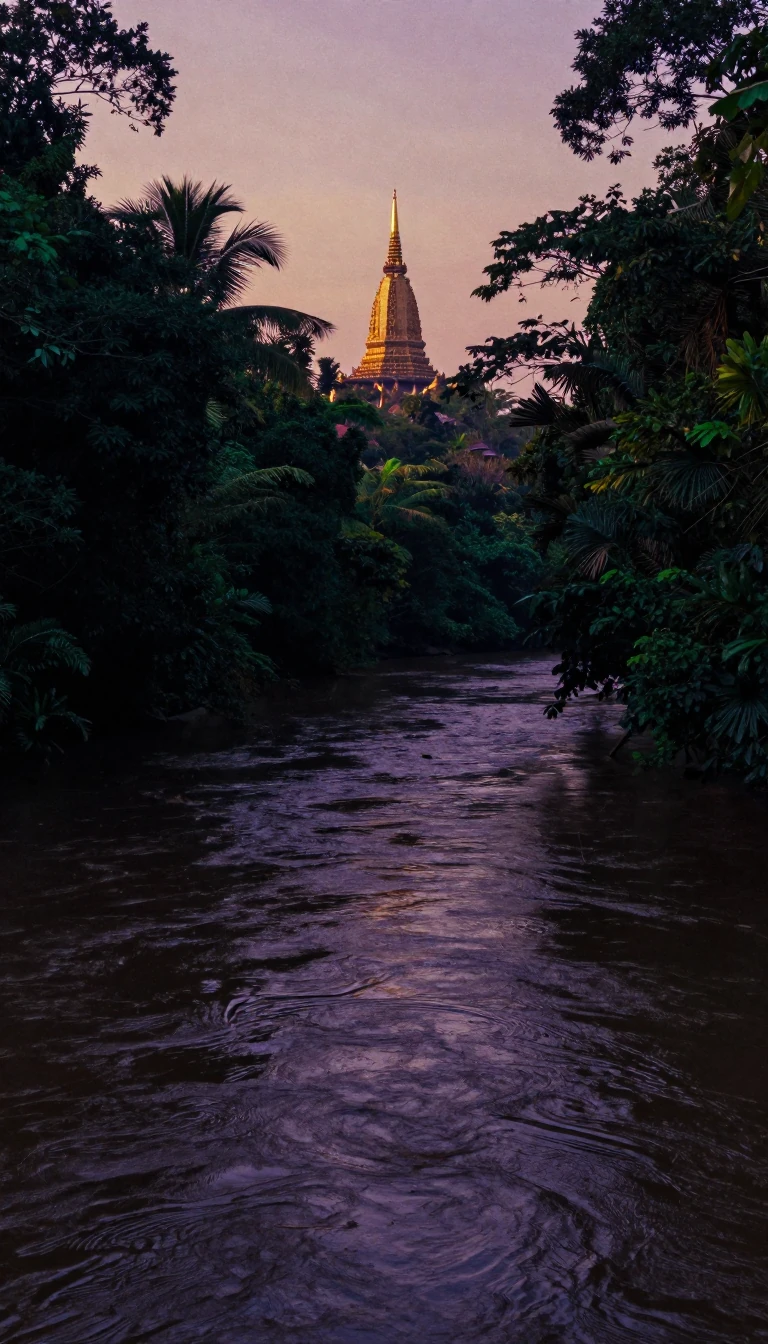 Was the Sukhothai Kingdom truly the first Thai state, or a complex regional network?Long celebrated as the dawn of the Thai nation, the Sukhothai Kingdom is now viewed by historians as a sophisticated, contested mandala of city-states. Far from a simple monolith,…
 How a powerful Southeast Asian empire built on water eventually became a British protectorateThe Sultanate of Brunei once dominated the coastal regions of Borneo and the Philippines, acting as a vital maritime hub. From its origins as a water-based capital to its eventual…
 The medieval Somali superpower that minted its own currency and traded with Ming ChinaLong before modern global trade, the Sultanate of Mogadishu dominated the Indian Ocean. This wealthy metropolis was a hub for gold, ivory, and exotic wildlife, connecting the Horn…
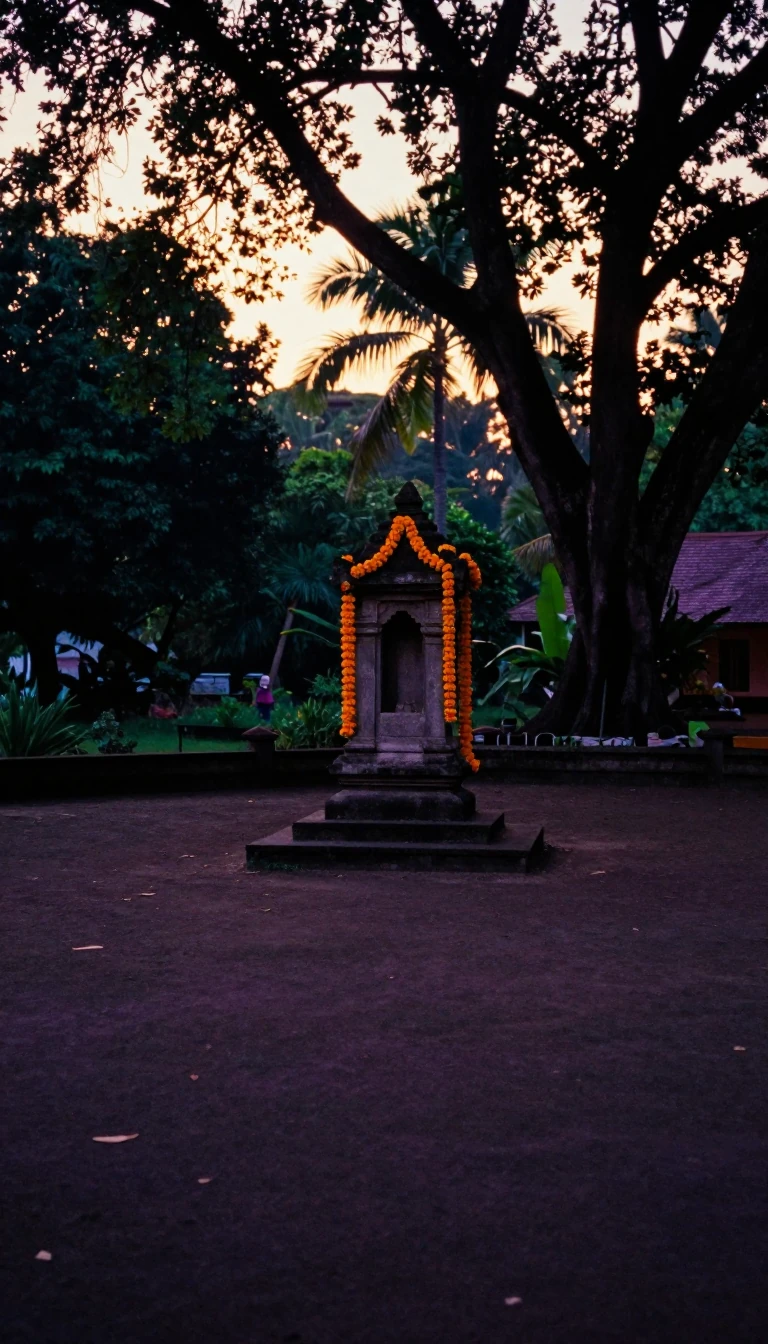 The Sunda Kingdom: A Thousand-Year Hindu Powerhouse in Western JavaFor nearly a millennium, the Sunda Kingdom dominated the western reaches of Java, leaving behind a legacy of sacred stone inscriptions and a tragic royal history. From its early d…
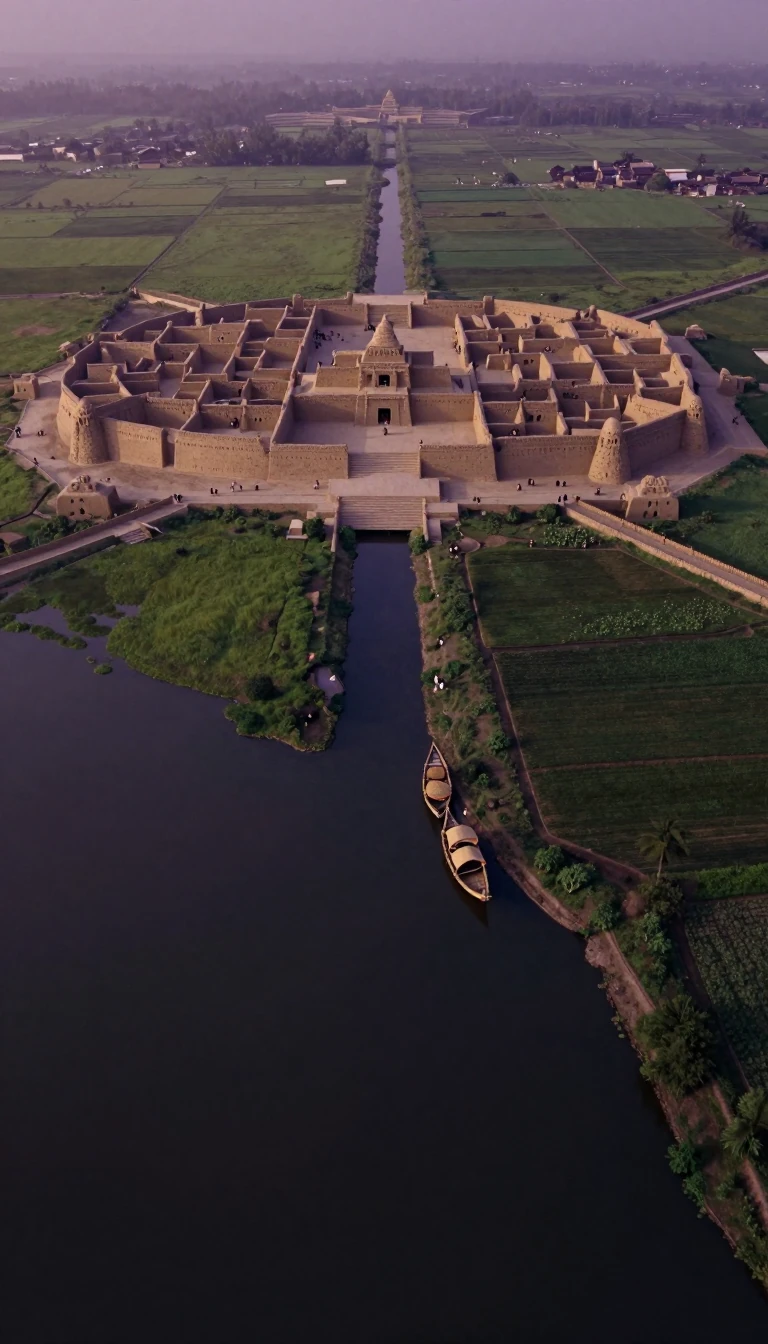 How independent East African city-states became the vital bridge between two massive continentsBetween the 8th and 16th centuries, the Swahili coast flourished as a collection of autonomous, wealthy urban hubs. By acting as essential intermediaries in Indian Ocean trade, th…
 When the Caliphate of Córdoba collapsed, it birthed a fractured landscape of rival kingdoms.After the Umayyad Caliphate fell in 1031, al-Andalus splintered into roughly 33 independent principalities known as taifas. These small, warring emirates often paid tribute to Chr…
- How a bloody coup in 645 AD transformed Japan into a centralized imperial stateBefore the Taika Reforms, Japan was a fractured patchwork of clans dominated by the ruthless Soga family. After a dramatic palace coup, new leaders looked to Tang China to build a…
- Tambralinga: The Forgotten Kingdom That Once Challenged Empires Across Southeast AsiaLong before it was known as Nakhon Si Thammarat, the mysterious kingdom of Tambralinga dominated the Malay Peninsula. From its rise as a powerful maritime state to its bold invasi…
 Was Timur the most successful military commander in history, or just a brutal conqueror?Timur, the 14th-century Central Asian warlord, remained undefeated in battle, carving out a vast empire across the Middle East and Asia. Yet, he never claimed the title of Emperor…
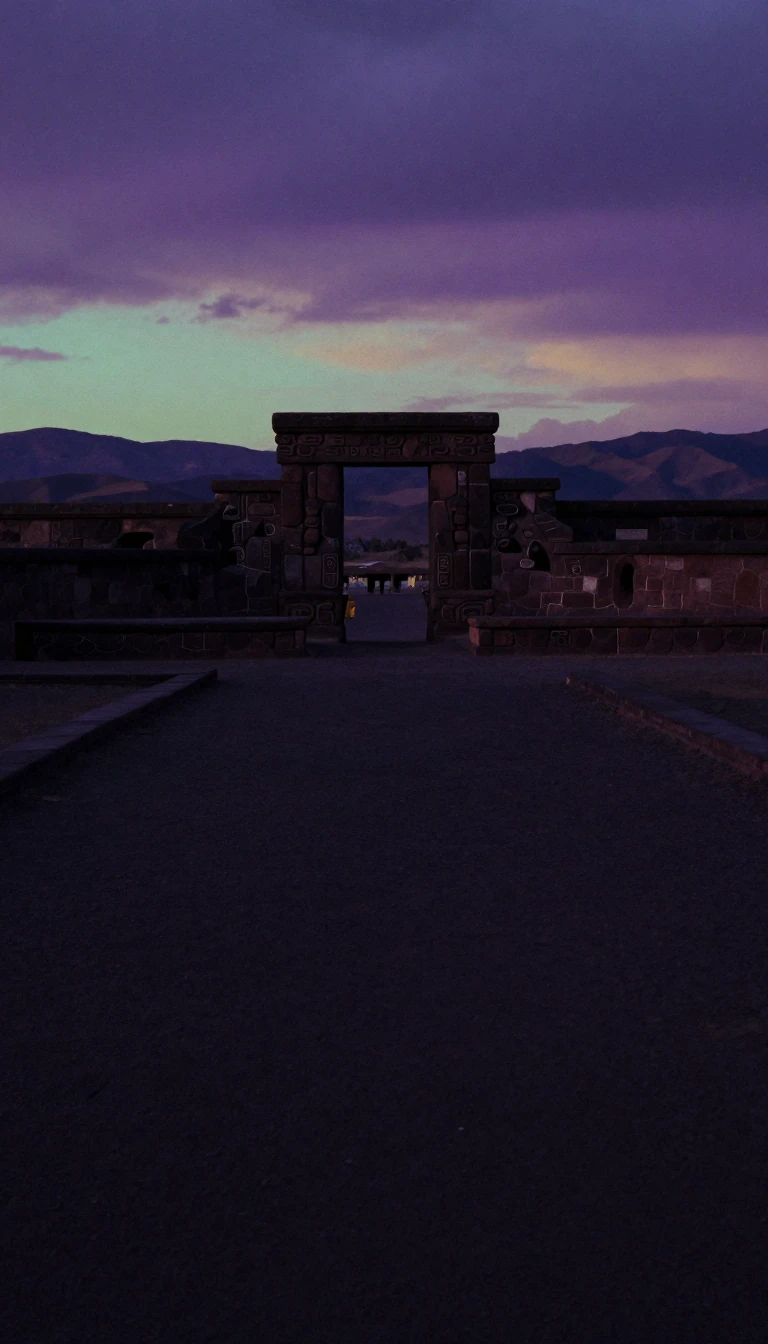 Was the ancient Andean capital of Tiwanaku a sprawling empire or a ritual network?Perched 3,800 meters high in the Andes, Tiwanaku was once viewed as a militaristic empire. Modern research suggests a more nuanced reality: a multi-cultural hub of religious festi…
 The Toltec Empire: Legendary Rulers and the Myth of the Feathered SerpentThe Toltec Empire remains one of Mesoamerica's most enigmatic powers. While later civilizations claimed Toltec lineage to legitimize their own rule, historians now suggest that ma…
 Why three great Indian dynasties fought for decades over a single city throneBetween 785 and 816, the Gurjara-Pratiharas, the Palas, and the Rashtrakutas engaged in a brutal power struggle. The prize was Kannauj, a city whose control signified imperial dom…
 How a Pacific maritime power built an empire through double-hulled canoes and tributeBeginning around 950 CE, the Tuʻi Tonga Empire projected hegemony across Oceania, fueled by a formidable navy and a sophisticated system of annual tribute. While some scholars deb…
 How a Turkic Mamluk dynasty carved an autonomous empire from the Abbasid CaliphateIn the late 9th century, the Abbasid Caliphate’s vastness and internal power struggles created a vacuum of authority. Ahmad ibn Tulun, a Turkic officer, seized this opportunity to…
 How a unique blend of Persian letters and Turkic power shaped Islamic historyFor nearly a thousand years, a sophisticated cultural synthesis defined the vast expanse from the Mediterranean to India. Known as the Turco-Persian tradition, this blend of Irani…
 How a Central Asian Dynasty Named Their King After the Roman CaesarFor over two centuries, the Turk Shahis held the Hindu Kush against the expanding Abbasid Caliphate. Their rulers were so formidable that one, Fromo Kesaro, likely inspired the ep…
 The Turkic expansion was not a single wave but a complex, centuries-long cultural diffusionFor centuries, the spread of Turkic peoples across Eurasia was viewed as a uniform migration. Modern research reveals a more nuanced reality: the Turkification of the continent wa…
 Was the Unified Silla period truly a unified state or a historical debate?After conquering its neighbors in the seventh century, Silla claimed to have united the Korean peninsula. Yet, this era remains a point of contention among modern historians. Whil…
 How a medieval Indian empire built a global trade network from the Deccan PlateauBetween the 10th and 12th centuries, the Western Chalukya Empire dominated South India, balancing fierce regional wars with a sophisticated, decentralized administration. While th…
- The Western Ganga dynasty: A resilient power that shaped ancient Karnataka for seven centuriesRuling from 350 to 1004 CE, the Western Gangas navigated the volatile politics of ancient India. From their early days as independent chieftains to their roles as strategic allies…
 Before Tibet was Tibet, the mysterious kingdom of Zhangzhung ruled the high plateau.Long before Tibetan Buddhism defined the region, the independent kingdom of Zhangzhung dominated western Tibet. Centered around the sacred Mount Kailash, this enigmatic civilizati…
 These fierce medieval frontiersmen terrorized heavy cavalry by turning their own mounts against them.Originating as shepherd-warriors on the Iberian frontier, the Almogavars evolved into elite light infantry. Renowned for their extreme frugality and ferocity, these soldiers rejec…
- Why the Roman Catholic Church has struggled to define its own list of popes.An antipope is not merely a pretender, but a figure who successfully challenged a sitting pope, creating deep historical ambiguity. Because records are often biased or incomplete,…
 Austrasia: The forgotten eastern heartland that forged the medieval Frankish power structureBefore modern borders, the Frankish realm was a shifting mosaic of sub-kingdoms. Austrasia, the northeastern territory centered on the Rhine, served as the launchpad for the Carol…
 The Chinese nobility was not just about titles, but a shifting dance of power.For centuries, Chinese aristocracy was defined by pedigree and bureaucratic office rather than formal noble ranks. While imperial titles existed, the true power often lay with eli…
 The Christianization of Scandinavia was a slow, political, and often violent, grassroots transformation.Contrary to the myth of forced conversion by foreign powers, Scandinavian kings adopted Christianity as a strategic political tool. Yet, for the common people, the transition was …
 How a tenth-century monastic movement reshaped the power of the medieval ChurchIn the early Middle Ages, monasteries were often treated as private family estates by local lords, leading to widespread corruption and decay. The Cluniac Reform movement emerged …