 Intellect Plus
Geomorphology
67 cards. Each one is a 40-second story with a five-minute read behind it. Page 2 of 2.
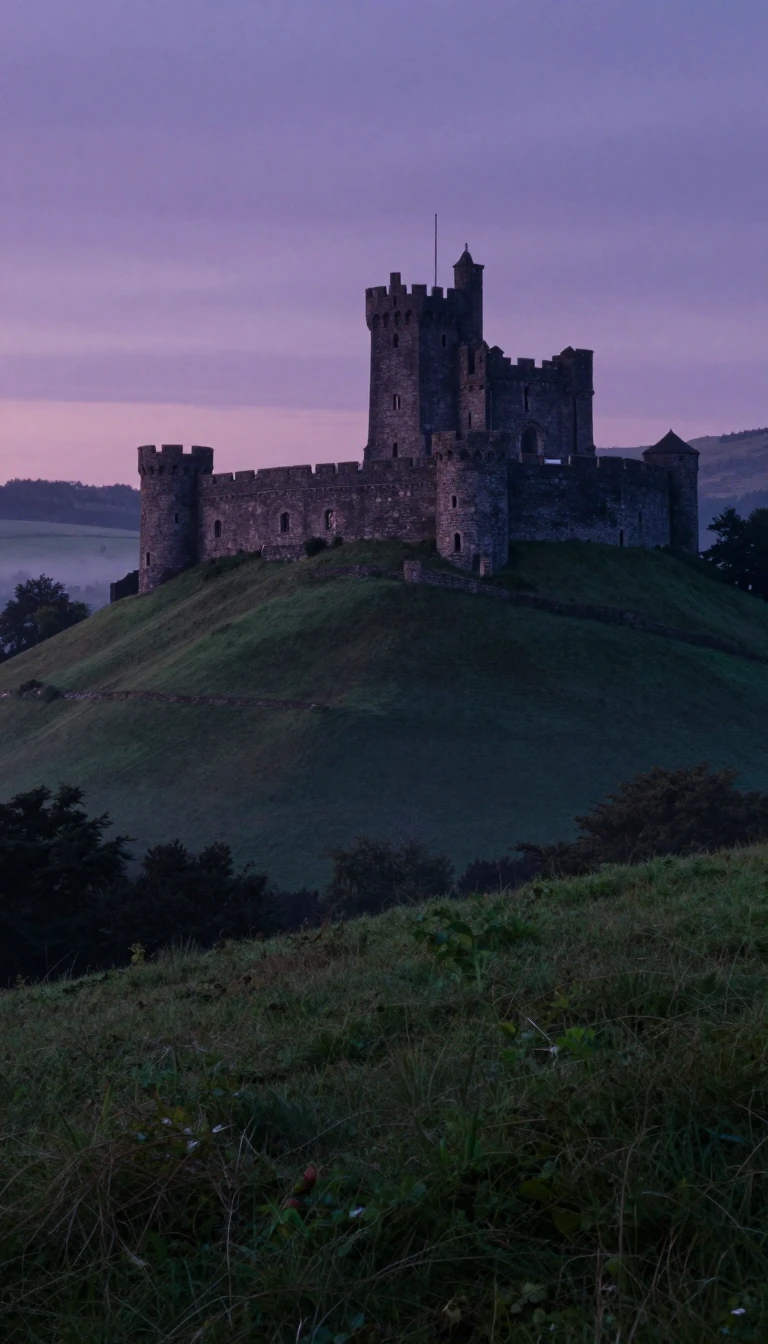 Why these jagged granite towers are younger than the hills they stand uponTors are striking, free-standing rock outcrops that rise abruptly from rounded hilltops. While they appear ancient and permanent, these geological features are surprisingly youthf…
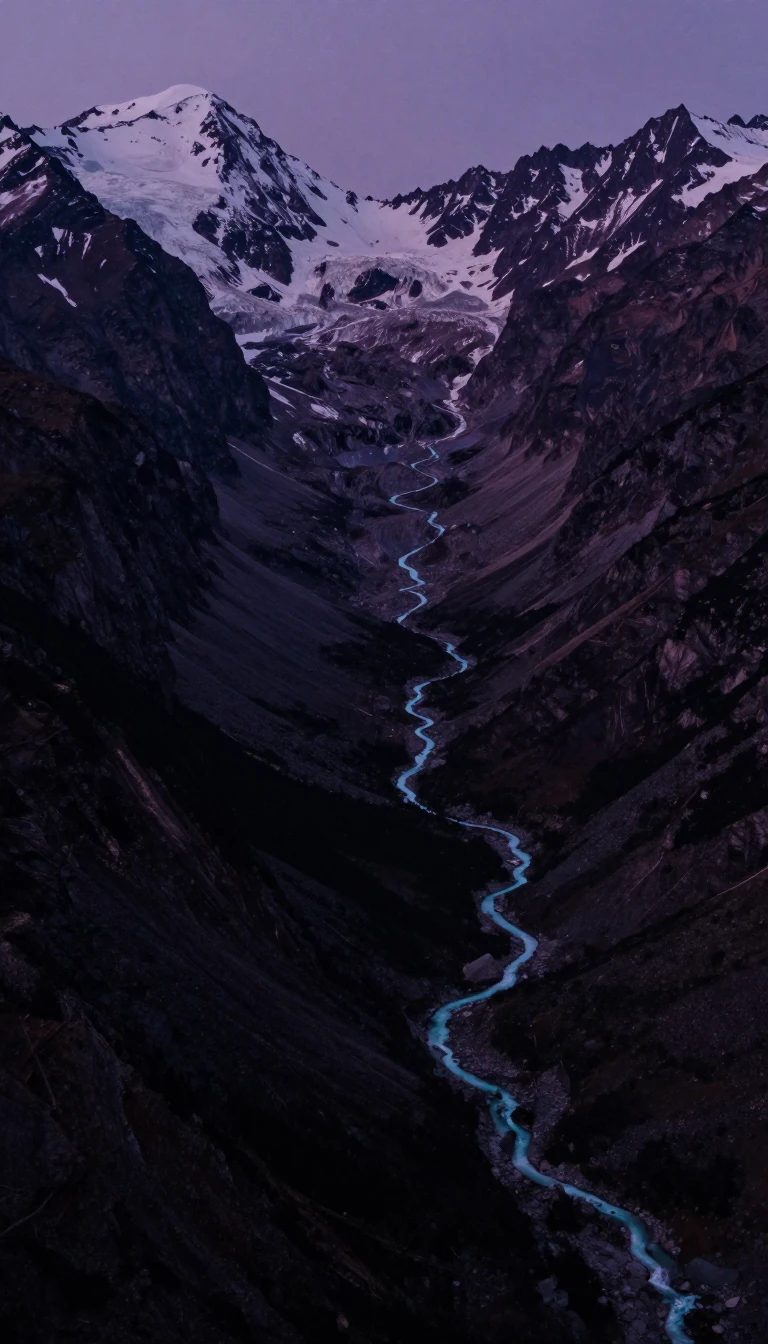 Why do mountains melt like mist and carve out massive U-shaped valleys?Glaciers are not merely frozen water; they are powerful geological architects. Over tens of thousands of years, these massive ice sheets scour mountain slopes, transforming narrow…
 Why the term desert island has nothing to do with sandy, arid landscapesThe desert island is a powerful cultural archetype, yet its name is a linguistic relic. The word desert here does not describe a dry climate, but rather an archaic sense of desola…
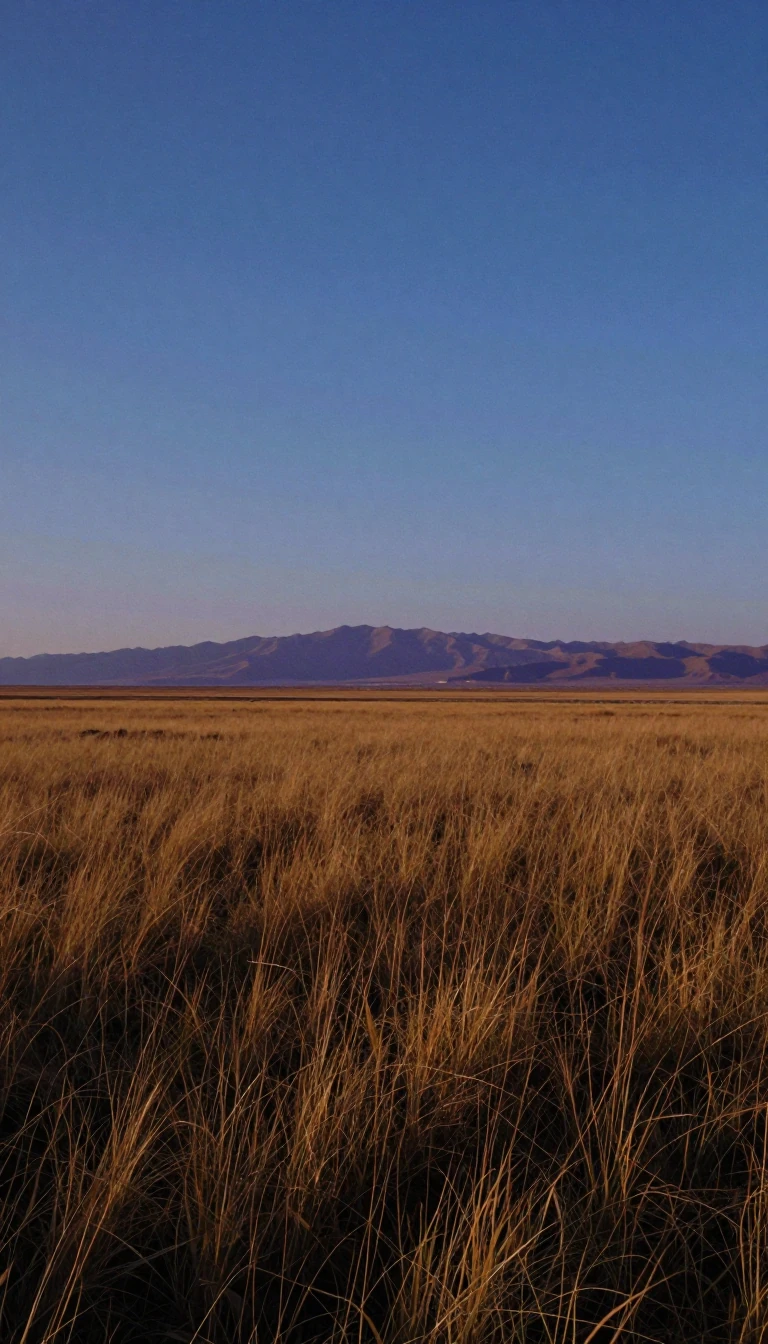 Why elevation is not the only factor defining upland and lowland river habitatsWhile we often categorize landscapes by height above sea level, the true distinction between upland and lowland lies in the physics of the water itself. It is not just about altit…
 Why volcanic cones are nature's most enduring and varied architectural marvelsVolcanic cones are far more than simple piles of debris. From the taffy-like spatter of Hawaiian fountains to the explosive, water-driven ash of tuff cones, these structures take …
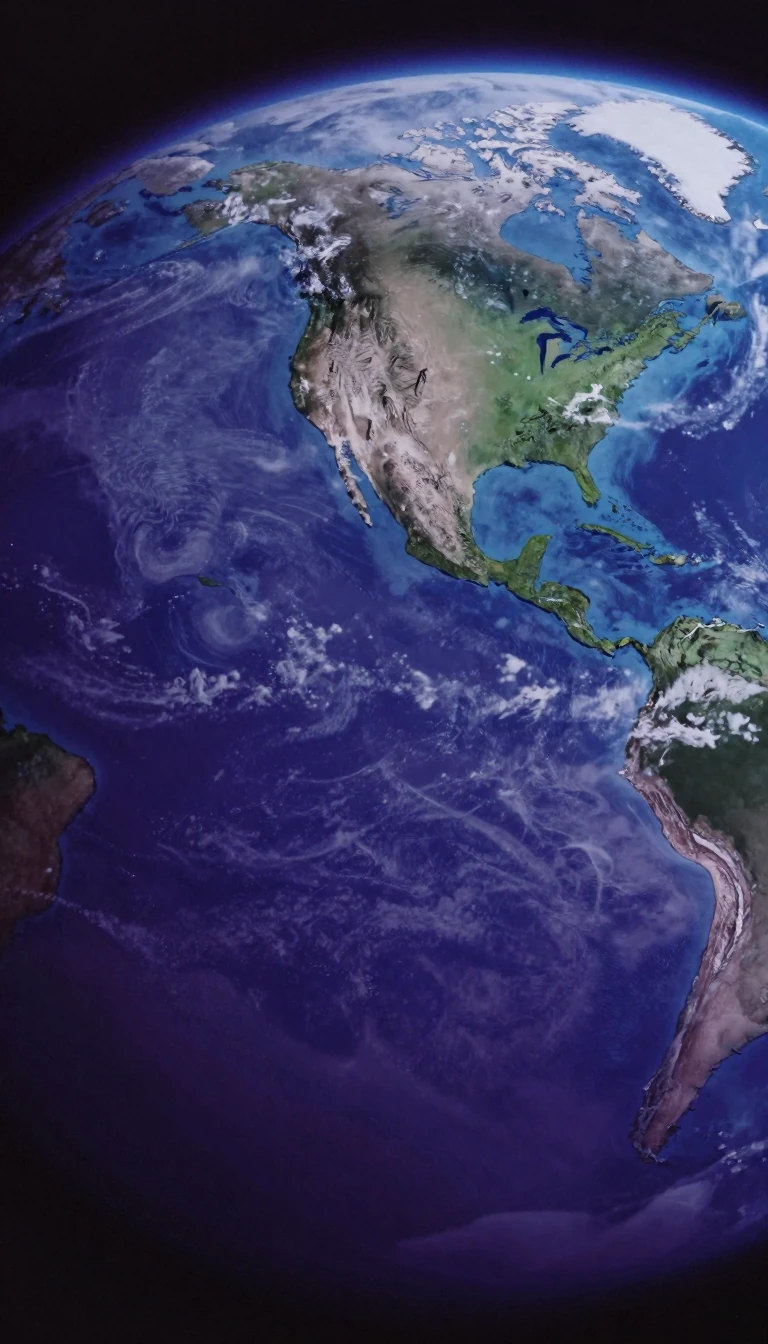 Why volcanic islands are the ultimate geological paradox of the deep oceanRising from the abyss, volcanic islands are more than just peaks in the sea. These high islands, born from hotspots or subduction zones, offer the fresh water and rugged terrain n…
- A wadi is a desert riverbed that remains dry until a sudden flash floodMost wadis are ephemeral, lying dormant across desert landscapes until heavy, infrequent rainfall transforms them into rushing torrents. These river valleys are essential lifeline…