Why elevation is not the only factor defining upland and lowland river habitats
In short: While we often categorize landscapes by height above sea level, the true distinction between upland and lowland lies in the physics of the water itself. It is not just about altitude; it is about stream power, gradient, and the unique biological communities that thrive in either fast or slow-moving currents.
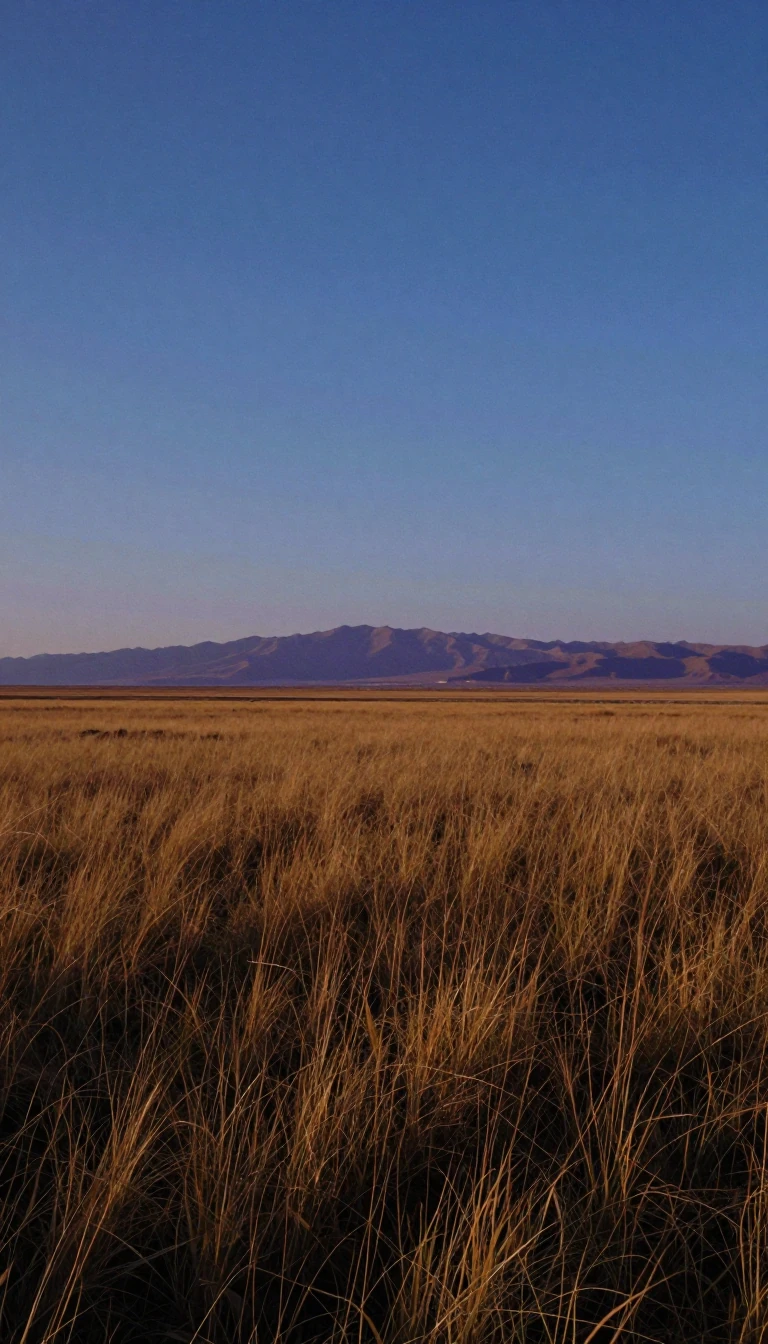
At a basic level, elevation provides a rough guide for geomorphology. Lowlands are typically defined as areas no higher than 200 meters, or 660 feet, while uplands generally range from 200 to 500 meters, or 1,600 feet. However, these categories are conditional. Some regions, like the Caspian Depression, sit below sea level, and vast areas like the Mongolian Plateau defy simple vertical classification. In geology, the distinction often shifts to the relationship between landforms, where uplands sit above alluvial plains or stream terraces, which are categorized as lowlands.
In freshwater ecology, the classification becomes far more functional. The most critical determinants are stream gradient and stream power—the force of the water. Upland rivers, which drain mountainous country, drop rapidly in elevation. This creates fast-flowing, cool, clear water that carves out bedrock-dominated beds with riffle and pool structures. Conversely, lowland rivers meander across flat plains with a slow, gentle drop. These waters are typically warmer, more turbid, and carry higher loads of fine sediment and organic matter, occasionally forming broad floodplains like the American Bottom along the Mississippi River.
These physical differences dictate the survival strategies of the species within them. Upland environments demand fish and invertebrates with high oxygen requirements, limited temperature tolerances, and specialized reproductive strategies to avoid being swept away by the current. In contrast, lowland inhabitants are adapted to warmer, slower, and more oxygen-poor environments, often utilizing submerged woody debris or water weeds. Because these two habitats support such distinct biological communities, ecologists view the upland-lowland divide as a fundamental framework for understanding global freshwater biodiversity.
Opens the Intellect+ feed with this card first. Swipe up for the next one.
Sources
- Summary by Intellect · source: Upland and lowland
To cite this card, link to https://intellectplus.co.uk/app/nature-upland-and-lowland.
How we source, check and correct cards: Editorial standards.
General information, not professional advice. Spotted an error? Flag the card or see corrections and complaints.
Intellect Plus is a visual educational discovery platform for exploring fascinating facts and ideas. Brain Food, Not Brain Rot. What is Intellect Plus?
Related
More in Geomorphology · More in Nature · Latest · A–Z · All topics
