 Intellect Plus
Geomorphology
67 cards. Each one is a 40-second story with a five-minute read behind it.
 The world's greatest maritime salvage operation began in a Scottish bayHidden beneath the waters of Scapa Flow lies one of history's most dramatic naval scenes. After the German High Seas Fleet was scuttled in 1919, a massive engineering feat followe…
 Why Florida's coast is the ultimate gateway to the starsThe geography of Cape Canaveral isn't just a convenient backyard for rockets; it is a strategic masterpiece of physics. By positioning launch sites near the equator and facing the…
 The slow, relentless friction that carves our planet's most dramatic landscapesAbrasion is the natural sandpaper of the Earth. Whether driven by glaciers, rivers, waves, or wind, this process of physical weathering grinds down bedrock through the constant fr…
 Why these barren, eroded landscapes are far more than just bad landKnown for their steep slopes and lack of vegetation, badlands are dramatic geological formations carved by relentless water erosion. While often seen as inhospitable, these landsc…
 Rivers are architects of their own paths, building islands and bars from shifting sediment.River bars are more than just piles of sand; they are dynamic landforms that reveal the hidden physics of water flow. From the crescent-shaped deposits in meandering bends to the …
 Why building on bay mud is a high-stakes engineering gamble against sinking groundBay mud is a soft, water-saturated layer of silty clay found in estuaries worldwide. While it creates vital ecological zones like mudflats, its low shear strength and high compres…
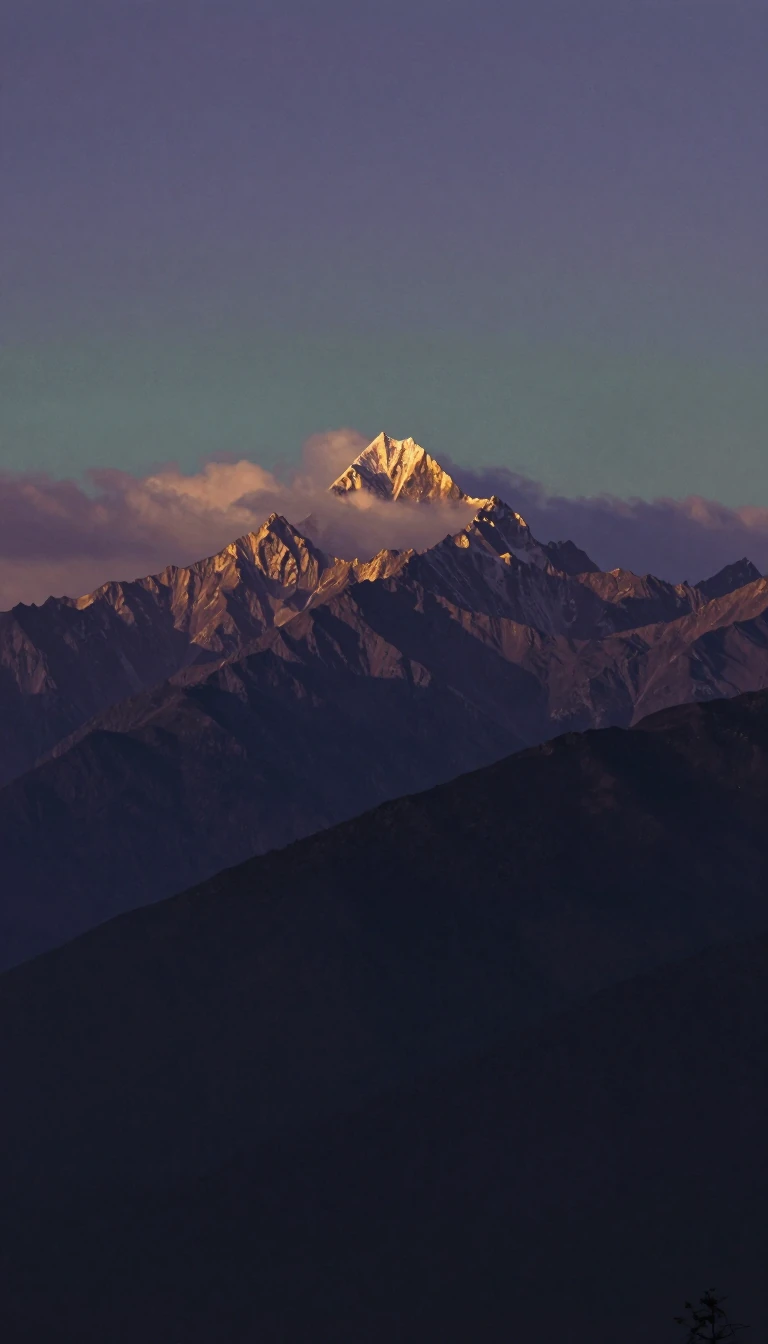 Why these isolated desert towers are defined by their height rather than their widthA butte is more than just a lonely hill. These steep-sided landmarks are defined by a simple geometric rule: if the top is narrower than the height, it is a butte. If the top is w…
 Why these jagged coastal landmarks have guided sailors and shaped history for millenniaA cape is more than just a point of land jutting into the sea. These geological formations, carved by glaciers, volcanoes, and tectonic shifts, serve as vital navigational markers…
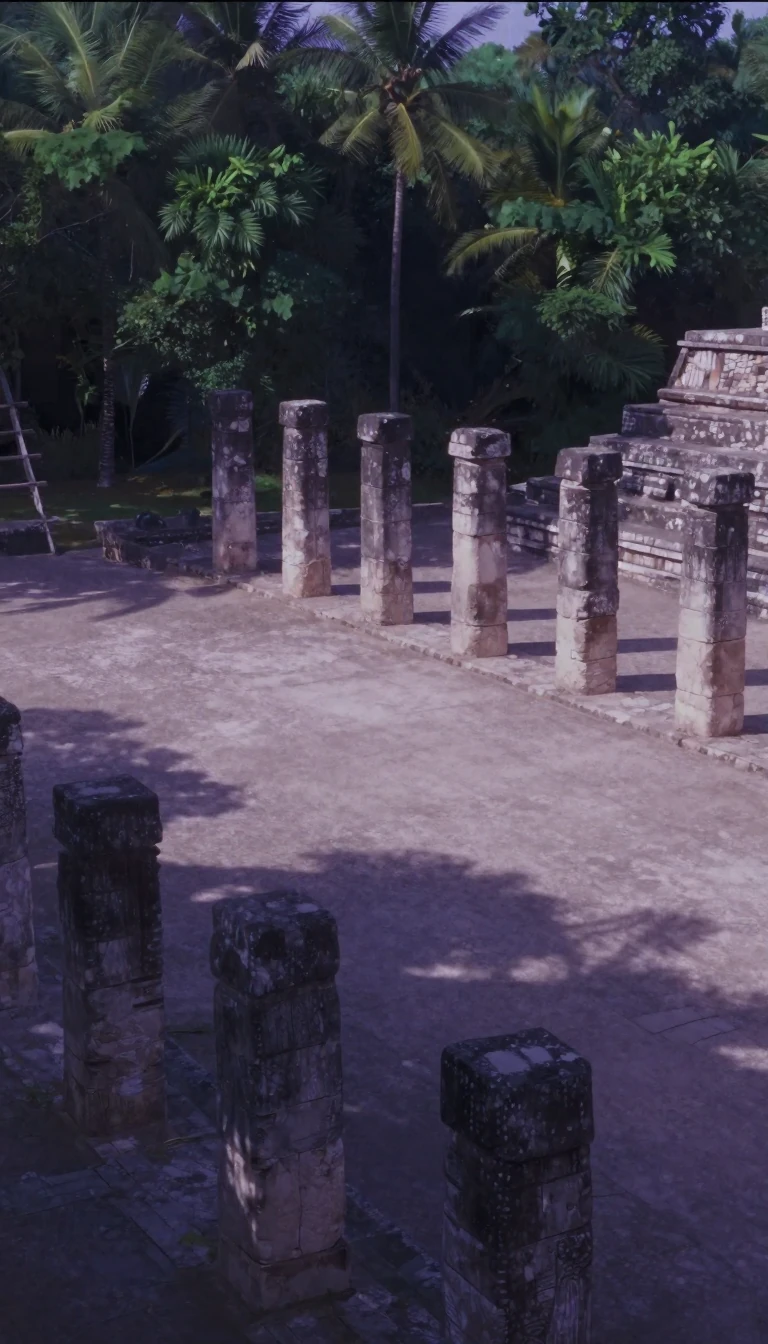 Cenotes are more than just swimming holes; they are portals to ancient history and ecosystems.These natural limestone sinkholes, found in abundance across Mexico's Yucatán Peninsula, serve as vital freshwater sources and gateways to vast, hidden underwater cave systems. Be…
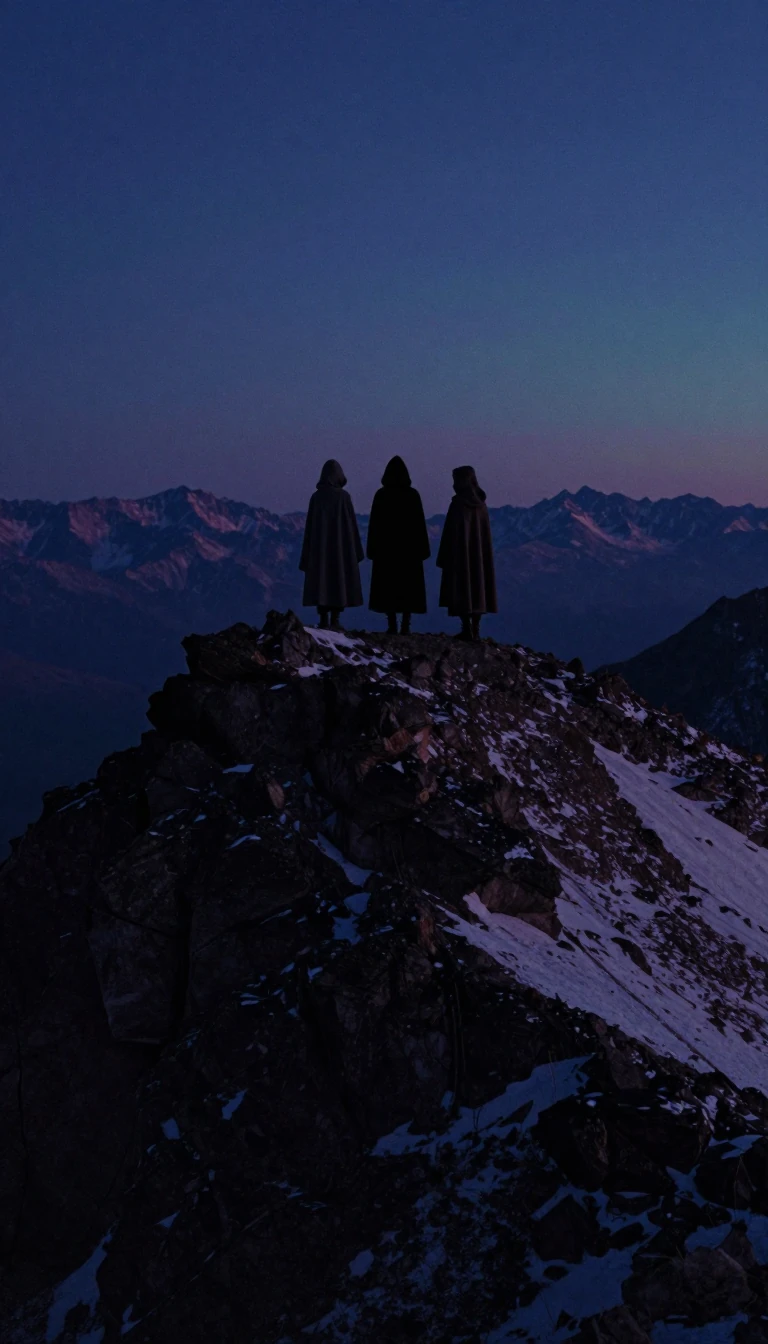 These massive mountain amphitheaters are carved by ice, but sometimes by water insteadA cirque is a dramatic, bowl-shaped valley carved into a mountainside. While most are sculpted by the slow, grinding power of ancient glaciers, some are formed by rivers cutting t…
- Why some coastlines are vanishing while others remain frozen in timeCoastal cliffs are not static monuments but dynamic battlegrounds where the ocean relentlessly carves into the land. Through a process called abrasion, waves undercut cliffs until…
 The coastline is a dynamic battlefield where waves and wind constantly reshape the landCoastal landforms are not static features but the result of a relentless tug-of-war between erosional and depositional forces. Driven by waves, tides, and currents, the shoreline …
 Why building walls against the ocean often destroys the very beaches we try savingFor centuries, we have fought the sea with concrete, but our rigid defenses often trigger a phenomenon called coastal squeeze. By blocking natural migration, these structures trap…
- Coastal plains are the flat, low-lying borders where land meets the seaThese expansive, level landscapes are not merely static edges of continents. They emerge through dramatic geological shifts, either by the receding of ancient ocean levels or the …
- Coral islands are not just sandbars; they are the ghosts of ancient volcanoes.A coral island is more than a tropical beach. It is a geological transformation, born from volcanic peaks that sink beneath the waves. As the land subsides, coral reefs grow upwar…
 Why the outer curve of a river is a landscape in constant, violent motionA cut bank is the outside edge of a river's meander, where the water flows fastest and deepest. This relentless energy carves away the earth, creating steep, unstable cliffs that …
 Why the Earth’s surface is constantly sinking into diverse, dramatic, and deep depressionsA geological depression is any landform sunken below its surroundings, but the forces creating these voids are wildly varied. From the slow, heavy weight of ice sheets and sedimen…
 Beyond Earth: Why planetary crusts crack into massive, towering cliffs across the solar systemAn escarpment is more than just a steep cliff; it is a profound geological boundary separating two distinct elevations. While often carved by erosion on Earth, these dramatic ridg…
 These winding ridges of sand are actually the ghosts of ancient glacial riversEskers are long, sinuous ridges of gravel and sand that snake across landscapes once covered by ice. Often resembling man-made railway embankments, these formations are the final,…
- How massive tectonic shifts sculpt the Earth into dramatic mountains and deep valleysBeneath our feet, the Earth's crust is not a solid shell but a mosaic of massive rock blocks. When tectonic forces pull these blocks apart or force them upward, they create the wo…
 Why flat coasts are never truly still, but constantly shifting landscapesA flat coast is not a static edge where land meets sea, but a dynamic, evolving system. Driven by waves, tides, and wind, these shorelines are in perpetual motion. From underwater…
- Why do massive mountain ranges crumple like a tablecloth pushed across a wooden table?Mountains are not always jagged, static monoliths. They are the result of tectonic plates colliding, forcing layers of crust to buckle and fold. This process, driven by the same b…
 These volcanic vents are Earth's natural chimneys, sometimes signaling an eruption months in advance.Fumaroles are openings in the Earth's crust that exhale steam and volcanic gases without liquid or solid debris. While they often appear during the final stages of volcanic activi…
- Beneath the Pacific waves lie massive, flat-topped volcanic mountains known as guyots.Far below the ocean surface, isolated volcanic peaks with strangely flat summits rise from the deep-sea floor. These submerged giants, called guyots, were once islands that breach…
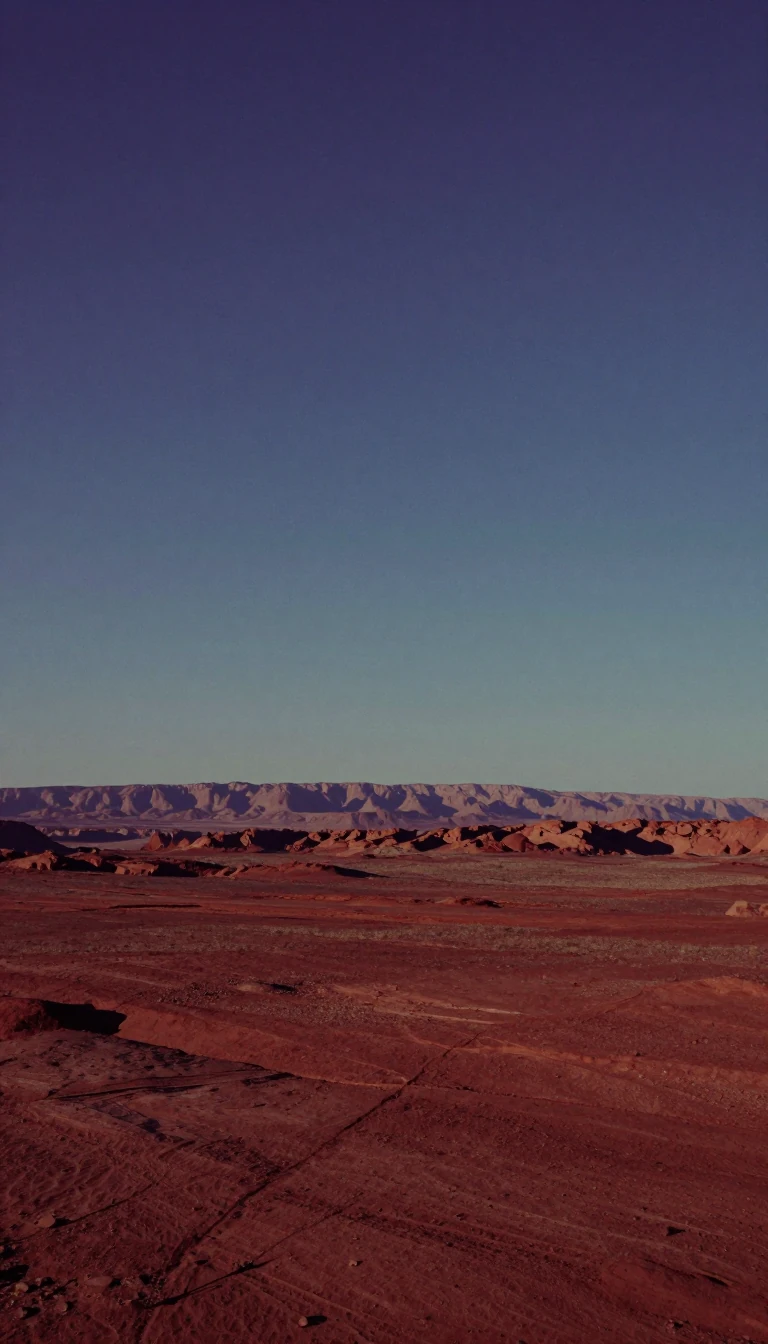 Why the world's most dramatic coastlines are locked in a constant state of fluxHeadlands are more than just jagged points of land jutting into the sea. They are the resistant survivors of a relentless geological battle. While softer rock is carved away to cr…
 Why the Scottish Highlands are actually a masterclass in ancient, slow-motion geological erosionThe Scottish Highlands are not just rugged peaks; they are a complex, glacier-scoured landscape shaped by millions of years of structural shifts. From the rift valley of the Midla…
 From volcanic landslides to frozen tundra, what exactly is a hummock?A hummock is a small, rounded mound or knoll, but its origins are surprisingly diverse. Whether formed by the violent collapse of a mountainside, the slow heave of arctic permafro…
 What makes an island an islet, and why does the distinction matter for nations?An islet is more than just a small island. While definitions are notoriously imprecise, these tiny landforms—often barren, rocky, or temporary—carry immense weight in internationa…
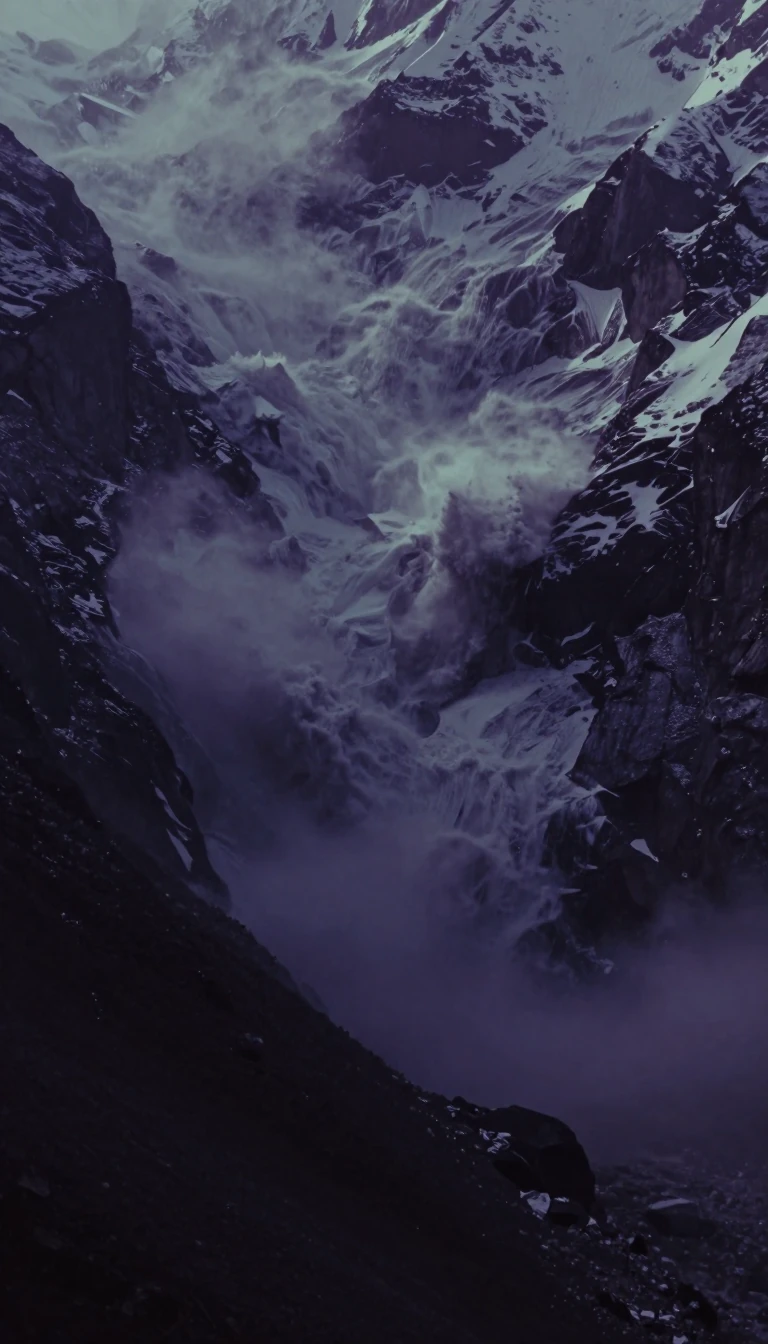 How massive ice sheets force the Earth's crust to sink into the mantleWhen gargantuan ice sheets blanket the Earth, their immense weight does more than just cover the surface; it physically pushes the crust downward into the asthenosphere. This phen…
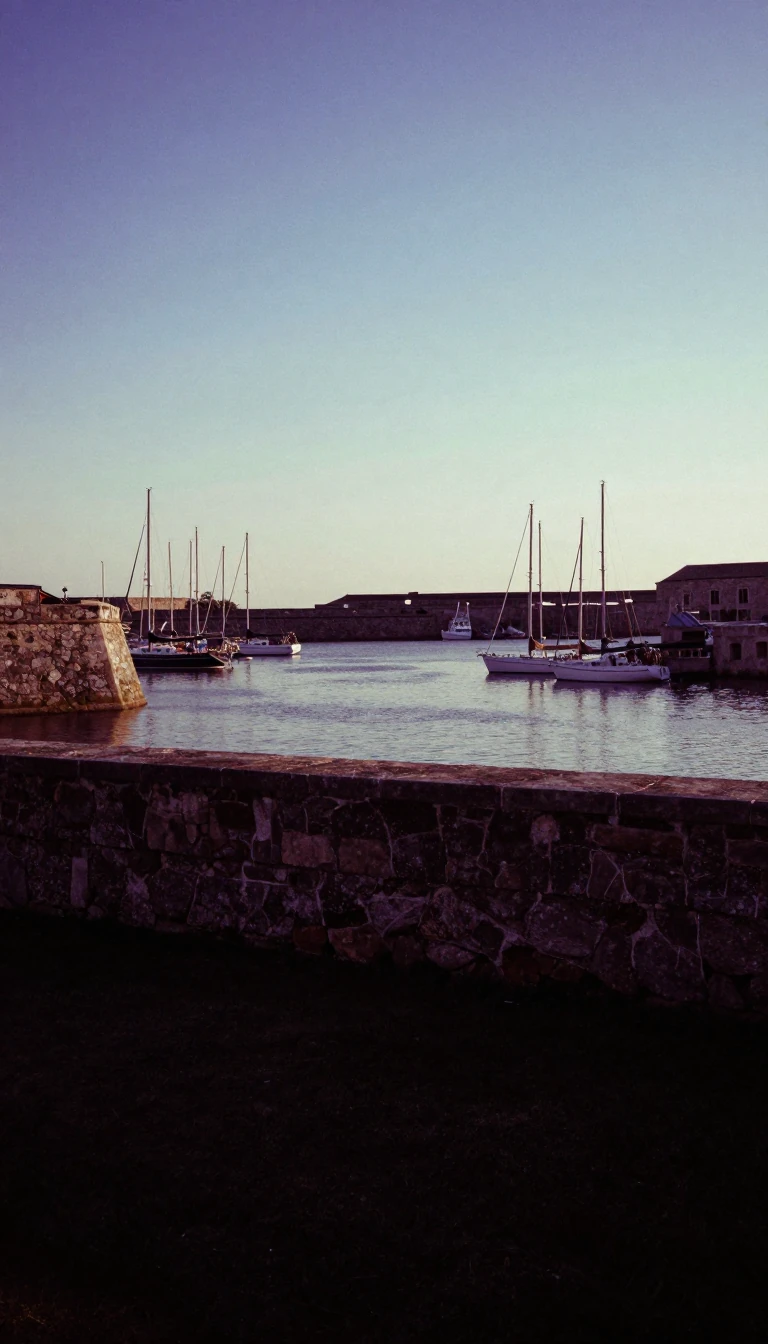 The narrow neck of land that shapes global trade and biological migrationAn isthmus is a slender bridge of earth separating two vast bodies of water while linking two larger landmasses. These geographic bottlenecks have served as critical corridors for…
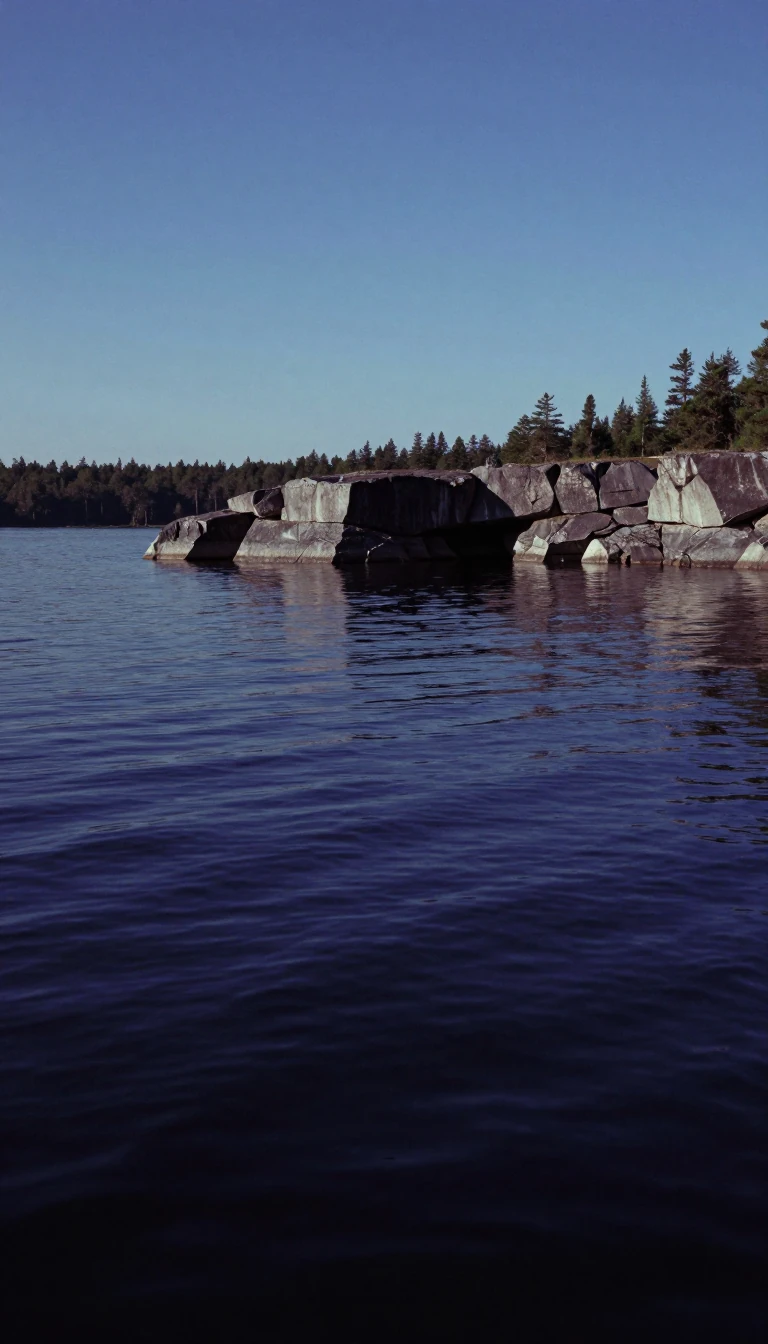 Massive volcanic events known as large igneous provinces have repeatedly reshaped Earth's environment.Large igneous provinces are not typical volcanoes. These colossal magmatic events involve the rapid emplacement of immense volumes of rock, often linked to major climate shifts an…
- Lava fields are not just barren rock but complex records of volcanic fluid dynamicsLava fields are vast, flat expanses of solidified basalt that stretch for hundreds of kilometers. Beyond their dark, imposing appearance, these landscapes act as geological archiv…
- Lava tubes are natural volcanic conduits that can stretch for dozens of kilometers underground.Beneath the surface of volcanic landscapes lie vast, hollow tunnels formed by rivers of molten rock. These geological structures, created when lava crusts over and drains away, ac…
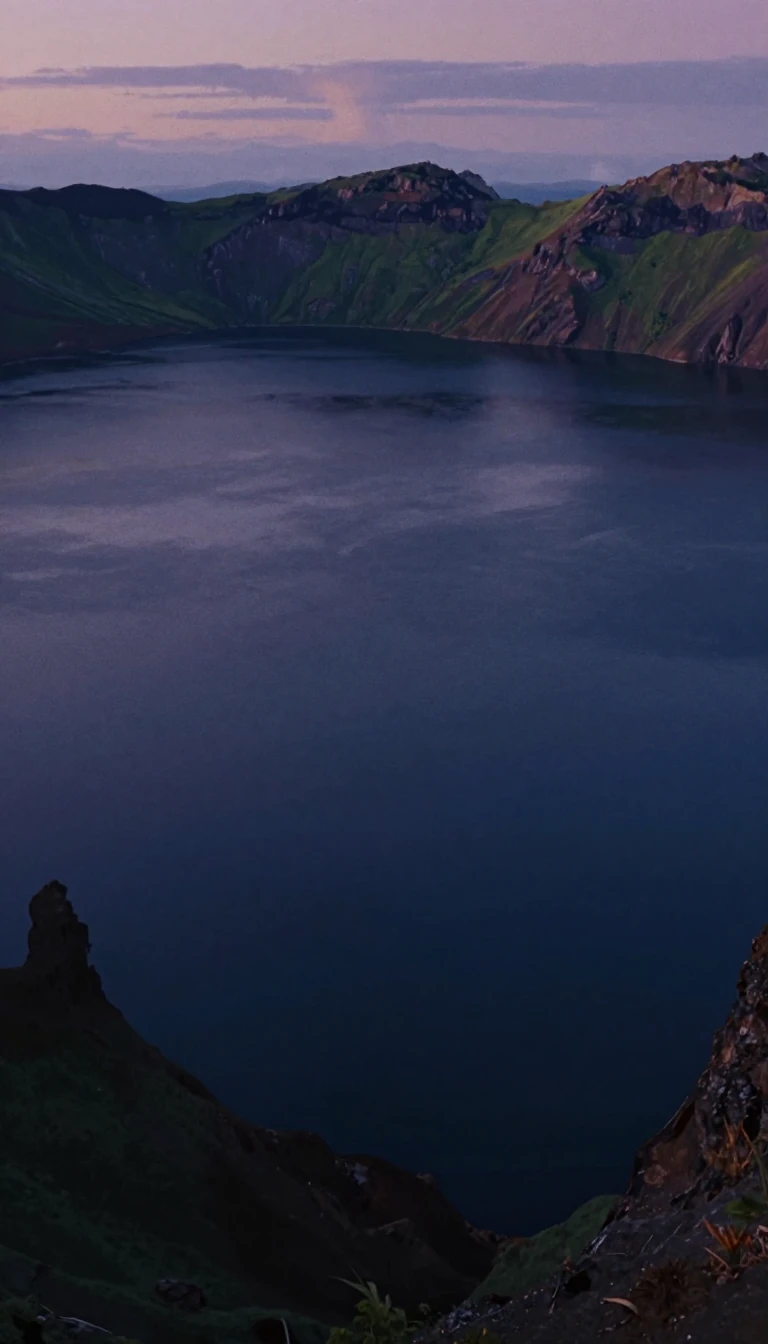 A maar is a volcanic crater formed by a violent interaction with groundwater.When magma meets groundwater or permafrost, the resulting phreatomagmatic explosion carves a broad, low-relief crater into the earth. Often filling with water to become serene lak…
 Gravity is constantly reshaping the planet, moving mountains one grain of soil at a time.Mass wasting is the silent, relentless force of gravity pulling rock and soil downslope without the help of wind, ice, or water. From the imperceptible creep of a hillside to the …
- Mountains are not permanent fixtures but the result of Earth’s restless, shifting tectonic plates.Mountains are born from the violent collision, subduction, and stretching of Earth's crust. Whether through the buckling of continents, the rise of volcanic magma, or the tilting …
 Mudflows are not just wet dirt; they are powerful, fast-moving geological forces of nature.A mudflow is far more than a simple landslide. These liquified rivers of debris can travel at speeds of up to five metres per second, carrying massive boulders and scouring entire…
- Why the deepest parts of our planet are actually its youngest geological featuresOcean basins span most of the Earth, yet they are transient landscapes constantly being recycled. While the planet is billions of years old, the seafloor is remarkably youthful. D…
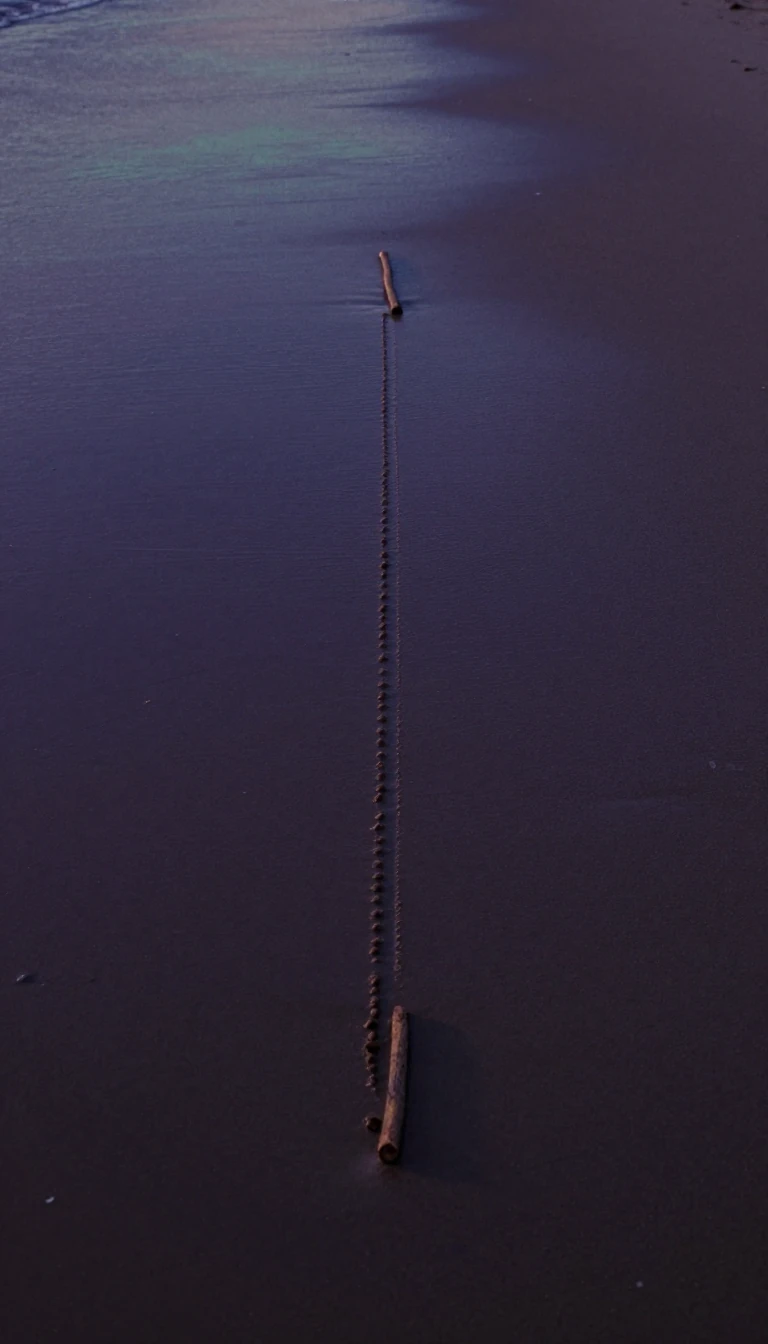 Why river bends create land, not just erosion, through hidden underwater vortexesYou might think river bends are shaped by water slowing down and dropping its sediment. That is a common fallacy. In reality, point bars—those crescent-shaped beaches on the insid…
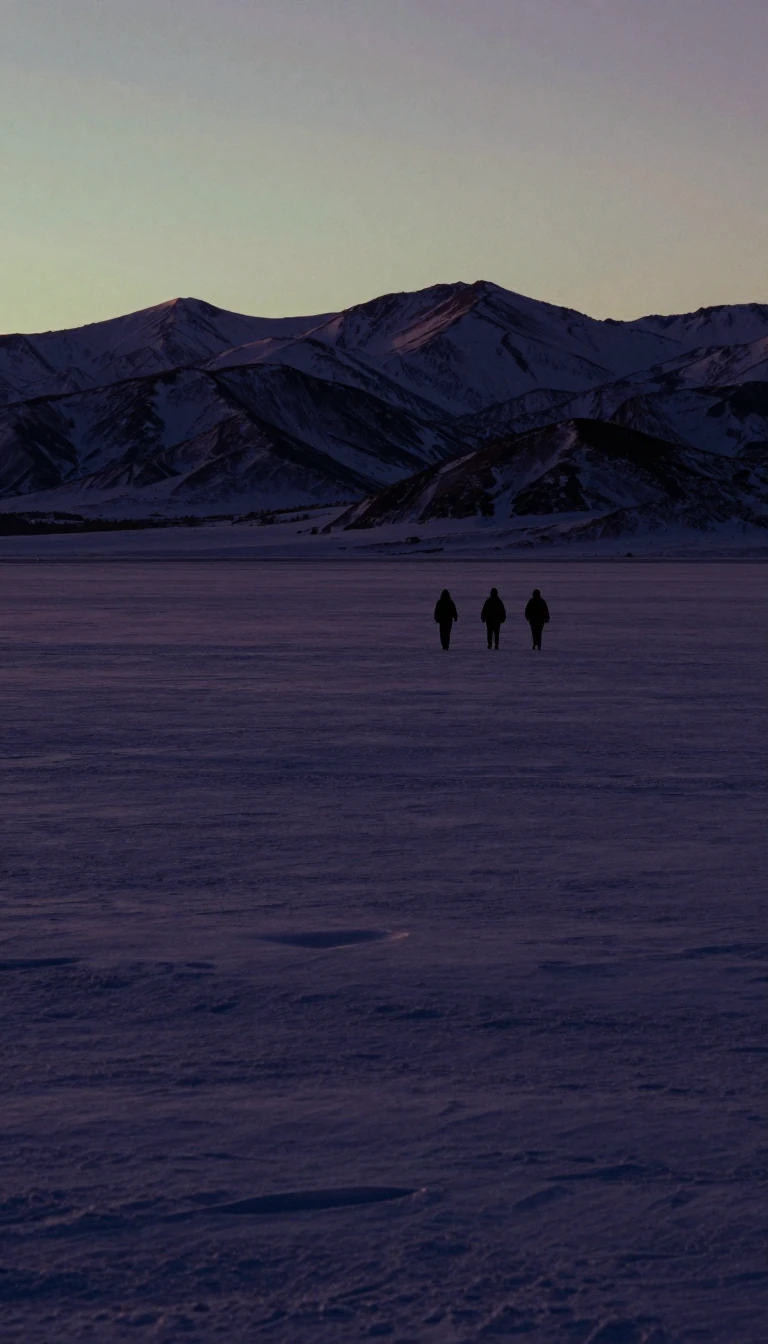 Why the Earth is still reacting to ice sheets that melted thousands of years agoThe Earth behaves like a mattress, deforming under pressure and slowly returning to its original shape. Even though the last ice age ended millennia ago, the planet is still adjus…
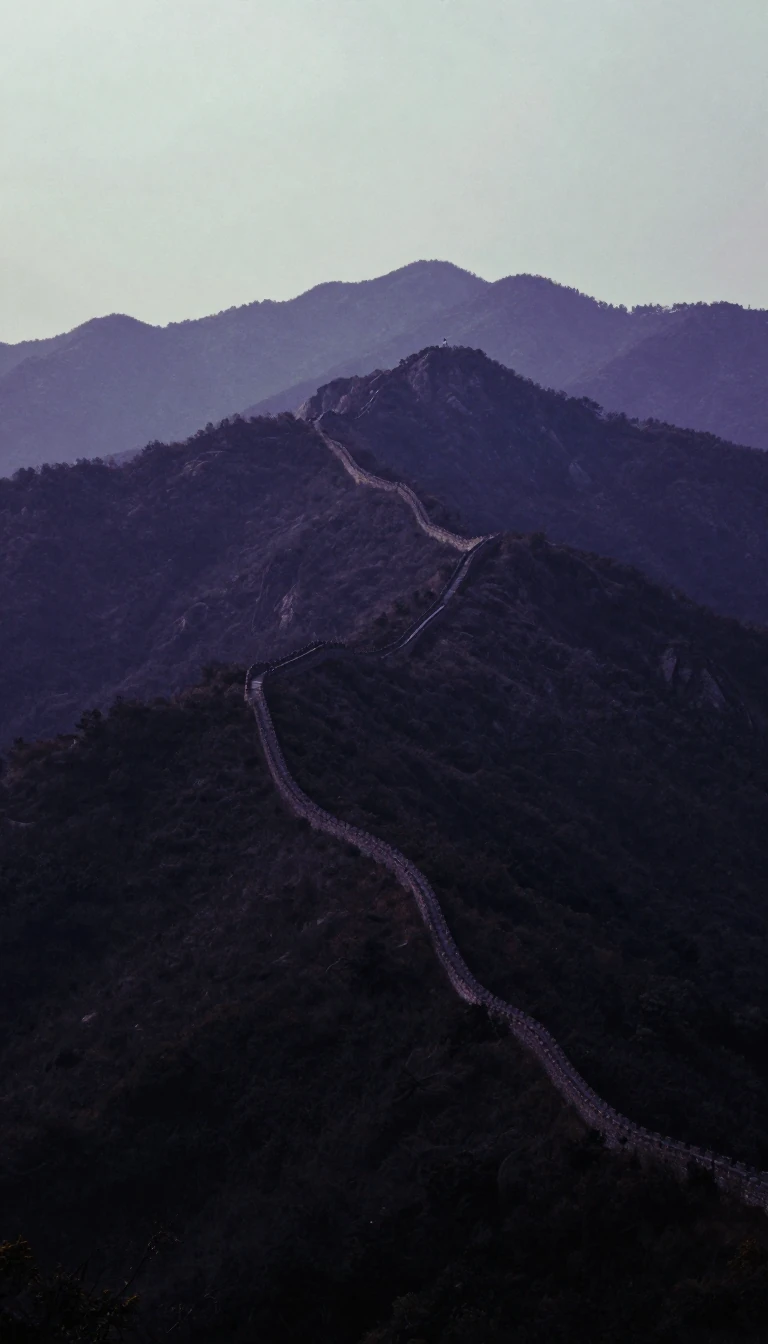 Why ancient civilizations built their most formidable fortresses on jagged, isolated rocky outcrops.A promontory is more than just a scenic projection of land; it is a masterclass in natural defensive engineering. By occupying high ground surrounded by water or river confluences…
 A ravine is more than just a ditch: it is a landscape in transitionRavines are deep, steep-sided landforms carved by the relentless power of running water. Sitting between the scale of a small gully and a vast canyon, these features are often the…
 Beyond the medical practice, the ridge is a fundamental, diverse, and shifting geological feature.While the name often denotes a local medical center, a ridge is fundamentally a long, narrow, elevated landform defined by steep sides. From wind-swept sand dunes to glacial remna…
- Rift valleys are the scars left behind as tectonic plates tear the world apart.A rift valley is a linear lowland formed when the lithosphere is pulled apart by extensional tectonics. These geological wounds can appear anywhere from the ocean floor to high mo…
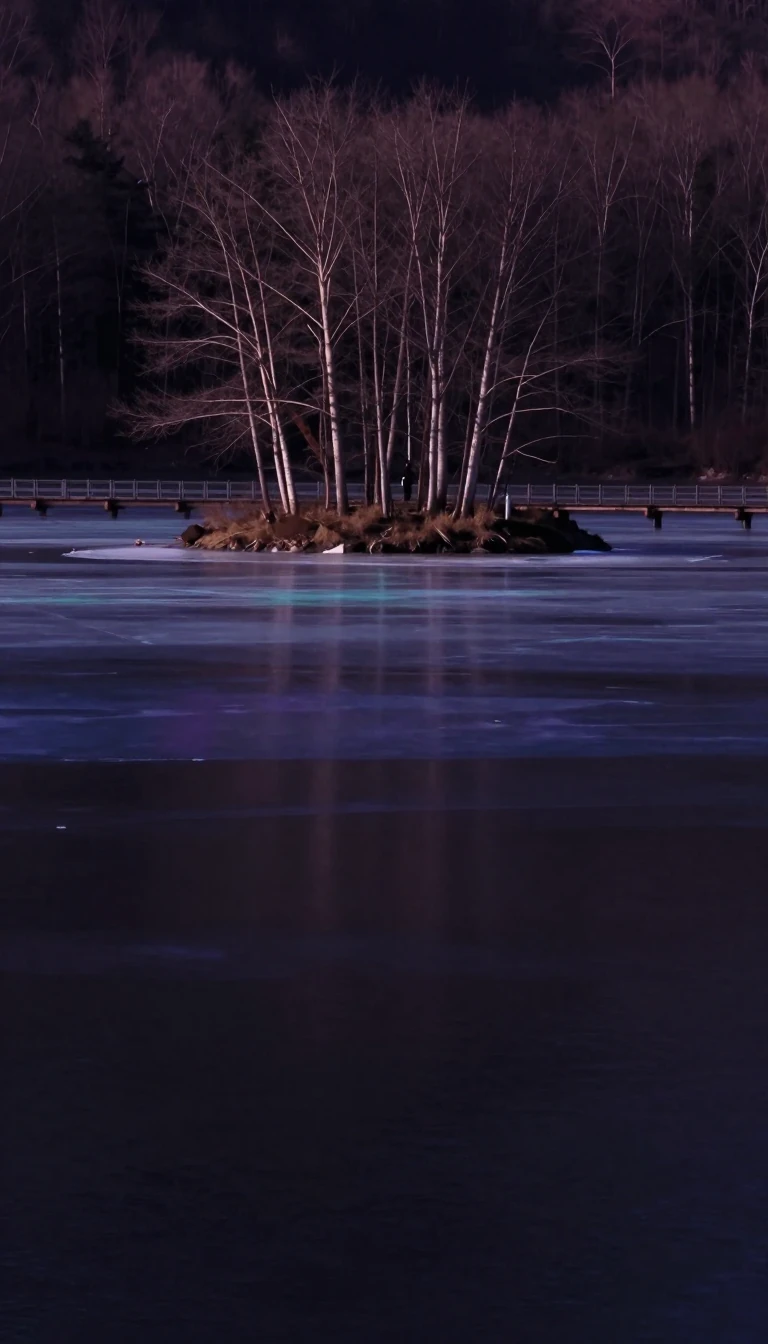 What defines a river island, and why do some geologists argue about their size?A river island is more than just land surrounded by water; it is a dynamic feature shaped by the constant tug-of-war between erosion and deposition. From tiny, tree-covered towhea…
 How Artificial Intelligence Is Finally Mapping the World's Rivers at a Global ScaleFor decades, river classification was limited to local studies or qualitative descriptions. Now, researchers are using deep neural networks and satellite imagery to categorize glo…
- Why these shallow cliffside openings were the preferred homes of our prehistoric ancestorsA rock shelter is more than a simple overhang; it is a geological masterpiece formed by the uneven erosion of resistant rock layers. These natural alcoves provided essential prote…
- Why rockslides are the most dangerous form of mass-wasting on EarthUnlike common landslides involving loose dirt, a rockslide is a sudden, high-speed release of solid bedrock. These events move along uniform planes of weakness, often behaving lik…
- Sea caves are not just holes in cliffs; they are dynamic, living marine ecosystems.Sea caves are more than simple geological voids. These rare, submerged environments act as vital refuges for specialized marine life, from rare algae to deep-water corals. Shaped …
- Why do some beaches slope so steeply while others remain flat and wide?Most beaches are composed of fine sand, but shingle beaches are built from coarse, rounded gravel. These unique formations, common in Great Britain, rely on porous surfaces to res…
 A shoal is more than a navigation hazard; it is a dynamic coastal architect.Often dismissed as a mere nuisance for ships, a shoal is a complex, shifting ridge of sediment that shapes our coastlines. These submerged banks act as natural prisms for ocean wa…
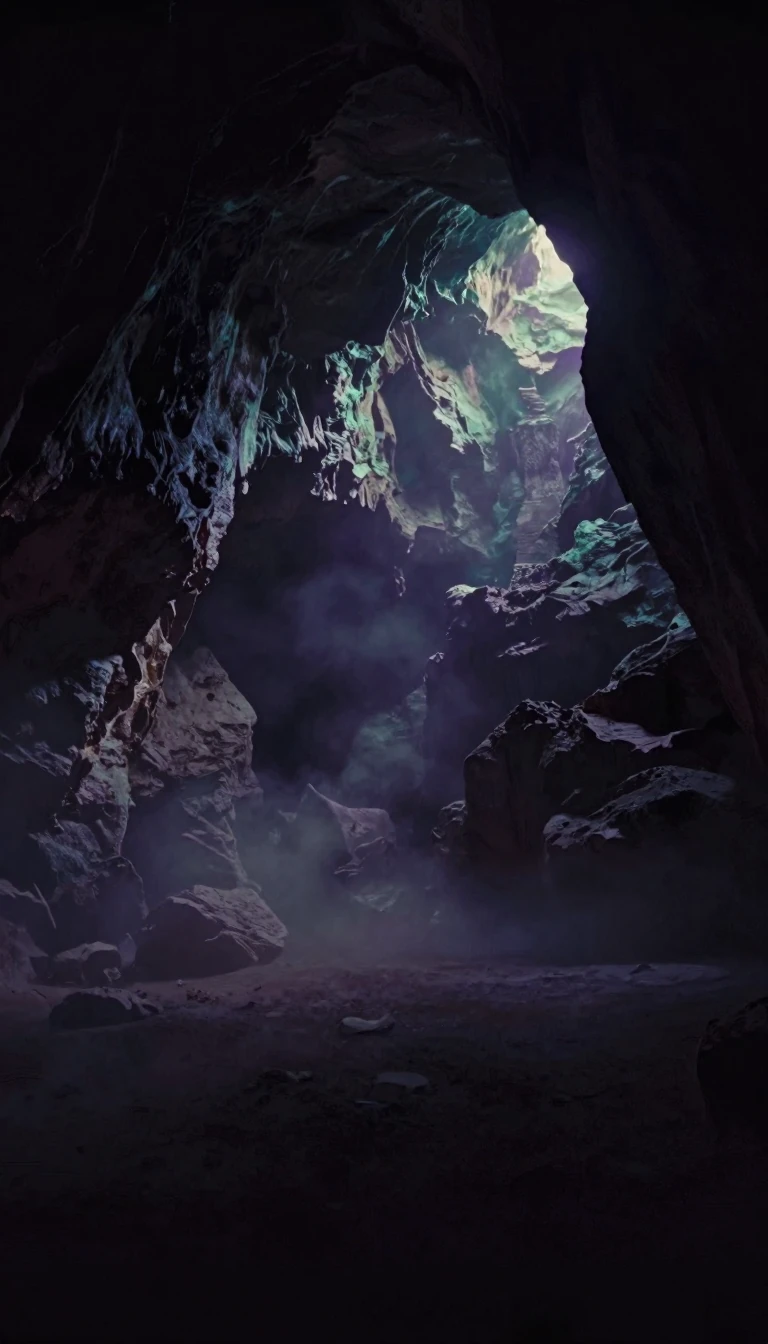 How rainwater and acid slowly carve the world's most expansive underground labyrinthsMost of the world's caves are not hollowed out by rushing rivers, but by the slow, chemical dissolution of rock. Rainwater and groundwater, charged with weak acids, seep through b…
- Speleology is the rigorous scientific study of the hidden, evolving systems beneath our feet.While many know caving as a rugged sport, speleology is the cross-disciplinary science that maps these fragile underground worlds. By blending geology, biology, and chemistry, res…
- These subterranean mineral sculptures are actually precise, ancient archives of our planet's climate history.Speleothems are more than just cave decorations. These geological formations, ranging from delicate soda straws to massive flowstones, act as natural data loggers. By trapping iso…
- Stalagmites are not just limestone; they can be made of lava, ice, or concrete.While we often picture limestone formations rising from cave floors, stalagmites are defined simply by gravity-driven accumulation. From the crystallized urine of pack rats to the…
 The riverbed is not just a static floor but a dynamic, self-organizing geological machine.A streambed is a complex, shifting landscape shaped by the constant interplay of water velocity and sediment. From the armoring of gravel surfaces to the creation of meanders, the…
 Why the ground beneath our feet is sinking, from mining to shifting tectonic plates.Subsidence is the downward movement of the Earth's surface, a global phenomenon driven by both natural forces and human activity. From the extraction of groundwater and petroleum …
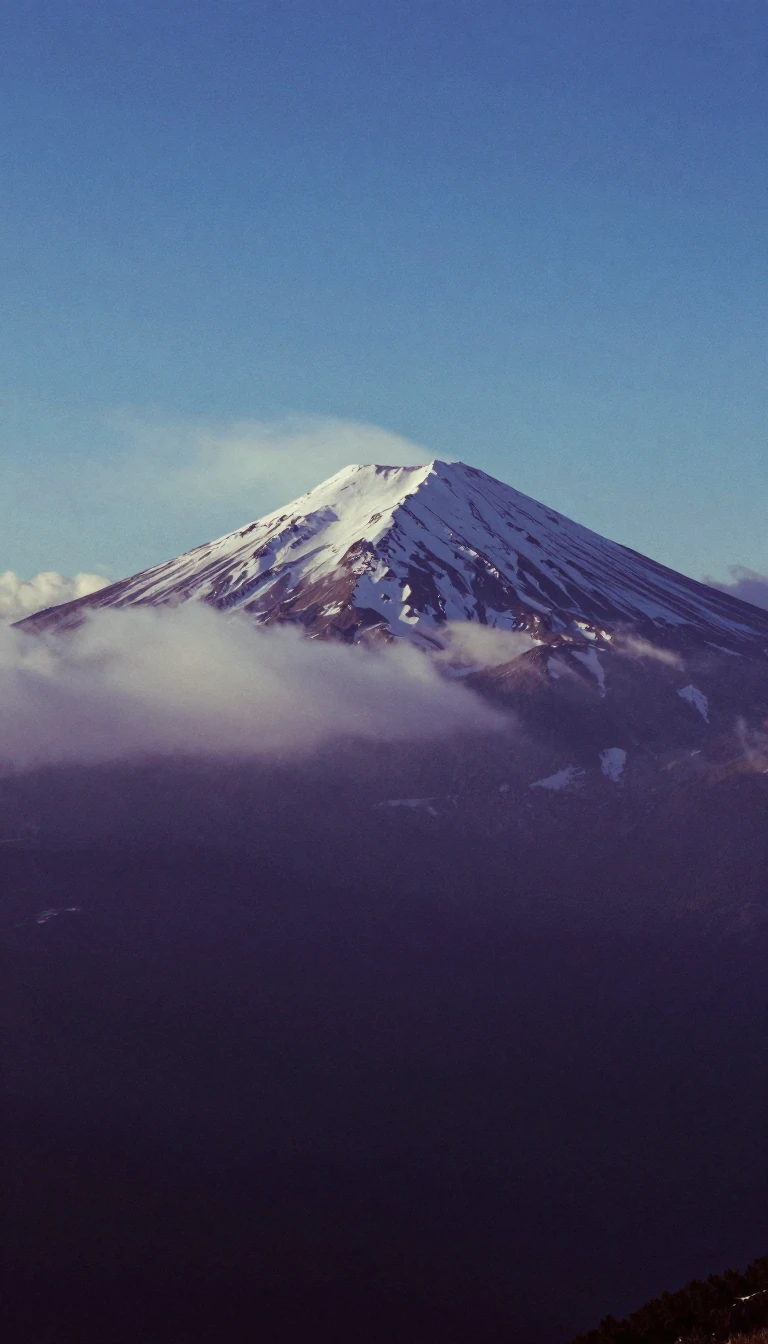 Why the definition of a mountain summit is surprisingly open to interpretationA summit is simply the highest point in its immediate vicinity, but classifying one is rarely straightforward. Whether a peak is a distinct mountain or merely a subpeak depends on…
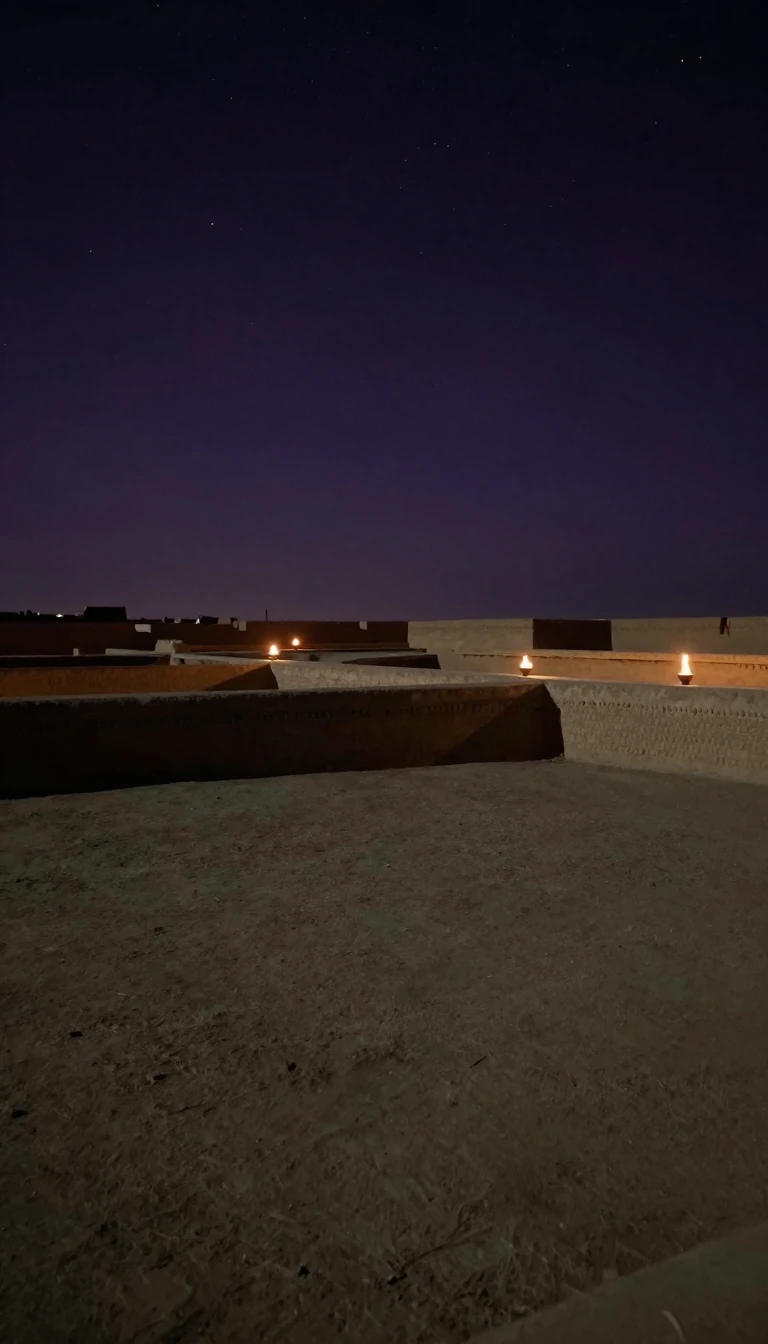 Nature builds stairs: how geological terraces record the history of our changing planetA terrace is more than a simple step in the landscape. Whether carved by ancient rivers, rising sea levels, or the slow creep of soil, these tiered landforms act as natural archiv…
- Is it a peninsula or an island? The answer changes with the tide.A tidal island is a landmass that exists in a state of constant flux. Connected to the mainland by a natural isthmus or man-made causeway, it remains accessible only when the tide…