 Intellect Plus
Biology
969 cards. Each one is a 40-second story with a five-minute read behind it. Page 12 of 17.
 Why hybrids like mules and hinnies are unable to reproduceWhen a horse and a donkey mate, they produce a hybrid offspring known as a mule or a hinny. This video explores why these unique animals are usually unable to become parents thems…
 Is contagious yawning actually a survival mechanism against predators?We often wonder why yawning spreads from person to person. This video explores the hypothesis that yawning might be an evolutionary response to stay alert against threats like sna…
 The mystery of why flamingos stand on one leg is still unsolvedFlamingos are famous for their elegant, single-legged poses, but this behavior isn't as simple as it looks. While people long assumed they were just trying to stay warm, modern re…
 Why do some animals choose to sacrifice their own limbs?From lizards dropping tails to escape predators to other biological reasons, animals often engage in a deliberate process of self-amputation. This video explores the mechanics of …
 Why do we always find room for dessert?Ever felt too full for dinner but ready for pie? This video explores the scientific reasons behind these strange human experiences and the psychological mechanisms that drive our …
 Nature just rewrote the universal rules of genetic translationFor decades, scientists believed certain genetic signals were near-universal constants for all life. A routine experiment in a pond at Oxford University recently shattered that as…
 Why scientists are rethinking the concept of living fossilsThe term 'living fossil' is being reconsidered by researchers. This video explores how scientists are working to change how we categorize these seemingly ancient organisms.
 Why some snakes evolved to target your eyes specificallySpitting cobras don't just strike; they launch venom with precision. This video explores the evolutionary mechanics behind this unique defense mechanism and how human interaction …
 Beyond the dairy aisle: exploring the diverse world of animal milksFrom the familiar taste of cow milk to the unexpected liquids of cockroaches and dogs, this video explores the essential biological role of milk and how it sustains developing off…
- From Roadkill to Sharks: How Nature Designs Our MedicinesThe pharmaceutical industry often looks toward the animal kingdom to solve human health crises. This video explores five specific instances where biological blueprints from divers…
 Crocodile tears are real and could revolutionize how we treat dry eyesThe phrase "crocodile tears" implies a fake display of emotion, but for these reptiles, the fluid is very real. Beyond just being a figure of speech, these biological secretions m…
- Why the global rise of artificial light is disrupting plant lifeAs human-made light spreads across the planet, even the darkest corners of the earth are changing. This surge in artificial light at night is more than a visual nuisance; it is ac…
- Why the seasons bring a predictable cycle of new diseasesEvery season introduces a fresh wave of biological challenges, from the annual flu shot in autumn to the sneezing fits of spring. But the timing of your hay fever isn't random; it…
 Why the scent of being human is more than just a stinkWhile we often focus on hygiene, human odors play a vital role in how we navigate our social lives and interact with one another.
 Why does cold ice cream trigger such intense tooth pain?The sharp, shooting sensation of biting into a frozen treat is far more agonizing than the chill of handling snow. This video explores the biological reason why your teeth react s…
 Why rubbing your tired eyes provides such a satisfying sensationWe have all experienced the relief of rubbing tired eyes. This video explores why that simple gesture feels so good and how it might even influence your heart rate.
 Why a newborn's very first bowel movement is a biological marvelBefore a baby even takes their first meal, their body is already busy producing something unique. This video explores why newborn poop is in a league of its own and what it reveal…
 Why water slides effortlessly off a duck's backWe often use the phrase "like water off a duck's back" to describe things that don't stick, but for these birds, it is a vital biological mechanism. This video explores the scienc…
 How certain animals push the limits of the five human sensesWe rely on sight, sound, smell, taste, and touch to navigate our world. This video explores how specific animals take these fundamental biological mechanisms to an extraordinary, …
 Why slime is a vital tool for survival in the natural worldBeyond the green goo of television challenges, nature produces remarkable varieties of slime. This video explores how various animals rely on these natural secretions for their da…
 Beyond mammals: how other species nourish their youngWhen we think of milk, we usually picture mammals like humans or cows. This video explores the unusual ways various non-mammal species provide liquid nutrition to their offspring.
- The hidden ecological cost of a world without virusesWhile we often view viruses solely as pathogens, their disappearance would trigger a catastrophic collapse of global ecosystems. This video explores the complex biological roles v…
 Are birds capable of being fooled by human magic illusions?Humans have a long-standing fascination with illusions and sleight of hand. This video investigates whether the ability to fall for a trick is a uniquely human trait or if birds p…
 The biological drive to sleep may be a cellular circuit breakerWe often view sleep as a period of mental rest, but new research suggests it is actually a critical maintenance phase. It appears our brain triggers sleep to prevent a metabolic o…
- Beyond allergies: could antihistamines treat nausea, insomnia, and even depression?Most people associate antihistamines with soothing a runny nose or hay fever. However, these common medications are being explored for much broader uses. From managing nausea and …
- The geographical mystery of how marsupials reached the AmericasWhile marsupials are synonymous with Australia, they also call the Americas home. This video explores the evolutionary puzzle of how these mammals migrated across continents to in…
- The biological marvel of creatures that eat larger than themselvesHow does a small organism manage to consume prey significantly bigger than its own body? This video explores the unique physical mechanics and biological capabilities that allow h…
 Is the urge to sleep actually a signal of cellular damage?We spend a third of our lives asleep, yet why we must sleep remains a mystery. Recent research suggests that the pressure to sleep might be driven by the buildup of DNA damage in …
 What might the human form look like in two thousand years?While human evolution has progressed significantly throughout our history, the future remains uncertain. This video explores the scientific possibilities of how our species might …
 Why do humans store fat differently than our closest primate relatives?While chimpanzees and bonobos are our closest relatives on the tree of life, we possess a distinct way of storing fat. This video explores how our unique DNA and specific types of…
 The secret to a fly's evasion is a pre-flight balletYou might think a fly reacts the instant you swing, but it is actually planning its escape before you even move. Using high-speed cameras, researchers discovered that these tiny i…
- The microscopic building blocks hidden within tiny flecks of lintThis video explores how minuscule, lint-like specks found in various organisms might represent the fundamental building blocks of entire genomes, providing a window into the compl…
- Can we restore the remarkable neuroplasticity found in children?Human brains are incredibly adaptable during childhood, but this flexibility tends to decline as we age. This video explores how researchers are investigating methods to potential…
- Beyond honey and pollination: the bees that help corpses decomposeWhile most people associate bees with honey and flowers, a specific group of species performs a much darker role in the ecosystem. This video explores the fascinating existence of…
 Is the sensation of heat and physical injury actually the same?Whether you are biting into a spicy pepper or slamming your hand in a drawer, your body may be using a remarkably similar biological pathway to signal distress.
 Nature's tiny architects have a plan for every catastropheFrom volcanic eruptions to raging wildfires, honey bees possess remarkable resilience. This video explores the survival strategies these insects use to endure some of the most ext…
 Beyond decay: the surprisingly multipurpose world of fungiWe often think of fungi as either helpful or harmful, but the reality is far more complex. This video explores the grey area between these two extremes.
 The sticky, spitty glue honeybees use to mummify intrudersWe know honeybees for their golden nectar, but they have a much grittier side. Using a substance called propolis, these industrious insects create a biological sealant that can ef…
- The human genome was never actually complete until recentlyFor nearly two decades, we held a map of the human genome that was missing 8% of its territory. Scientists knew this missing data held secrets to fundamental biology, but the tech…
 Could the world's oldest life forms solve our modern crises?As one of Earth's most abundant and ancient forms of life, algae may hold the keys to addressing today's unsustainable global challenges. This video explores five ways this organi…
- Is it biologically possible to breed spiders into giants?This video explores the biological feasibility of breeding spiders to a massive scale, examining whether we could actually pull off creating humongous arachnids.
- Why a salmon's death might be the secret to a forest's growthIn the Pacific Northwest, a profound nutrient exchange links the ocean to the forest floor. Salmon migrate from nutrient-poor freshwater to the energy-rich sea, only to return and…
- Why increasing your DNA content might not be a biological advantageIn this video, SciShow explores the complex relationship between DNA quantity and biological success, questioning whether having more genetic material always translates to better …
 How a scientific twist changed the future of stem cell researchStem cell science has taken unexpected turns. This video explores the evolution of the field and the development of induced pluripotent stem cells (iPSCs).
- Why the hyena is the true matriarch of the African wildMove over lions; the hyena is the ultimate example of a female-led society. This video explores how hyena mothers serve as the primary leaders and protectors of their species.
- A collection of rapid-fire insights into the science of what we eatExplore a curated compilation of bite-sized scientific facts about food, presented through a series of quick-hitting videos designed for efficient learning.
 Nature's internal compass: How animals navigate without gravity sensorsHumans rely on specific organs to sense gravity, but many species lack these biological tools. This video explores the diverse mechanisms animals use to orient themselves in a thr…
 From Furry Friends to Favorite Foods: The Reach of DomesticationHuman civilization is built on the art of domestication. This compilation explores how we transformed the natural world into our backyard, from the animals we ride to the vegetabl…
 The biological resilience that made goldfish nearly invincibleFor over a millennium, humans have kept goldfish as pets, drawn to their beauty and their strange biological advantages. This video explores the unique traits that allowed them to…
- That sudden, stray dark hair is likely a biological transformation, not a new arrivalYou glance in the mirror and spot a single, long, dark hair where none existed yesterday. It feels like it appeared out of thin air, but biology suggests a different story. This l…
 Why your eyes might be capturing a world others cannot seeWhile many of us rely on glasses to correct vision, some individuals possess biological traits that allow them to perceive parts of the spectrum hidden from most humans.
 The evolutionary trade-off that makes you choke on your own spitEver wondered why a tiny drop of saliva can trigger such a violent coughing fit? It turns out this common embarrassment is actually a byproduct of the very features that define ou…
- Why laboratory mice may fail to represent the complexity of human biologyStandard genetic studies rely on lab mice raised in sterile environments. This video explores why these closely related subjects might not provide a complete picture of actual hum…
- Evolutionary biology suggests you cannot walk on land without the ability to blinkWe often think of legs as the primary requirement for life to move from water to land. However, a fundamental physiological hurdle existed before the first tetrapods could ever ta…
- Why nature's waste is sometimes a high-protein delicacyTo humans, feces are off-limits. But for many animals, eating poop is a sophisticated survival strategy. Rather than a lack of options, coprophagy often serves as a vital way to r…
 Why some animals evolved to live without a working stomachThe platypus, the seahorse, and the pufferfish share a bizarre biological trait: they have abandoned the stomach entirely. This isn't just a physical change; these species have ac…
 How Aaron Klug transformed our view of life by turning flat images into 3DAaron Klug, a Nobel laureate in chemistry, revolutionized structural biology by developing crystallographic electron microscopy. By combining two-dimensional images taken from var…
- How Ada Yonath overcame scientific skepticism to map the machinery of lifeFor decades, the international scientific community dismissed Ada Yonath’s pursuit of ribosomal crystallography as a fool’s errand. Yet, by pioneering cryo bio-crystallography, sh…
- The botanist who climbed volcanoes, served Empress Josephine, and vanished into a Paraguayan prisonAimé Bonpland was a pivotal explorer who classified thousands of unknown plants alongside Alexander von Humboldt. Yet, his life took a dramatic turn from the gardens of French roy…
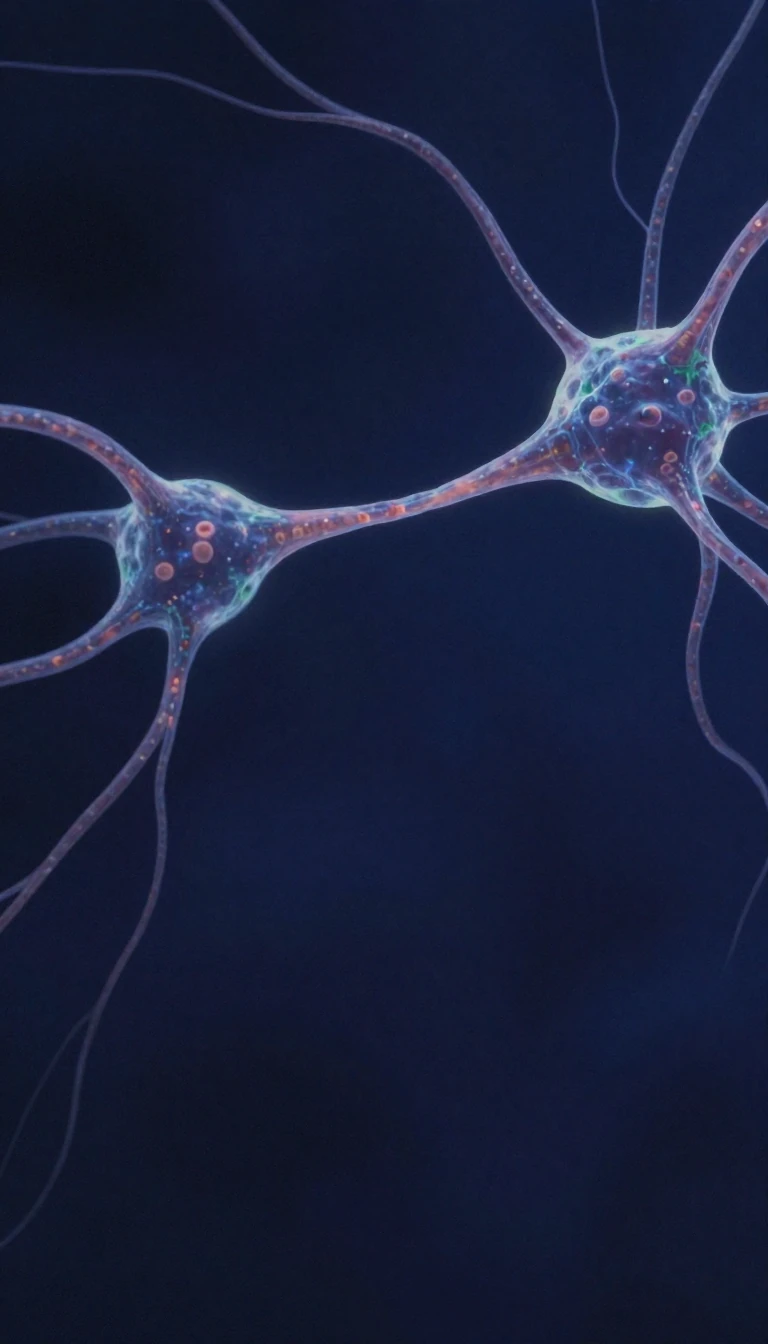 How a squid's giant nerve axon revealed the secret language of the human brainAlan Hodgkin transformed our understanding of the nervous system by peering inside a single squid axon. His work, which earned him a Nobel Prize, uncovered the electrical dance of…