 Intellect Plus
Human body & genes
387 cards. Each one is a 40-second story with a five-minute read behind it. Page 6 of 7.
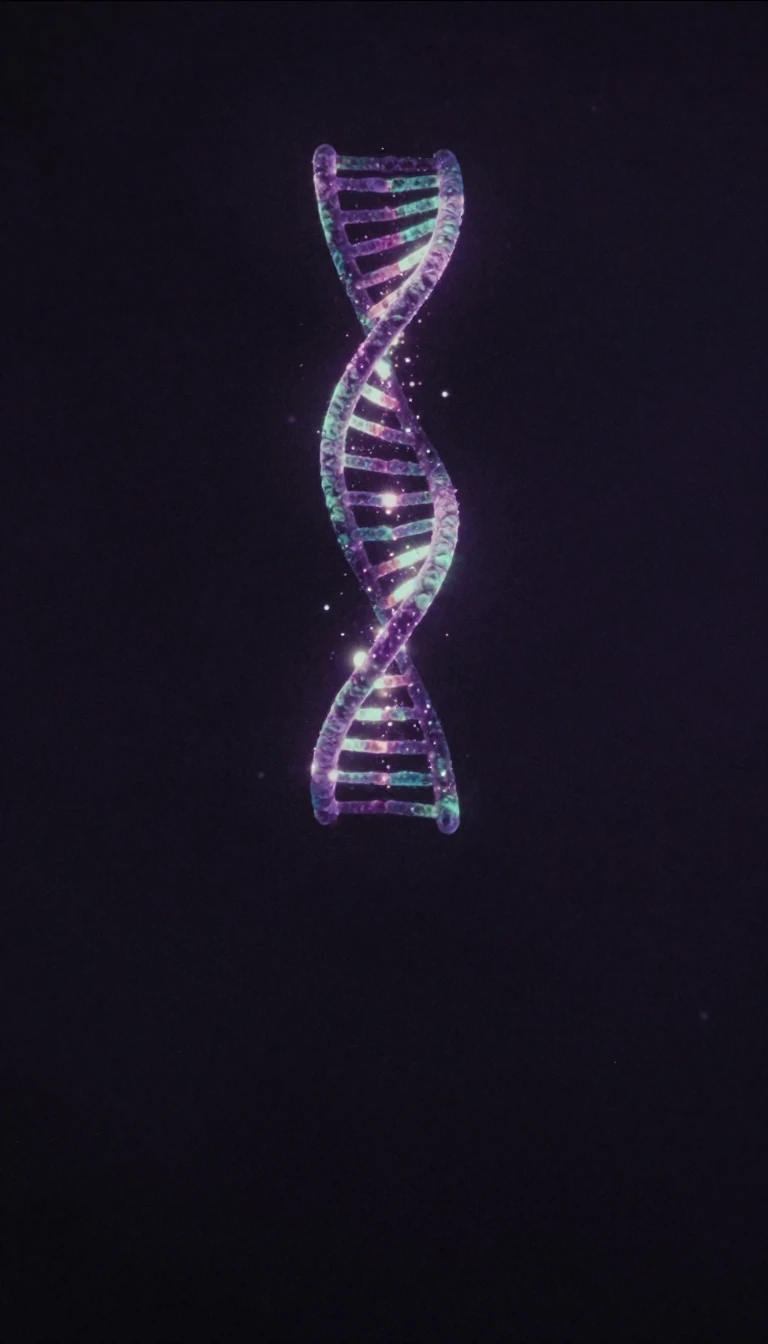 DNA's double helix has a wide groove where proteins read the codeTwist two strands of DNA around each other and the gaps between them form grooves of unequal size, 22 and 12 ångströms across. The wider one leaves the edges of the bases exposed,…
 Frog eggs without a nucleolus revealed the cell's ribosome factoryIn 1964 John Gurdon and Donald Brown noticed that a quarter of their clawed-frog eggs had no nucleolus, and none of those eggs survived. Two years later hybridisation experiments …
 Nucleotides build your genes, fuel your cells and even boost umamiThe same molecules that string together into DNA and RNA also power nearly everything a cell does. ATP, a nucleotide carrying three phosphates, funds protein building, movement an…
- Five small nitrogen rings spell out every gene on EarthAdenine, cytosine, guanine, thymine and uracil are compact molecules built around rings of carbon and nitrogen. Pair a big one with a small one and the DNA ladder keeps a constant…
 Humans need vitamin C from food while most animals simply make their ownMost animals and many plants manufacture ascorbic acid for themselves, but people must eat it. That quirk captures the idea of an essential nutrient: something the body requires y…
 Chemists grumble that their Nobel Prize keeps going to biologistsIn the thirty years up to 2012, the Nobel Prize in Chemistry went ten times to biochemistry or molecular biology, and in the final decade of that stretch only four awards honoured…
 The physics Nobel waits decades to be sure a discovery really mattersSubrahmanyan Chandrasekhar worked out how stars are built and evolve during the 1930s, yet received his share of the physics Nobel only in 1983. That delay is deliberate: the priz…
 The medicine Nobel skipped Salk and Freud to reward basic discoveriesEveryone expected Jonas Salk or Albert Sabin to win a Nobel for polio vaccines. Instead the prize went to three researchers who first grew the virus in monkey cells, the step that…
- The 'merchant of death' obituary said to inspire the Peace Prize may never have existedA popular tale says that in 1888 a French paper mistook Ludvig Nobel's death for Alfred's and damned him as a merchant of death, shaming him into endowing a peace prize. Investiga…
 John Watson's famous 'dozen healthy infants' boast is usually quoted without its confessionThe behaviourist John B. Watson is remembered for promising that, given a dozen healthy babies, he could train any of them into a doctor, lawyer or thief. The usual quotation stop…
 Your belly button is a one-of-a-kind scar, and birds have one tooThe navel is the scar left where the umbilical cord once attached, so no two are quite alike. Doctors sort them into innies and outies with a surprising list of sub-shapes, surgeo…
 Scattered across living people, about a fifth of the Neanderthal genome still survivesMost people carry only a few percent of Neanderthal DNA, yet different people carry different pieces. Pooled together, roughly 20 percent of the Neanderthal genome survives in mod…
 Your neck packs airway, gullet, glands and the brain's blood supply into four compartmentsThe neck holds up the head, lets it swivel in every direction, and shields the nerves linking brain and body. Crammed inside a surprisingly small column are the windpipe, the thro…
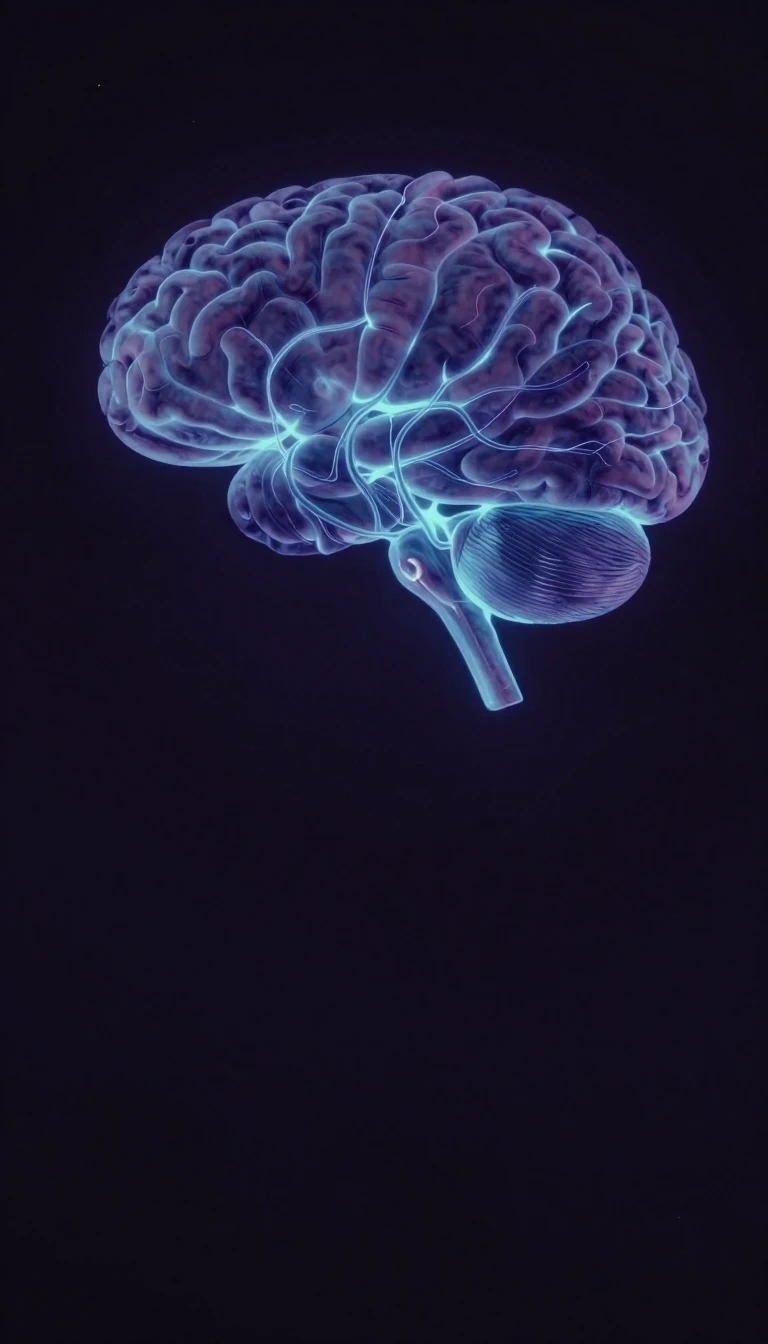 In 1879 a Scottish surgeon found a brain tumour using only the patient's symptomsWith no scanners of any kind, William Macewen pinpointed a tumour in 1879 purely from neurological signs, then removed it successfully. Five years later Rickman Godlee went a step…
 Why do men have nipples? Because losing them offered no advantageAlmost every mammal has nipples, including males, who cannot use them to feed young. Biologists broadly agree the reason is anticlimactic: nothing was gained by getting rid of the…
 America's giant medical research agency began as a bacteria lab on Staten IslandIn 1887 the US Marine Hospital Service set up a small laboratory to study bacteria at its hospital on Staten Island. That Hygienic Laboratory grew into the National Institutes of …
 Seven million fish in jars: inside the world's largest natural history collectionThe Smithsonian's National Museum of Natural History in Washington holds over 148 million specimens, the largest natural history collection on Earth. Visitors see only a sliver. B…
- A five-year fight over who controls science shaped America's research funderEveryone in 1940s Washington agreed the government should back science. They could not agree how. One camp wanted scientists in charge; the other wanted the public to own the resu…
- Identical twins don't run in families, but fraternal twins canFraternal twins come from two separate eggs, and a gene that makes some women release extra eggs can pass down the generations. Identical twins arise when a single fertilized egg …
 Early strength gains come mostly from the brain, not bigger musclesWhen someone starts lifting weights, they often get stronger quickly before their muscles visibly grow. Most of that early progress is the nervous system learning to recruit and c…
 The slow, waxy microbe behind tuberculosis hides inside the cells sent to eat itMost bacteria split every few minutes; E. coli can manage roughly every 20. The germ that causes tuberculosis takes 18 to 24 hours. What it lacks in speed it makes up for in armou…
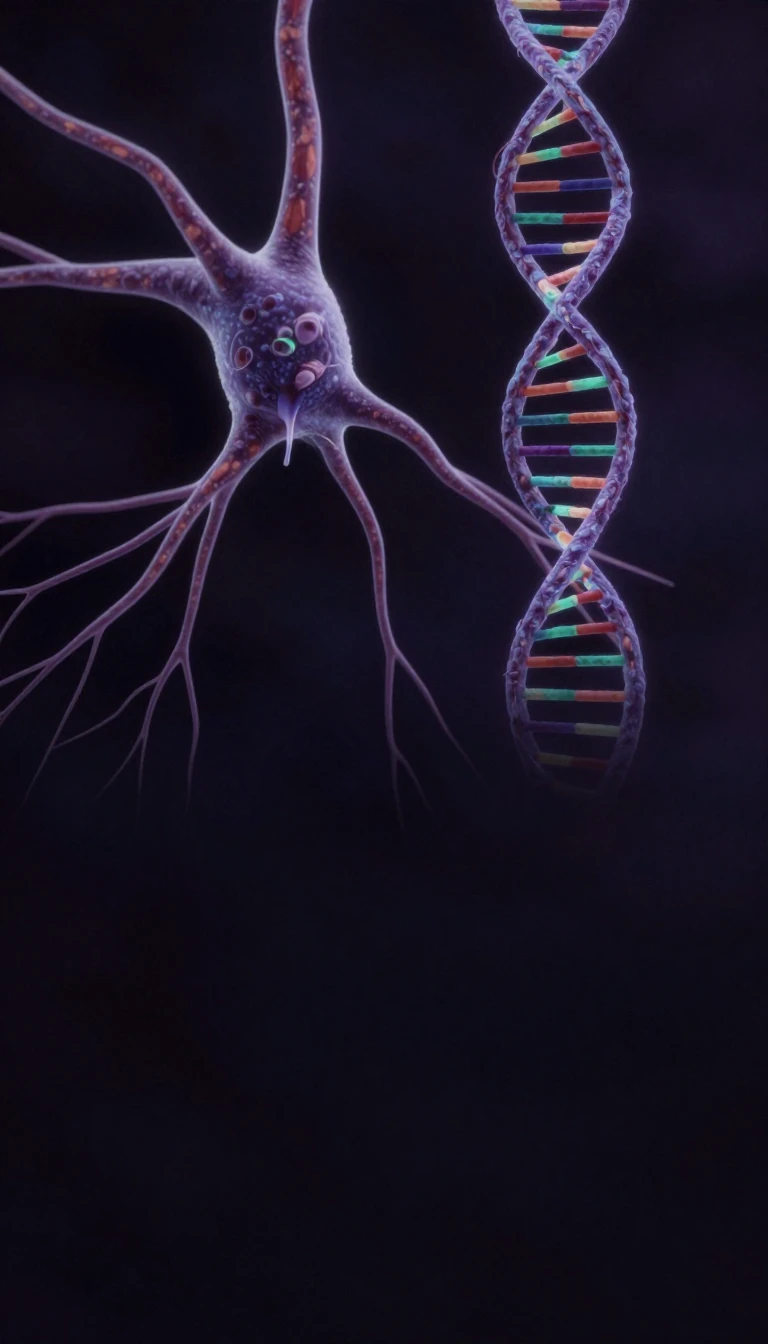 Nerve signals leap between gaps in a fatty wrapping named after bone marrowMany of your nerve fibres are wrapped in myelin, a fatty insulating sheath. Unlike the plastic on a wire, it comes in segments separated by tiny bare gaps about a micrometre long.…
 River dolphins, caribou people and backwards-footed women: folklore's almost-humansNearly every culture imagines beings that are part human or pass for human. In the Amazon, river dolphins are said to step ashore as people. Inuit tradition tells of caribou folk …
 Mathematical models trade realism for clarity, and the trade is the pointBend a coin slightly, flip it once, then try to predict the next toss. With so little data, you have to lean on a hunch from the coin's shape. That dilemma sits at the heart of ma…
- Messenger RNA is the short-lived working copy that turns genes into proteinsYour DNA stays locked in the cell nucleus like a reference library, so cells make disposable copies of individual genes to carry out to the protein factories. These copies, called…
 Why cancer cells that travel keep the identity of where they startedWhen breast cancer spreads to the lungs, the new growth is made of breast cells, not lung cells, and doctors call it metastatic breast cancer. That journey from one organ to anoth…
 Microtubules are the hollow scaffolding and railways inside your cellsInside nearly every cell with a nucleus runs a network of tiny hollow tubes, each about 25 nanometres wide yet sometimes 50 micrometres long. These microtubules hold the cell's sh…
 The American mink escaped the fur farm and remade European riversidesA mink with no white patch on its upper lip is certainly American, because every European mink has one. That small detail matters in Europe, where American mink bred for their fur…
 The Magdalenians painted Lascaux and hunted across an Ice Age EuropeThe first excavators of a rock shelter in France's Dordogne called the era the age of the reindeer. Today it is known as the Magdalenian, a culture of Ice Age hunters who carved s…
 The same brain protein behind mad cow disease may also help us rememberEvery human nerve cell carries a protein called PrP, and nobody is quite sure what it is for. When it folds into the wrong shape, it drives fatal brain illnesses such as mad cow d…
 Mary Leakey, expelled from two schools, found some of humanity's oldest tracesOne morning in July 1959, with her husband ill in camp, Mary Leakey spotted a skull fragment at Olduvai Gorge, brushed away the soil, found two big teeth in a curved jaw and drove…
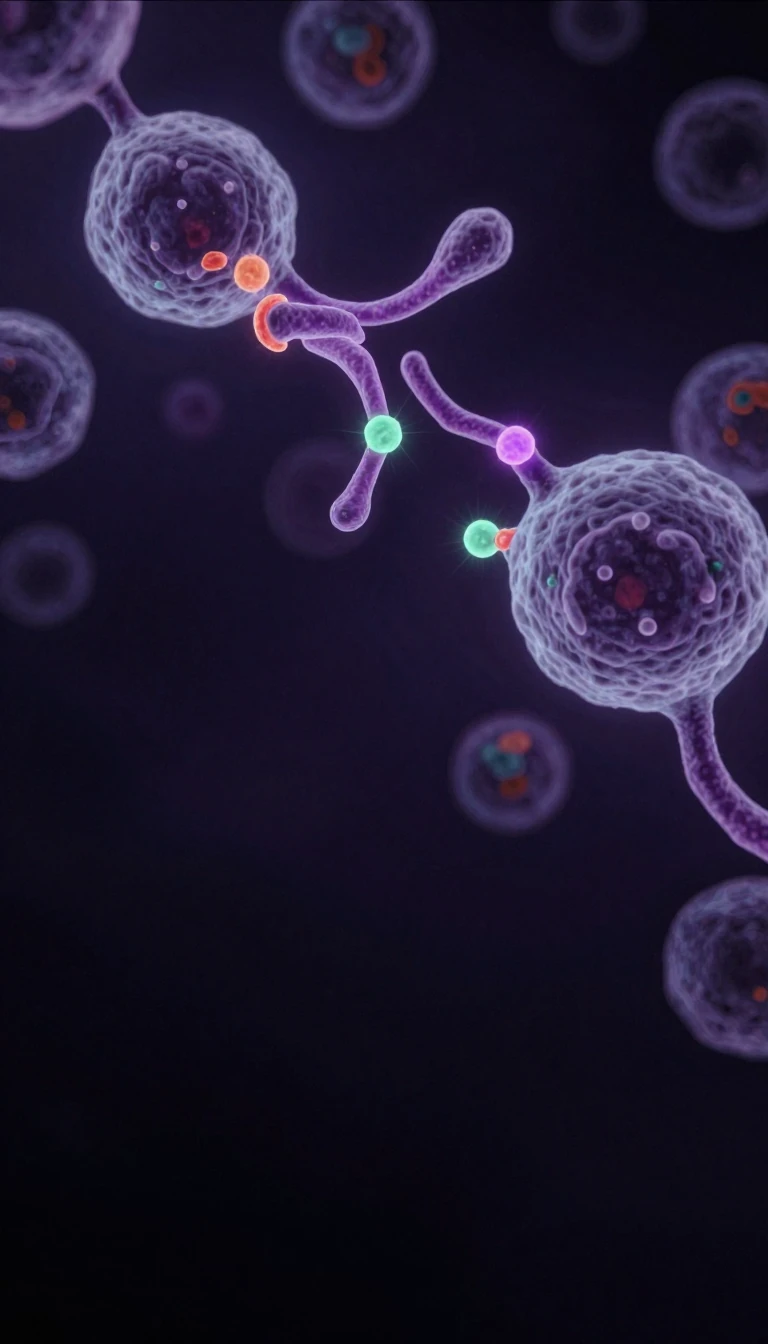 The B in B cell comes from an organ found in birds, not from bone marrowImmunologists often assume B cells are named for bone marrow, where mammals make them. In fact the letter honours the bursa of Fabricius, a lymphoid organ in birds where Chang and…
 Stalin's favourite agronomist declared the gene a bourgeois invention, and biology paidTrofim Lysenko promised Stalin wheat yielding 15,000 kilograms per hectare, when the best variety under ideal conditions managed about 2,000. He called genes a bourgeois invention…
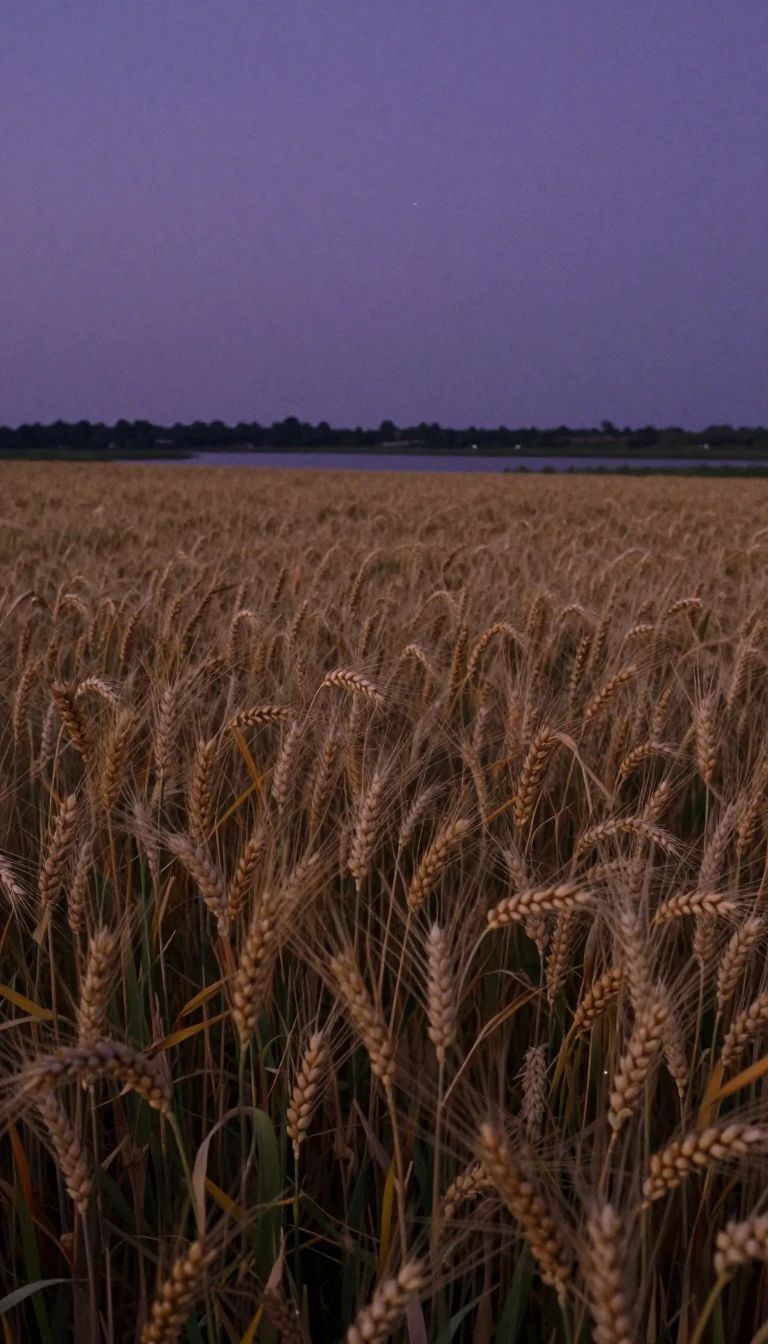 Why ancient farmers paired beans with maize: the missing amino acid lysineMaize is short on lysine, one of the amino acids the human body cannot make for itself. Beans are rich in it. So it may be no accident that the archaeological record so often find…
- DNA stores, proteins work, RNA does a bit of both: life's giant moleculesEvery living thing depends on three long chain molecules, each shaped for a different job. DNA is built for safekeeping, proteins for getting chemistry done, and RNA sits awkwardl…
 LDL is not cholesterol itself but a tiny shuttle that carries fats through bloodFat does not dissolve in water, so the body ships it in particles. A low-density lipoprotein is a speck about 22 to 27.5 nanometres across, wrapped around thousands of fat molecul…
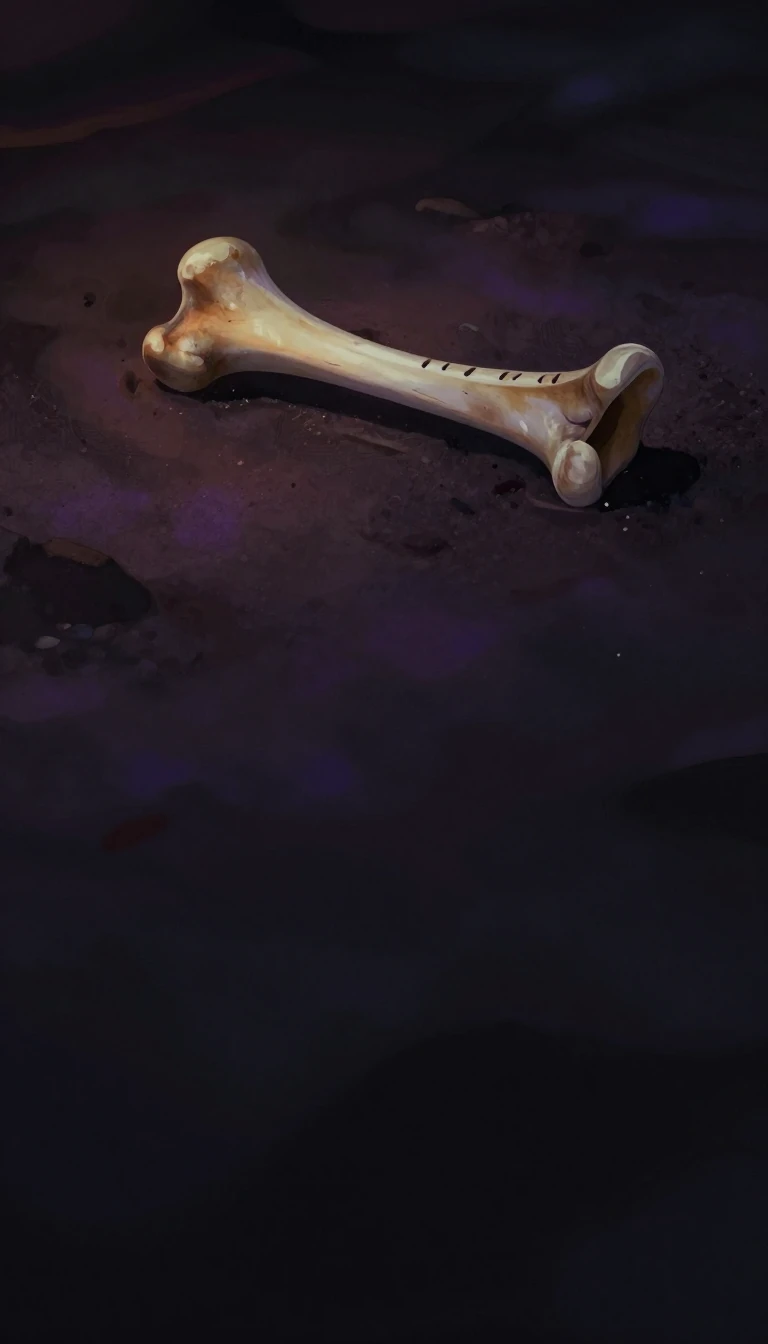 Lucy's skeleton showed our ancestors walked upright long before their brains grew largeOn 24 November 1974, Donald Johanson skipped updating his field notes to search a gully in Ethiopia that others had already checked twice. As he turned to leave, an arm bone caugh…
 A three-year-old's drawing of his classmate gave the Beatles Lucy in the SkyJulian Lennon came home from nursery school with a picture of his friend Lucy Vodden and called it Lucy in the sky with diamonds. His father John turned the title into one of the …
- Humans have more lower-back vertebrae than chimps, and that lets our spines curveBetween your ribs and pelvis sit five heavy vertebrae, the largest bones in the spinal column. Chimpanzees and gorillas have only three or four, which leaves them unable to arch t…
 Lymph nodes slow the flow of lymph on purpose so immune cells can reactAn adult body holds about 450 lymph nodes, bean-shaped filters averaging 15 millimetres long. Lymph pours into each one through many vessels but usually leaves through a single ex…
 Did taking lead out of petrol help cut crime a generation later?After decades of rising crime, rates across the industrialised world fell sharply from the 1990s. One striking explanation points to a change made twenty years earlier: removing l…
 An HIV drug that jams the virus's shell needs only two shots a yearLenacapavir attacks HIV at a target no earlier drug had touched: the protein shell, or capsid, that carries the virus's genetic material. It is so potent and lingers so long in ti…
- Lou Gehrig's famous streak began because a teammate had a headacheOn June 2, 1925, Yankees manager Miller Huggins benched his slumping first baseman Wally Pipp, who had a headache, and started a young Lou Gehrig. Gehrig then played 2,130 games i…
- Louis Leakey got Cambridge to accept Kikuyu as his foreign languageRaised among the Kikuyu near Nairobi, Louis Leakey spoke their language fluently, walked with their gait and was initiated into the group. When Cambridge required a modern languag…
 When kidneys fail, the damage shows up in blood, bones and breathKidneys do far more than make urine. They release a hormone that tells bone marrow to build red blood cells, and they balance potassium, phosphate and fluid. So when they drop bel…
 King's College London's founding sparked a pistol duel involving the Prime MinisterOn 21 March 1829 the Duke of Wellington, then Prime Minister, faced the Earl of Winchilsea with pistols in Battersea Fields. Their quarrel began over a new Anglican college in Lon…
 Alfred Kinsey's seven-point scale treated orientation as a spectrum, not two boxesRather than asking people which label fit them, Alfred Kinsey rated what they had actually felt and done, on a scale from 0 to 6. His point, drawn from more than 8,000 interviews,…
 Keratin builds hair, hooves, feathers and whale baleen, and sulfur makes it toughYour fingernails, a rhino's horn, a hawk's beak and the bristly plates a whale strains krill through all rely on one family of proteins: keratin. That acrid smell when hair burns …
 Most kidney cancers are now found by accident on scans taken for something elseEarly kidney tumours usually cause no symptoms and cannot be felt during an examination. Yet more than 60 percent of renal cell carcinomas, the commonest type, are now spotted inc…
- Dialysis cleans blood through a membrane, and your own belly lining can serve as oneWhen kidneys fail, a machine can take over part of their job, pumping blood through thousands of hair-thin hollow fibres that let waste out and keep blood cells in. There is anoth…
- J. B. S. Haldane coined the word clone with almost no formal training in biologyAt four, bleeding from a cut on his forehead, young Jack Haldane asked his doctor whether the blood was oxyhaemoglobin or carboxyhaemoglobin. He grew into one of the twentieth cen…
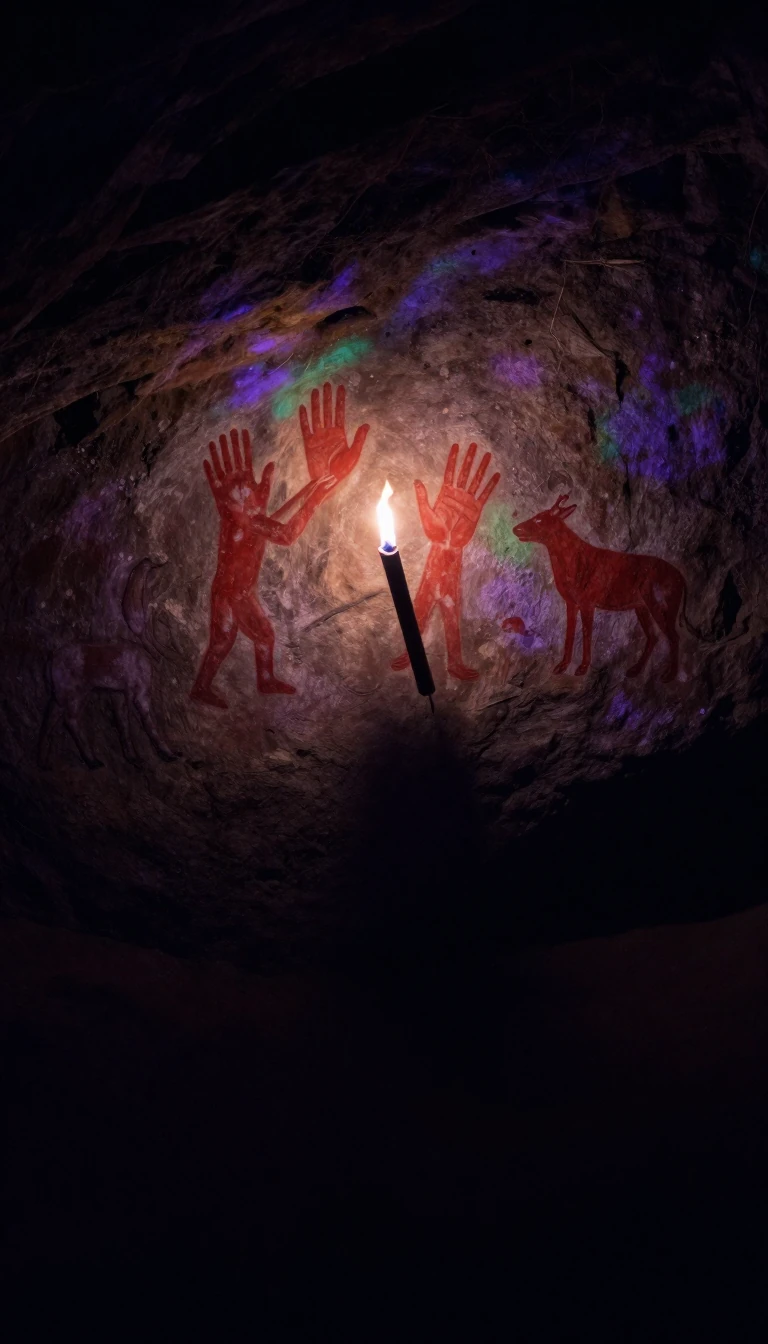 A miner's souvenir skull pushed back the origin of our species by 100,000 yearsIn 1961 a miner digging for baryte in Morocco pulled a skull from a cave wall and handed it to an engineer, who kept it as a keepsake. Decades later, finds from that same cave at …
 Jennifer Doudna nearly switched to French before co-inventing CRISPR gene editingAs a first-year chemistry student, Jennifer Doudna doubted she had what it took and considered majoring in French. Her French teacher told her to stick with science. Decades later…
 Kary Mullis dreamed up PCR on a night drive and got a 10,000 dollar bonusIn 1983, driving through the hills of Mendocino County, a chemist named Kary Mullis worked out how to copy a snippet of DNA over and over. The polymerase chain reaction split biol…
 A karyotype lines up every chromosome in a cell, and ours reveals an ancient fusionHumans carry one fewer pair of chromosomes than chimpanzees and other great apes. The reason is visible in a karyotype, the lined-up portrait of a cell's chromosomes: our chromoso…
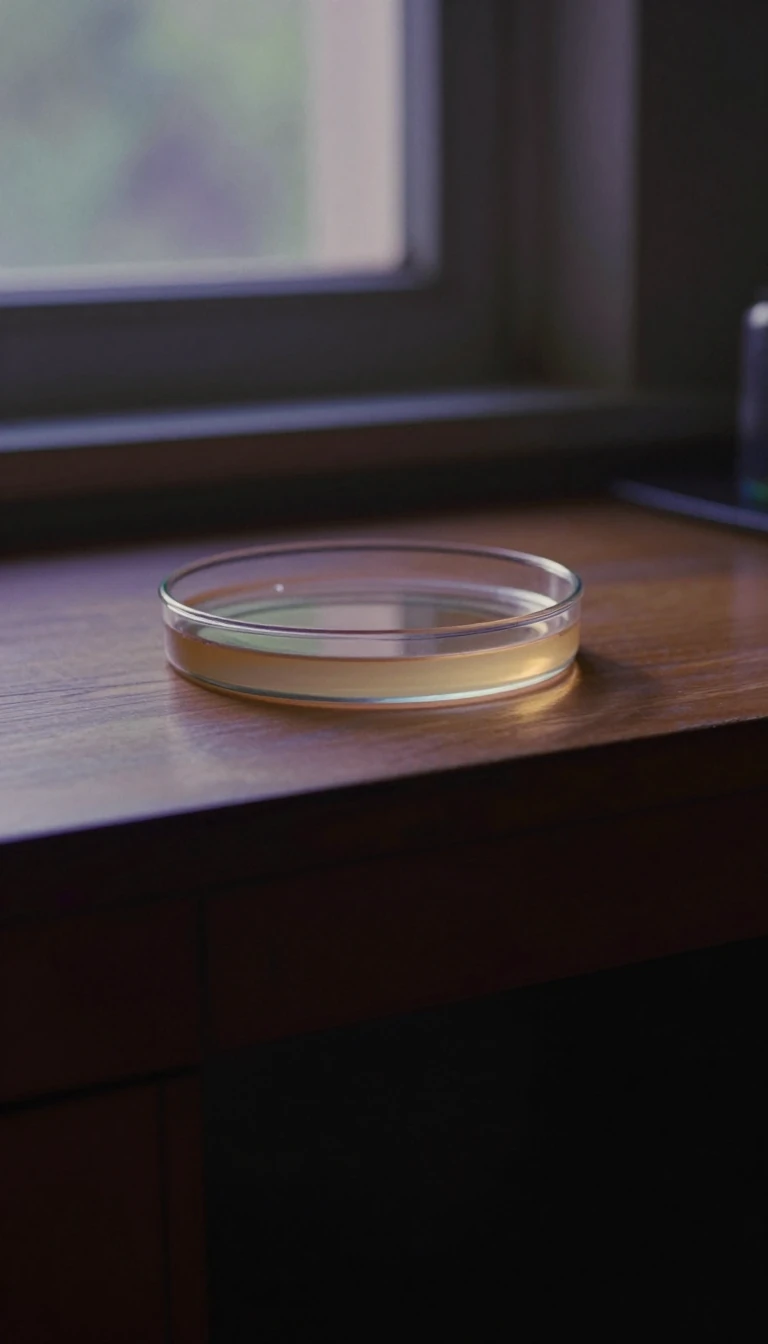 In glass: why test-tube results so often fail in living bodiesIn vitro is Latin for in glass, a nod to the test tubes, flasks and Petri dishes where biologists pull cells and molecules out of the body to study them. The approach cracked open…
 Four genes can wind an adult skin cell back to an embryonic stateIn 2006, two researchers in Kyoto took ordinary mouse skin cells, added four genes, and turned them into cells able to become almost any tissue in the body. Shinya Yamanaka shared…
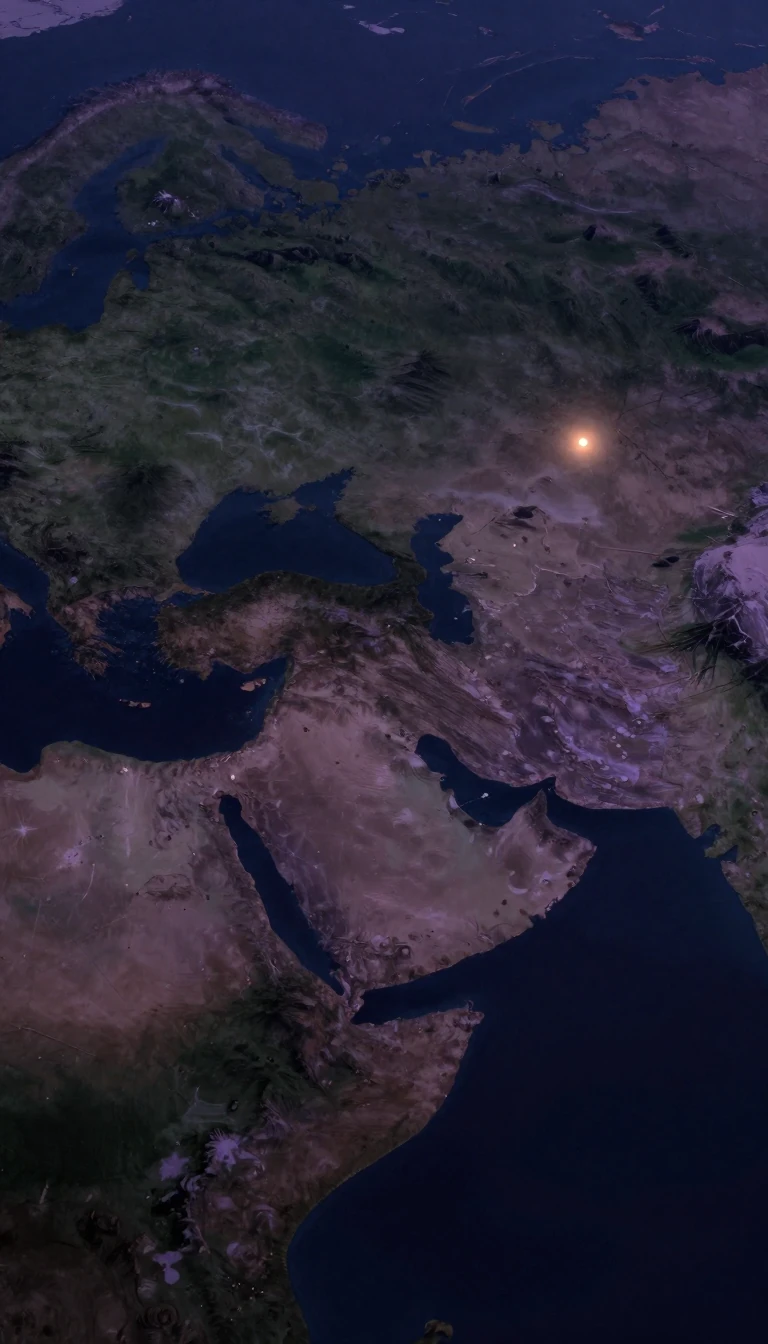 Most people alive today carry a little Neanderthal in their DNAFor decades the textbook story said modern humans left Africa and simply replaced the Neanderthals. Then, on 7 May 2010, a draft Neanderthal genome showed that the two had interbr…
- Table salt holds together because sodium gives away an electronDrop sodium and chlorine together and each sodium atom hands one electron to a chlorine atom. The result is two ions of opposite charge, pulled together so strongly that they stac…
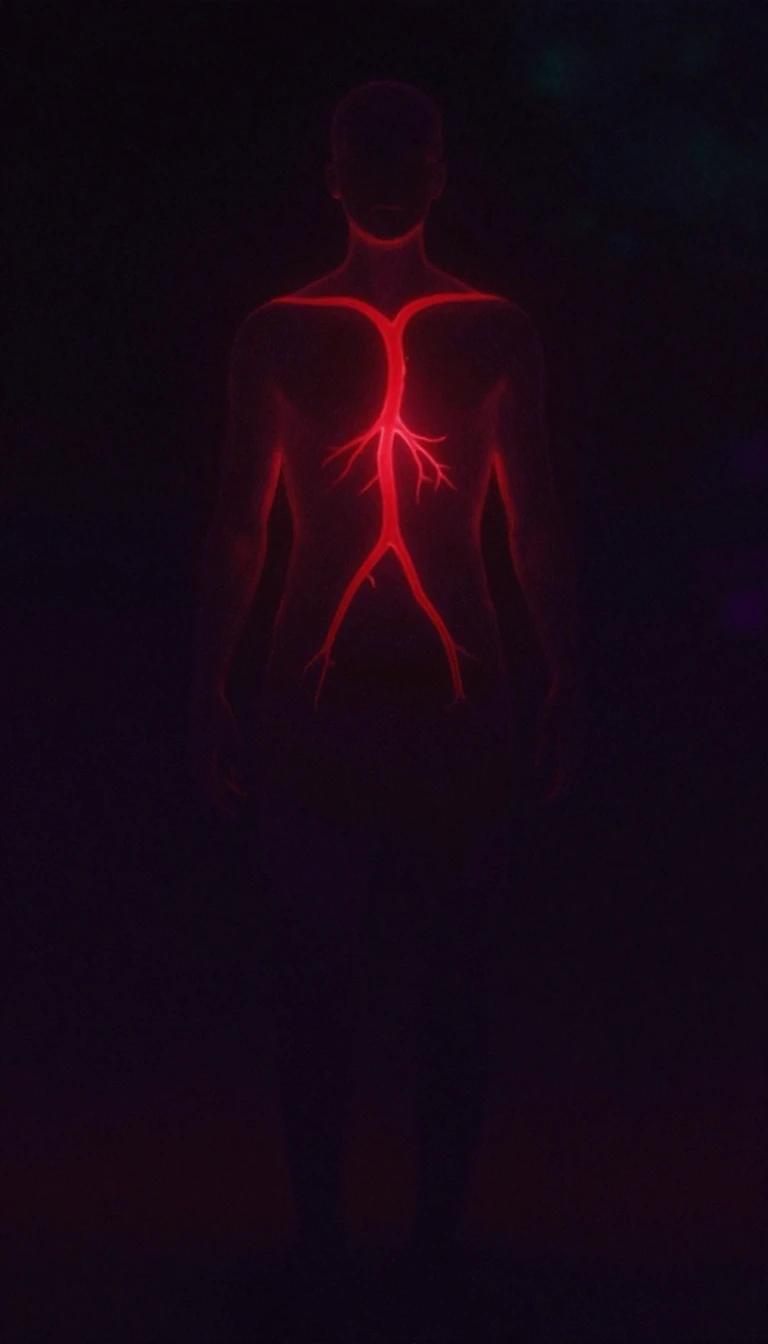 When blood stops reaching tissue, restoring it can cause fresh harmIschemia means a part of the body is not getting enough blood. Oxygen runs short, nutrients stop arriving and waste piles up. Strangely, when the flow comes back, the returning bl…