 Intellect Plus
Human body & genes
387 cards. Each one is a 40-second story with a five-minute read behind it. Page 2 of 7.
 When your body's wiring fails: understanding the progressive nature of motor neuron diseasesMotor neuron diseases are a group of disorders that systematically dismantle the communication lines between your brain and muscles. By destroying the nerve cells responsible for …
 How a century of political struggle built the world’s largest African-American history museum.The National Museum of African American History and Culture was not an overnight success. From its 1915 origins to its 2016 opening, the project survived decades of congressional …
 Are brain boosters actually smart, or just a multi-billion dollar marketing scam?Nootropics promise to sharpen memory, focus, and self-control, yet the science often falls short. While some prescription stimulants show cognitive benefits in specific contexts, …
 Why the legal definition of obscenity remains as elusive as beauty itselfObscenity is a legal concept that shifts with the times, often blurring the line between moral protection and political repression. From the Roman Inquisition to modern Supreme Co…
 When your blood becomes too thick: understanding the risks of erythrocytosisErythrocytosis occurs when your blood contains an abnormally high concentration of red blood cells. This thickening makes blood flow sluggish, potentially leading to serious compl…
- Pregabalin is a versatile nerve medication, but its misuse carries significant hidden respiratory risks.Often prescribed for nerve pain and anxiety, pregabalin acts on calcium channels rather than GABA receptors. While it offers relief for conditions like fibromyalgia and epilepsy, …
 Renal cell carcinoma is often a silent disease discovered only by accidentRenal cell carcinoma accounts for over 90% of kidney cancers, yet it frequently remains asymptomatic in its early stages. Many cases are detected incidentally during routine exams…
 Why your legs feel like they have a mind of their own at nightRestless legs syndrome creates an overwhelming, often painful urge to move your limbs, typically worsening when you are trying to rest. While there is no known cure, understanding…
 Is the celebrated red wine compound actually a miracle molecule or just hype?Resveratrol, the polyphenol found in grape skins and red wine, is widely touted for its potential to fight cancer, protect the heart, and extend life. Yet, despite its popularity …
- The Shetland Sheepdog is not just a miniature version of the Rough CollieWhile they look like pocket-sized Rough Collies, the Shetland Sheepdog has a complex, distinct ancestry. Far from being a simple product of selective downsizing, this hardy breed …
 Are humans monkeys? The surprising science of the simian family treeYou share more than just a passing resemblance with a spider monkey. As members of the infraorder Simiiformes, humans are biologically grouped alongside all monkeys and apes. This…
 Did a Hollywood film about a math teacher simplify the reality of student success?The 1988 film Stand and Deliver immortalized Jaime Escalante, the teacher who guided East Los Angeles students to master calculus. While the movie celebrates this triumph, the rea…
 Born from urban unrest, SWAT teams evolved from specialized units into a standard police resource.Originally formed in the 1960s to manage riots and barricaded gunmen, SWAT teams have expanded from rare tactical interventions to nearly 80,000 annual deployments by 2015. While …
 Why a genetic blood disorder once offered humans a survival advantage against malariaThalassemia is an inherited blood disorder that disrupts hemoglobin production, often causing severe anemia. While it poses significant health challenges, the genetic variations b…
 Transgender history spans millennia, yet our modern understanding is a recent development.Gender-variant roles have existed across global cultures for thousands of years, from ancient Egypt to Indigenous North American societies. However, the contemporary concept of be…
 Why science struggles to classify the study of unidentified flying objects as legitimate researchUfology sits in an uncomfortable space between grassroots investigation and mainstream skepticism. While governments have historically funded studies into aerial phenomena, the fi…
 How a City of Steel Built a World-Class University Through Penny DonationsThe University of Sheffield stands today as a global research powerhouse, but its origins are rooted in the collective ambition of a working-class city. In 1904, local steelworker…
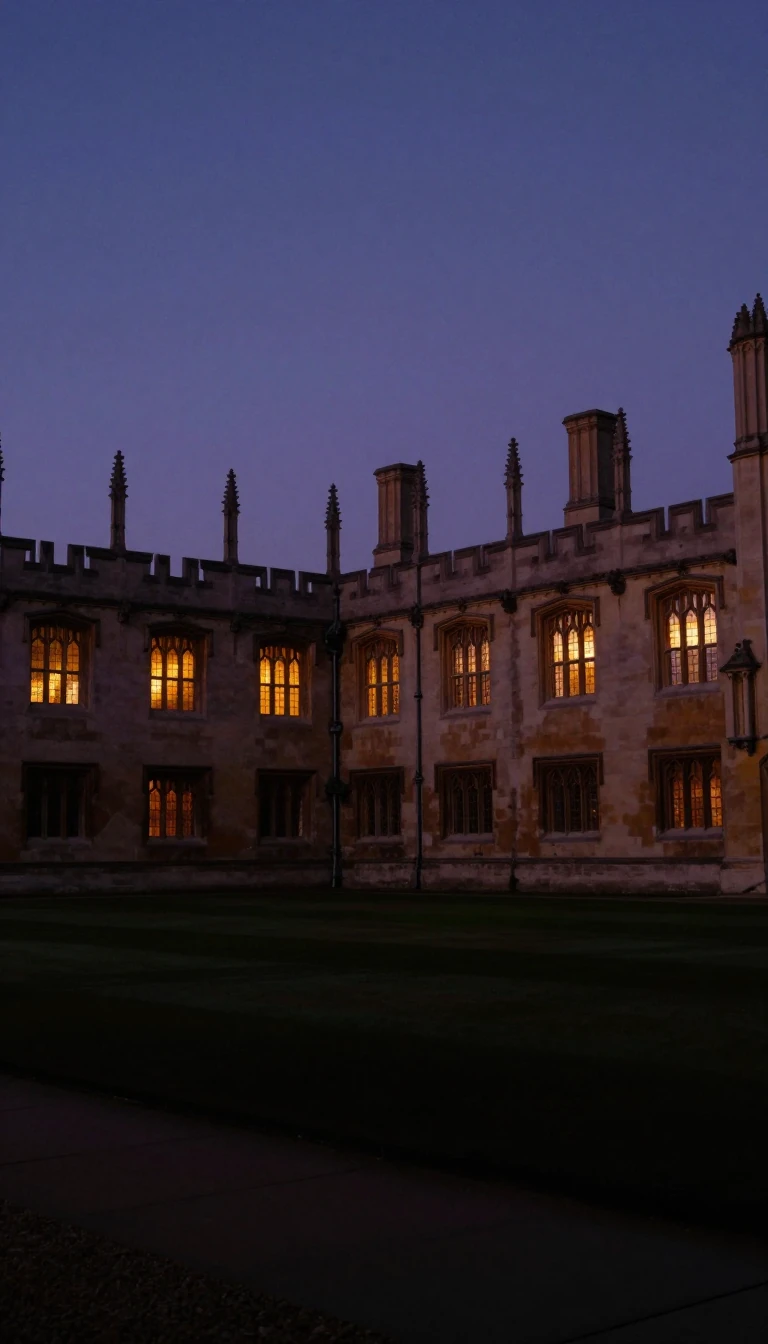 From a Victorian science exhibition to a modern global university in central LondonThe University of Westminster began in 1838 as the Royal Polytechnic Institution, a hub for public scientific demonstrations and technical education. Today, it stands as a major a…
 How the University of Winchester is shaping the future of professional success and inclusionRanked among the top ten UK universities for employability, Winchester blends a focus on career readiness with a deep commitment to social belonging. From teacher training excelle…
 The Wheel of the Year is a modern synthesis of ancient seasonal traditions.Often mistaken for an ancient, unbroken tradition, the eight-fold Wheel of the Year is a mid-20th-century creation. By blending four solar quarter days with four Celtic cross-quar…
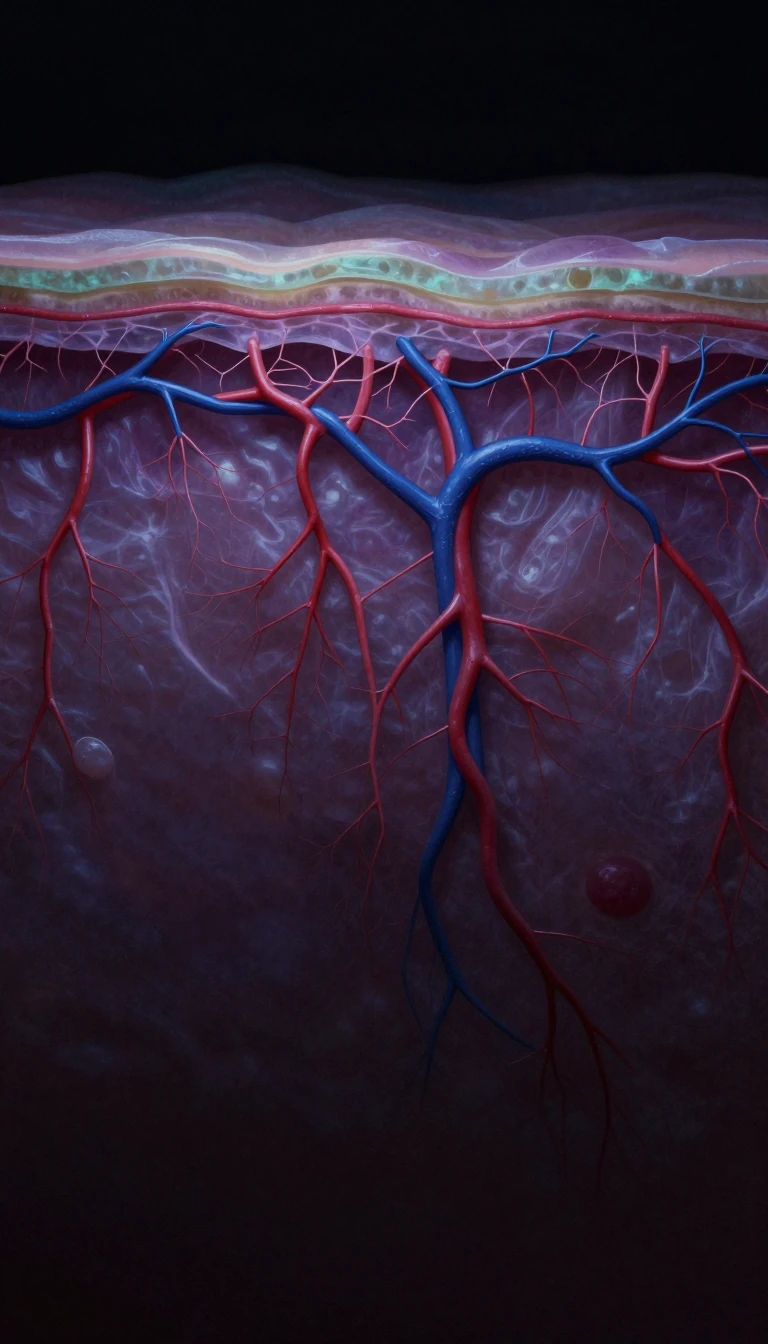 Your body repairs itself through a complex, overlapping sequence of biological eventsWhen skin is breached, a precise, multi-stage process initiates to restore the body's protective barrier. From the initial blood clot to the final remodeling of tissue, your cells…
 Was the ancestor of all life a single organism or a chaotic community?The Last Universal Common Ancestor, or LUCA, is the hypothesized root of all life on Earth. While we lack fossils, genetic analysis suggests this entity lived billions of years ag…
 How a common skin bacterium evolved into a dangerous, antibiotic-resistant global health threatStaphylococcus aureus lives harmlessly on most people, but it can turn deadly when it acquires specific genetic elements. By evolving resistance to life-saving antibiotics, these …
 From a single cell to a complex human: the first eight weeks of life.Human embryogenesis is a masterclass in biological coordination. Over eight weeks, a single fertilized zygote transforms into a complex organism with developing organs and distinc…
 For millions of years, North America was a continent entirely devoid of cats.Between 25 and 18.5 million years ago, the fossil record of North America hits a strange silence. After the extinction of the false-sabertoothed nimravids, the continent lacked an…
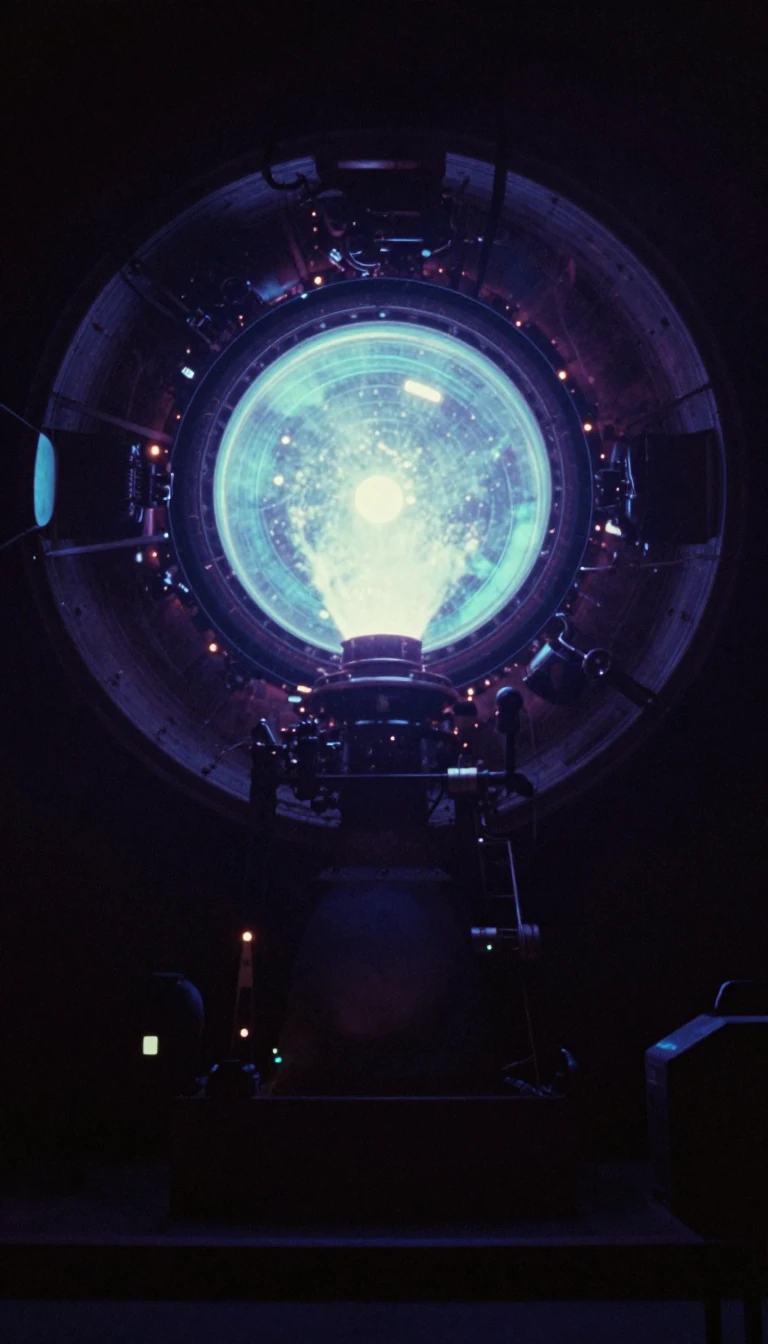 A criticality accident is an uncontrolled nuclear chain reaction, but never a nuclear explosion.When fissile material accidentally reaches critical mass, it releases a lethal burst of radiation. Witnesses often report a haunting blue glow and a sudden, inexplicable heat wave…
- Beyond a simple cushion, amniotic fluid is a complex biological engine for fetal development.Often dismissed as mere water, amniotic fluid is a dynamic, nutrient-rich environment that actively shapes a growing fetus. From facilitating lung maturation to providing a reserv…
 The opulent legacy of the Russian Tsar's most exquisite Easter giftsBeyond the glittering enamel and diamonds lies a history of imperial splendor, revolutionary upheaval, and staggering auction records. These jewelled eggs were more than mere orna…
 Did a mysterious, small-statured human species once inhabit the islands of the Philippines?Deep in the Callao Cave of Luzon, archaeologists discovered fossilized remains that defied easy classification. Initially mistaken for modern humans, these specimens revealed a pu…
 Is this mysterious early human a distinct species or just a larger male?Homo rudolfensis remains one of the most debated figures in human evolution. Discovered in Kenya, this archaic human lived about 2 million years ago, yet scientists still argue wh…
- Ehlers–Danlos syndrome is not just one condition, but a complex family of thirteen disorders.Often misunderstood as simple joint flexibility, Ehlers–Danlos syndrome encompasses thirteen distinct genetic conditions affecting connective tissue. While some forms are mild, ot…
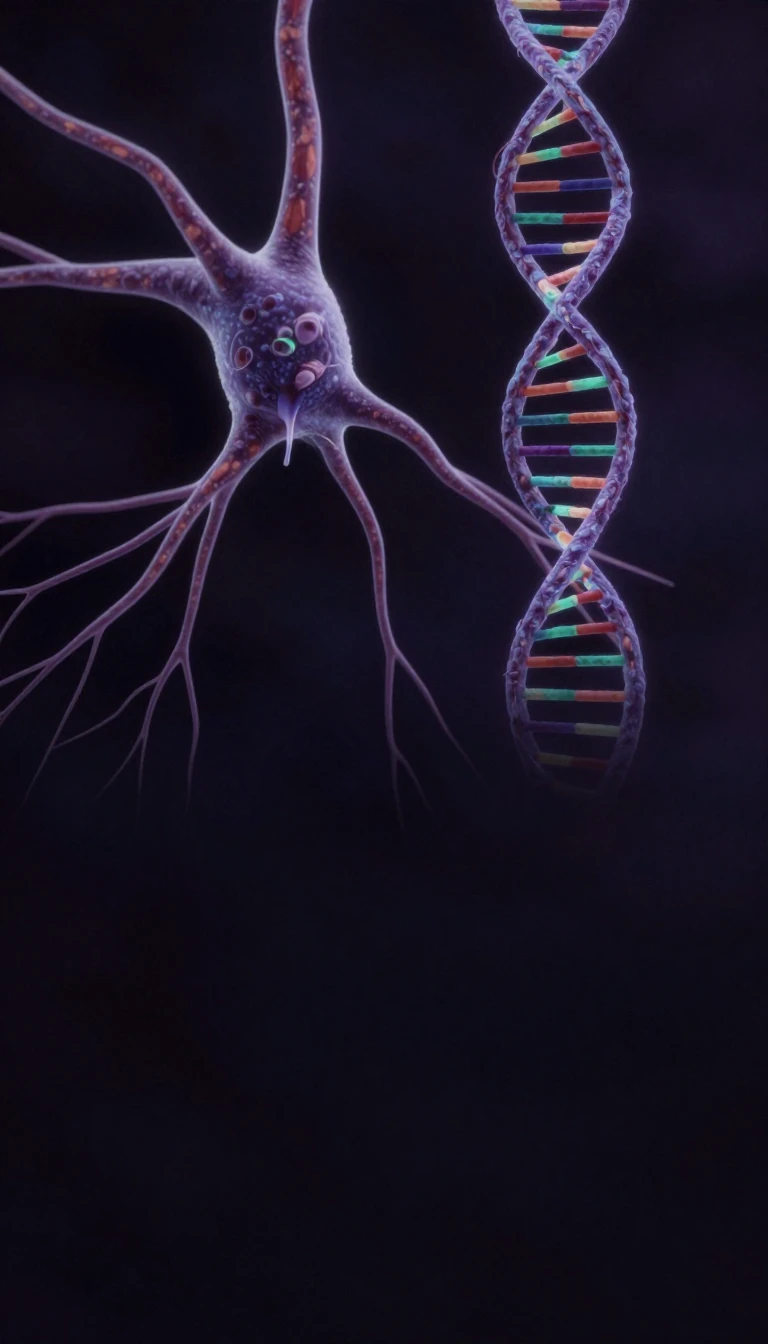 Your DNA is not just a static code but a dynamic, chemically modified instruction manual.Beyond the sequence of letters in your genome lies an invisible layer of control. By attaching chemical tags to specific sites, your cells can silence or activate genes without ch…
- Why your stomach acid is a vital barrier against dangerous bacterial infectionsYour stomach is an acidic fortress, maintaining a pH as low as 1 to neutralize pathogens. While modern medicine often suppresses this acid to treat discomfort, doing so may inadve…
 Chronic kidney disease is often silent, yet early detection can prevent total organ failure.Chronic kidney disease is a global health crisis that frequently goes undiagnosed until it is advanced. While often asymptomatic in its early stages, the condition is detectable t…
 These amphiphilic molecules are the fundamental building blocks of every cell membrane you possess.Phospholipids are the unsung architects of life, forming the fluid bilayers that define your cells. Beyond mere structure, these molecules act as dynamic signaling hubs, managing …
 Why this common household solvent is a secret weapon for DNA and solar cellsIsopropyl alcohol is far more than a simple disinfectant for your medicine cabinet. This versatile organic compound acts as a critical tool in everything from extracting genetic m…
 Lecithin: The Ancient Greek Yolk Derivative That Holds Our Modern World TogetherLecithin is a versatile fatty substance that does everything from stabilizing chocolate to preventing rust on industrial paint. Originally isolated from egg yolks in 1845, this am…
- Uremia is more than just kidney failure: it is a complex systemic poisoning.Uremia occurs when failing kidneys allow toxic waste products to accumulate in the blood. While often linked to renal failure, this condition triggers a cascade of systemic issues…
 Acute kidney injury is a sudden, dangerous decline in function that demands rapid intervention.Often striking hospital patients, acute kidney injury is a complex, multi-faceted condition that can lead to organ failure or death. While it was once known as acute renal failure…
 Why your body’s waste product might actually be a powerful cellular protectorBilirubin is often dismissed as a toxic byproduct of red blood cell destruction, responsible for the yellow hue of jaundice. Yet, this red-orange pigment may serve a vital, hidden…
 Can a common anti-nausea medication also help treat early-onset alcoholism?Ondansetron is best known for preventing vomiting after surgery or chemotherapy. Yet, researchers have discovered that this serotonin antagonist might also curb alcohol consumptio…
 Can a simple heart medication actually dampen the emotional sting of traumatic memories?Propranolol, a decades-old beta blocker, is famous for treating high blood pressure and heart conditions. Yet, its ability to cross the blood-brain barrier has sparked intense res…
 Beyond the rave, can MDMA rewire the brain to heal severe trauma?Known as ecstasy or molly, MDMA is a potent psychostimulant that triggers a unique blend of empathy and energy. While often associated with dance culture, recent clinical research…
 Can a simple grid really predict the genetic future of your offspring?The Punnett square is a classic biological tool designed to map out the probability of inherited traits. By organizing maternal and paternal alleles into a grid, it reveals the po…
 Why your blood type might be more than just a simple positive or negativeThe Rh blood group system is far more complex than a simple plus or minus sign. While we often focus on the D antigen, this system involves over 50 distinct antigens and a fascina…
- Laparotomy is the foundational surgical incision for accessing the human abdominal cavity and organs.A laparotomy is a surgical incision through the abdominal wall, providing direct access to organs from the stomach to the kidneys. Whether used to diagnose unknown conditions or p…
- How a controversial clothing brand built an empire on provocative ads and vertical integration.Founded in 1989, American Apparel became a cultural phenomenon by rejecting outsourcing in favor of a centralized Los Angeles factory. While its "sweatshop-free" marketing and sex…
- How a London rapper turned drill music into a global commercial phenomenonCentral Cee rose from Shepherd's Bush to become a leading figure in UK rap, breaking records for streaming and chart performance. By blending melodic drill with a distinct persona…
 Dimethyltryptamine is an endogenous compound that acts as an agonist for the sigma-1 receptor.Known for its rapid onset and intense, dream-like visual displays, dimethyltryptamine (DMT) is a potent psychedelic found naturally in many plants and animals. While often studied…
- How a Los Angeles neighborhood transformed from a military outpost into a residential enclave.Brentwood began as a small community serving a 600-acre home for disabled soldiers in the 1880s. Today, this Westside district is defined by its dramatic topography, high-end comm…
 When scientists encounter a creature that defies classification, they label it incertae sedis.In the rigid world of biological taxonomy, where every organism must find its place on the tree of life, some species refuse to fit. Known as incertae sedis, these enigmatic taxa …
 How Indiana University transforms academic research into global, life-saving medical and technological breakthroughsIndiana University is a massive research engine, operating across nine campuses with over 930 academic programs. By bridging the gap between theoretical study and real-world appli…
 Your upper arm bone is a complex anchor for thirteen different muscles and nerves.The humerus is far more than just a simple strut in your arm. This long bone acts as a critical bridge between your shoulder and elbow, serving as an essential attachment point fo…
 Why your body is a living museum of discarded evolutionary blueprintsHumans carry over 100 vestigial anomalies, remnants of an ancient past that no longer serve their original purpose. From muscles that once swiveled ears to reflexes meant for clin…
 Huntington's disease is an inherited condition that slowly alters movement, memory, and personality.Huntington's disease is a progressive genetic condition that typically emerges in adulthood. It causes gradual damage to specific brain regions, leading to involuntary movements, …
 From beetle defense to skin lightening: the versatile chemistry of hydroquinoneHydroquinone is a chemical chameleon. It powers black-and-white photography, stabilizes plastics, and serves as a potent skin-lightening agent. Yet, this same compound is also a d…
 Could life exist without carbon or water? Scientists explore the limits of biology.Every known organism on Earth relies on carbon and water to function. But are these ingredients essential for life, or just a local preference? Researchers are investigating wheth…
- Your skin is a complex, living organ that constantly renews its own protective barrier.As the body's largest organ, skin does far more than hold you together. It is a dynamic, three-layered system that regulates temperature, shields you from infection, and processes…
 Why defining what it means to be human remains a scientific battleground today.We are the only surviving members of the genus Homo, yet our place in the tree of life is surprisingly unstable. While Carolus Linnaeus named us Homo sapiens in 1758, modern scien…
- The anus is a masterpiece of biological engineering designed to maintain human continence daily.The anus is far more than a simple exit point. It is a complex anatomical structure featuring two distinct muscular rings that operate under different nervous systems. This sophis…