 Intellect Plus
Human body & genes
387 cards. Each one is a 40-second story with a five-minute read behind it. Page 3 of 7.
 Why the best computer interfaces are designed to feel like a human conversationHuman-computer interaction is not just about buttons and screens. It is a multidisciplinary field that treats technology as a partner in an open-ended dialogue. By blending cognit…
 Why the human head is more than just a container for the brainThe human head is a marvel of biological engineering, housing our primary sensory organs and a complex nervous system. Beyond its role as a command center, it serves as a canvas f…
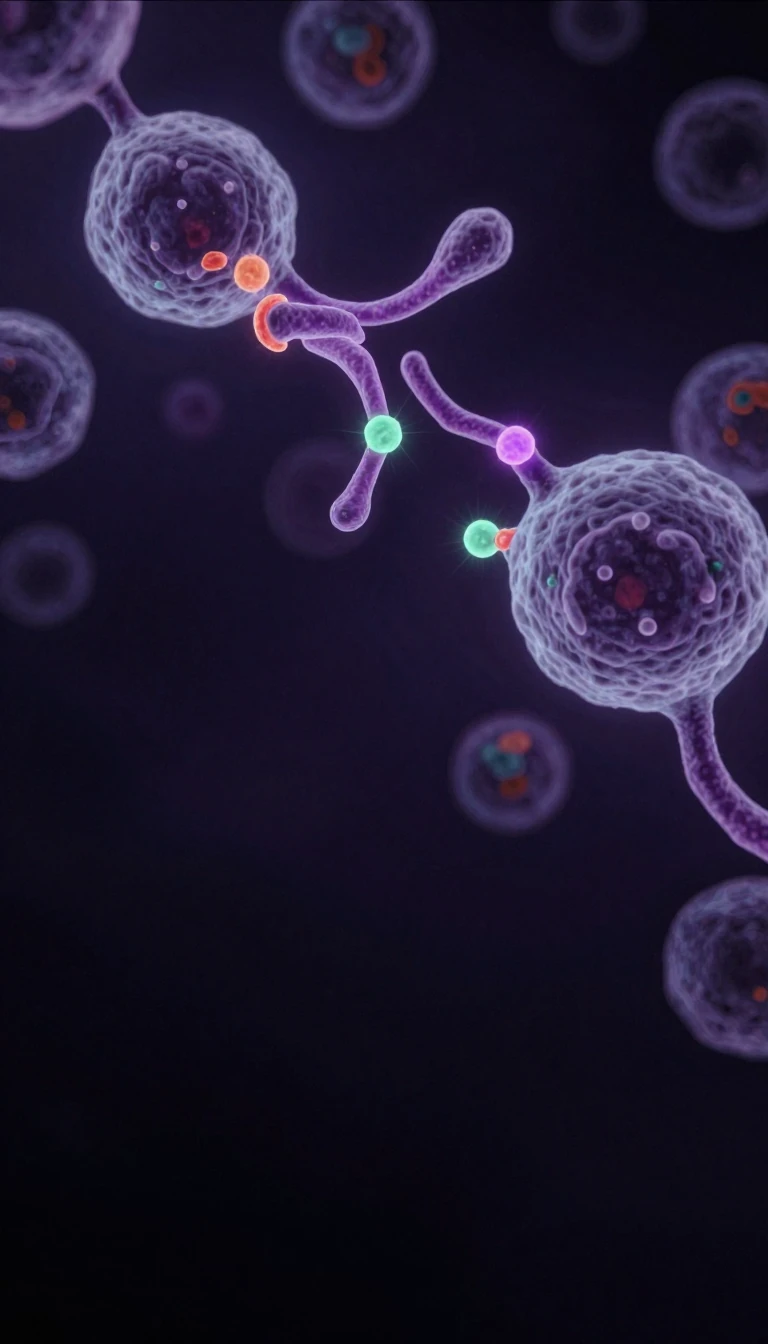 Your immune system uses a unique molecular ID card to distinguish self from invader.The Human Leukocyte Antigen system is a complex of over 200 genes that act as the body's primary defense gatekeeper. By displaying protein fragments on the surface of your cells, …
 The human nose is a complex biological machine for breathing, smelling, and speaking.Beyond its role in scent, your nose is a sophisticated air-conditioning system. It warms, moistens, and filters every breath you take while acting as a resonance chamber for your …
 The Homininae subfamily reveals our deep, shared history with gorillas and chimpanzeesHumans are not separate from the great apes; we are part of the Homininae subfamily. This group includes humans, chimpanzees, bonobos, and gorillas. By examining our shared evolut…
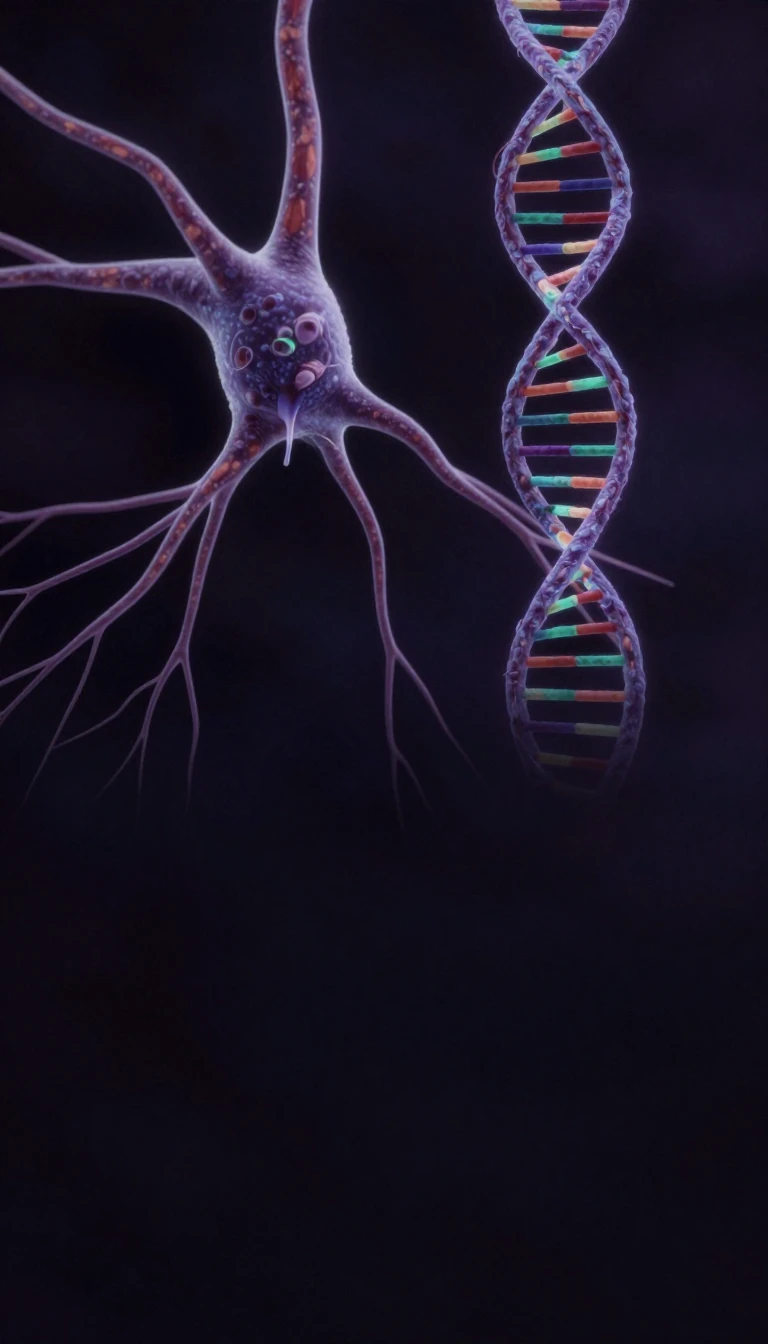 Life is not a simple family tree, but a tangled web of shared DNA.We usually think of evolution as a vertical descent from parent to offspring. Yet, horizontal gene transfer allows organisms to swap genetic material across species lines. This pr…
 Was Homo ergaster the first human ancestor to truly resemble modern people?Homo ergaster, or the workman, represents a pivotal shift in our evolutionary history. Tall, slender, and likely hairless, these early humans moved across African savannahs with a…
 Why your arm, a whale's flipper, and a bird's wing are the same organIn biology, homology reveals that diverse structures across species often share a common evolutionary origin. Whether it is the bones in a human hand or the wing of a bat, these f…
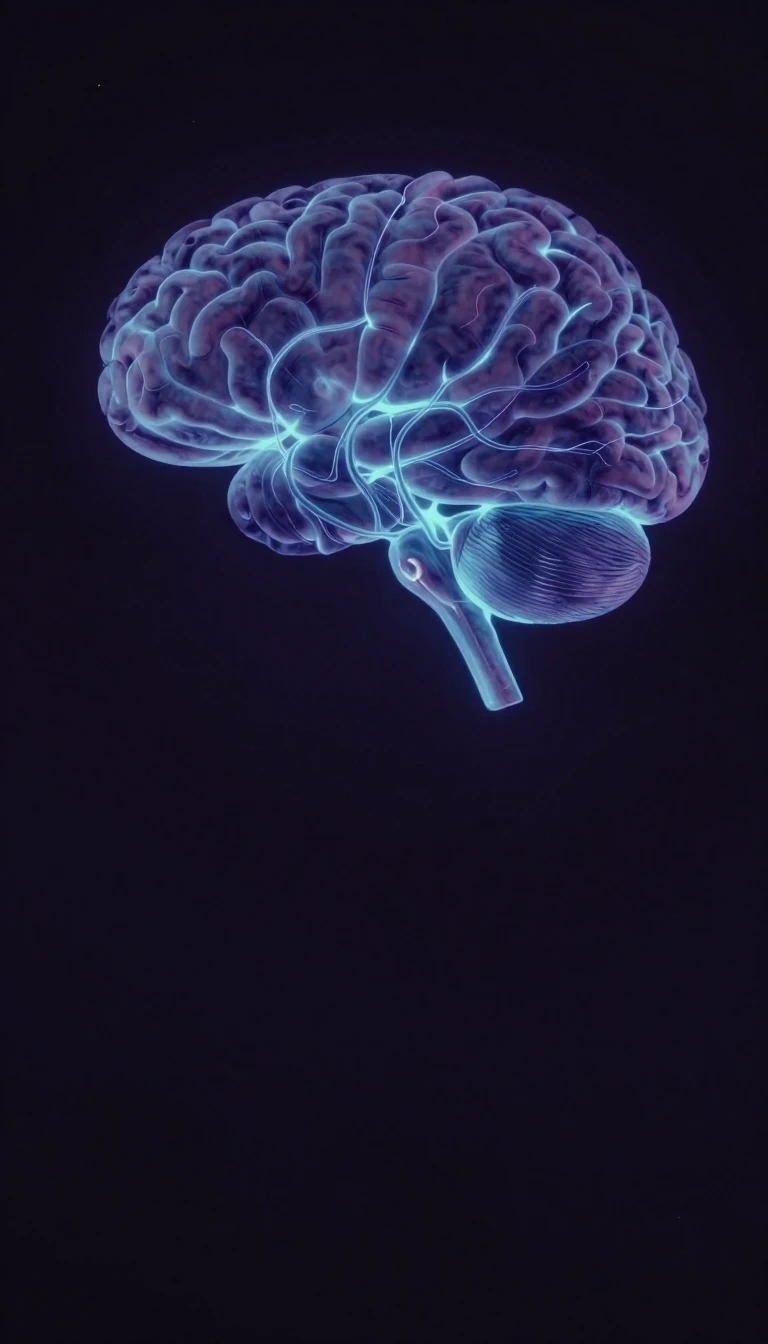 The distorted little man in your brain is a beautiful, persistent scientific mythFor decades, neuroscience textbooks have featured a grotesque, disproportionate figure known as the cortical homunculus. This 'little man' was meant to map how our brain perceives…
 The reckless experiment that brought the world’s first CRISPR-edited human babies into existenceIn late 2018, the scientific community was blindsided by a revelation: a researcher had used CRISPR technology to modify human embryos, resulting in the birth of twin girls. This …
 How a village boy educated under a tree decoded the language of lifeHar Gobind Khorana rose from a remote village in British India to win the 1968 Nobel Prize. By synthesizing RNA chains and cracking the genetic code, he revealed how cells transla…
 Lynch syndrome is the most common genetic predisposition to cancer, yet often goes undiagnosed.Lynch syndrome, or HNPCC, is an inherited condition that significantly elevates the risk of colorectal and endometrial cancers. Caused by mutations in DNA mismatch repair genes, i…
 High cholesterol is often silent, yet it silently builds dangerous blockages in your arteries.High cholesterol is a common condition where excess fatty substances circulate in your blood. Because it typically presents no symptoms, many people remain unaware of the risk unt…
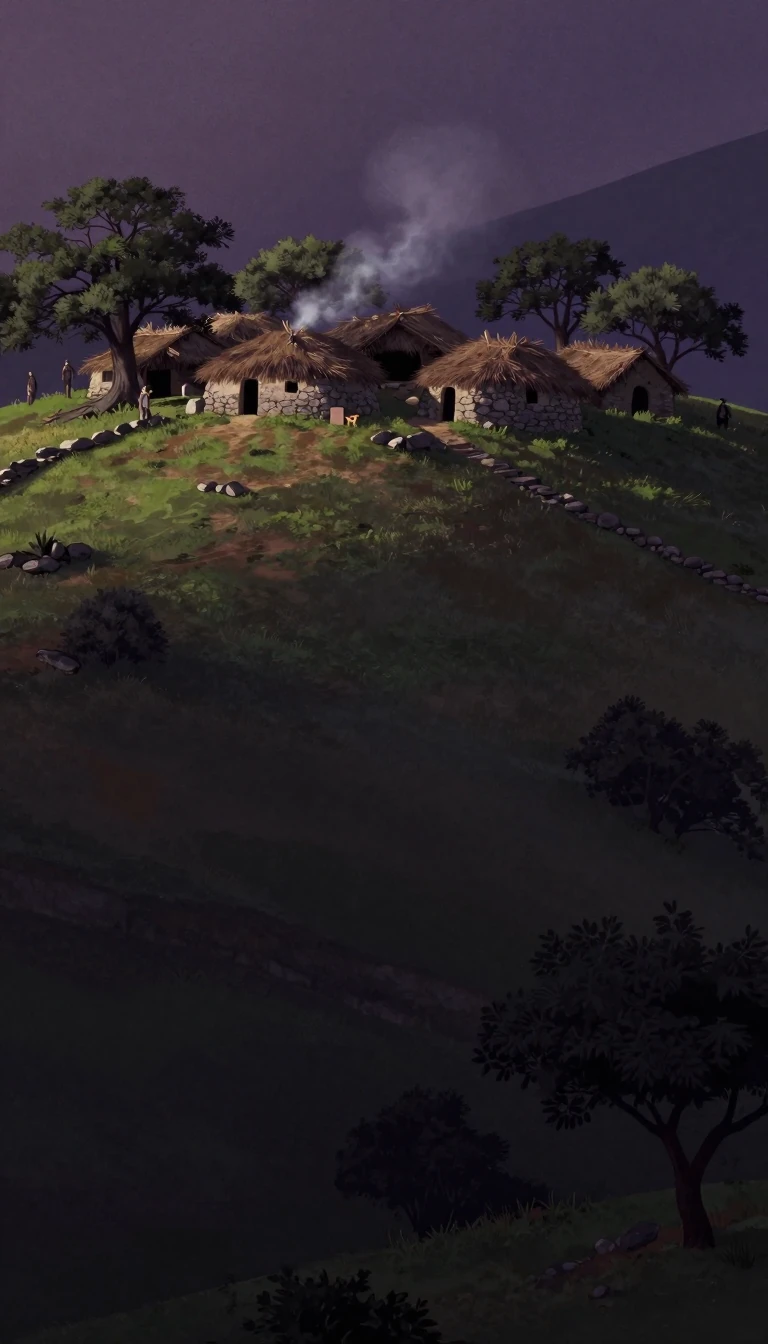 How did prehistoric humans survive the brutal cold of the European Ice Age?The Gravettian people thrived in a harsh, frozen landscape by mastering specialized hunting and innovative engineering. From mammoth-bone dwellings to advanced sewing needles, the…
 How your DNA acts as a permanent record of your deep ancestral lineageMost of your genetic material shuffles and mixes every generation, erasing your history. However, Y-DNA and mitochondrial DNA remain largely unchanged, acting as biological time c…
 How a 19th-century medical textbook became the definitive bible for modern surgeons and doctors.First published in 1858, Gray's Anatomy was designed as an affordable, accessible guide for medical students. It has since evolved into a massive, authoritative reference work, su…
 Why human hair removal is a complex dance of hygiene, status, and evolutionFrom ancient Egyptian priests to modern athletes, humans have spent millennia removing body hair. While often viewed through the lens of contemporary fashion, the practice is root…
 From ancient papyrus to modern surgery, the study of women's health has evolved significantly.Gynaecology, literally the study of women, traces its roots to ancient medical texts like the Kahun Gynaecological Papyrus. While once dominated by midwives, the field transformed…
 Haemophilia is a genetic disorder that prevents blood from clotting, causing dangerous internal bleeding.Haemophilia is an inherited condition that impairs the body's ability to form blood clots. While often associated with spontaneous joint and muscle bleeds, the severity varies sig…
 Why half-life is a game of probability rather than a fixed countdownWe often think of half-life as a precise clock, but it is actually a statistical prediction. While it describes the time required for a substance to reduce by half, it relies on t…
- Your genome is not just a blueprint; it is a sprawling, repetitive, and evolving landscape.While we often think of the genome as a precise instruction manual for building a human, it is actually a chaotic collection of functional genes, ancient viral remnants, and vast …
 Why medieval law once forbade marriage between a child and their own godparent.The role of the godparent began as a legal safeguard for adult converts, not infants. Over centuries, this spiritual bond became so legally potent that it created marriage barrier…
 Your body's ancient survival mechanism is still firing, even when there is no predator.The fight-or-flight response was designed to keep our ancestors alive when facing immediate, life-threatening danger. Today, this sympathetic nervous system reaction often trigger…
 New genomic data reveals the complex, hidden history of the first AmericansFor decades, the story of how the Americas were settled seemed straightforward. Now, high-coverage genome sequencing of 128 Indigenous individuals across eight Latin American coun…
- How the Industrial Revolution transformed iron from a rare luxury into a global commodityFor millennia, iron was a precious material, often more expensive than gold. The transition from charcoal-fired bloomeries to massive, coke-fueled furnaces and the Bessemer conver…
 Why the birds in your backyard are ancient survivors of the dinosaur ageFowl are not just farmyard staples; they are a resilient evolutionary lineage known as Galloanserae. Emerging 85 million years ago, these birds survived the mass extinction that c…
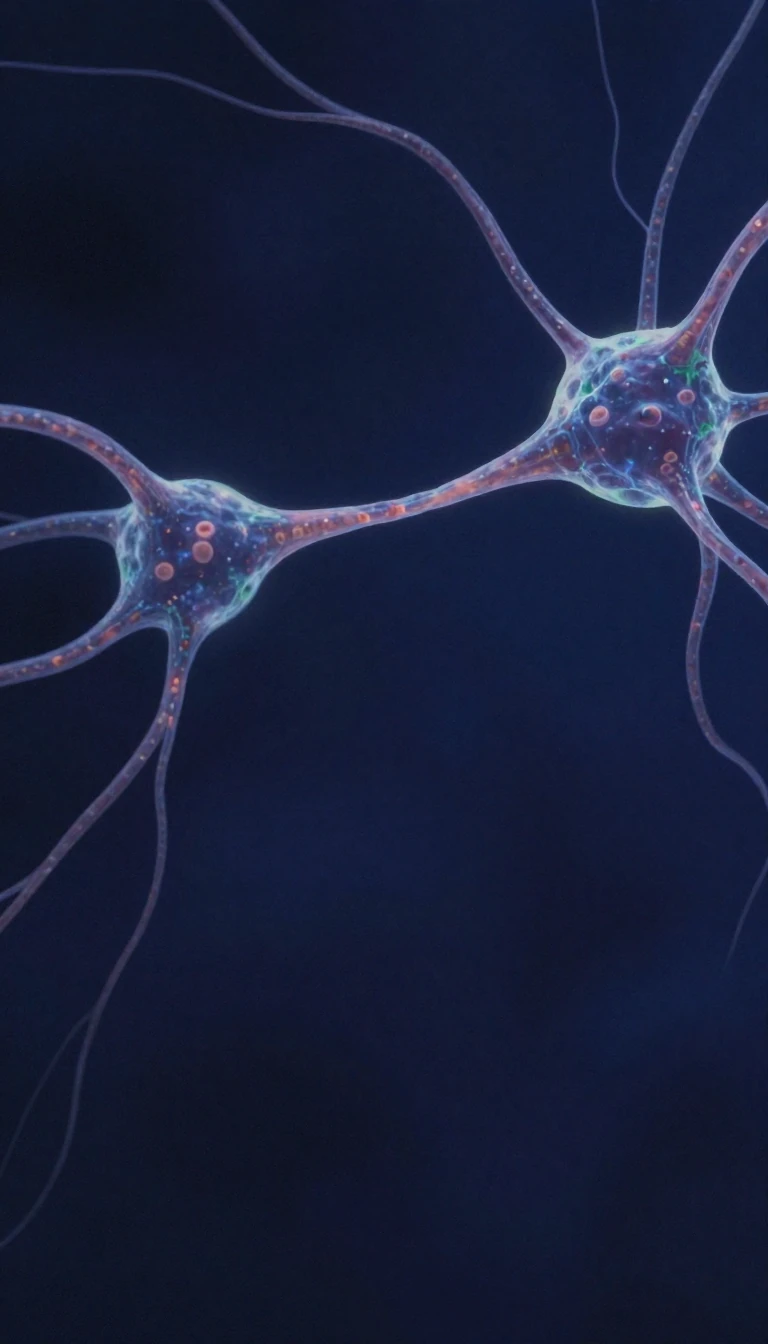 GABA is the brain's primary brake, but its role shifts as we grow up.Known as the chief inhibitory neurotransmitter in the mature mammalian brain, GABA acts as a chemical brake to reduce neuronal excitability. While it is famous for producing calmi…
 Are your genes destiny or just a set of instructions for your body?Genetic disorders arise when DNA mutations disrupt the proteins your body needs to function. While some conditions are inherited from parents, others emerge spontaneously during y…
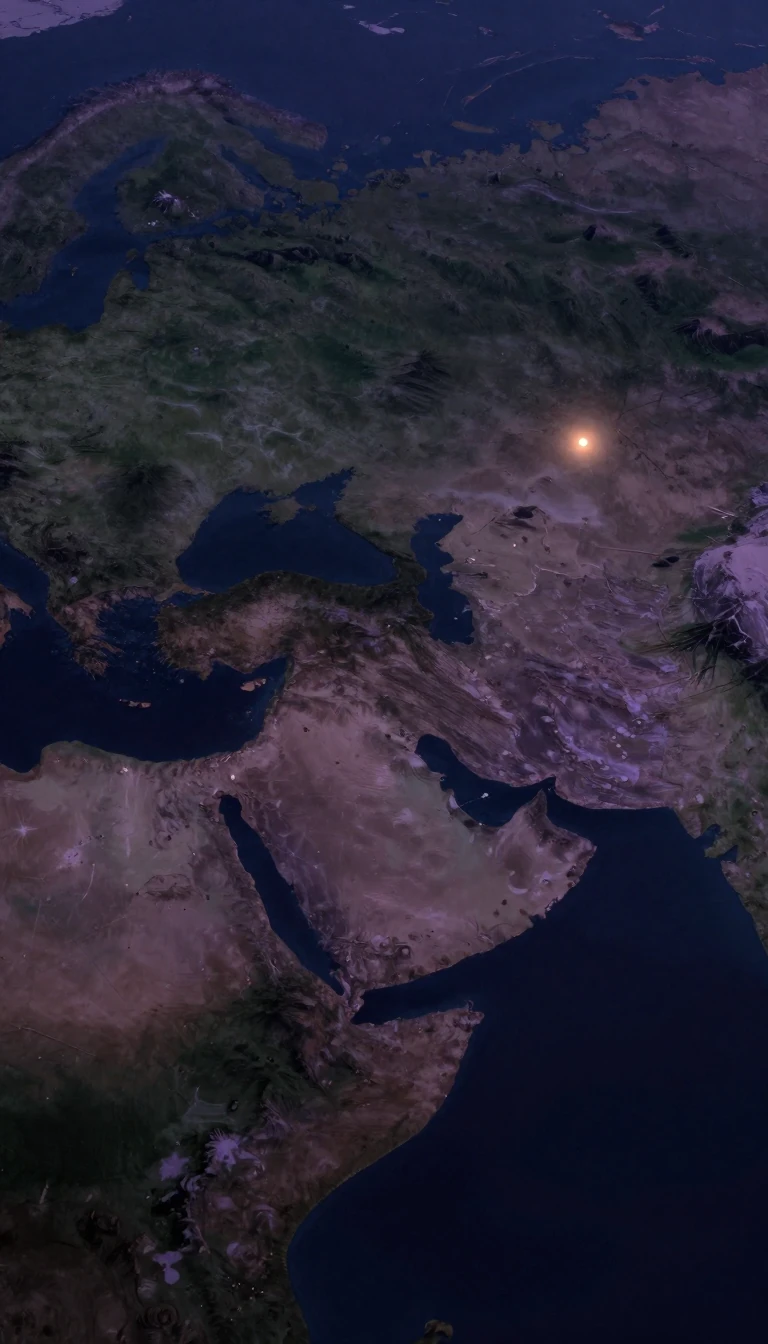 How new genealogical tree mapping is finally unlocking Europe's hidden medieval migration patternsTracing human movement in the first millennium is notoriously difficult because European populations are genetically very similar. Traditional methods often fail to distinguish be…
 Are Jewish populations genetically distinct, or are they a mosaic of their host regions?Genetic research reveals that Jewish communities worldwide share significant Middle Eastern ancestry, yet they are not a single biological prototype. Instead, these groups represe…
 Ejaculation is a complex biological reflex that functions in two distinct, involuntary stages.Ejaculation is more than a simple release; it is a sophisticated two-phase biological process driven by muscular contractions and spinal reflexes. While often associated with sexu…
 How a childhood accident led E.O. Wilson to become the world's leading ant expert.After losing sight in one eye during a fishing accident, E.O. Wilson pivoted from birds to insects. This shift launched a career that redefined biology, from his foundational work…
 Why exponential growth is not just rapid growth, but a specific mathematical ruleExponential growth is often mistaken for simple rapid expansion, but it is a precise mathematical relationship where a quantity's growth rate is directly proportional to its curre…
 The extracellular matrix is not just cellular glue; it is a dynamic biological architect.Long dismissed as passive scaffolding, the extracellular matrix is actually a complex, active network that dictates how cells grow, move, and heal. Far from being inert, this stru…
 Why your genes are not simply dominant or recessive, but a complex relative danceWe often learn that one gene variant masks another, creating a simple dominant or recessive trait. Yet, this is merely a relative effect between alleles. A single gene can be domi…
 Beyond bacterial infections: the versatile and widely used antibiotic known as doxycyclineDoxycycline is a staple in modern medicine, used for everything from clearing up stubborn acne to preventing malaria while traveling. While it is a powerful tool for fighting bact…
- Why the legal protection against being tried twice is not as absolute as imaginedDouble jeopardy prevents the state from prosecuting you twice for the same crime, but the rule is riddled with modern exceptions. From plea bargaining to retrials based on fresh e…
- DNA sequencing is the blueprint for life, revealing the code that builds every organism.DNA sequencing is the laboratory technique used to determine the exact order of nucleotides in a DNA molecule. By reading these four chemical bases—adenine, thymine, cytosine, and…
 Why a potent cancer drug discovered in Italian soil earned the name Red Devil.Doxorubicin is a cornerstone of modern chemotherapy, yet its clinical utility is shadowed by a severe, dose-dependent risk of heart failure. Known colloquially as the red devil du…
 Why this tiny fruit fly is the secret key to understanding human biologyDrosophila, the humble fruit fly, is a titan of modern science. Because they share 75% of human disease-producing genes and possess a surprisingly complex brain, these flies have …
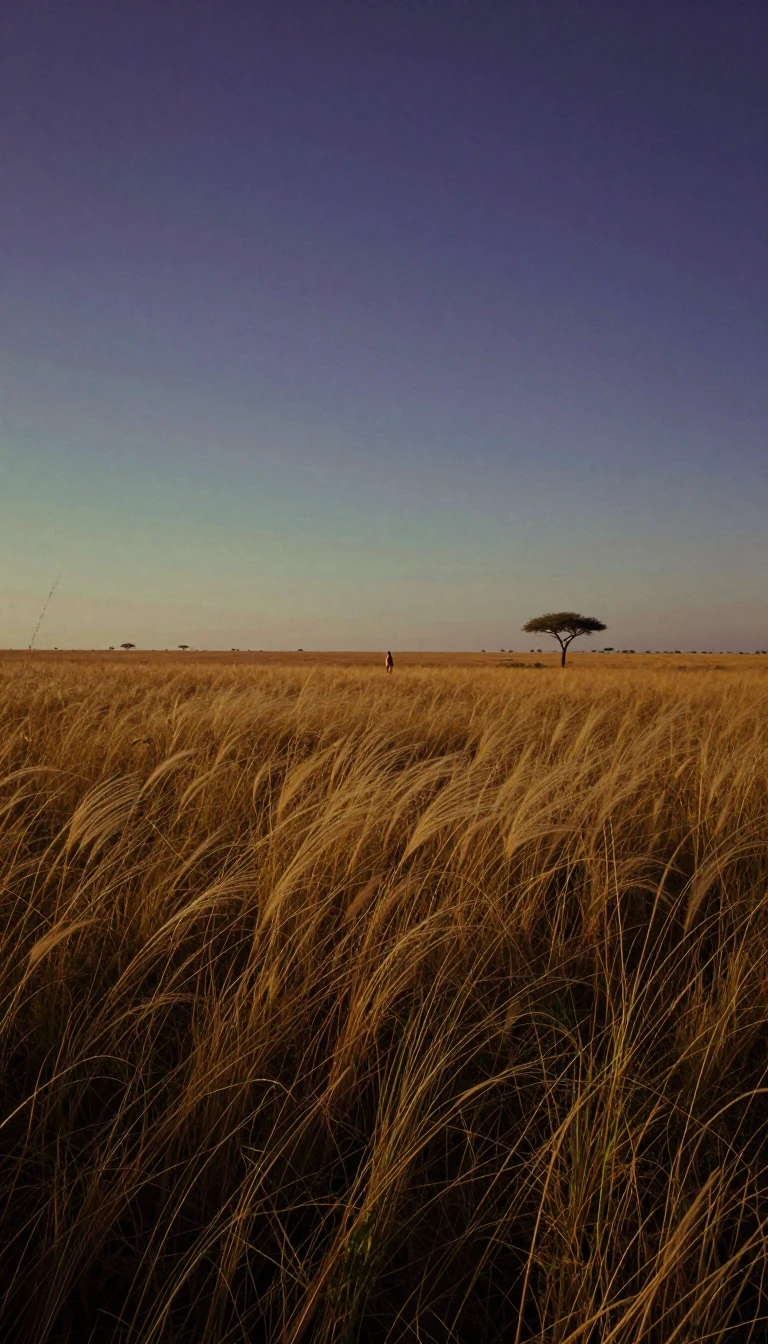 Dian Fossey transformed our understanding of mountain gorillas through decades of intense field research.As the world's foremost authority on mountain gorillas, American zoologist Dian Fossey spent twenty years living among these elusive primates in Rwanda. Her pioneering work at the…
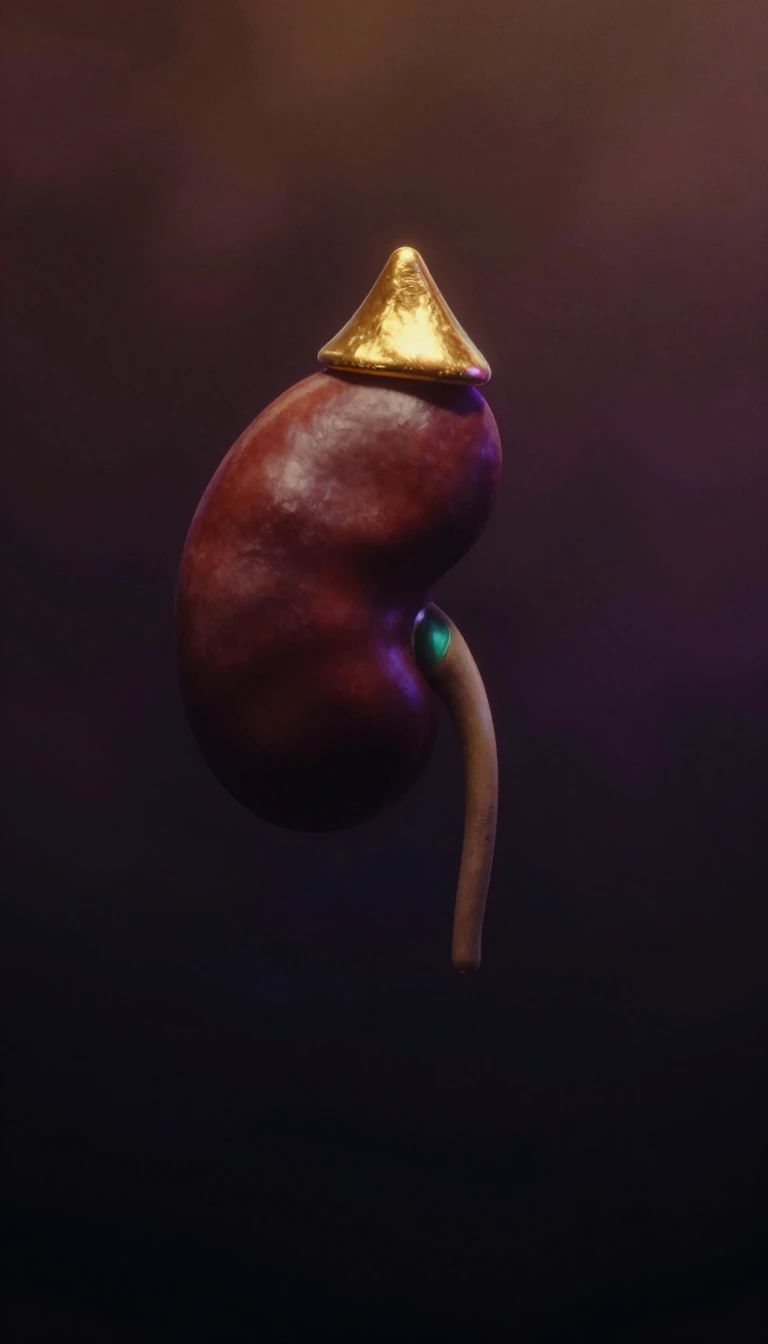 The vas deferens packs more muscle for its size than any other hollow organThe vas deferens is a narrow tube, only 2 to 3 millimetres wide yet 30 to 35 centimetres long in humans, that carries sperm away from the testis. Its thick wall holds more muscle …
 Plumbing made of dead cells let plants grow tall and conquer landA tree lifts water tens of metres without a pump, spending almost no energy, through pipes built from cells that are already dead. That internal plumbing defines the vascular plan…
 Nobody knows what Ice Age Venus figurines meant, including why we call them VenusMore than 200 small carved women survive from the last Ice Age, found from the Pyrenees to Siberia. Most have broad hips, tiny faceless heads and no feet. Their makers left no exp…
 Western gorillas snack on caffeine-laced nuts and throw sticks at intrudersWestern gorillas eat kola fruits and seeds that offer little protein but plenty of caffeine, and in Gabon some chew a shrub containing a hallucinogen. They usually flee from peopl…
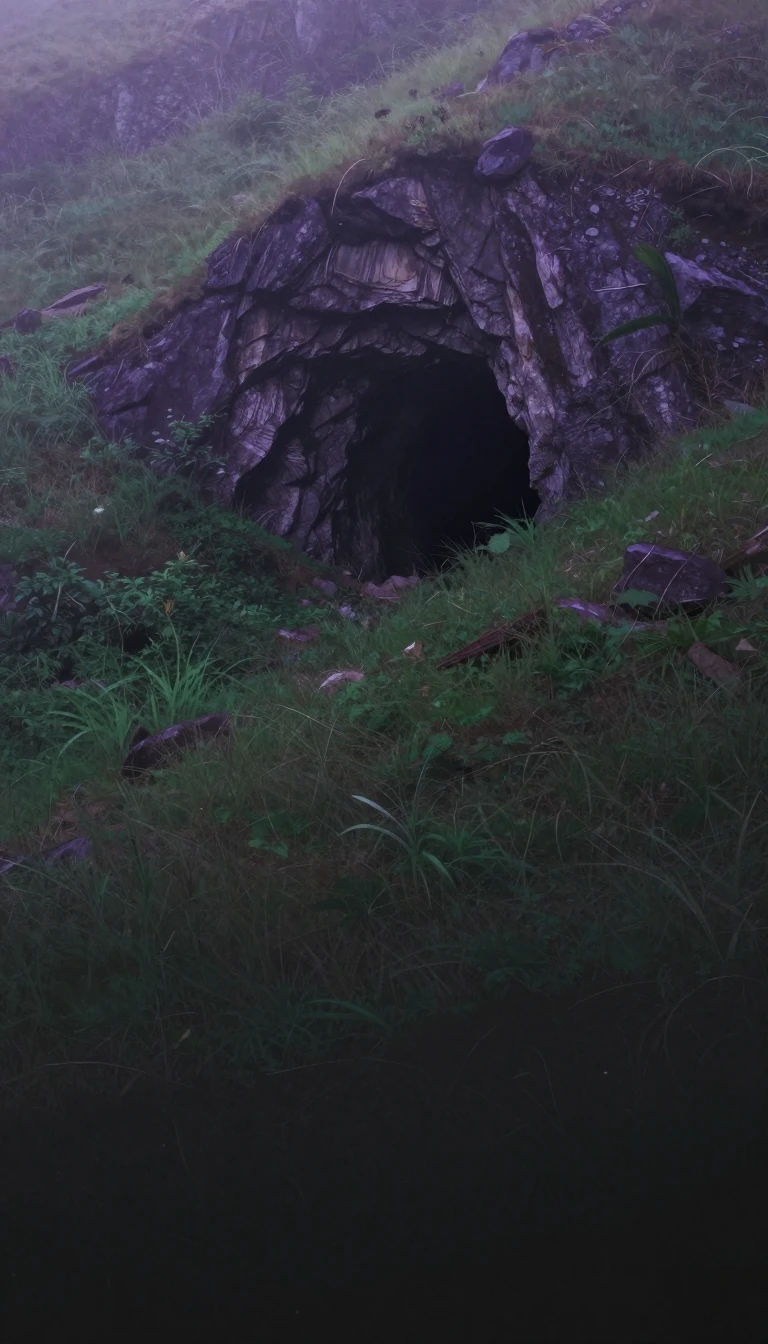 Europe's Ice Age hunters had dark skin, light eyes, and live on in modern DNAAfter the glaciers retreated, a population of hunters spread across Europe from Britain to the Carpathians. Ancient genomes suggest they probably had dark skin and pale eyes, lack…
 Uterine cancer is two different diseases, with very different outlooksWomb cancer covers two distinct illnesses. About nine in ten US cases start in the uterine lining and are often curable when caught early; a rarer kind grows from the muscle and s…
 The bilberry stains your tongue because its color runs right through the fruitBilberries look like small blueberries, but bite one and the flesh is dark too, not pale. The pigments soak through skin and pulp alike, which is why a handful turns hands, teeth …
- The Verge began when a group of Engadget writers walked out togetherIn spring 2011, editor Joshua Topolsky and a group of colleagues quit AOL's gadget blog Engadget to start something of their own. While the new site was being built, they kept the…
 Thermo Fisher grew into a lab giant by buying company after companyMost laboratories on Earth probably contain something from Thermo Fisher, whether a Nalgene bottle, an Invitrogen reagent or an electron microscope. The company behind them was bo…
- One missing X chromosome can leave fingerprints too faint for phone scannersSome women with Turner syndrome report that fingerprint sensors cannot read their fingertips. The ridges can be underdeveloped, likely a trace of fluid swelling before birth. It i…
 The ulna, the forearm bone that hooks your elbow into placeStraighten your arm fully and it stops dead rather than bending backwards. The brake is a hook of bone called the olecranon, the tip of the ulna, which slots into a pocket on the …
- Styrene, the building block of polystyrene, can turn into plastic by itselfLeave pure styrene warm and it starts linking into polystyrene with no help at all, releasing heat that speeds the reaction further. That runaway has caused tanker and factory exp…
 A wild orangutan named Rakus treated a facial wound with chewed leavesIn 2024, a wild Sumatran orangutan called Rakus was seen chewing leaves of the plant Fibraurea tinctoria and smearing the paste onto a wound on its face. Weeks later it appeared h…
- Before the 1920s, a suntan marked you as someone who laboured outdoorsA century ago in Europe and America, tanned skin signalled a labourer, and even beachgoers hid under parasols and long sleeves. Then Coco Chanel came home from the Riviera acciden…
 Sunburn's sting starts with damaged RNA, not damaged DNASunburned skin hurts under a warm shower because inflammation resets its heat sensors: a receptor that normally fires at about 43 degrees starts firing at 29. Research has also sh…
 The word supervolcano began as a throwaway line in a 1949 book reviewGeologists did not coin supervolcano in a landmark paper. It first appeared in 1949, when F. M. Byers Jr. reviewed a book about Oregon's ancient volcanoes and used it for a vanish…
 Fewer than 40 babies on record have been born with true tailsHumans lost their tails with the other apes, keeping only a small fused tailbone. Yet on fewer than 40 recorded occasions, a baby has arrived with a genuine tail containing verteb…
 Richard Dawkins admits The Selfish Gene might have been better called The Immortal GeneThe Selfish Gene is mostly about how cooperation and altruism evolve, yet its title convinced many people it championed greed. Richard Dawkins later conceded his editor Tom Maschl…
- New York was among the last states to build a public university systemNew York, home to elite private colleges for centuries, only created its state university in 1948. A commission had found that private institutions discriminated heavily and left …