 Intellect Plus
Society
7,726 cards. Each one is a 40-second story with a five-minute read behind it. Page 86 of 129.
Subtopics: Ancient · Basics · Charity & volunteering · Childhood · Communication · Contemporary · DIY & home improvement · Early modern · Education · Education & schools · Everyday inventions · Everyday life: General · Family and kinship · Family life · Family, kinship and interpersonal relationships · Generations · Hobbies & collecting · Home & housekeeping · Home living · Household items · Housing · International organizations · Journalists · Law · Law & justice · Law enforcement, intelligence, and security officials · Leisure & holidays · Mass media · Modern · Pets · Post-classical · Postal services · Public transport · Railways · Roads & driving · Social media & the internet · Socialites and favorites · Society · Society and social sciences: General · Sociology · Stages of life · UK & Ireland: life
 How the Second King of Bhutan Navigated Isolation and Modernity in a Changing WorldJigme Wangchuck ruled Bhutan from 1926 to 1952, a period defined by strict isolationism and internal reform. While he maintained a protective alliance with the British Raj, he sim…
 Why the man who moderated twelve presidential debates chose never to cast a vote.Jim Lehrer was a fixture of American political discourse, anchoring the PBS NewsHour for decades and moderating a dozen presidential debates. Yet, to preserve his professional neu…
 A captured emperor, a desperate succession, and the rise of a reluctant Ming rulerWhen the Ming Emperor Yingzong was captured by Mongols in 1449, his brother Zhu Qiyu was thrust onto the throne. Though initially a reluctant leader, his reign saw significant inf…
 A guerrilla leader turned president, João Bernardo Vieira was assassinated in a violent cycle.Known as Nino, João Bernardo Vieira rose from an electrician to a pivotal guerrilla commander in Guinea-Bissau's war for independence. His political career was defined by military…
 How a Rancher Became Brazil's Last Left-Wing President Before a Military CoupJoão Goulart, known as Jango, rose from a wealthy cattle rancher to Brazil's 24th president. A protégé of Getúlio Vargas, he navigated intense political polarization, labor strike…
 From guerrilla soldier to president, how João Lourenço navigated Angola's complex political landscape.Born into a nationalist family and hardened by the Angolan War of Independence, João Lourenço rose from a military-political officer to the presidency. His path was marked by stra…
 Joaquín Balaguer: The Blind Caudillo Who Shaped the Dominican Republic for Four DecadesJoaquín Balaguer served as president of the Dominican Republic across three non-consecutive eras, spanning from 1960 to 1996. A polarizing figure, he was simultaneously hailed as …
 How a revolutionary leader transformed Mozambique from a war-torn nation into a stable democracyJoaquim Chissano navigated Mozambique from the chaos of a sixteen-year civil war to a functioning democracy. By prioritizing reconciliation over retribution and voluntarily steppi…
 How a bankrupt merchant’s son single-handedly architected the modern Dutch parliamentary democracyJohan Rudolph Thorbecke was a brilliant, austere academic who transformed the Netherlands from an autocratic monarchy into a constitutional parliamentary system. By drafting the 1…
 How a lawyer from Canouan became the architect of Saint Lucia's independence and identity.Sir John Compton dominated Saint Lucian politics for over half a century. From his early days as a labor activist to his final term as prime minister at age 81, he steered the isl…
 How a wartime prime minister pivoted Australia from the British Empire to the United States.When Singapore fell in 1942, John Curtin realized Australia could no longer rely on Britain for protection. In a historic shift, he bypassed traditional imperial ties to forge a d…
 How a prairie lawyer’s string of failures forged Canada’s 13th prime ministerJohn Diefenbaker spent decades losing elections and battling party elites. Yet, this relentless outsider eventually secured the Progressive Conservative Party’s first victory in 2…
 John Garang: The Revolutionary Economist Who Nearly Unified a Fractured SudanJohn Garang was a PhD-holding economist who traded academia for the battlefield to lead the Sudan People's Liberation Army. His vision of a secular, multiethnic New Sudan challeng…
 How a self-described economic radical became Australia's second-longest serving prime ministerJohn Howard, a former commercial lawyer, led Australia for eleven years, reshaping the nation through free-market reforms and controversial social policies. From his early politic…
- Was John Hume a visionary architect of peace or a divisive nationalist leader?John Hume, a Nobel laureate and key architect of the Good Friday Agreement, remains a polarizing figure. While celebrated for steering republicans toward democracy, critics argue …
 John II of France tried to professionalize his army, but his nobles refused.Inheriting a kingdom shattered by the Black Death and English aggression, John II attempted a radical military overhaul in 1351. His comprehensive ordinances sought to replace cha…
- How a rejected marriage proposal shaped the global reach of the Portuguese EmpireWhen John III of Portugal was spurned by his intended bride, who married his father instead, the young prince retreated into a fervent, melancholic piety. This personal trauma hel…
 The Founding Father who helped build the nation but refused to sign its birth certificate.John Jay was a pivotal architect of the American system, yet he initially sought reconciliation with Britain, even retiring from Congress rather than signing the Declaration of In…
 The Texas power broker who transformed the American vice presidency from ceremonial to essential.John Nance Garner was a hard-boiled conservative who wielded immense legislative influence. As Franklin D. Roosevelt's vice president, he broke the mold of the office, using his d…
 John Pilger: The Crusading Journalist Who Shaped Public Opinion Through High-Stakes Documentary FilmmakingJohn Pilger was a polarizing force in journalism, celebrated for exposing human rights abuses and condemned for his aggressive, often controversial methods. From the Cambodian gen…
 How a Victorian photographer turned street life into the foundation of modern photojournalismJohn Thomson was a pioneering Scottish photographer who captured the Far East before returning to London to document the city's impoverished street people. By pairing his images w…
 The Editor Who Built Modern Science Fiction Also Championed Dangerous Pseudoscience and RacismJohn W. Campbell defined the Golden Age of science fiction, shaping the careers of legends like Isaac Asimov and Robert A. Heinlein. Yet, his later years were defined by increasin…
 How a crocodile-themed swagger stick became a symbol of Nigeria's first military coupJohnson Aguiyi-Ironsi was Nigeria's first military head of state, a man whose rise and fall were defined by ethnic tensions and a legendary swagger stick. Known as 'Charlie,' the …
- How a Dutch Prime Minister Tried to Reshape Society Through Sweeping Progressive ReformJoop den Uyl led the most left-wing government in modern Dutch history, navigating oil crises and economic instability while aggressively expanding the welfare state. His tenure r…
- The illiterate cattle trader who became the legendary centaur of the Venezuelan plainsBorn into humble circumstances and forced to work like a slave, José Antonio Páez rose to become a dominant military and political force in 19th-century Venezuela. Known for his t…
 How one Uruguayan leader turned his nation into a pioneer of the welfare stateJosé Batlle y Ordóñez, known as Don Pepe, transformed Uruguay in the early 20th century. By championing secularization, labor rights, and massive state intervention, he built a so…
- How an Angolan President Built a Multi-Billion Dollar Kleptocracy Through Oil and PatronageJosé Eduardo dos Santos ruled Angola for nearly four decades, transforming from a Soviet-trained engineer into one of Africa's most controversial leaders. While he oversaw the dev…
 How a 1930 military coup ended Argentina’s half-century of democratic and economic progressIn 1930, General José Félix Uriburu overthrew Argentina’s constitutional government, marking the nation's first military dictatorship of the 20th century. Influenced by European f…
 The farmer-socialist who abolished his own country's army to secure a democratic futureJosé Figueres Ferrer was a revolutionary coffee grower who transformed Costa Rica by dismantling its military and enacting sweeping social reforms. A complex figure who navigated …
 The Paraguayan dictator who ruled with a pistol under his pillow for decadesJosé Gaspar Rodríguez de Francia, known as El Supremo, transformed Paraguay into a secluded, state-run utopia. From 1814 to 1840, he managed the nation with absolute authority, re…
 Why the last oligarch of Bolivia lost his presidency to a can of alcoholJosé Gutiérrez Guerra was an Oxford-educated economist who never sought political power, yet he became the 28th president of Bolivia. His tenure marked the end of two decades of L…
 How a Chilean President’s Vision for Modernization Triggered a Bloody Civil WarJosé Manuel Balmaceda sought to transform Chile through massive public works and secular reform. Yet, his ambitious agenda and imperious temperament alienated the political elite,…
 How a Spanish Prime Minister's legacy was reshaped by a single tragic weekendJosé María Aznar led Spain through eight years of economic liberalization and neoconservative foreign policy. Yet, his tenure is often defined by the final days of his second term…
- How a Guatemalan General’s Pro-Foreign Policies Shaped a Nation and Its CurrencyGeneral José María Orellana seized power in a 1921 coup, ushering in an era of deep foreign influence. While he established the national currency still used today, his administrat…
 The Ecuadorian leader who famously claimed he could win any election from a balconyJosé María Velasco Ibarra served as Ecuador's president five times, yet completed only one full term. A master of populist rhetoric, he captivated the masses by positioning himsel…
- Why the world's poorest president chose a life of radical simplicity over material wealthJosé Mujica, Uruguay's 40th president, became a global icon for donating 90 percent of his salary to charity. Rejecting the presidential palace for his modest farmhouse, he lived …
- How a former military supporter became the first civilian president of modern BrazilJosé Sarney began his career as a staunch ally of Brazil's military dictatorship, yet he ultimately presided over the nation's return to democracy. His legacy is a complex web of …
 Josef Kramer: The Bureaucratic Architect of Industrialized Murder in Nazi Concentration CampsKnown as the Beast of Belsen, Josef Kramer was a central figure in the Nazi machinery of death. From managing gas chambers at Auschwitz-Birkenau to overseeing the catastrophic col…
 How an FBI agent spent six years undercover inside the notorious Bonanno crime familyJoseph D. Pistone, operating as Donnie Brasco, infiltrated the Mafia for years, fundamentally changing how the FBI approached organized crime. His work led to over 100 convictions…
 Joseph I: The Enlightened Reformer Who Presided Over Brutal PersecutionJoseph I was a forward-looking ruler who modernized the Habsburg bureaucracy and embraced Enlightenment ideals. Yet, this same monarch oversaw a reign of stark contradictions, bal…
 The conservative architect of Congo’s independence who became a master of political shadowsJoseph Kasa-Vubu led the movement that forced Belgium to grant independence, yet he is often eclipsed by his more radical contemporaries. As the first head of state, he navigated …
 How a former schoolteacher became the only Australian prime minister to die in office.Joseph Lyons, a Tasmanian teacher turned politician, rose from humble beginnings to lead Australia through the Great Depression. As the first prime minister to win three federal e…
- Joseph Saidu Momoh: The Anti-Corruption President Who Was Overthrown for Being Too WeakJoseph Saidu Momoh inherited a crumbling economy and a culture of graft in Sierra Leone. While he successfully purged corruption and earned praise from Western leaders, his percei…
- How Joyce Banda navigated a constitutional crisis to become Malawi’s first female president.When President Bingu wa Mutharika died in 2012, a succession crisis threatened to derail Malawi’s democracy. Joyce Banda, the vice president, stood her ground against political ri…
- How a Catholic priest became the architect of a Nazi-aligned Slovak client stateJozef Tiso, a trained theologian and parish priest, rose from humble beginnings to lead the First Slovak Republic as a Nazi puppet. His trajectory from a social-minded clergyman t…
 How a Chilean President Navigated World War II While Battling His Own Political PartyJuan Antonio Ríos rose from a rural hacienda to the Chilean presidency in 1942. A master of political survival, he navigated a fractured coalition, immense international pressure …
 How a Venezuelan opposition leader briefly became the world's most recognized interim presidentIn 2019, Juan Guaidó emerged from the National Assembly to challenge Nicolás Maduro, gaining recognition from 88 countries as Venezuela's legitimate leader. His rise and eventual …
- How Guatemala's First Democratic President Tried to Build a Nation Through Spiritual SocialismJuan José Arévalo, a philosopher-turned-president, led Guatemala through its first truly free election in 1944. He introduced "spiritual socialism," a unique political doctrine th…
- From impoverished orphan to the first president of Ecuador: the rise of Juan José Flores.Born into extreme poverty as an illegitimate son, Juan José Flores transformed himself from a teenage soldier in the Spanish Royalist army into the founding leader of a new nation…
 How a Colombian President turned from a hardline defense hawk into a Nobel laureate.Juan Manuel Santos rose to power as a protégé of Álvaro Uribe, championing aggressive military action against FARC guerrillas. Yet, he eventually pivoted to become the architect o…
 How a cattle rancher dismantled Uruguay’s democracy from within to become a military dictator.Juan María Bordaberry rose from rural politics to the presidency in 1972, only to orchestrate a self-coup a year later. By dissolving the legislature and ruling by decree, he tran…
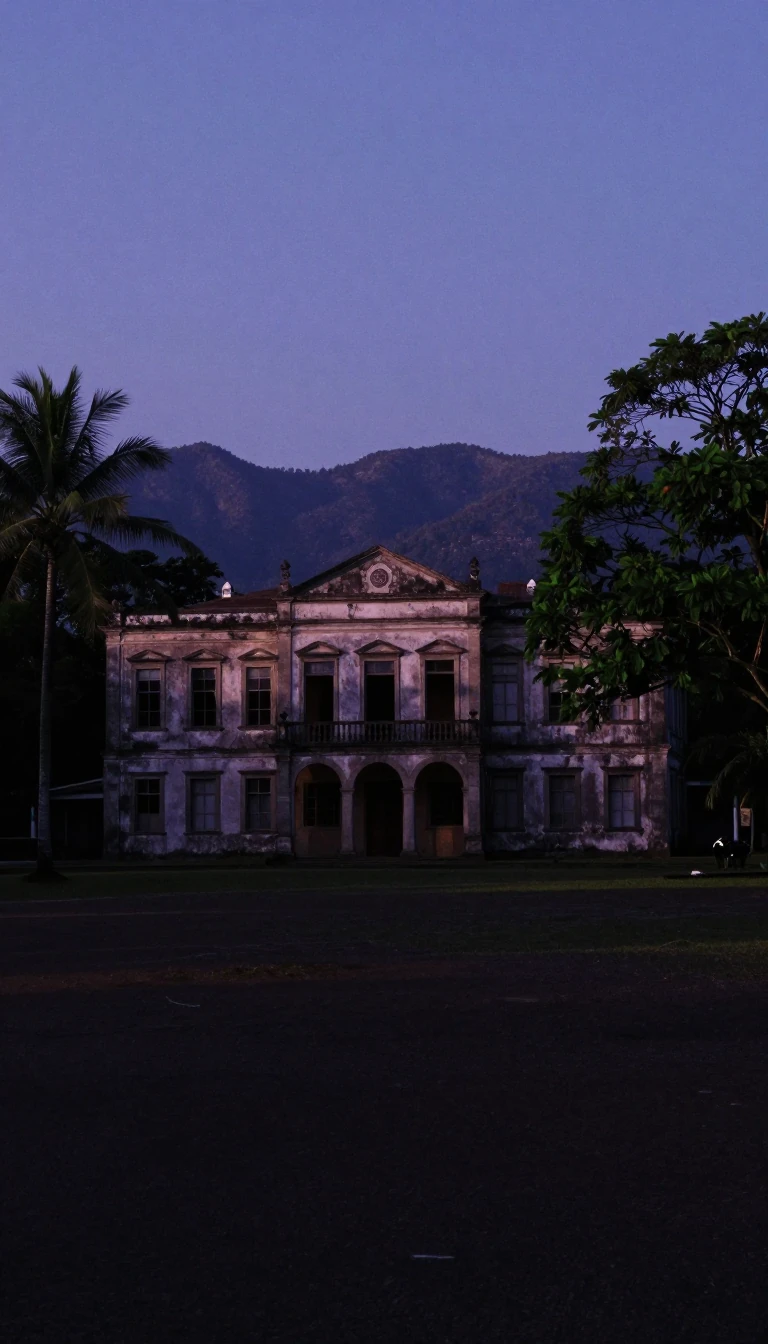 How a Venezuelan dictator used oil wealth to build a nation and his fortuneJuan Vicente Gómez ruled Venezuela for twenty-seven years, transforming a fractured, debt-ridden nation into a stable, oil-rich state. While he modernized infrastructure and elimi…
 Jules Ferry: The Architect of Modern French Education and Controversial Colonial ExpansionJules Ferry was a pivotal French statesman who transformed the Third Republic by making primary education free, mandatory, and secular. Yet, his legacy remains deeply polarized, d…
- How Julio María Sanguinetti steered Uruguay from military rule to modern democracyJulio María Sanguinetti, a lawyer and journalist, twice served as Uruguay's president, bookending the nation's return to democratic governance. He navigated the delicate transitio…
- The journalist who became a communist icon, a Nazi victim, and a propaganda toolJulius Fučík was a Czech writer whose prison memoir, written on cigarette papers, became a sacred text of the Cold War. While the Communist Party transformed him into a flawless m…
- From Military Junta Leader to Elected President: The Complex Path of Julius Maada BioJulius Maada Bio’s career spans from a 1996 military coup to his current presidency in Sierra Leone. Once a young junta leader who handed over power to a democratic government, he…
- How a Maverick Politician Transformed Japan’s Economy and Later Challenged Its Nuclear Energy PolicyJunichiro Koizumi, a third-generation politician known as the Lionheart, reshaped Japan by championing neoliberal reforms and privatizing the national postal system. Yet, after le…
- Justin Trudeau: From Public School Bus to Canada's Second-Youngest Prime MinisterBorn into the spotlight as the son of a prime minister, Justin Trudeau transitioned from a teacher in Vancouver to the leader of Canada. His decade-long premiership was marked by …
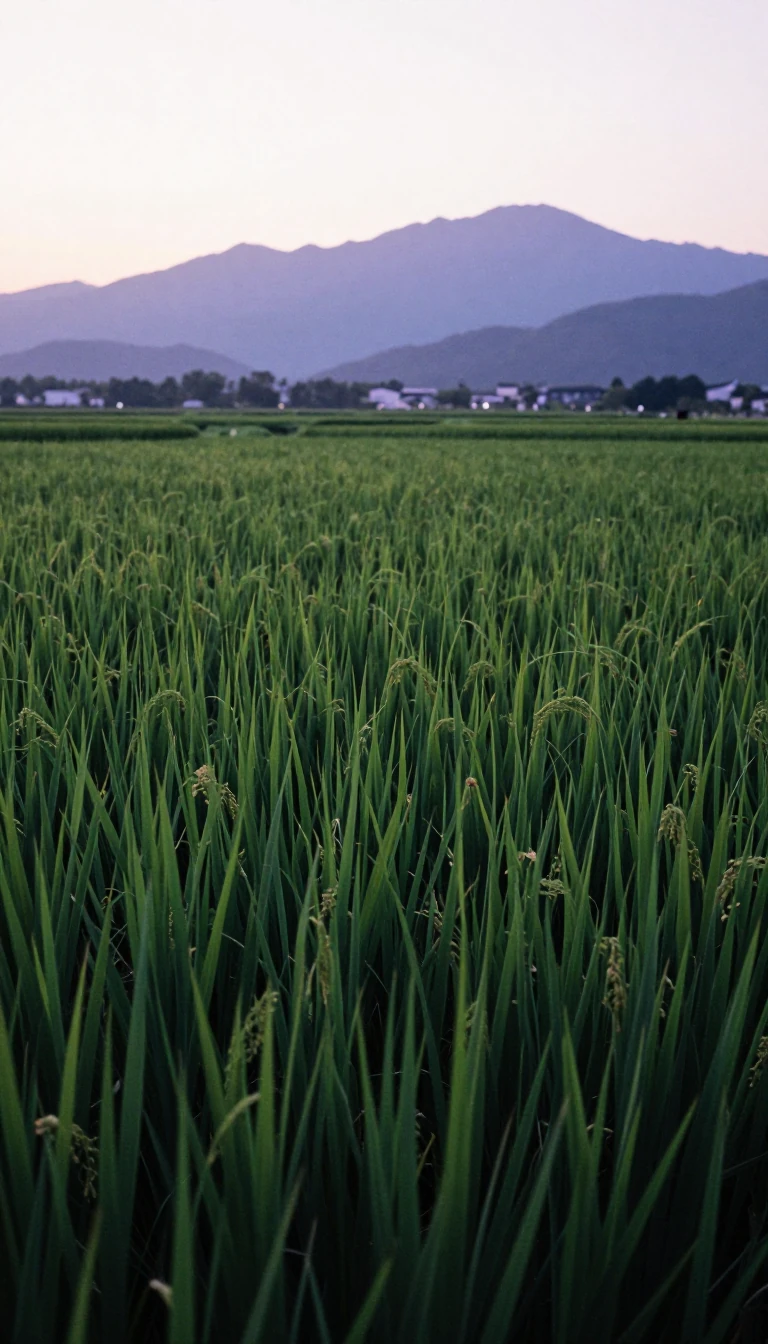 How a Dalit student walking 15 kilometers to school became India's working presidentK. R. Narayanan rose from poverty to become India's first Dalit president, serving from 1997 to 2002. Far from a ceremonial figurehead, he redefined the office by asserting his co…
 How one woman dismantled a centuries-old religious system to reshape the Hawaiian KingdomKaʻahumanu was the most powerful figure in 19th-century Hawaii, serving as Queen Regent. She fundamentally altered the nation by dismantling the kapu system, enforcing Christian l…