 Intellect Plus
Moons
13 cards. Each one is a 40-second story with a five-minute read behind it.
 From shattered puzzles to backward orbits: the diversity of our moonsOur solar system hosts hundreds of natural satellites, ranging from tiny lumpy rocks to massive worlds with thick atmospheres and subsurface oceans. While Earth has one loyal comp…
 The Moon never actually changes its shapeEvery night we see a different sliver of light, but the Moon's physical form remains constant. The mystery lies not in the Moon itself, but in a celestial dance between the Earth,…
 The Moon is a celestial dancer locked in a permanent embraceWe only ever see one side of the Moon, but it isn't because the moon is static. It is actually spinning—just at exactly the same rate it orbits our planet. This cosmic synchroniza…
 From Icy Oceans to Volcanic Surfaces: The Diverse Moons of Our Solar SystemMoons are far more than just rocky satellites. They range from lumpy, dark bodies destined to collide with their planets to massive worlds with hidden oceans. Explore how these na…
 The Moon doesn't change shape; your perspective does.If you watch the moon for a month, it appears to morph from a sliver to a glowing orb. This isn't a physical transformation of the lunar surface. Instead, it is a geometric dance …
 Is the moon actually larger when it sits on the horizon?Explore the science behind lunar illusions and common misconceptions. This StarTalk explainer breaks down why the moon appears to change size and investigates the origins of terms…
- From planetary wreckage to stolen worlds: a journey through the universe's moonsExplore the diverse and extreme nature of moons across our solar system and beyond. This video examines everything from volcanic worlds to moons that swap orbits every four years.
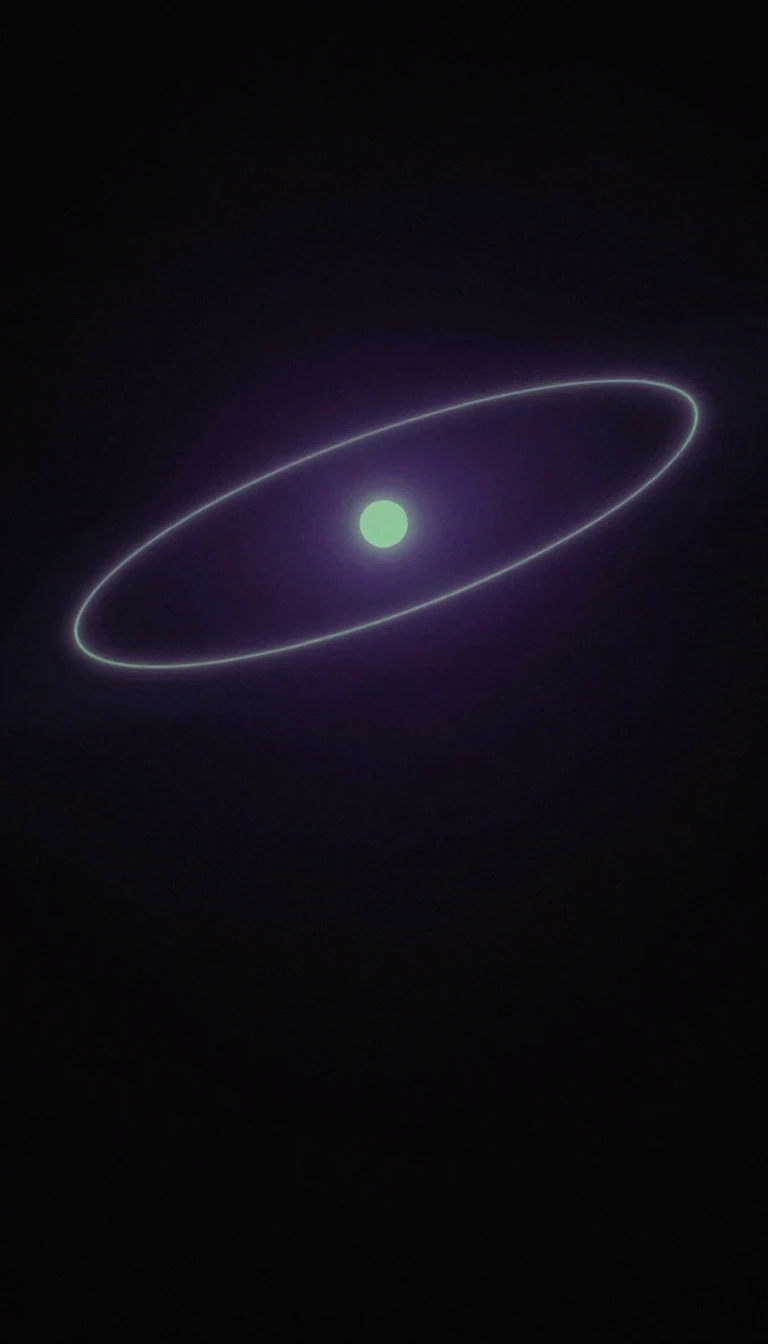 The cosmic neighbors that are neither moons nor wandering starsImagine an asteroid that follows a planet like a shadow but never actually orbits it. These objects, known as quasi-satellites, share the same orbital period as their planetary ho…
 How astronomers name the endless parade of new celestial discoveriesWhen a new asteroid is spotted, it doesn't immediately get a name. Instead, it receives a precise, coded provisional designation. This standardized system tracks exactly when and …
 Why our solar system's moons are named after lovers and literary spritesThe names of our celestial neighbors are rarely random. From Shakespearean fairies to Greek sea deities, the naming of moons follows strict, often poetic rules. But these conventi…
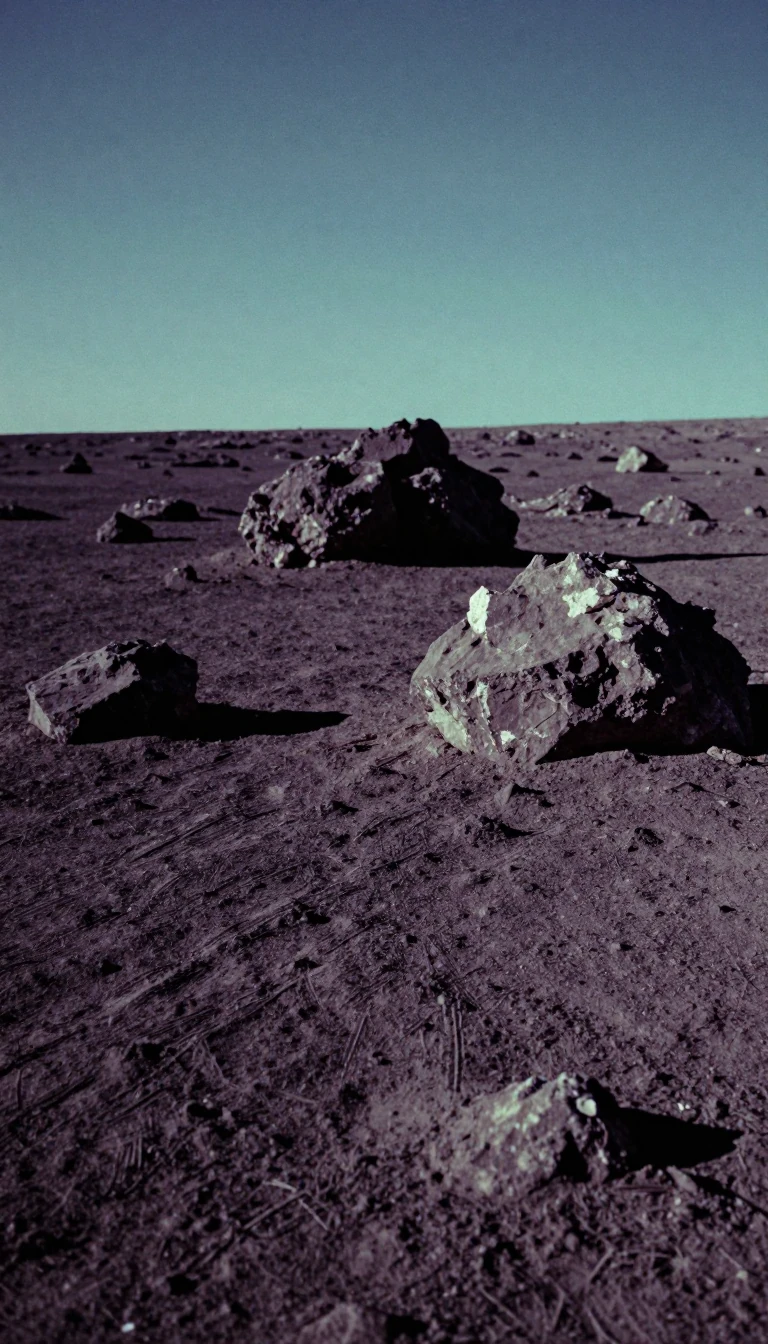 Moons might be more habitable than planets in our galaxyNatural satellites outnumber planets by a massive margin, making them prime real estate for extraterrestrial life. While they face unique hurdles like atmospheric erosion and tida…
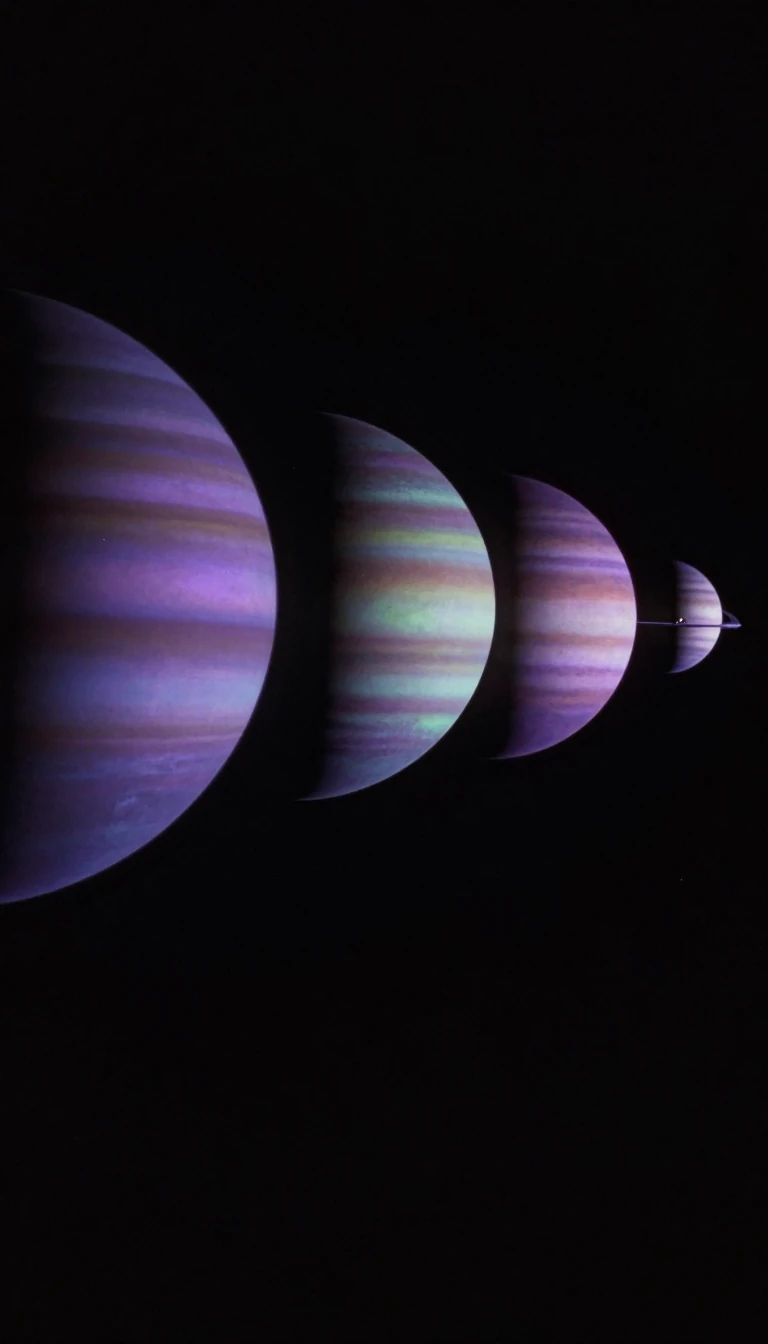 The celestial scavengers captured by the giant planetsThey do not follow the orderly paths of regular moons. Instead, these irregular satellites drift in eccentric, tilted, and retrograde orbits. Far from being permanent residents, t…
 Under the ice of Jupiter's moon Europa lies a hidden ocean.Europa, a moon slightly smaller than ours, is the smoothest solid object known in the Solar System. Its young, cracked ice sits on top of what scientists broadly agree is a salty …